
by Research Team | Jan 23, 2026 | Content Marketing, Digital Marketing, SEO, Social Media
The digital landscape is shifting. For years, the goal of online marketing was simple: drive clicks to your website. But as platforms evolve and user behavior changes, brands are learning to embrace a new reality—sometimes the most effective content doesn’t result in a click at all.
Zero-click content is designed to deliver value directly within the platform where it’s consumed, whether that’s a Google search result, a LinkedIn feed, or an Instagram story. While it may sound counter intuitive, mastering zero-click content can build trust, expand reach, and keep your brand top of mind.
What Is Zero-Click Content?
Zero-click content refers to material that provides immediate value without requiring the user to leave the platform. Instead of pushing for traffic to your site, it answers questions, educates, or entertains right where the audience already is.
Examples include:
- Featured snippets on Google that answer a query directly.
- LinkedIn posts that share insights without linking out.
- Infographics or carousels on Instagram that tell a complete story.
- Twitter threads that break down a concept step by step.
The goal isn’t to abandon website traffic but to recognize that offering instant value earns trust, which can translate into long-term engagement and conversions.
Why Zero-Click Content Matters
The rise of zero-click experiences is fueled by two trends: platform control and user behavior.
- Platforms like Google and social media networks want to keep users engaged within their ecosystems. That means they reward content that performs well without sending people elsewhere.
- Users today value speed and convenience. If they can get the answer in one swipe or glance, they will.
By meeting audiences where they are, brands show they understand modern digital behavior. And in a crowded marketplace, that can be a powerful differentiator.
The Benefits of Zero-Click Content
- Trust and Authority
When you consistently deliver value without demanding a click, audiences view your brand as generous and reliable.
- Increased Reach
Platforms often boost posts that engage users directly, making zero-click content more discoverable.
- Stronger Relationships
Instead of gating knowledge behind a link, you create an immediate exchange of value, encouraging long-term loyalty.
How to Create Effective Zero-Click Content
1. Embrace the Featured Snippet
On Google, the coveted featured snippet is often the first and only result users engage with. Structure your content with concise answers, bullet points, and headings that directly respond to common questions.
2. Share Value-Driven Social Posts
Craft social updates that tell the whole story in the feed. For example, instead of linking to a blog about “5 tips for better email marketing,” share the five tips in a LinkedIn post. Add personality and invite discussion in the comments.
3. Design Infographics and Carousels
Visual content is perfect for delivering value at a glance. Infographics summarize complex data, while carousel posts can break down a process step by step. These formats thrive on platforms like Instagram and LinkedIn.
4. Create Conversational Threads
On Twitter/X, long-form threads that unpack a concept can generate massive engagement. Each tweet should stand alone with value while contributing to the larger narrative.
5. Answer Questions Directly
Turn your FAQ section into multiple content pieces. Post answers on social media or optimize them for voice and search queries. When users see you addressing their needs quickly, you build credibility.
Balancing Zero-Click and Traffic Goals
The natural concern with zero-click content is losing website traffic. After all, traffic fuels lead generation, email lists, and sales. The key is balance.
- Use zero-click content as a trust-building tool. Once audiences recognize your authority, they’ll be more likely to click when it really matters.
- Include subtle calls-to-action within your posts, such as “If you’d like the full guide, visit our site.”
- Track engagement metrics like shares, comments, and saves in addition to clicks—these reflect brand visibility and relationship-building.
Real-World Examples
- Google Snippets: A fitness blog ranks for “best stretches for back pain” with a clear, bulleted list that appears directly in search. Even if users don’t click, the brand is now seen as an authority.
- LinkedIn Insights: A marketing consultant shares detailed strategies in posts that spark discussion. Followers trust the content and later sign up for paid workshops.
- Instagram Carousels: A finance coach posts slide decks explaining budgeting tips. These get saved and shared widely, building long-term brand awareness.
SEO and Zero-Click Content
Zero-click doesn’t mean zero SEO. In fact, optimizing for these moments can boost your visibility.
- Use structured data and schema markup to improve your chances of earning featured snippets.
- Write concise, direct answers to common queries.
- Optimize for “people also ask” results on Google.
By designing content with both visibility and usefulness in mind, you maximize the impact of your SEO strategy.
Final Perspective
Zero-click content isn’t about giving away too much—it’s about meeting audiences where they are and building trust in a crowded digital space. Providing value upfront positions your brand as an authority, encourages deeper engagement, and creates pathways for future conversions.
In today’s marketing landscape, clicks are valuable, but trust is what sets lasting brands apart.

by Research Team | Dec 25, 2025 | Automation, Customer Engagement, Digital Marketing, Social Media
Digital marketing has come full circle. After years of automation and one-way campaigns, audiences now crave genuine, two-way conversations with brands. In a world where attention spans are short and expectations are high, conversational marketing bridges that gap—using real-time dialogue to build trust, qualify leads, and deliver the kind of personal experience people value most.
From chatbots to live chat to social DMs, conversational marketing has evolved into one of the most effective ways to engage potential customers and move them smoothly through the sales funnel.
What Is Conversational Marketing
Conversational marketing is the practice of engaging with potential customers through personalized, real-time interactions—usually via chatbots, live chat widgets, or direct messaging on social platforms.
Instead of relying solely on static forms, email sequences, or landing pages, this approach invites the customer into a conversation. It’s less about broadcasting messages and more about listening, responding, and guiding them toward a solution.
Whether it’s a chatbot answering questions at midnight, a live agent helping someone choose a product, or a brand replying to Instagram DMs, these moments create a seamless, human experience that turns curiosity into connection.
Why Conversational Marketing Matters
Today’s consumers expect instant responses. They don’t want to wait 24 hours for a reply or dig through a website to find what they need. According to Drift’s State of Conversational Marketing report, over 80% of buyers expect real-time communication from brands.
That shift in expectation makes conversational marketing essential, not optional.
The benefits extend across the entire customer journey:
- Speed and convenience. Instant answers shorten the buyer’s path to purchase.
- Personalization. Conversations can adapt dynamically to each user’s intent and stage.
- Human touch at scale. Smart automation allows brands to engage thousands of users with a friendly, personalized feel.
- Higher conversion rates. Real-time engagement often converts leads faster than traditional email or static web forms.
Conversational marketing meets people where they already are—on messaging platforms they use daily—and helps brands build authentic relationships instead of transactional exchanges.
Tools of Conversational Marketing
The most successful conversational marketing strategies blend multiple tools and platforms, each serving a unique role in the conversation funnel.
Chatbots
Chatbots are the backbone of conversational marketing automation. They handle initial interactions, qualify leads, and provide information instantly—24/7.
Modern AI-powered chatbots go beyond scripted responses. They can recognize intent, pull from knowledge bases, and even hand off conversations to human agents when necessary. Tools like Drift, Intercom, and HubSpot’s Chatflow make chatbot deployment simple and scalable.
A well-designed chatbot can greet a visitor, ask relevant questions (“Are you looking for pricing or product details?”), and guide them to the next step—all without waiting for a sales rep.
Live Chat
Live chat complements chatbots by introducing a human layer. Once a conversation reaches a point where nuance or empathy matters, a live agent can step in.
This hybrid model—automation plus human connection—creates a smooth customer experience. Visitors never feel like they’re talking to a machine, and agents can handle multiple chats simultaneously with context and efficiency.
Live chat tools like Zendesk, Tidio, or LiveChat also integrate with CRMs, allowing every conversation to be logged and analyzed for future improvements.
Social Direct Messages (DMs)
Consumers increasingly prefer reaching brands through social media messages rather than traditional contact forms. Platforms like Facebook Messenger, Instagram, and LinkedIn have become customer service and sales channels in their own right.
Social DMs allow brands to meet customers in their preferred environment. Automated responses can acknowledge inquiries instantly, while human teams follow up with thoughtful, personalized replies.
Many brands also use DMs for post-purchase care, loyalty programs, and upselling opportunities—turning one-time buyers into long-term advocates.
How Conversational Marketing Nurtures Leads
At its core, conversational marketing is about progression. Each interaction should move a potential customer closer to conversion without feeling forced or overly promotional. Here’s how that flow typically works:
- Attract: Visitors arrive on your website, ad, or social profile. A chatbot or message prompt starts the interaction.
- Engage: The system asks questions to identify intent—such as budget, needs, or timeframe.
- Qualify: Based on responses, the chatbot segments leads and routes them to appropriate resources or agents.
- Convert: Live chat or DMs provide tailored information, pricing, or demo scheduling.
- Delight: Post-purchase, conversations continue for feedback, support, or cross-selling opportunities.
Unlike static forms, this conversational path feels natural. The visitor stays in control, and the brand remains responsive—a formula that builds trust and shortens decision cycles.
Best Practices for Implementing Conversational Marketing
To make conversational marketing effective, brands must balance automation with empathy. Here are a few principles to guide success:
Keep It Human
Even automated systems should sound natural and friendly. Use tone and language that reflect your brand’s personality. Avoid jargon and canned phrases that make users feel they’re speaking to a robot.
Personalize with Purpose
Use data wisely. Reference previous interactions or browsing behavior to make conversations relevant, but don’t cross privacy boundaries. The goal is to be helpful, not invasive.
Integrate with Your CRM
Every chat, message, or DM is a data point. Integrating your conversational tools with a CRM ensures leads aren’t lost and follow-ups are timely. It also helps you track conversions attributed to chat interactions.
Offer Seamless Handoffs
Make it easy for users to switch from a chatbot to a real person when needed. Frustration builds when someone hits a dead end in automation without human backup.
Measure and Optimize
Track metrics such as response time, satisfaction rate, conversion rate, and average conversation length. Use these insights to continuously improve scripts, timing, and workflows.
The Future of Conversational Marketing
As AI and natural language processing evolve, conversational marketing will only get smarter and more intuitive.
Voice assistants, predictive chatbots, and context-aware messaging will soon enable brands to anticipate customer needs before they’re even expressed. At the same time, privacy regulations will push marketers to prioritize consent and transparency in all automated interactions.
The most successful brands will be those that combine technological efficiency with human empathy—creating meaningful conversations that drive not just sales, but loyalty.
From Monologue to Meaningful Connection
Conversational marketing is more than a trend; it’s a return to what marketing was meant to be—dialogue, not monologue. When brands listen and respond in real time, they build stronger relationships, faster trust, and a more enjoyable customer experience.
In a digital world overflowing with noise, the brands that stop talking at customers and start talking with them will always stand out.
by Research Team | Dec 25, 2025 | Customer Engagement, Private Messaging, Social Media
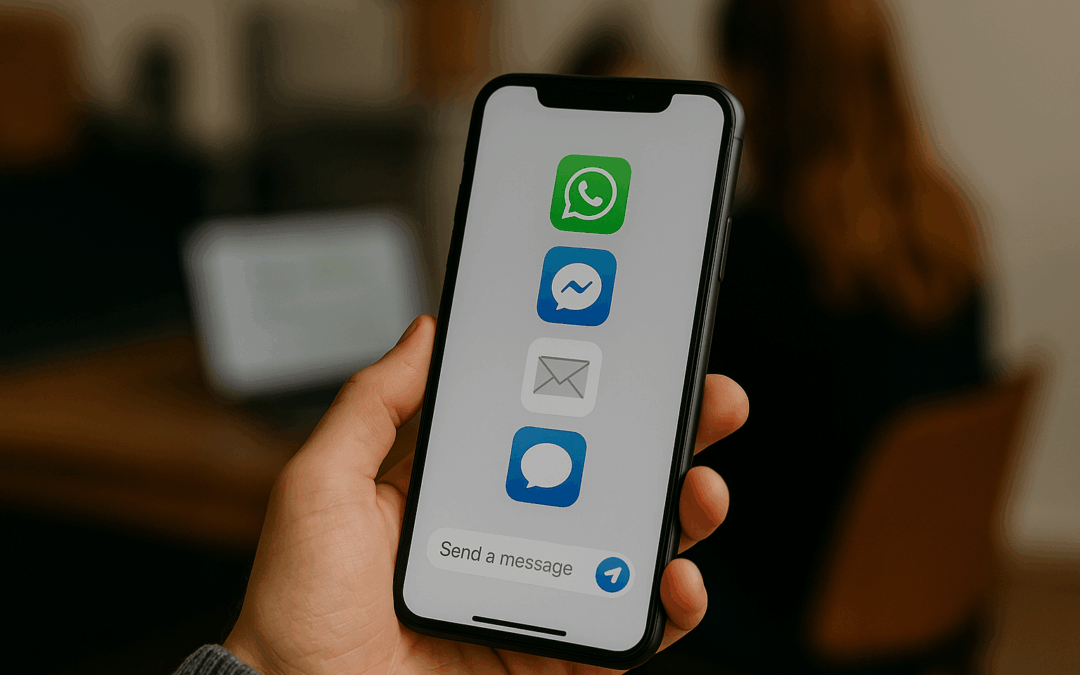
Not all sharing happens in public. Every day, millions of people send links, memes, and product recommendations through private channels like WhatsApp, Messenger, email, or text. These hidden conversations make up what marketers call dark social—the invisible web of shares and referrals that don’t show up in analytics dashboards.
If you’ve ever noticed a large chunk of your website traffic labeled “direct” in Google Analytics, chances are much of it actually comes from dark social. Understanding and optimizing for these hidden channels can give your marketing strategy a powerful edge.
What Is Dark Social
The term “dark social” was coined by Alexis Madrigal in The Atlantic to describe the web traffic generated when people share links privately rather than through traceable public platforms like Facebook or X (formerly Twitter).
These include:
- Private messaging apps (WhatsApp, Telegram, Signal)
- Email forwards
- SMS or iMessage shares
- Slack or Teams messages
- Private social groups (Facebook groups, LinkedIn DMs)
Unlike public shares, these private ones don’t pass referral data through UTM parameters or platform APIs. As a result, when someone clicks a link from a private message, analytics tools often categorize it as direct traffic, masking its true source.
Why Dark Social Matters More Than Ever
Modern consumers are increasingly protective of their data and prefer private spaces over public timelines. According to research from GlobalWebIndex, over 60% of social sharing now happens via private channels.
That means a significant part of your brand’s digital word-of-mouth is happening off the radar. Ignoring dark social could mean missing out on understanding how your content really spreads and influences purchase decisions.
Three key reasons marketers should care:
- Trust lives in private spaces. People trust recommendations from friends, colleagues, or family shared in personal chats more than any ad.
- Dark social drives high-intent traffic. When someone sends a link privately, it’s usually because they find it relevant and worth discussing.
- It influences conversion paths. Even if last-click data doesn’t show it, dark social often plays a role early in the decision journey.
Common Examples of Dark Social in Action
To visualize how dark social works, consider a few real-world scenarios:
- A friend sends you a WhatsApp message saying, “Check out this new productivity app,” followed by a link.
- A coworker shares a link to an industry report in a Slack channel.
- A customer forwards your newsletter to a colleague who might be interested.
None of these shares appear as “social” in your analytics. Instead, they’re buried in the “direct” or “other” category—yet they’re driving meaningful, trust-based engagement.
How to Track and Measure Dark Social Traffic
While it’s impossible to measure dark social perfectly, there are smart ways to get closer to the truth.
Use UTM Parameters Strategically
When sharing links through your own email campaigns, newsletters, or private channels, always include UTM tags (for example, ?utm_source=email&utm_medium=dark_social&utm_campaign=share_link).
Encourage your team, partners, or influencers to do the same. Even if users share your content organically afterward, you’ll gain partial visibility into how links spread.
Leverage Share Buttons with Tracking
Instead of relying on users to copy-paste links, include share buttons for WhatsApp, Messenger, and email that generate tagged URLs automatically. Tools like ShareThis, AddThis, or custom scripts can help with this.
Segment “Direct” Traffic Smarter
Not all direct traffic is truly direct. By filtering out homepage visits and focusing on deep-link traffic (like blog posts or product pages), you can estimate which portion likely comes from dark social.
Use Analytics Platforms That Support Multi-Touch Attribution
Tools like HubSpot, GA4, and Mixpanel can help you connect hidden referral sources to actual conversions through user ID tracking or assisted conversion reports.
How to Harness the Power of Dark Social
Instead of seeing dark social as a problem, think of it as an opportunity to engage with your audience in more personal, authentic ways.
Create Shareable, Conversation-Worthy Content
People share content that sparks emotion, offers value, or starts a discussion. Focus on:
- Insightful industry reports or guides
- Quizzes or calculators with personalized results
- Memes or relatable micro-content
- Stories that evoke trust or humor
If content feels “worth sending to a friend,” it’s primed for dark social sharing.
Build Communities Around Private Platforms
Private spaces are becoming the new social networks. Consider hosting or participating in:
- WhatsApp broadcast lists
- Telegram or Discord groups
- Invite-only Facebook or LinkedIn groups
- Slack communities related to your niche
These spaces foster genuine connection and discussion—exactly where dark social thrives.
Encourage Direct Sharing
Subtly prompt sharing with CTAs like “Send this to a friend who’d find it useful” or “Share this insight with your team.”
Make sharing frictionless with copy-link or message-button options built right into your content.
Partner with Micro-Influencers in Niche Groups
Influencers with smaller, more engaged followings often dominate private channels and communities. Their recommendations can spread quickly through trusted networks that public campaigns can’t reach.
Align Paid Retargeting with Dark Social Engagement
Even though dark social itself is untrackable, you can use retargeting ads to stay visible to people who’ve visited your content through private shares. This bridges the gap between hidden discovery and visible conversion.
The Future of Dark Social: From Hidden to Human
As the digital ecosystem continues to evolve, privacy-first platforms and encrypted messaging apps will only grow in popularity.
For marketers, this means two things:
- Data visibility will shrink even more.
- Relationship-based marketing will matter more than ever.
The solution isn’t to chase every hidden click—it’s to understand that private conversations are where trust happens. Instead of interrupting, focus on being part of the dialogue.
Brands that create value, nurture communities, and build authentic relationships will thrive even as the metrics grow murkier.
Dark social isn’t a mystery to fear—it’s a reminder that the heart of marketing still lies in real human connection. When people share your content privately, it means your message has earned their trust and attention.
By tracking what’s measurable, inspiring authentic conversations, and building communities that thrive on value and relevance, you position your brand to grow through relationships, not just metrics. In a digital world obsessed with visibility, it’s often the unseen exchanges that matter most.

by Research Team | Dec 23, 2025 | Content Recycling, Digital Marketing, Evergreen Content, SEO, Social Media
In digital marketing, consistency is key—but constant content creation can be exhausting. Between blog posts, social media updates, newsletters, videos, and infographics, the demand for fresh material never seems to end. Yet creating from scratch every time isn’t the only way to stay relevant.
Enter content recycling, the strategy of turning long-form assets into multiple, smaller pieces of evergreen content. It’s not just about reusing; it’s about maximizing value from your best-performing materials and giving them new life across different platforms and formats.
What Is Content Recycling?
Content recycling is the process of repurposing existing, high-quality content into new forms that extend its reach and relevance. For example, you might turn a comprehensive whitepaper into a series of social media posts, a webinar into short clips, or a detailed blog into a visual infographic.
The goal isn’t repetition—it’s adaptation. Each new version tailors the same core message to different audiences and formats while reinforcing your brand’s authority and voice.
Why Content Recycling Matters
In today’s fast-paced digital world, the average content lifespan is shrinking. A social post lasts hours, a blog might trend for a few days, and even a high-performing video eventually gets buried in feeds. Recycling helps break that cycle.
Here’s why it’s worth your focus:
- Saves time and resources. You’ve already done the research and production work. Repurposing lets you stretch that effort further.
- Boosts SEO and visibility. Refreshing older assets keeps them relevant, helping your site maintain authority and search rankings.
- Reaches new audiences. Not everyone consumes content in the same way. Repurposing allows you to meet people where they are—on the platforms and formats they prefer.
- Reinforces brand messaging. By revisiting core topics through multiple channels, you strengthen your brand’s expertise and message consistency.
- Supports evergreen marketing. Evergreen content—topics that remain relevant over time—can continue generating traffic, leads, and engagement long after publication.
When done strategically, content recycling ensures your best ideas never fade; they just evolve.
How to Identify Content Worth Recycling
Not every piece of content deserves to be repurposed. Focus on assets that have proven their value. Here’s how to choose wisely:
Look at Performance Metrics
Start with analytics. Identify blog posts, videos, or webinars that generated strong engagement, backlinks, conversions, or time-on-page. If a topic resonated once, it likely will again.
Consider Evergreen Topics
Choose content that remains relevant regardless of trends—subjects like “how-to” guides, case studies, industry best practices, or educational resources.
Refresh Older High-Performers
If an older post or video performed well but has lost traction, update its stats, visuals, or examples and reintroduce it through new channels.
Align with Current Goals
Recycle pieces that support your current marketing objectives—whether that’s lead generation, thought leadership, or brand awareness.
Practical Ways to Repurpose Long-Form Content
Once you’ve identified strong material, it’s time to break it down creatively. Below are actionable ways to transform long-form assets into multiple engaging mini-pieces.
Turn Blogs into Bite-Sized Social Posts
A single 1,000-word article can easily yield a week’s worth of social content. Pull key insights, statistics, or quotes and format them for LinkedIn, Instagram, or X (formerly Twitter).
Add visuals, short captions, or polls to make them more interactive.
Convert Webinars or Podcasts into Video Snippets
Cut 30–60 second highlights featuring key takeaways, expert sound bites, or impactful visuals. These clips work perfectly for Instagram Reels, YouTube Shorts, or LinkedIn videos, giving long-form discussions a new life in short-form format.
Transform Case Studies into Infographics
Data-heavy success stories can become eye-catching visuals. Infographics make it easy to digest key results and insights while boosting shareability.
Turn E-books or Whitepapers into Email Series
Instead of expecting readers to download lengthy PDFs, break them into a series of short, value-driven emails. This keeps audiences engaged over multiple touchpoints while nurturing leads gradually.
Compile Social Insights into Blog Posts
Recycling works both ways. If you’ve had several high-performing social posts on a specific theme, compile them into a blog post or downloadable guide.
Record Blogs as Audio Versions
Repurpose written blogs into short podcast-style readings. This gives your audience an on-the-go option, expanding reach to those who prefer listening over reading.
Maintaining Quality and Consistency
Recycling content doesn’t mean cutting corners. To keep quality high, follow these best practices:
Refresh the Information
Before republishing, ensure all data, links, and examples are up to date. Outdated facts can undermine credibility and hurt SEO.
Adapt for Each Platform
What works on LinkedIn may not suit TikTok. Tailor visuals, captions, and tone for each platform’s culture and audience expectations.
Keep Branding Consistent
Each piece should look and sound like your brand—even when formats differ. Use consistent colors, fonts, voice, and tone across every channel.
Add New Insights
When repurposing, consider adding fresh commentary, updated trends, or audience feedback to make the recycled version feel new rather than repetitive.
Track Performance
Measure how your recycled content performs across channels. These insights will help refine your approach and reveal which formats drive the most engagement.
The Role of Evergreen Content in a Recycling Strategy
Evergreen content is the foundation of effective recycling. Unlike time-sensitive campaigns, evergreen topics maintain relevance and value for years.
Examples include:
- Educational “how-to” guides
- Industry best practices
- FAQs or troubleshooting content
- Case studies with enduring lessons
By building your content strategy around these themes, you can continuously repurpose without losing timeliness. Every new channel or platform becomes another opportunity to extend the life of your message.
From Creation to Continuity
The beauty of content recycling is that it shifts your mindset from one-time creation to long-term value. It’s not about producing more—it’s about making what you already have work harder.
Instead of constantly chasing the next big idea, focus on amplifying the impact of what’s already resonating with your audience. A single high-performing article can evolve into a dozen smaller assets—each with its own role in driving awareness, engagement, and conversion.
When you treat your content as a living, adaptable asset, your marketing efforts become more sustainable, efficient, and impactful.
by Research Team | Dec 21, 2025 | E-Commerce, Influencer Marketing, Social Media
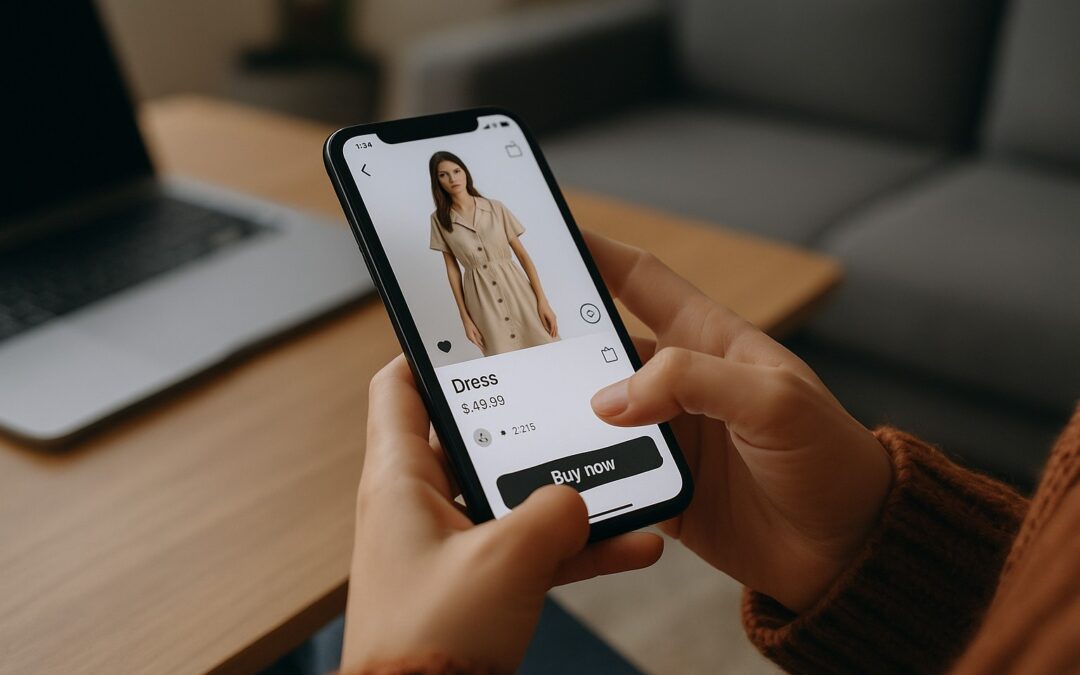
Social media has long been a powerful tool for building brand awareness and connecting with audiences. But in recent years, it has evolved beyond likes, shares, and comments. The rise of social commerce—shopping experiences integrated directly within social platforms—has transformed how businesses drive sales.
From Instagram’s shoppable posts to TikTok’s live shopping streams, social commerce is turning engagement into revenue. For businesses, the opportunity is enormous: meet customers where they already spend time and make the buying process frictionless.
What is Social Commerce?
Social commerce refers to the integration of e-commerce functionality directly into social media platforms. Instead of sending users to an external website, customers can browse, discover, and purchase products without leaving the app.
Examples include:
- Instagram Shopping tabs and shoppable posts
- TikTok Shop with influencer-led product showcases
- Facebook Shops for small businesses
- Pinterest “Buy” buttons on pins
This seamless experience caters to consumers’ desire for convenience while allowing brands to capitalize on the engagement they already generate on social media.
Why Social Commerce Matters
- Convenience Drives Conversions
When users don’t have to switch between platforms or re-enter payment details, the path to purchase is shorter. A smooth buying journey reduces drop-offs.
- Engagement Becomes Revenue
Traditional social media campaigns often focus on awareness. With social commerce, the likes, comments, and shares can directly translate into sales.
- Trust Through Community
Social commerce thrives on social proof. When users see friends, influencers, or communities endorsing products, the trust factor multiplies.
- Data for Personalization
Platforms gather insights from user interactions, enabling more personalized recommendations and targeted campaigns.
Strategies to Succeed in Social Commerce
1. Optimize Product Listings
High-quality visuals, engaging descriptions, and accurate pricing are crucial. Since users make quick decisions while scrolling, products should capture attention instantly.
2. Leverage Influencer Partnerships
Influencers play a critical role in social commerce. Their recommendations feel authentic, and their audiences are often ready to take action. Partnering with micro-influencers can be especially effective for niche products.
3. Experiment with Live Shopping
Live shopping events allow brands to showcase products, answer questions in real-time, and create urgency. Platforms like TikTok and Instagram Live make these experiences highly interactive.
4. Integrate User-Generated Content
Encouraging customers to share their experiences creates powerful social proof. Reposting customer reviews or photos builds authenticity that drives conversions.
5. Simplify Checkout Experiences
The fewer steps, the better. Ensure checkout options are quick, mobile-friendly, and compatible with popular payment methods like digital wallets.
Measuring Success in Social Commerce
Tracking performance is essential to refining social commerce strategies. Key metrics include:
- Engagement-to-conversion rate
- Average order value
- Return on ad spend (ROAS)
- Repeat purchase rates from social platforms
- Customer acquisition cost
Over time, these insights help businesses understand what resonates with audiences and how to maximize social commerce ROI.
Potential Challenges to Consider
While promising, social commerce does come with hurdles:
- Platform Dependence: Businesses risk over-reliance on a single platform’s algorithms or features.
- Trust Barriers: Some customers may hesitate to purchase directly within social apps.
- Data Privacy Concerns: With transactions happening on platforms, brands must remain mindful of data security and regulations.
Being aware of these challenges allows businesses to mitigate risks while capitalizing on opportunities.
Moving Forward with Social Commerce
Social commerce represents the future of online shopping, blending the social connections people value with the convenience of digital transactions. By meeting customers where they already are, brands can transform engagement into measurable sales.
The businesses that succeed will be those that combine strong storytelling, community trust, and seamless shopping experiences. For marketers, the message is clear: social commerce isn’t just a trend—it’s a lasting shift in how consumers discover and buy products.

by Research Team | Dec 9, 2025 | Digital Marketing, Influencer Marketing, Social Media
Influencer marketing has grown from a niche tactic into a core digital strategy. Brands of all sizes now partner with influencers to build awareness, reach new audiences, and drive sales. Yet one of the biggest questions marketers face is whether to work with micro-influencers or macro-influencers.
Each type brings unique strengths and challenges. Choosing the right partnership can make the difference between a high-performing campaign and wasted spend. In the following sections, we’ll break down the differences, benefits, and ROI potential of micro- vs. macro-influencers to help you decide which approach is right for your brand.
What Are Micro- and Macro-Influencers?
Influencers are often categorized by their follower count:
- Micro-influencers: typically 10,000 to 100,000 followers
- Macro-influencers: typically 100,000 to 1 million followers (sometimes more, bordering on “mega” territory)
While the size of their following is the most obvious difference, what really matters is engagement, trust, and alignment with your brand.
The Case for Micro-Influencers
Micro-influencers may not have massive audiences, but what they lack in scale, they often make up for in authenticity.
Benefits of Micro-Influencers
- Higher engagement rates: Smaller audiences often mean stronger connections.
- Authenticity: Followers see them as peers rather than celebrities.
- Niche communities: Perfect for brands targeting specific industries or demographics.
- Cost-effective: Partnerships are typically more affordable than with larger influencers.
Example in Action
A local skincare brand partners with 20 micro-influencers in the beauty niche. Instead of one celebrity post, the brand gains authentic reviews from trusted voices, reaching highly targeted audiences and generating sales from engaged communities.
The Case for Macro-Influencers
Macro-influencers, with their large followings, bring instant visibility and the potential for massive reach.
Benefits of Macro-Influencers
- Broad reach: One post can reach hundreds of thousands of people.
- Brand credibility: Association with a well-known figure enhances prestige.
- Professionalism: Larger influencers often have media experience and polished content.
- Faster impact: Great for brand awareness campaigns and product launches.
Example in Action
A fitness equipment company partners with a well-known fitness influencer with 500,000 followers. Within hours of posting, the campaign generates thousands of clicks and strong brand recognition across a wide audience.
Comparing ROI: Engagement vs. Reach
When it comes to ROI, the difference often lies in the type of goals your brand has.
- Micro-influencers tend to deliver higher engagement rates and stronger conversion potential because followers trust their recommendations.
- Macro-influencers deliver reach and awareness—ideal for new product launches or building broad brand recognition.
For many brands, ROI with micro-influencers is tied to quality of engagement, while ROI with macro-influencers is tied to quantity of exposure.
Choosing the Right Influencer for Your Goals
The decision doesn’t have to be one or the other—it depends on your objectives.
- If your goal is sales and conversions, micro-influencers are often more cost-effective.
- If your goal is awareness and brand authority, macro-influencers may be the better fit.
- For many brands, a hybrid approach—working with a mix of micro- and macro-influencers—delivers the best balance of reach and engagement.
Best Practices for Influencer Partnerships
To maximize ROI, keep these strategies in mind:
- Focus on alignment: Choose influencers whose audience matches your target market.
- Look beyond followers: Engagement rate, trust, and relevance matter more than numbers.
- Track results: Use unique codes, affiliate links, or tracking tools to measure ROI.
- Build long-term relationships: Consistency often drives better results than one-off posts.
Conclusion
Influencer marketing isn’t one-size-fits-all. Micro-influencers offer authenticity, higher engagement, and cost efficiency, while macro-influencers bring scale, visibility, and prestige. The best choice depends on your brand’s goals, budget, and audience.
Whether you choose micro, macro, or a combination of both, the key is to prioritize authentic connections and measurable impact. In the end, ROI comes not just from reach or engagement but from aligning your strategy with the right voices for your brand.

