by Research Team | Dec 21, 2025 | E-Commerce, Influencer Marketing, Social Media
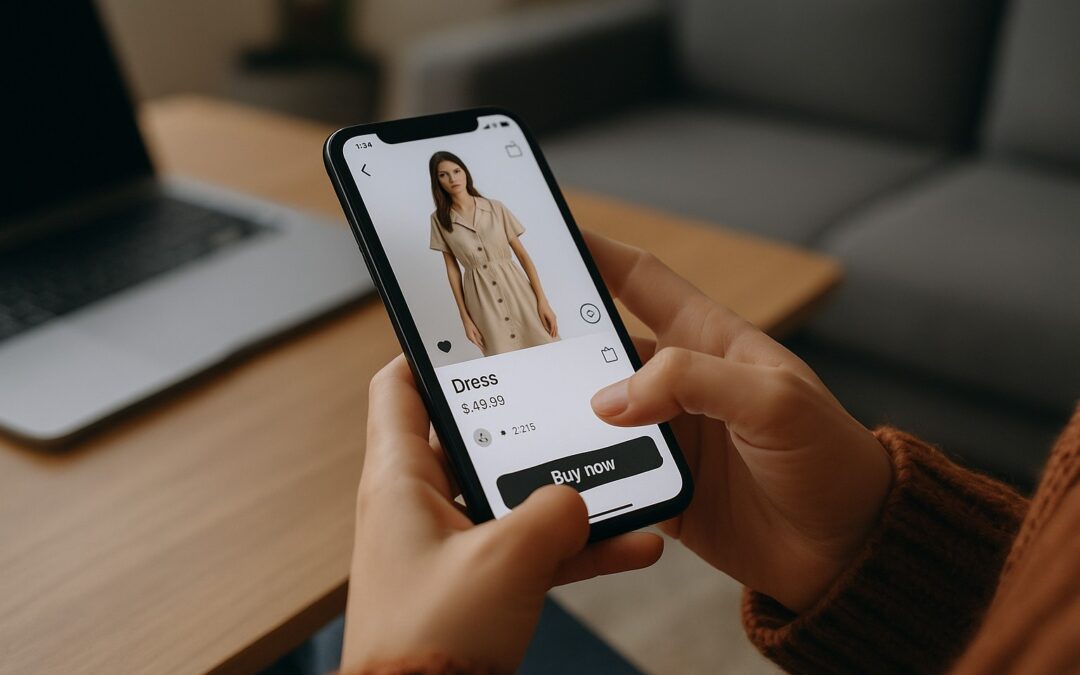
Social media has long been a powerful tool for building brand awareness and connecting with audiences. But in recent years, it has evolved beyond likes, shares, and comments. The rise of social commerce—shopping experiences integrated directly within social platforms—has transformed how businesses drive sales.
From Instagram’s shoppable posts to TikTok’s live shopping streams, social commerce is turning engagement into revenue. For businesses, the opportunity is enormous: meet customers where they already spend time and make the buying process frictionless.
What is Social Commerce?
Social commerce refers to the integration of e-commerce functionality directly into social media platforms. Instead of sending users to an external website, customers can browse, discover, and purchase products without leaving the app.
Examples include:
- Instagram Shopping tabs and shoppable posts
- TikTok Shop with influencer-led product showcases
- Facebook Shops for small businesses
- Pinterest “Buy” buttons on pins
This seamless experience caters to consumers’ desire for convenience while allowing brands to capitalize on the engagement they already generate on social media.
Why Social Commerce Matters
- Convenience Drives Conversions
When users don’t have to switch between platforms or re-enter payment details, the path to purchase is shorter. A smooth buying journey reduces drop-offs.
- Engagement Becomes Revenue
Traditional social media campaigns often focus on awareness. With social commerce, the likes, comments, and shares can directly translate into sales.
- Trust Through Community
Social commerce thrives on social proof. When users see friends, influencers, or communities endorsing products, the trust factor multiplies.
- Data for Personalization
Platforms gather insights from user interactions, enabling more personalized recommendations and targeted campaigns.
Strategies to Succeed in Social Commerce
1. Optimize Product Listings
High-quality visuals, engaging descriptions, and accurate pricing are crucial. Since users make quick decisions while scrolling, products should capture attention instantly.
2. Leverage Influencer Partnerships
Influencers play a critical role in social commerce. Their recommendations feel authentic, and their audiences are often ready to take action. Partnering with micro-influencers can be especially effective for niche products.
3. Experiment with Live Shopping
Live shopping events allow brands to showcase products, answer questions in real-time, and create urgency. Platforms like TikTok and Instagram Live make these experiences highly interactive.
4. Integrate User-Generated Content
Encouraging customers to share their experiences creates powerful social proof. Reposting customer reviews or photos builds authenticity that drives conversions.
5. Simplify Checkout Experiences
The fewer steps, the better. Ensure checkout options are quick, mobile-friendly, and compatible with popular payment methods like digital wallets.
Measuring Success in Social Commerce
Tracking performance is essential to refining social commerce strategies. Key metrics include:
- Engagement-to-conversion rate
- Average order value
- Return on ad spend (ROAS)
- Repeat purchase rates from social platforms
- Customer acquisition cost
Over time, these insights help businesses understand what resonates with audiences and how to maximize social commerce ROI.
Potential Challenges to Consider
While promising, social commerce does come with hurdles:
- Platform Dependence: Businesses risk over-reliance on a single platform’s algorithms or features.
- Trust Barriers: Some customers may hesitate to purchase directly within social apps.
- Data Privacy Concerns: With transactions happening on platforms, brands must remain mindful of data security and regulations.
Being aware of these challenges allows businesses to mitigate risks while capitalizing on opportunities.
Moving Forward with Social Commerce
Social commerce represents the future of online shopping, blending the social connections people value with the convenience of digital transactions. By meeting customers where they already are, brands can transform engagement into measurable sales.
The businesses that succeed will be those that combine strong storytelling, community trust, and seamless shopping experiences. For marketers, the message is clear: social commerce isn’t just a trend—it’s a lasting shift in how consumers discover and buy products.

by Research Team | Dec 9, 2025 | Digital Marketing, Influencer Marketing, Social Media
Influencer marketing has grown from a niche tactic into a core digital strategy. Brands of all sizes now partner with influencers to build awareness, reach new audiences, and drive sales. Yet one of the biggest questions marketers face is whether to work with micro-influencers or macro-influencers.
Each type brings unique strengths and challenges. Choosing the right partnership can make the difference between a high-performing campaign and wasted spend. In the following sections, we’ll break down the differences, benefits, and ROI potential of micro- vs. macro-influencers to help you decide which approach is right for your brand.
What Are Micro- and Macro-Influencers?
Influencers are often categorized by their follower count:
- Micro-influencers: typically 10,000 to 100,000 followers
- Macro-influencers: typically 100,000 to 1 million followers (sometimes more, bordering on “mega” territory)
While the size of their following is the most obvious difference, what really matters is engagement, trust, and alignment with your brand.
The Case for Micro-Influencers
Micro-influencers may not have massive audiences, but what they lack in scale, they often make up for in authenticity.
Benefits of Micro-Influencers
- Higher engagement rates: Smaller audiences often mean stronger connections.
- Authenticity: Followers see them as peers rather than celebrities.
- Niche communities: Perfect for brands targeting specific industries or demographics.
- Cost-effective: Partnerships are typically more affordable than with larger influencers.
Example in Action
A local skincare brand partners with 20 micro-influencers in the beauty niche. Instead of one celebrity post, the brand gains authentic reviews from trusted voices, reaching highly targeted audiences and generating sales from engaged communities.
The Case for Macro-Influencers
Macro-influencers, with their large followings, bring instant visibility and the potential for massive reach.
Benefits of Macro-Influencers
- Broad reach: One post can reach hundreds of thousands of people.
- Brand credibility: Association with a well-known figure enhances prestige.
- Professionalism: Larger influencers often have media experience and polished content.
- Faster impact: Great for brand awareness campaigns and product launches.
Example in Action
A fitness equipment company partners with a well-known fitness influencer with 500,000 followers. Within hours of posting, the campaign generates thousands of clicks and strong brand recognition across a wide audience.
Comparing ROI: Engagement vs. Reach
When it comes to ROI, the difference often lies in the type of goals your brand has.
- Micro-influencers tend to deliver higher engagement rates and stronger conversion potential because followers trust their recommendations.
- Macro-influencers deliver reach and awareness—ideal for new product launches or building broad brand recognition.
For many brands, ROI with micro-influencers is tied to quality of engagement, while ROI with macro-influencers is tied to quantity of exposure.
Choosing the Right Influencer for Your Goals
The decision doesn’t have to be one or the other—it depends on your objectives.
- If your goal is sales and conversions, micro-influencers are often more cost-effective.
- If your goal is awareness and brand authority, macro-influencers may be the better fit.
- For many brands, a hybrid approach—working with a mix of micro- and macro-influencers—delivers the best balance of reach and engagement.
Best Practices for Influencer Partnerships
To maximize ROI, keep these strategies in mind:
- Focus on alignment: Choose influencers whose audience matches your target market.
- Look beyond followers: Engagement rate, trust, and relevance matter more than numbers.
- Track results: Use unique codes, affiliate links, or tracking tools to measure ROI.
- Build long-term relationships: Consistency often drives better results than one-off posts.
Conclusion
Influencer marketing isn’t one-size-fits-all. Micro-influencers offer authenticity, higher engagement, and cost efficiency, while macro-influencers bring scale, visibility, and prestige. The best choice depends on your brand’s goals, budget, and audience.
Whether you choose micro, macro, or a combination of both, the key is to prioritize authentic connections and measurable impact. In the end, ROI comes not just from reach or engagement but from aligning your strategy with the right voices for your brand.

by Research Team | Oct 12, 2025 | Content Marketing, Digital Marketing, Influencer Marketing, Small Business Marketing
Influencer marketing isn’t just for celebrity endorsements or million-follower accounts anymore. Some of the most effective partnerships today come from micro-influencers—individuals with smaller but highly engaged followings in niche communities.
These creators may not be household names, but their influence is powerful. With follower counts typically between 1,000 and 100,000, micro-influencers offer authenticity, trust, and a closer connection to their audiences, making them ideal partners for brands looking to drive meaningful engagement without breaking the bank.
Why Micro-Influencers Matter More Than Ever
Micro-influencers speak the language of their communities. Their content feels personal, relatable, and rooted in real experiences—not paid scripts. As consumer trust in traditional advertising continues to decline, micro-influencers provide a trusted bridge between brand and audience.
Here’s what makes them so effective:
- Higher engagement rates compared to macro-influencers
- Niche-specific audiences with shared interests
- More affordable partnerships
- Greater perceived authenticity
- Willingness to collaborate on creative, personalized content
For small to mid-sized brands, micro-influencers often deliver a better return on investment than larger influencers or paid ads.
What Makes a Good Micro-Influencer?
It’s not just about the follower count. A strong micro-influencer has:
- Consistent, high-quality content
- Active engagement with their audience
- A clear niche or interest (fitness, fashion, parenting, travel, etc.)
- Alignment with your brand’s values or product category
- Credibility built through storytelling, not just aesthetics
You’re not looking for a one-time shoutout—you’re looking for someone who can become a natural advocate for your brand.
How to Identify the Right Micro-Influencers
Finding the right fit is more important than finding the biggest reach.
Tips for identifying strong partners:
- Look within your own followers first—are there customers already sharing their experiences?
- Search niche hashtags relevant to your product or industry
- Use influencer discovery tools (Upfluence, Heepsy, Aspire)
- Check local creators in your target geographic area
- Study engagement—not just likes, but genuine comments and responses
A smaller audience that listens is more powerful than a large audience that scrolls past.
Best Practices for Working with Micro-Influencers
1. Start with real relationships
Before pitching, engage with their content. Like, comment, share. Show appreciation for their work. Then, reach out with a personalized message that demonstrates why the collaboration makes sense.
2. Offer value, not just payment
Many micro-influencers value experiences, exclusivity, or useful tools as much as financial compensation. Depending on the situation, consider:
- Free product
- Affiliate commission
- Exclusive access or features
- Early previews of new releases
If budget allows, offer a small honorarium in exchange for creative input and content usage rights.
3. Encourage creative freedom
Don’t script every word. Influencers know how to speak to their audience—let them do it their way.
Provide:
- Brand background and goals
- Key talking points or must-mentions
- A preferred call to action
Then give space for natural integration into their content style.
4. Set clear expectations and goals
Even informal partnerships benefit from clarity.
Align on:
- Deliverables (number and type of posts, deadlines)
- Disclosure requirements (e.g., #ad or #sponsored)
- Performance tracking (links, codes, insights)
- Rights to reuse content (social proof, repurposing, etc.)
When both sides are aligned, the relationship grows beyond one post.
How to Measure Success with Micro-Influencers
Influencer marketing is most effective when measured beyond vanity metrics.
Track:
- Engagement rate (likes, comments, shares per post)
- Click-throughs to product or landing pages
- Use of promo codes or affiliate links
- Content saves or reposts
- Audience growth or brand mentions
- ROI over time (especially for repeat collaborations)
Don’t underestimate the long-tail effect—micro-influencer content can drive value weeks or even months later.
Why This Strategy Works Long-Term
Micro-influencer campaigns build momentum. Instead of relying on one viral moment, they create a steady stream of social proof and customer validation. Over time, your brand becomes recognizable within key communities through real people sharing real stories.
What’s more, these partnerships often evolve into deeper relationships. Loyal micro-influencers can become ambassadors, collaborators, and creative partners as your brand grows.
Want to reach new audiences through real conversations, not just promotions?
Explore more strategies on our blog and learn how to build influencer relationships that grow with your business.

by Research Team | Aug 30, 2025 | Digital Marketing, Influencer Marketing
When most people think of influencer marketing, they imagine viral Instagram posts or TikTok dances promoting consumer products. But in the world of B2B marketing, a different kind of influencer is driving results—industry experts, thought leaders, and niche professionals whose authority and trust within a specific sector can move the needle in meaningful ways.
B2B influencer marketing isn’t about mass appeal. It’s about relevance, credibility, and connection. By partnering with the right voices, B2B brands can accelerate lead generation, boost brand trust, and create long-term relationships with decision-makers.
What Is B2B Influencer Marketing?
B2B influencer marketing is the practice of collaborating with professionals who have recognized expertise and influence in a particular business domain. These individuals aren’t necessarily celebrities or content creators—instead, they might be:
- Consultants
- Industry analysts
- Authors and speakers
- Niche YouTubers or podcasters
- C-level executives with a strong LinkedIn following
Their audience consists of decision-makers, stakeholders, and professionals who look to them for insights, trends, and solutions.
Why B2B Influencer Marketing Works
Trust plays a central role in B2B purchasing decisions. Unlike B2C, where emotion often drives impulse buys, B2B purchases involve multiple stakeholders, longer decision cycles, and larger investments.
A credible influencer can:
- Provide third-party validation of your product or service
- Reach a highly targeted and engaged audience
- Educate potential customers in a relatable way
- Enhance thought leadership and brand positioning
- Help shorten the sales cycle through trust and authority
Instead of telling people how great your solution is, B2B influencer marketing allows someone they already trust to show them.
Where to Find B2B Influencers
Finding the right B2B influencer depends on your industry and goals. Here’s where to look:
- LinkedIn: Search for individuals consistently sharing valuable insights in your space
- Industry blogs and guest posts: Who is frequently cited or published in trade publications?
- Podcasts and webinars: Who hosts or guests on relevant shows in your niche?
- Conferences and events: Who speaks at your industry’s leading conferences?
- YouTube and niche video platforms: Who’s breaking down complex topics with clarity?
When evaluating potential partners, look for more than just follower count. Prioritize:
- Engagement quality (comments, shares, discussion)
- Domain-specific credibility
- Alignment with your brand values
- Experience with B2B collaborations or content creation
How to Collaborate with B2B Influencers
There’s no one-size-fits-all formula, but common ways to partner with B2B influencers include:
- Co-hosting webinars or panel discussions
- Co-authoring whitepapers or case studies
- Producing guest blog content or LinkedIn articles
- Featuring influencers in video interviews or roundups
- Gifting early access to products for review or commentary
- Having influencers speak on your podcast or virtual events
To ensure success, provide clear value to the influencer—whether it’s compensation, exposure to your network, or access to proprietary insights.
Measuring the Impact of B2B Influencer Campaigns
Because B2B sales are complex, ROI may not appear instantly. However, here are some metrics to watch:
- Lead quality and quantity from influencer-driven campaigns
- Website traffic or engagement from influencer content
- LinkedIn engagement or follower growth
- Branded search increases post-campaign
- Influencer mentions and shares by target companies
- Feedback from sales teams about brand awareness
Track these over time and pair with CRM or marketing automation data to assess longer-term pipeline influence.
Overcoming Obstacles in B2B Influencer Marketing
While B2B influencer marketing holds great potential, implementing it successfully comes with its own set of considerations. Understanding these early on can help brands avoid missteps and build sustainable relationships.
Finding authentic voices
Not all experts are right for every brand. Focus on influencers whose values, audience, and communication style align with your company’s message. Relevance and credibility matter far more than follower count.
Establishing mutual value
Some influencers may not be motivated by money alone. Offer value in the form of knowledge-sharing, networking, co-branded exposure, or exclusive access to innovations they care about.
Creating quality content together
Collaboration should feel natural, not forced. Encourage the influencer to use their own voice and style. Give them a clear brief, but avoid overly scripted talking points. Authenticity drives trust.
Navigating long sales cycles
B2B decisions often take months. Be patient and track soft metrics such as engagement and inbound interest while measuring how influencer-driven conversations evolve over time.
Keeping partnerships active
Rather than treating campaigns as one-offs, aim for long-term relationships. Periodic collaboration—through webinars, Q&A posts, or shared events—helps deepen trust and maintain visibility.
Final Reflection
B2B influencer marketing isn’t about hype—it’s about trust. In a space where decisions are calculated and relationships matter, the right influencer can become a bridge between your brand and your ideal buyer.
By focusing on quality over quantity, nurturing long-term partnerships, and aligning with experts who truly understand your industry, you can unlock a powerful, credible growth channel for your B2B marketing strategy.

by Research Team | Jul 31, 2025 | Digital Marketing, Influencer Marketing, Social Media
Influencer marketing has evolved. While big-name endorsements still grab headlines, savvy brands are turning to a more strategic and cost-effective alternative: micro-influencers.
These are social media personalities with smaller, but highly engaged followings—typically between 1,000 and 100,000 followers. And for many businesses, micro-influencer campaigns can outperform celebrity partnerships in both reach and ROI.
In this post, we’ll explore why micro-influencers are so effective, how to find the right ones, and how to run successful campaigns without blowing your budget.
Why Choose Micro-Influencers?
Micro-influencers offer something that macro and celebrity influencers often don’t: authenticity and trust.
Here’s why they work:
- They have a tight-knit, niche audience
- Their recommendations feel personal and relatable
- They often engage directly with followers
- Their content is more organic and less scripted
- Their rates are significantly lower than high-profile influencers
If your goal is genuine engagement and actionable results, not just vanity metrics, micro-influencers can deliver at scale.
Benefits of Micro-Influencer Campaigns
- Affordability
You can work with multiple micro-influencers for the price of one macro-influencer. Many are open to flexible compensation (e.g., product trade, affiliate earnings).
- Higher Engagement Rates
Smaller audiences often translate to stronger connections. Studies show micro-influencers have higher average likes, comments, and saves than accounts with huge followings.
- Targeted Reach
Whether you’re targeting local shoppers or a niche industry, micro-influencers allow you to be precise with your campaigns.
- Scalability
You can test with a handful, then scale to dozens across different markets or verticals—without increasing your risk.
- User-Generated Content (UGC)
Influencers create branded photos, reels, or stories that you can repurpose in ads, email campaigns, or your website.
- Stronger Conversion Rates
Micro-influencers tend to drive more meaningful actions—whether that’s clicks, downloads, or purchases—because their audiences feel a closer connection and trust their voice.
How to Identify the Right Micro-Influencers
Look beyond follower count. Focus on alignment, authenticity, and activity.
Here’s what to look for:
- Aesthetic and tone that matches your brand
- Audience demographic that fits your ideal customer
- Consistent engagement (comments > likes alone)
- Posts with organic interaction—not suspicious likes from bots
- Content quality: photography, captions, and storytelling
Use tools like:
- Upfluence
- Aspire
- Heepsy
- Modash
- Instagram Creator Search
You can also search manually using hashtags, geolocation, and relevant keywords to discover hidden gems within your niche.
Outreach Tips That Work
Micro-influencers often manage their own accounts, so you can reach out directly. Keep your message personal, concise, and respectful of their time.
Tips for outreach:
- Start with a genuine compliment on recent content
- Mention why you think their audience is a great fit
- Offer clear deliverables and value (free product, discount code, exposure)
- Be transparent about goals, timeline, and creative freedom
- Avoid sounding like a mass email—make it feel human and collaborative
Don’t just ask for a post—invite them to become part of your brand story.
Campaign Types That Deliver Results
Not sure what kind of campaign to run? Here are some effective formats:
- Product reviews or unboxings
- Tutorials or use-case videos
- Instagram Stories with polls or swipe-ups
- Day-in-the-life content featuring your brand
- Affiliate or referral-based campaigns
- Giveaways or contests
- Reels or TikTok videos with trending audio
Make sure each campaign includes:
- A unique tracking link or code
- Clear CTAs
- Creative freedom for the influencer’s voice to shine
You can also test different types of content to see which format performs best before scaling up.
Measuring Campaign Success
Track more than just likes. Success depends on your specific objectives.
Key metrics include:
- Engagement rate (likes, comments, shares)
- Reach and impressions
- Click-through rate (if using links or UTM tags)
- Conversions and sales (use promo codes or custom URLs)
- ROI (compare revenue to campaign cost)
- Long-term follower growth or brand awareness lift
If your goal is brand exposure, focus on engagement and reach. If it’s sales, prioritize conversion metrics and revenue tracking.
Common Mistakes to Avoid
- Focusing only on follower count
- Over-scripting content and limiting creativity
- Ignoring the influencer’s audience demographics
- Not disclosing the partnership (FTC compliance)
- Failing to follow up or build long-term relationships
Another misstep? Not setting clear expectations. Outline deliverables, content usage rights, and posting schedules in a simple agreement—even for small partnerships.
Turning Small Influence into Big Impact
Micro-influencers are powerful because they speak to communities, not crowds. They create content that feels personal, not promotional. And when campaigns are done right, they can turn your brand from a stranger into a trusted favorite.
You don’t need a big budget to win—you need the right voices, a clear strategy, and a willingness to think beyond the billboard.
Want help sourcing and managing a micro-influencer campaign that converts? Let’s plan it together—one genuine connection at a time.
by Research Team | Jul 4, 2025 | Digital Marketing, Influencer Marketing, Social Media
In a world saturated with digital noise, influencer marketing has emerged as a powerful way to cut through the clutter. It’s not about celebrity endorsements anymore—it’s about authenticity, community trust, and the right voice reaching the right audience.
But successful influencer marketing doesn’t start with follower count or flashy aesthetics. It starts with strategy. In this post, we’ll walk through how to choose the right influencers for your brand, what types of partnerships work best, and how to measure results without guesswork.
Why Influencer Marketing Works
Consumers are becoming more skeptical of traditional ads. They crave connection, authenticity, and proof from real people—not just polished brand messaging.
Influencers bridge that trust gap by:
- Providing social proof
- Humanizing your brand
- Reaching niche audiences with precision
- Driving higher engagement and conversions compared to brand-owned content
Whether you’re a lifestyle brand, B2B service, or e-commerce startup, influencers can help tell your story in a way that feels relatable and trustworthy.
Micro vs. Macro vs. Nano Influencers
Before choosing an influencer, understand the categories:
Nano-influencers (1K–10K followers)
- High engagement
- Local reach
- Perfect for grassroots campaigns and startups
Micro-influencers (10K–100K followers)
- Strong niche authority
- More affordable
- Great balance of reach and trust
Macro-influencers (100K–1M followers)
- Broad exposure
- Good for scaling brand awareness
- Higher costs, lower engagement than micro
Mega-influencers (1M+ followers)
- Mass appeal
- Often celebrities
- Best for big-budget campaigns
Choose based on your goals, budget, and target audience. Often, a mix of nano and micro-influencers delivers better ROI than a single macro partnership.
How to Choose the Right Influencer for Your Brand
Selecting an influencer isn’t just about the numbers. Look deeper into the quality of their content and connection with their audience.
1. Relevance
Do they align with your brand’s values, tone, and product category? A beauty influencer won’t help your SaaS product, but a LinkedIn thought leader might.
2. Engagement Rate
A smaller but highly engaged audience is better than a huge, passive one. Look for:
- Likes, comments, and shares per post
- Comment quality (real conversations vs. emojis or bots)
3. Content Quality
Is their content high-quality, consistent, and aligned with your branding style? Do they use video, storytelling, and educational content well?
4. Audience Demographics
Check their followers’ location, age, gender, and interests. Make sure it matches your target buyer.
5. Authenticity
Does their voice feel genuine? Avoid influencers who constantly push products. You want someone who actually uses and believes in what they promote.
Partnership Formats That Work
There are many ways to collaborate with influencers beyond a simple shoutout. Here are some popular and effective formats:
- Product Reviews or Unboxings
Real reactions build trust, especially on YouTube or Instagram Stories.
- Tutorials or “How-To” Videos
Perfect for beauty, tech, or lifestyle brands to showcase usability and benefits.
- Giveaways and Contests
Great for increasing reach and engagement while giving followers a reason to act.
- Affiliate or Commission-Based Links
Trackable performance and motivation for influencers to drive results.
- Sponsored Blog or Social Posts
Custom content tailored to the platform—think Instagram Reels, TikTok videos, or long-form LinkedIn posts.
- Influencer Takeovers
Let them “run” your account for a day—offers a fresh perspective and draws in new followers.
Budgeting and Negotiating
Influencer costs vary greatly depending on follower count, platform, engagement, and deliverables.
Consider:
- Free product in exchange for posts (often accepted by nano-influencers)
- Flat rate per post or video
- Bundle pricing for multiple deliverables (e.g., 1 video + 2 stories)
- Affiliate commissions or discount codes for sales-based rewards
Always have a contract outlining usage rights, posting schedule, and performance expectations.
Measuring Success
To avoid treating influencer marketing like a vanity project, define what success looks like upfront. Track:
- Engagement (likes, comments, shares, saves)
- Reach and impressions
- Click-through rates (especially for links or swipe-ups)
- Conversions or sales using UTM parameters or unique discount codes
- Growth in followers or brand mentions
Compare results across different influencers to see what worked best and where to scale.
Common Mistakes to Avoid
Avoid these common pitfalls:
- Choosing based only on follower count
- Not vetting audience quality or authenticity
- Giving influencers zero creative freedom
- Ignoring proper tracking or analytics
- Failing to disclose paid partnerships (this can harm trust and violate guidelines)
Successful campaigns are a partnership—not just a transaction.
Making Influencer Marketing Work for You
Influencer marketing isn’t about chasing trends or vanity metrics. It’s about finding voices that align with your brand, building genuine relationships, and delivering content that resonates.
When you choose the right influencers, give them creative freedom, and track what matters, you’ll see how powerful this channel can be for growing awareness, building trust, and driving conversions.
Ready to build an influencer strategy that drives real results?
Let’s work together to find the right voices and create campaigns that make an impact.

