
by Research Team | Apr 9, 2026 | E-Commerce, Marketing ROI, PPC and PPC Ads
When cost per lead climbs in Google Ads, the first instinct is to lower bids. Sometimes that helps. More often, it doesn’t. A high cost per lead in Google Ads is rarely a bidding problem. It’s a structural one. And until the structure is addressed, adjusting bids is just moving numbers around.
Here’s where the problem usually lives and what to fix first.
What drives high cost per lead in Google Ads
Cost per lead, or CPL, is the total amount spent divided by the number of leads generated. It’s one of the clearest measures of whether a pay-per-click (PPC) campaign is producing results at a sustainable cost.
When CPL is high, four structural causes come up most often.
Poor keyword match types. Broad match keywords cast a wide net. That sounds efficient until you check the search term report and find your ads showing up for searches that have nothing to do with your service. Every irrelevant click costs money and produces nothing.
Weak landing page alignment. If the ad promises one thing and the landing page delivers something different, visitors leave. Low conversion rates push CPL up even when click costs are reasonable.
Missing negative keywords. Without a negative keyword list, your budget absorbs traffic you never intended to target. This is one of the most common and most correctable causes of inflated CPL.
Low Quality Scores. Google assigns Quality Scores based on ad relevance, expected click-through rate, and landing page experience. Low scores mean higher costs per click, which drives CPL up regardless of how competitive your bids are.
Working with a PPC ads agency means having someone identify which of these is the primary driver before making any changes.
How to diagnose where your CPL problem is coming from
Before changing anything, find the source. Here’s a practical four-step process.
Step 1: Pull the search term report. This shows the actual searches that triggered your ads. If a significant portion of those searches are irrelevant to your service, you have a match type and negative keyword problem.
Step 2: Review Quality Scores by keyword. Scores below 5 out of 10 signal that Google sees a mismatch between your keyword, your ad, or your landing page. Low scores cost more per click. Identify which keywords are dragging scores down.
Step 3: Audit landing page alignment. Read your top ads and then visit the landing pages they point to. Does the page immediately deliver on what the ad promised? If a visitor has to search the page to find what they clicked for, conversion rate will suffer.
Step 4: Confirm conversion tracking accuracy. If your tracking is counting the wrong events, or missing conversions entirely, your CPL calculation is wrong. A digital marketing audit will surface tracking errors that aren’t visible from inside the campaign dashboard.
In one case, a business had a CPL nearly double what the industry typically supports. The search term report showed a large share of budget going to informational searches with no buying intent. Adding negative keywords and tightening match types brought CPL down within 45 days without touching bids at all.
What to fix first to bring CPL down
Not every fix has the same impact. Here’s the order that produces results most efficiently.
Fix conversion tracking first. If the data is wrong, every decision that follows is wrong. Confirm that the right events are firing, that leads aren’t being double-counted, and that the platform is reading conversions accurately.
Add negative keywords second. This stops the budget from absorbing irrelevant traffic immediately. Review the search term report, identify patterns in the irrelevant searches, and build a negative keyword list that reflects what you don’t want to show up for.
Tighten keyword match types third. Move high-spend broad match keywords to phrase or exact match where the search intent is clear. This reduces wasted spend without eliminating reach entirely.
Align landing pages fourth. Match the headline, offer, and call to action on the landing page to the specific ad group pointing to it. A page built for one ad group will almost always outperform a general page used across multiple campaigns.
Realistic CPL improvement from these four fixes typically becomes visible within 30 to 60 days. The exact timeline depends on traffic volume and how many of these issues are present simultaneously.
Frequently asked questions
Business owners often have questions about what a realistic CPL looks like and what levers actually move it. Here are the most common.
What is a good cost per lead for Google Ads?
CPL benchmarks vary significantly by industry, service type, and average deal size. The most useful metric is CPL relative to customer lifetime value (LTV). A workable starting ratio: if your CPL is less than 10–20% of what a closed customer is worth, the number is likely sustainable. If a lead costs $80 and a closed customer generates $4,000 in revenue, that CPL has room to work. If the same $80 CPL produces customers worth $200, the math doesn’t hold. Watch CPL and LTV together, because CPL alone doesn’t tell you whether the spend is justified.
Why is my Google Ads CPL so high?
The most common causes are irrelevant traffic from broad match keywords, missing negative keywords, low Quality Scores, weak landing page alignment, and inaccurate conversion tracking. In most cases, more than one of these is present at the same time.
How long does it take to lower cost per lead in Google Ads?
Most accounts see measurable improvement within 30 to 60 days of implementing structural fixes. Accounts with higher traffic volume tend to see results faster because the platform has more data to work with. Tracking fixes and negative keyword additions typically produce the quickest impact.
Should I pause my Google Ads if my CPL is too high?
Pausing makes sense if the account has no conversion tracking in place and there is no way to measure what the spend is producing. In most other cases, diagnosing and fixing the structural problem is a better path than pausing. Pausing stops the bleeding but doesn’t tell you what caused it.
Key Takeaways
A high cost per lead in Google Ads is almost always structural. Adjusting bids alone rarely solves it.
The four most common causes are poor keyword match types, missing negative keywords, low Quality Scores, and weak landing page alignment.
Fix conversion tracking first. Bad data makes every other optimization decision unreliable. Realistic CPL improvement from structural fixes typically becomes visible within 30 to 60 days.
Get an Audit
Before you spend another dollar on ads, know what you’re working with. If your cost per lead keeps climbing and adjustments aren’t moving it, the structure of the campaign is worth a closer look. Get an Audit and get a clear picture of where your budget is going and what to fix first.
by Research Team | Dec 21, 2025 | E-Commerce, Influencer Marketing, Social Media
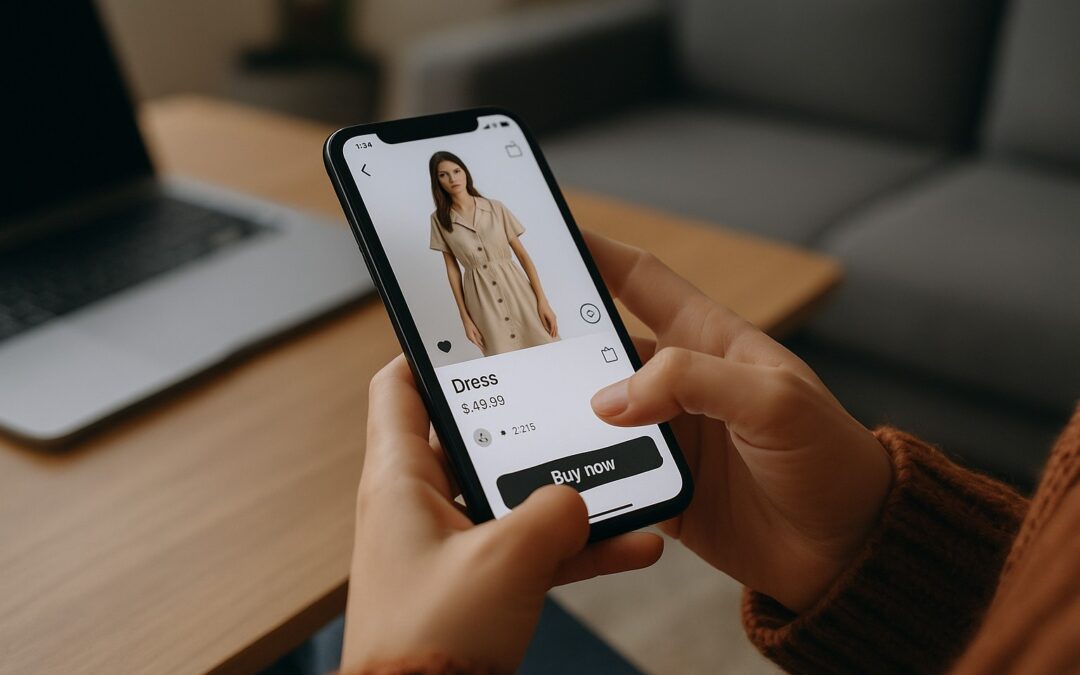
Social media has long been a powerful tool for building brand awareness and connecting with audiences. But in recent years, it has evolved beyond likes, shares, and comments. The rise of social commerce—shopping experiences integrated directly within social platforms—has transformed how businesses drive sales.
From Instagram’s shoppable posts to TikTok’s live shopping streams, social commerce is turning engagement into revenue. For businesses, the opportunity is enormous: meet customers where they already spend time and make the buying process frictionless.
What is Social Commerce?
Social commerce refers to the integration of e-commerce functionality directly into social media platforms. Instead of sending users to an external website, customers can browse, discover, and purchase products without leaving the app.
Examples include:
- Instagram Shopping tabs and shoppable posts
- TikTok Shop with influencer-led product showcases
- Facebook Shops for small businesses
- Pinterest “Buy” buttons on pins
This seamless experience caters to consumers’ desire for convenience while allowing brands to capitalize on the engagement they already generate on social media.
Why Social Commerce Matters
- Convenience Drives Conversions
When users don’t have to switch between platforms or re-enter payment details, the path to purchase is shorter. A smooth buying journey reduces drop-offs.
- Engagement Becomes Revenue
Traditional social media campaigns often focus on awareness. With social commerce, the likes, comments, and shares can directly translate into sales.
- Trust Through Community
Social commerce thrives on social proof. When users see friends, influencers, or communities endorsing products, the trust factor multiplies.
- Data for Personalization
Platforms gather insights from user interactions, enabling more personalized recommendations and targeted campaigns.
Strategies to Succeed in Social Commerce
1. Optimize Product Listings
High-quality visuals, engaging descriptions, and accurate pricing are crucial. Since users make quick decisions while scrolling, products should capture attention instantly.
2. Leverage Influencer Partnerships
Influencers play a critical role in social commerce. Their recommendations feel authentic, and their audiences are often ready to take action. Partnering with micro-influencers can be especially effective for niche products.
3. Experiment with Live Shopping
Live shopping events allow brands to showcase products, answer questions in real-time, and create urgency. Platforms like TikTok and Instagram Live make these experiences highly interactive.
4. Integrate User-Generated Content
Encouraging customers to share their experiences creates powerful social proof. Reposting customer reviews or photos builds authenticity that drives conversions.
5. Simplify Checkout Experiences
The fewer steps, the better. Ensure checkout options are quick, mobile-friendly, and compatible with popular payment methods like digital wallets.
Measuring Success in Social Commerce
Tracking performance is essential to refining social commerce strategies. Key metrics include:
- Engagement-to-conversion rate
- Average order value
- Return on ad spend (ROAS)
- Repeat purchase rates from social platforms
- Customer acquisition cost
Over time, these insights help businesses understand what resonates with audiences and how to maximize social commerce ROI.
Potential Challenges to Consider
While promising, social commerce does come with hurdles:
- Platform Dependence: Businesses risk over-reliance on a single platform’s algorithms or features.
- Trust Barriers: Some customers may hesitate to purchase directly within social apps.
- Data Privacy Concerns: With transactions happening on platforms, brands must remain mindful of data security and regulations.
Being aware of these challenges allows businesses to mitigate risks while capitalizing on opportunities.
Moving Forward with Social Commerce
Social commerce represents the future of online shopping, blending the social connections people value with the convenience of digital transactions. By meeting customers where they already are, brands can transform engagement into measurable sales.
The businesses that succeed will be those that combine strong storytelling, community trust, and seamless shopping experiences. For marketers, the message is clear: social commerce isn’t just a trend—it’s a lasting shift in how consumers discover and buy products.
by Research Team | Mar 10, 2025 | Artificial Intelligence, E-Commerce
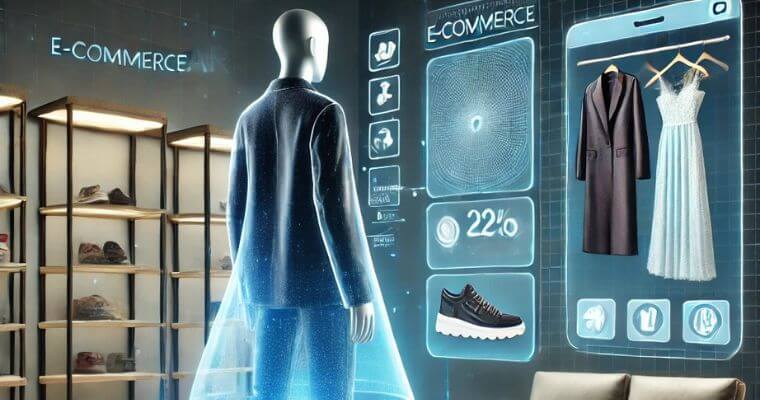
E-commerce is evolving at an unprecedented pace, and augmented reality (AR) is playing a pivotal role in shaping its future. By blending digital elements with real-world experiences, AR is transforming how consumers shop online, enhancing engagement, and reducing purchase hesitation. In this article, we explore how AR is revolutionizing e-commerce and what businesses can do to stay ahead.
The Role of Augmented Reality in E-commerce
Augmented reality bridges the gap between online shopping and in-store experiences by allowing customers to visualize products in real-world settings. Here are key areas where AR is making an impact:
- Virtual Try-Ons – AR-powered apps let users try on clothing, accessories, and makeup before purchasing.
- 3D Product Visualization – Customers can rotate and zoom in on 3D-rendered products to examine details.
- AR-Powered Home Décor – Shoppers can place virtual furniture and home accessories in their living spaces.
- Interactive Product Demos – Brands use AR to showcase how products function in real-world scenarios.
- Immersive In-Store Experiences – Retailers integrate AR in physical stores to provide additional product details and promotions.
Benefits of AR in Online Shopping
- Enhanced Customer Engagement
- AR keeps users engaged longer by offering interactive and immersive shopping experiences.
- Studies show that consumers are more likely to purchase products they can visualize in their own space.
- Reduced Return Rates
- AR minimizes the guesswork in online shopping, helping customers make informed decisions.
- Virtual try-ons and 3D previews reduce dissatisfaction and returns.
- Higher Conversion Rates
- AR-powered product previews build confidence, leading to increased conversions.
- Shopify reports that merchants using AR see conversion rates increase by up to 94%.
- Personalized Shopping Experiences
- AR tailors shopping experiences based on user preferences and behaviors.
- AI-driven AR suggests products that align with customers’ needs and past purchases.
Industries Benefiting from AR in E-commerce
- Fashion & Beauty
- Virtual fitting rooms allow customers to see how clothes, shoes, and makeup look on them.
- Brands like Sephora and Warby Parker use AR for virtual try-ons.
- Furniture & Home Decor
- Retailers like IKEA and Wayfair offer AR tools that let users place virtual furniture in their homes.
- Automotive
- Car manufacturers enable customers to explore vehicle interiors and exteriors through AR.
- Electronics
- AR-driven product demonstrations help customers understand how gadgets and appliances function.
Challenges of Implementing AR in E-commerce
- High Development Costs
- Building and maintaining AR-powered platforms require significant investment.
- Device Compatibility
- Not all consumers have devices capable of running AR experiences seamlessly.
- User Adoption
- Some shoppers may be unfamiliar with AR technology and hesitant to use it.
- Performance & Load Times
- High-quality AR experiences demand fast processing power and seamless performance.
Best Practices for Implementing AR in E-commerce
- Ensure a Seamless User Experience
- Optimize AR applications for speed and compatibility across multiple devices.
- Use intuitive interfaces to enhance ease of use.
- Offer Value-Driven AR Experiences
- Focus on solving customer pain points rather than adding AR for novelty.
- Ensure that AR tools genuinely improve the shopping experience.
- Leverage AI and Machine Learning
- Combine AR with AI to provide personalized recommendations and enhanced product interactions.
- Promote AR Features Effectively
- Educate customers about how to use AR tools via tutorials and demos.
- Highlight AR capabilities on product pages and marketing materials.
The Future of AR in E-commerce
As AR technology advances, its applications in e-commerce will continue to expand. Here’s what to expect:
- WebAR Integration – AR experiences will become more accessible directly through web browsers without requiring apps.
- AI-Powered AR Shopping Assistants – Virtual assistants will provide real-time product recommendations based on user preferences.
- Social Media AR Shopping – Platforms like Instagram and Snapchat will integrate AR-driven shopping features.
- Haptic Feedback AR – Users may soon be able to “feel” virtual textures using advanced haptic technology.
Final Reflections
Augmented reality is revolutionizing e-commerce, bridging the gap between digital and physical shopping experiences. As businesses adopt AR to enhance customer engagement, reduce returns, and boost sales, staying ahead of this trend will be crucial. By investing in AR-driven innovations, brands can create immersive and personalized shopping experiences that define the future of online retail.
Are you ready to integrate AR into your e-commerce strategy? Now is the time to explore the endless possibilities of AR-powered shopping.
by Research Team | Feb 19, 2025 | Digital Marketing, E-Commerce
As technology continues to reshape the marketing landscape, geo-fencing, and hyperlocal marketing have emerged as powerful tools for businesses to target consumers with precision. By delivering location-based digital ads, brands can drive foot traffic, increase local engagement, and boost conversions. Let’s explore how these strategies work and how your business can benefit from them.
What Is Geo-Fencing?
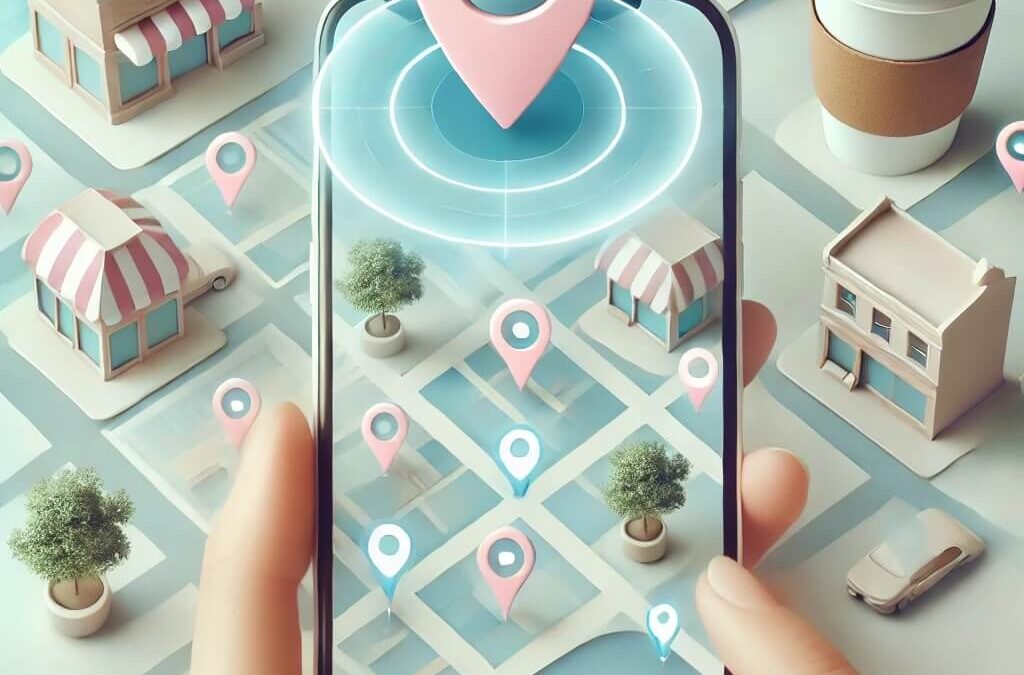
Geo-fencing is a location-based marketing strategy that uses GPS, RFID, Wi-Fi, or cellular data to create a virtual boundary around a specific geographic area. When a mobile device enters or exits this boundary, it triggers a predefined action, such as sending a push notification, displaying an ad, or delivering an SMS.
What Is Hyperlocal Marketing?
Hyperlocal marketing takes geofencing a step further by targeting a highly specific area, often within a one-mile radius of a business. This strategy focuses on engaging customers who are in close proximity and ready to take immediate action, such as visiting a store or restaurant.
Why Geo-Fencing and Hyperlocal Marketing Matter
These strategies are gaining traction because they address two key marketing objectives:
- Relevance: Ads are highly targeted, making them more likely to resonate with consumers.
- Timeliness: Real-time engagement encourages immediate action, such as visiting a nearby store or redeeming an offer.
According to a report by BIA Advisory Services, U.S. businesses spent over $26 billion on location-targeted mobile ads in 2023, and this figure is expected to grow significantly in the coming years.
Benefits of Geo-Fencing and Hyperlocal Marketing
- Increased Foot Traffic
- Targeting users near your business increases the likelihood of physical visits.
- For example, a coffee shop can send a discount offer to users within a half-mile radius during morning hours.
- Higher Conversion Rates
- Location-based ads are more relevant, resulting in better click-through rates (CTR) and conversions.
- Customers are more likely to act on offers when they are nearby.
- Improved Customer Engagement
- Personalized messages based on location create a stronger connection with consumers.
- Localized campaigns build community trust and loyalty.
- Cost-Effectiveness
- Geo-fencing ensures your ads reach a targeted audience, reducing wasted ad spend.
- You’re not paying for impressions from users outside your service area.
How to Implement Geo-Fencing and Hyperlocal Marketing
- Define Your Target Area
- Identify the geographic locations where your audience is most likely to engage.
- For example, a retail store might set up a geo-fence around a shopping mall or competitor locations.
- Set Clear Goals
- Determine what you want to achieve, such as increased store visits, higher sales, or more app downloads.
- Align your goals with measurable KPIs like foot traffic, CTR, or conversion rates.
- Choose the Right Tools
- Platforms like Google Ads, Facebook Ads, and specialized location-based marketing tools like Simpli.fi or GroundTruth can help implement geo-fencing campaigns.
- Ensure your platform supports accurate location tracking and reporting.
- Create Compelling Offers
- Use limited-time promotions, discounts, or exclusive deals to entice customers.
- For example, a restaurant could send “Happy Hour” notifications to users within a specific radius.
- Optimize Ad Creatives
- Use visuals and copy that resonate with a local audience.
- Include location-specific language, such as “Just around the corner” or “Near [landmark].”
- Leverage Analytics
- Monitor performance metrics like impressions, clicks, and in-store visits.
- Use the data to refine targeting and improve future campaigns.
Best Practices for Success
- Respect User Privacy
- Ensure compliance with data privacy laws like GDPR or CCPA.
- Obtain user consent before collecting location data.
- Avoid Overloading Users
- Limit the frequency of notifications or ads to avoid annoyance.
- Focus on quality over quantity when delivering messages.
- Test and Iterate
- Run A/B tests to determine what resonates best with your audience.
- Experiment with different offers, messaging, and geo-fence sizes.
- Integrate with Other Channels
- Combine geo-fencing with email marketing, social media, or loyalty programs for a cohesive strategy.
- Encourage customers to share offers or promotions with friends.
Real-World Use Cases
- Retail Stores
- A clothing store sets up a geo-fence around a busy shopping area and sends a 20% discount offer to nearby shoppers.
- Restaurants and Cafés
- A café targets morning commuters with “Buy One, Get One Free” coffee deals.
- Event Marketing
- An event organizer uses hyperlocal marketing to attract attendees within a 1-mile radius of a venue.
- Healthcare Providers
- Clinics send reminders for flu shots or health check-ups to users near their location.
- Real Estate
- Realtors promote open house events to potential buyers in nearby neighborhoods.
Challenges of Geo-Fencing and Hyperlocal Marketing
- Accuracy: Poor location data can lead to irrelevant ads being served to users outside the target area.
- Privacy Concerns: Collecting location data requires transparency and user consent.
- Ad Fatigue: Overusing geo-fencing can lead to user disengagement if ads become repetitive or intrusive.
- Initial Setup Costs: Implementing location-based marketing may require significant investment in tools and resources.
The Future of Geo-Fencing and Hyperlocal Marketing
As technology evolves, geo-fencing and hyperlocal marketing are poised to become even more sophisticated. Emerging trends include:
- 5G Connectivity: Faster data speeds will enable more precise and real-time location tracking.
- AI and Machine Learning: Advanced algorithms will refine targeting and predictive analytics.
- Wearable Devices: Integration with smartwatches and other wearables will expand the scope of location-based marketing.
- Augmented Reality (AR): Combining geo-fencing with AR can create immersive, location-specific experiences for users.
Key Takeaways
Geo-fencing and hyperlocal marketing are transforming how businesses engage with local audiences. By delivering timely, relevant, and personalized ads, brands can drive foot traffic, boost sales, and build stronger connections with their communities. While challenges exist, advancements in technology and analytics will continue to enhance the effectiveness of these strategies.
Ready to attract more local customers? Start leveraging geo-fencing and hyperlocal marketing today to maximize your business’s reach and impact.

by Research Team | Jan 17, 2025 | Branding, Digital Marketing, E-Commerce
In today’s digitally connected world, consumers interact with brands across multiple touchpoints—social media, websites, email, physical stores, and mobile apps. To thrive in this environment, businesses must adopt an omnichannel marketing strategy that delivers a cohesive and seamless brand experience. This approach ensures that customers receive consistent messaging and functionality regardless of the channel they choose. In this blog post, we’ll explore what omnichannel marketing is, its benefits, and how to implement it effectively.
What is Omnichannel Marketing?
Omnichannel marketing is the integration and coordination of a brand’s messaging, content, and customer experience across various platforms and devices. Unlike multichannel marketing, which focuses on engaging customers on multiple channels without necessarily connecting them, omnichannel marketing ensures that these channels work together to create a unified customer journey.
Key features of omnichannel marketing include:
- Consistency: Messaging, branding, and functionality remain uniform across all platforms.
- Customer-Centricity: Strategies revolve around providing a seamless and personalized experience for the customer.
- Data Integration: Insights from various touchpoints are consolidated to offer a holistic view of customer behavior.
Benefits of Omnichannel Marketing: Why It Matters
1. Enhanced Customer Experience
Omnichannel marketing puts the customer at the center of every strategy. By providing consistent and seamless interactions, businesses can:
- Reduce friction during the customer journey.
- Meet customer expectations for convenience and personalization.
- Strengthen brand loyalty.
2. Improved Customer Retention
A unified experience encourages customers to stay engaged with the brand. According to research, businesses with strong omnichannel strategies retain an average of 89% of their customers compared to 33% for those with weak strategies.
3. Higher Conversion Rates
Omnichannel marketing ensures that customers receive relevant messaging at the right time and place, increasing the likelihood of conversions and showcasing the benefits of omnichannel marketing. For example:
- A customer browsing a product on a mobile app might receive a follow-up email with a discount.
- In-store shoppers can access online reviews or personalized offers via their smartphones.
4. Better Data Insights
Consolidating data from multiple channels allows businesses to:
- Understand customer preferences and behaviors.
- Identify successful touchpoints and areas for improvement.
- Optimize marketing strategies based on comprehensive insights.
How to Implement an Omnichannel Marketing Strategy
1. Understand Your Audience
The foundation of any successful omnichannel strategy is a deep understanding of your audience. Use tools like customer surveys, focus groups, and analytics platforms to:
- Identify customer demographics.
- Map out typical customer journeys.
- Recognize preferred channels and pain points.
2. Leverage Technology for Data Integration
To create a unified experience, businesses need to integrate data from various touchpoints. Consider investing in tools like:
- Customer Relationship Management (CRM) Systems: Centralize customer data to track interactions across channels.
- Marketing Automation Platforms: Automate personalized messaging based on customer behavior.
- Analytics Tools: Gain actionable insights to refine strategies.
3. Personalize Customer Interactions
Personalization is a cornerstone of omnichannel marketing. Use real-time data to tailor interactions such as:
- Dynamic website content that adapts to user preferences.
- Personalized email campaigns based on browsing or purchase history.
- In-store recommendations informed by online activity.
4. Ensure Channel Integration
Omnichannel success relies on seamless channel integration. Examples include:
- Allowing customers to start a purchase online and complete it in-store.
- Synchronizing shopping carts across devices.
- Providing consistent customer service whether via email, social media, or phone.
5. Test and Optimize
Regularly evaluate the performance of your omnichannel strategy. Use metrics such as customer satisfaction scores, conversion rates, and engagement levels to:
- Identify what’s working.
- Address gaps in the customer experience.
- Continuously refine your approach.
Real-World Examples of Omnichannel Marketing: Proven Success Stories
1. Starbucks
Starbucks’ rewards program exemplifies omnichannel excellence. This Starbucks omnichannel strategy highlights how seamless integration across platforms enhances user convenience and loyalty. Customers can reload their cards via the app, website, or in-store and see real-time updates across all platforms. This seamless integration enhances user convenience and loyalty.
2. Sephora
Sephora combines online and in-store experiences through features like:
- Virtual try-ons via their app.
- Personalized product recommendations.
- In-store tablets for accessing customer profiles and preferences.
3. Nike
Nike’s omnichannel strategy connects its physical stores, website, and mobile app. This Nike seamless shopping experience ensures customers enjoy real-time inventory updates and interactive in-store engagement. Features include:
- Real-time inventory updates.
- App-based rewards and discounts.
- Interactive in-store experiences, such as customization stations.
Challenges of Omnichannel Marketing
While the benefits of omnichannel marketing are substantial, businesses may face challenges, including:
- Data Silos: Ensuring seamless data sharing between departments and platforms can be complex.
- Resource Constraints: Implementing and maintaining an omnichannel strategy requires significant investment in technology and expertise.
- Maintaining Consistency: Delivering consistent experiences across multiple channels requires ongoing monitoring and optimization.
Future Trends in Omnichannel Marketing
- AI-Powered Personalization: Advanced AI tools will enable even greater levels of personalization across touchpoints.
- Voice Commerce Integration: With the rise of voice search, brands will need to adapt their omnichannel strategies for voice-enabled devices.
- Augmented Reality (AR): AR tools will bridge the gap between online and in-store experiences, offering interactive product previews.
- Sustainability Integration: More brands will incorporate eco-friendly practices into their omnichannel strategies to appeal to conscious consumers.
Concluding Perspectives
Omnichannel marketing is no longer optional; it’s essential for meeting the expectations of today’s tech-savvy consumers. By delivering consistent, personalized, and seamless experiences across all touchpoints, businesses can foster customer loyalty, drive conversions, and gain a competitive edge. Now is the time to embrace omnichannel marketing and transform how your brand connects with its audience.
by Research Team | Jan 9, 2025 | Digital Marketing, E-Commerce, Social Media
As digital technology evolves, the lines between social interaction and online shopping continue to blur. Enter Social Commerce 2.0, where platforms like Instagram, TikTok, and Facebook have transformed into immersive shopping ecosystems. With interactive features and seamless purchasing processes, social commerce has become a pivotal strategy for brands aiming to engage their audience and drive sales. This post explores how to leverage Social Commerce 2.0 to create interactive shopping experiences that delight customers and boost conversion rates.
The Rise of Social Commerce
Social commerce—the integration of e-commerce with social media platforms—is not a new concept. However, the transition to Social Commerce 2.0 represents a significant shift in how brands engage consumers. This evolution is characterized by:
- Shoppable Posts: Platforms like Instagram and Pinterest allow users to purchase products directly from posts.
- Live Shopping Events: Brands host live streams where users can shop in real-time.
- Interactive Features: Tools like polls, quizzes, and augmented reality (AR) enhance the shopping experience.
This seamless blend of social interaction and purchasing has turned social commerce into a $1 trillion industry, with no signs of slowing down.
Key Features of Social Commerce 2.0
1. Live Shopping
Live shopping events combine entertainment and e-commerce, enabling brands to showcase products while engaging with viewers. Platforms like TikTok and Facebook offer live shopping features where customers can:
- Watch product demonstrations.
- Interact with hosts via comments.
- Make purchases without leaving the stream.
This real-time engagement fosters trust and creates a sense of urgency, driving sales.
2. AR and VR Integration
Augmented and virtual reality tools are revolutionizing how customers interact with products online. For example:
- AR Try-Ons: Brands like Sephora let users virtually try makeup or accessories.
- Virtual Showrooms: Furniture retailers use VR to showcase products in a simulated room.
These features reduce uncertainty and enhance the customer’s confidence in their purchase.
3. Interactive Content
Interactive features like polls, quizzes, and interactive videos allow customers to engage with brands while discovering products. For instance:
- A clothing brand might use a quiz to help users find their ideal style.
- Polls on Instagram Stories can gauge interest in upcoming product launches.
Interactive content not only entertains but also provides valuable insights into customer preferences.
4. Seamless Checkout
The hallmark of Social Commerce 2.0 is its frictionless purchasing process. By integrating secure payment gateways directly into the platform, social commerce eliminates the need for users to navigate external websites. This reduces cart abandonment rates and improves conversion rates.
Best Practices for Building Interactive Shopping Experiences
1. Leverage Data Analytics
Social commerce platforms offer robust analytics tools to help brands understand their audience. Use these insights to:
- Identify trending products.
- Optimize content for engagement.
- Refine targeting for ads.
2. Collaborate with Influencers
Influencers play a vital role in social commerce by bridging the gap between brands and consumers. Partnering with micro- or macro-influencers can:
- Boost credibility and trust.
- Drive traffic to shoppable content.
- Amplify brand reach through authentic storytelling.
3. Prioritize Mobile Optimization
With most social commerce transactions occurring on mobile devices, ensure that:
- Content is mobile-friendly.
- Checkout processes are quick and intuitive.
- Visuals and videos load seamlessly on smaller screens.
4. Create FOMO with Limited-Time Offers
Scarcity and urgency are powerful motivators. Incorporate limited-time offers or exclusive deals during live shopping events to encourage immediate purchases.
5. Engage Through Two-Way Communication
Social commerce thrives on interaction. Respond to comments, host Q&A sessions, and encourage user-generated content to build a loyal community around your brand.
Benefits of Social Commerce 2.0
1. Increased Engagement
Interactive features keep users engaged for longer, increasing the likelihood of conversions. For example, a live shopping session can captivate an audience for hours while showcasing multiple products.
2. Enhanced Brand Trust
Real-time interactions, influencer endorsements, and transparent reviews build consumer trust, a key driver of online sales.
3. Improved Customer Insights
Every click, comment, and purchase provides valuable data. Brands can leverage these insights to refine their strategies and predict future trends.
4. Higher Conversion Rates
By minimizing friction in the buying process, social commerce ensures a smoother journey from discovery to purchase, resulting in higher conversion rates.
Challenges of Social Commerce 2.0
Despite its benefits, social commerce comes with challenges, including:
- Platform Dependence: Relying heavily on one platform can be risky if algorithms or policies change.
- Content Overload: Standing out in a crowded social media landscape requires creativity and consistency.
- Privacy Concerns: Ensuring secure transactions and protecting user data is critical.
Future Trends in Social Commerce
1. AI-Driven Personalization
AI algorithms will enable hyper-personalized shopping experiences by recommending products based on user behavior and preferences.
2. Integration with Web3
As blockchain technology evolves, expect to see decentralized social commerce platforms that offer greater transparency and control to users.
3. Expanded AR and VR Capabilities
Enhanced AR and VR features will make online shopping even more immersive, bridging the gap between in-store and digital experiences.
Final Thoughts
Social Commerce 2.0 represents a paradigm shift in how brands connect with consumers. By embracing live shopping, AR tools, interactive content, and seamless checkout processes, businesses can create memorable shopping experiences that drive engagement and sales. As this space continues to evolve, staying ahead of trends and prioritizing customer-centric strategies will be key to success. Now is the time to leverage the power of social commerce and transform how your brand engages with the digital marketplace.