
by Research Team | Jan 13, 2026 | Branding, Digital Marketing
Colors are more than visual decoration. They influence perception, trigger emotions, and even affect decision-making. In digital marketing, the psychology of color plays a critical role in shaping customer experiences and guiding conversions. From the shades used in logos to the palette of a landing page, every color choice carries meaning that can impact how audiences respond to a brand.
Understanding the psychology behind color allows marketers to design campaigns that not only look appealing but also connect with audiences on an emotional level. When done right, color becomes a subtle yet powerful tool for driving engagement and encouraging action.
Why Color Matters in Marketing
Colors shape how people interpret information, often within seconds. A visitor to a website might decide whether to stay or leave almost instantly, influenced by the visual impression created by the design. Beyond first impressions, colors reinforce brand identity, evoke emotions, and nudge behavior in subtle ways.
Research shows that people associate different colors with distinct feelings and responses. For example, warm tones may stimulate excitement or urgency, while cooler hues can inspire calmness or trust. By intentionally choosing colors, marketers can align visual design with their brand’s personality and objectives.
Emotional Impact of Colors
Although responses to color can vary across cultures and individuals, some common associations are widely recognized:
- Red often communicates energy, urgency, and passion, making it effective for limited-time offers or calls to action.
- Blue conveys trust, stability, and calmness, frequently chosen by brands that want to establish reliability.
- Green suggests growth, balance, and health, commonly used in industries related to sustainability or wellness.
- Yellow signals optimism and warmth, helping to capture attention and create a sense of positivity.
- Black represents sophistication, elegance, and power, often seen in luxury branding.
- Orange and Purple can express creativity, innovation, or friendliness, depending on the context.
By understanding these associations, brands can select palettes that resonate with their intended audience and marketing goals.
Using Color to Guide Conversions
Colors influence more than emotion—they also affect user behavior. A strategically chosen color for a call-to-action button can draw the eye and encourage clicks. Contrast between background and foreground colors improves readability and directs attention to the most important elements on a page.
Pairing neutral tones with a bold accent color, for example, can make key actions stand out without overwhelming the viewer. Similarly, aligning color choices with brand identity ensures that campaigns feel consistent and trustworthy. The goal is not just to make something look good but to design with intention, ensuring that every visual choice supports engagement and conversion.
Consistency Across Platforms
A consistent color strategy strengthens brand recognition. When customers see the same palette across websites, emails, and social media, they begin to associate those colors with the brand itself. This repetition builds familiarity, which in turn fosters trust.
Marketers should create style guides that define primary and secondary colors, ensuring that design remains cohesive across platforms. Consistency does not mean rigidity, however—there is still room to experiment with seasonal campaigns or product launches while keeping the core palette intact.
Cultural and Contextual Considerations
Color meanings are not universal. A shade that inspires positivity in one culture may carry negative connotations in another. Similarly, context matters—red on a clearance banner may signal urgency, but the same color in a wellness app might feel overwhelming.
Marketers must be mindful of their audience’s cultural background and the setting in which colors appear. Testing variations with different audience groups can reveal how colors influence perception and performance across segments.
Challenges in Applying Color Psychology
While color can be powerful, it is not a magic formula. Overemphasis on color alone without considering layout, typography, and messaging can result in designs that miss the mark. Personal preferences also play a role; what inspires one customer may not resonate with another.
The key is to view color as part of a larger toolkit—one that works best when combined with strong copy, clear calls to action, and user-friendly design.
Practical Tips for Marketers
Applying color psychology effectively requires a balance of creativity, strategy, and testing. Rather than simply choosing colors that look attractive, marketers should approach each decision with a clear understanding of the emotions and behaviors they want to inspire. Here are some extended guidelines to consider:
- Audit existing brand materials thoroughly. Review your website, email templates, ads, and social media presence to evaluate whether your current palette reflects the emotions you want to communicate. A brand that aims to inspire trust and calmness but relies heavily on bright reds may be unintentionally sending mixed signals.
- Leverage contrast strategically. Strong contrast between background and foreground colors draws attention to calls to action, but overuse of bold tones can overwhelm users. Striking the right balance ensures clarity without creating visual fatigue.
- Test and measure performance. A/B testing different button colors, banner designs, or landing page palettes can reveal which combinations drive engagement and conversions. Insights from these tests help refine color strategies for future campaigns.
- Prioritize accessibility and inclusivity. Consider how colors appear to audiences with visual impairments, such as color blindness. Ensuring sufficient contrast and clarity improves usability and demonstrates respect for all customers.
- Document and maintain style guides. A well-defined guide that outlines primary and secondary colors helps teams stay consistent across campaigns and platforms. This consistency reinforces brand identity while still allowing room for creative variations during seasonal promotions or special events.
- Adapt colors for context and culture. Recognize that colors carry different meanings across cultures and situations. Testing localized palettes or adjusting tones for specific contexts ensures relevance while avoiding misinterpretation.
By approaching color psychology with both intention and flexibility, marketers can move beyond aesthetics and design experiences that inspire trust, guide behavior, and ultimately encourage conversions.
Final Perspective
Color is not just about aesthetics; it is a psychological lever that influences how customers perceive brands, engage with content, and decide to act. By understanding the emotional and behavioral impact of different hues, marketers can design experiences that feel both visually compelling and strategically effective.
In a digital environment where every detail matters, the psychology of color offers a way to connect with audiences at a deeper level—turning simple design choices into meaningful drivers of trust, engagement, and conversion.

by Research Team | Aug 15, 2025 | Branding, Content Marketing, Social Media
In a world where trust in advertising is fading and authenticity drives buying decisions, User-Generated Content (UGC) has emerged as one of the most powerful assets in digital marketing. It’s organic, cost-effective, and resonates deeply with audiences who crave genuine experiences over polished promotions.
But UGC isn’t just a fleeting trend—it’s a long-term content strategy. When brands encourage, collect, and showcase content created by real customers, they not only boost credibility but also nurture a stronger, more engaged community.
This post explores what UGC is, why it works so effectively, and how to make it a scalable part of your marketing strategy.
What is User-Generated Content?
User-Generated Content refers to any form of media—photos, videos, reviews, testimonials, blog posts, or social media mentions—created and shared by consumers rather than brands.
Unlike influencer collaborations or brand-owned content, UGC is typically unpaid and produced voluntarily. Common types include:
- Instagram posts showing product use
- TikTok videos of real-time experiences
- Five-star reviews on your website or app
- Unboxings on YouTube
- Testimonials shared in Facebook groups
At its heart, UGC is digital word-of-mouth. And in today’s social-first environment, that word travels fast.
Why UGC is So Effective
Builds Trust and Credibility
Today’s buyers are skeptical of marketing messages. Seeing real people endorse a product or service builds credibility and reassures prospective buyers that they’re making a good decision.
Drives Engagement
UGC invites participation. When people see others like them being celebrated by a brand, they’re more likely to interact, whether that means commenting, sharing, or creating their own post.
Enhances Authenticity
Highly produced visuals can feel distant. UGC shows real people in real moments, creating an emotional connection that polished ads often lack.
Boosts Conversions
When a customer sees relatable content or social proof during their journey, they’re more likely to complete a purchase. That confidence is critical—especially for first-time buyers.
Saves Time and Resources
Instead of producing every asset in-house, UGC allows you to scale content creation using your existing customer base. Less pressure on your creative team, more content to work with.
Types of User-Generated Content You Can Use
- Customer Photos and Videos – Feature in ads, email banners, and social feeds
- Testimonials and Reviews – Add to product pages or thank-you emails
- Hashtag Campaigns – Organize UGC submissions with branded tags
- Unboxings and How-To Videos – Perfect for ecommerce, skincare, tech, or lifestyle brands
- Live Social Proof Widgets – Display on your homepage, landing pages, or cart pages
How to Encourage UGC from Your Customers
Make Participation Easy
Don’t overcomplicate the ask. Provide a clear call-to-action: post a photo, tag the brand, or use a hashtag. Simple steps increase follow-through.
Offer Light Incentives
A small discount, giveaway entry, or feature on your brand’s page can motivate customers to create and share content, without making the exchange feel transactional.
Celebrate Contributions Publicly
Regularly highlight users who share content about your brand. It shows appreciation and encourages more participation.
Create UGC-First Campaigns
Design campaigns around UGC. For instance, a monthly “fan of the week,” or a themed challenge around seasonal products.
Integrate UGC into Key Touchpoints
Add UGC prompts on thank-you pages, email receipts, and packaging inserts. Customers are often most excited right after a purchase.
Where to Use UGC Across Your Channels
- Social Media – Posts, Stories, Highlights, and Reels
- Paid Ads – Especially for testimonials, product lifestyle shots, or before-and-after images
- Email Campaigns – Add authenticity to newsletters, promos, and onboarding sequences
- Your Website – Use in product galleries, review sections, or homepage carousels
- Landing Pages – Insert customer quotes or videos to build trust
- Packaging Materials – Prompt users to post using QR codes or hashtags
Legal Considerations
Before you repost or repurpose UGC:
- Always request permission, especially for use in advertising
- Give credit—mention or tag the original creator where possible
- Use rights management tools like TINT, Stackla, or Pixlee for campaigns at scale
- Be transparent if you’re running a contest or providing compensation
Building trust means respecting your community’s content.
Metrics to Track UGC Effectiveness
To measure UGC’s impact, monitor:
- Engagement rates on UGC posts
- CTR and conversions on UGC-based ads
- Sales uplift when UGC is displayed on product pages
- Campaign reach and hashtag usage
- Content submissions over time
These metrics help you understand not just performance, but also the growth and health of your brand community.
UGC Isn’t a Campaign—It’s a Culture
User-Generated Content isn’t a one-off strategy—it’s a way of marketing with your customers, not just to them. When people feel seen and appreciated, they’re more likely to stay loyal, share their story, and bring others with them.
By tapping into the creativity, authenticity, and enthusiasm of your audience, your brand can build deeper trust, stronger engagement, and a marketing engine that scales organically.
Want to build a UGC strategy that feels natural, scalable, and community-focused? Start by listening—and then celebrate what your customers are already saying.

by Research Team | Apr 11, 2025 | Branding, Digital Marketing
In the ever-evolving digital landscape, brands are no longer limited to visual identities. Sonic branding—the strategic use of sound to establish brand recognition—is now a critical component of modern marketing. From AI-generated voiceovers to smart speaker ads and immersive sound experiences, brands are leveraging audio to create deeper emotional connections with consumers.
With the rise of voice search, interactive audio ads, and AI-driven sound personalization, businesses must rethink their approach to branding. This article explores the impact of sonic branding, how brands can use it effectively, and what the future holds for audio marketing.
The Rise of Sonic Branding
Consumers are exposed to thousands of visual ads daily, but sound cuts through the noise, creating instant brand recall. Major companies like Intel, Netflix, and McDonald’s have capitalized on sonic logos that are instantly recognizable. But sonic branding is evolving beyond simple jingles into a multisensory, AI-driven experience.
Key developments include:
- Smart Speaker & Voice Assistant Ads – More than 50% of US households now own smart speakers like Alexa, Google Assistant, and Siri.
- AI-Powered Audio Personalization – Spotify and Pandora use AI to recommend music and serve tailored audio ads based on listener behavior.
- Binaural & 3D Audio Experiences – Brands are using immersive, spatial soundscapes to enhance storytelling and customer engagement.
- Voice Search Optimization – As voice search grows, brands must adapt their content for audio-first search results.
- Audio NFTs & Blockchain-Based Music Branding – Companies are exploring decentralized ways to own and distribute branded audio assets.
Benefits of Sonic Branding
1. Instant Brand Recognition
A signature sound can create a lasting impression, much like a logo or color scheme. A well-designed sonic identity enhances recall and emotional connection.
2. Enhancing Customer Experience
Brands use sound to improve UX, from subtle interface sounds in mobile apps to background audio in physical retail spaces. Airlines, hotels, and e-commerce platforms use branded soundscapes to create immersive experiences.
3. Emotional Connection & Trust
Studies show that music triggers emotional responses, making it a powerful tool for brand storytelling and customer loyalty. Sonic branding helps convey brand personality, whether it’s excitement, calmness, or innovation.
4. Seamless Integration Across Platforms
Sonic branding works across multiple channels, including social media, podcasts, streaming services, mobile apps, and in-store experiences. With the rise of connected cars and smart homes, sonic branding ensures consistency across new touchpoints.
5. Boosting Engagement & Conversion Rates
Brands that integrate sound effectively see higher engagement and recall rates. Studies indicate that audio ads have 24% higher recall than traditional display ads, making sonic branding a valuable investment.
How Brands Can Implement Sonic Branding
1. Develop a Signature Sonic Identity
Just like a visual logo, a brand should have a consistent, memorable sound that aligns with its values. This can be a:
- Sonic Logo (e.g., Netflix’s iconic “ta-dum” sound)
- Custom Music Track (e.g., McDonald’s “I’m Lovin’ It” jingle)
- Voice Identity (e.g., AI-generated brand voices like Alexa’s personality)
2. Optimize for Voice Search & Smart Speakers
With the rise of voice search, brands should adjust their SEO strategy to rank in audio-based search results. This includes:
- Structuring content for conversational queries
- Creating audio blogs and voice-first content
- Optimizing product descriptions for voice-driven e-commerce
3. Leverage Interactive & AI-Powered Audio Ads
Brands can create customized, AI-driven audio ads that adjust dynamically to user preferences. Spotify and Pandora’s dynamic ads change in real time based on user listening habits, increasing personalization.
4. Use Binaural & 3D Audio for Immersive Marketing
Binaural audio creates 3D soundscapes that enhance customer experiences, especially in VR and AR marketing. Fashion brands, for instance, are experimenting with virtual fashion shows featuring spatial audio.
5. Integrate Sonic Branding in Customer Journeys
From branded hold music to custom sounds in mobile apps, every touchpoint should reinforce a brand’s sonic identity. Retail brands are using sound to shape in-store atmospheres, influencing purchasing behavior.
6. Experiment with ASMR & Sound Therapy in Branding
The rise of ASMR (Autonomous Sensory Meridian Response) marketing shows that sound can be used to create calming, engaging experiences. Luxury brands and wellness companies are increasingly using soothing branded soundscapes to attract audiences.
Future Trends in Audio Marketing
- AI-Generated Audio Personalization – AI will create hyper-personalized sound experiences, adjusting music and branding tones based on user data.
- Voice-Activated Commerce (V-Commerce) – Consumers will increasingly use voice assistants for shopping, requiring brands to optimize for audio-first purchases.
- Metaverse & Spatial Audio – Brands will leverage spatial audio in VR and metaverse experiences, offering fully immersive sound branding.
- Neural Interface Audio – Future wearable technology may integrate brain-computer interfaces for personalized audio experiences.
- Branded ASMR & Sound Therapy – ASMR and calming brand soundscapes will be used to create deeper emotional engagement.
- Blockchain & Audio NFTs – Decentralized audio branding may become a key strategy for companies to own, distribute, and monetize their sound assets.
- Automated Podcast Sponsorship Matching – AI will match brands with podcasts and influencers based on listener demographics for hyper-relevant advertising.
The Future of Sonic Branding
Sonic branding is no longer just an add-on—it’s a core component of future-proof marketing strategies. As AI, voice search, and immersive sound technology continue to evolve, brands must create memorable, engaging, and interactive sonic experiences.
With smart speakers, AR, VR, and the metaverse expanding, brands that fail to invest in sonic branding risk falling behind. The future of marketing is multi-sensory, and audio will play a crucial role in shaping brand perception and consumer behavior.
Companies that invest in smart, adaptive sound strategies will stand out in the crowded digital space, forging deeper consumer connections and driving long-term brand loyalty.
Is your brand ready for the future of audio marketing? Now is the time to harness the power of sound to elevate your brand identity in 2025 and beyond.
by Research Team | Mar 21, 2025 | Branding, Digital Marketing, Social Media, Video Marketing
User-generated content (UGC) has become a cornerstone of modern marketing. As consumers increasingly value authenticity, brands leveraging content created by their customers can foster deeper engagement, enhance credibility, and boost conversions. In 2025, UGC is expected to play an even more pivotal role in marketing strategies, driven by evolving consumer behaviors and advancements in digital technology.
This article explores the benefits of UGC, strategies to maximize its impact, and future trends that businesses should consider.
Why User-Generated Content Matters
- Authenticity and Trust – Consumers are more likely to trust recommendations from their peers than brand advertisements. UGC provides genuine experiences that enhance credibility. Brands that showcase real user stories build stronger emotional connections with their audience.
- Cost-Effective Marketing – Instead of investing heavily in branded content creation, businesses can leverage user contributions to build a robust content pipeline at minimal cost. By incentivizing customers to share their experiences, brands can generate a continuous flow of marketing materials without excessive expenditure.
- Improved Engagement – UGC fosters community participation, encouraging users to interact with brands through reviews, testimonials, and creative submissions. When customers see their content featured by a brand, they feel valued and are more likely to continue engaging.
- SEO and Visibility Boost – Search engines favor fresh and diverse content. UGC helps improve search rankings by generating organic content across various platforms. Optimized user reviews, blog comments, and social media posts contribute to higher domain authority.
- Social Proof for Conversions – Seeing real customers use and recommend a product influences purchasing decisions, leading to higher conversion rates. Testimonials, customer photos, and unboxing videos provide tangible evidence of a product’s value.
Strategies for Maximizing UGC in 2025
1. Encourage UGC through Contests and Campaigns
Running social media contests or branded challenges can motivate customers to create content around your products or services. Hashtag campaigns and rewards-based programs can drive engagement and participation. For example, brands can host a photo contest where users submit their best images using a product, with the best entries receiving prizes.
2. Feature UGC Across Marketing Channels
Brands should incorporate UGC into their websites, emails, product pages, and advertisements. Customer photos, reviews, and videos can enhance credibility and boost conversions. A dedicated UGC gallery on an e-commerce site or an Instagram highlight featuring customer testimonials can further amplify this content.
3. Leverage Influencer and Micro-Influencer UGC
Partnering with influencers to create authentic user-driven content can amplify reach. Micro-influencers, in particular, tend to have higher engagement rates and stronger community trust. Their content feels more personal and relatable, making it more effective in driving conversions.
4. Implement AI-powered UGC Curation
AI-driven tools can help brands filter, analyze, and display the most relevant UGC. Automated moderation ensures brand safety while optimizing content discovery. Platforms like visual recognition software can detect brand logos and identify high-quality UGC for redistribution.
5. Enhance Interactive UGC Experiences
Incorporating UGC in augmented reality (AR) filters, live streams, and interactive platforms can create immersive brand experiences, encouraging greater user participation. Brands like Sephora and IKEA have successfully used AR-driven UGC to allow customers to showcase product usage in real-life settings.
6. Prioritize UGC in Customer Reviews and Testimonials
Encouraging customers to leave detailed reviews, share unboxing experiences, or post before-and-after photos can add credibility and influence buying decisions. Brands can offer discounts or loyalty points in exchange for high-quality review content.
7. Integrate UGC into Paid Advertising
Using real customer testimonials and user-generated visuals in ads can significantly improve engagement and conversion rates compared to traditional brand-created ads. Studies show that ads featuring UGC perform better in terms of click-through rates and consumer trust.
The Future of UGC: Trends to Watch in 2025
- AI-Generated Personalized UGC Experiences – Brands will use AI to personalize UGC recommendations for individual users based on browsing behavior and preferences. AI-driven content curation will ensure that customers see content that is most relevant to their interests.
- Decentralized Content Platforms – With the rise of blockchain and Web3, users will have more control over their content, potentially earning rewards for contributions. Brands may leverage decentralized platforms where creators are fairly compensated for their content.
- Voice and Video UGC Expansion – Short-form video and voice content will dominate UGC trends, with platforms emphasizing video testimonials and voice-based interactions. The rise of platforms like TikTok, Instagram Reels, and voice-enabled searches will make video and audio UGC even more critical.
- Greater Brand-Consumer Collaboration – Brands will co-create content with their audience, offering more participatory experiences rather than one-sided messaging. Features like real-time polls, interactive Q&A sessions, and crowdsourced product ideas will strengthen consumer relationships.
- Increased Regulation and Ethical Considerations – As UGC continues to grow, brands must ensure ethical sourcing, transparency, and compliance with content ownership laws. Stricter guidelines on data usage and content rights will emerge, requiring brands to obtain proper permissions before redistributing user content.
- Integration of UGC into E-Commerce Experiences – More brands will embed UGC into their online shopping experiences, such as showcasing user-generated product videos on product pages and enabling customers to upload photos of their purchases in real-time.
- Virtual and Augmented Reality UGC – As VR and AR technologies become more accessible, brands will encourage users to create immersive content. From virtual store experiences to AR-based product trials, user-generated immersive content will redefine engagement.
Closing Insights
User-generated content is reshaping the marketing landscape, offering brands an opportunity to build stronger, more authentic connections with their audience. By implementing effective UGC strategies and staying ahead of emerging trends, businesses can leverage the power of user content to enhance engagement, trust, and conversions.
As we step into 2025, brands that prioritize authenticity and actively encourage user participation will stand out in an increasingly competitive digital marketplace. By integrating UGC across multiple touchpoints, fostering collaboration with consumers, and embracing new technologies, companies can maximize their marketing impact and drive sustainable growth in the digital era.

by Research Team | Feb 7, 2025 | Artificial Intelligence, Automation, Branding, Digital Marketing
In the rapidly evolving landscape of technology, one concept has captured the imagination of both consumers and marketers alike: the metaverse. As a convergence of augmented reality (AR), virtual reality (VR), and persistent digital environments, the metaverse offers unprecedented opportunities for brands to engage with audiences in immersive and innovative ways. But what does it take to build a meaningful brand presence in this brave new world? Let’s explore.
What Is the Metaverse?
The metaverse refers to a shared, virtual space where users can interact with each other and digital environments in real-time. While still in its early stages, platforms like Decentraland, Roblox, and Meta’s Horizon Worlds are laying the foundation for what the metaverse might become. These spaces combine elements of gaming, social networking, e-commerce, and entertainment, offering brands a new frontier to connect with audiences.
Why Should Marketers Care About the Metaverse?
The metaverse represents a shift in how people interact with technology and brands. According to a report by Bloomberg Intelligence, the metaverse market could reach $800 billion by 2024. For marketers, this signifies:
- New Channels for Engagement: Unlike traditional media, the metaverse offers interactive and immersive experiences.
- Enhanced Personalization: Tailored avatars, virtual stores, and real-time customization enable a deeper connection with customers.
- Expanding Reach: With younger audiences, particularly Gen Z and Millennials, spending more time in virtual spaces, the metaverse is becoming a key touchpoint.
Strategies for Building Brand Presence in the Metaverse
- Understand Your Audience
• Research the platforms your target audience frequents. For example, Roblox appeals to a younger demographic, while Decentraland attracts crypto-savvy users.
• Align your metaverse strategy with the interests and behaviors of these users.
- Create Immersive Experiences
• Go beyond static ads and develop interactive content. For example, Gucci created a virtual garden in Roblox where users could explore and purchase digital items.
• Host virtual events like concerts, fashion shows, or product launches.
- Leverage NFTs and Digital Collectibles
• Non-fungible tokens (NFTs) can be used to offer unique, digital goods or exclusive experiences. Brands like Nike and Adidas have already started releasing virtual sneakers.
• Use NFTs to build loyalty by rewarding customers with collectibles that have real or perceived value.
- Invest in Virtual Real Estate
• Brands can purchase land in platforms like Decentraland or The Sandbox to build virtual stores, exhibition halls, or branded games.
• For example, Sotheby’s opened a virtual gallery in Decentraland to showcase and auction digital art.
- Collaborate with Influencers and Creators
• Partner with popular metaverse personalities to promote your brand in an authentic way.
• Encourage user-generated content by providing tools and incentives for users to create branded content.
Challenges to Consider
While the metaverse holds immense potential, it’s not without its challenges:
- Technical Barriers: Not all consumers have access to VR headsets or high-speed internet, limiting the reach of certain experiences.
- Cost: Building a presence in the metaverse requires significant investment in development, content creation, and maintenance.
- Privacy Concerns: As data collection becomes more sophisticated in virtual environments, brands must prioritize transparency and compliance with privacy laws.
- Brand Safety: The open nature of many platforms poses risks such as offensive content or unauthorized use of brand assets.
The Future of Marketing in the Metaverse
As technology advances, the metaverse will likely become more accessible and integrated into daily life. Brands that invest in understanding and adopting this new medium will be well-positioned to thrive. Here’s what the future might hold:
- Integration with E-commerce: Virtual try-ons, seamless payments, and mixed-reality shopping experiences could become the norm.
- Expanded Use of AI and Automation: Sophisticated AI could enable hyper-personalized interactions and dynamic virtual environments.
- Cross-Platform Compatibility: Interoperability between different metaverse platforms could create a more unified and expansive digital ecosystem.
Final Thoughts
The metaverse is not just a buzzword; it’s a paradigm shift that has the potential to transform how brands engage with consumers. By embracing creativity, innovation, and user-centric design, marketers can build meaningful and lasting connections in virtual worlds. As we stand on the cusp of this digital revolution, the question isn’t whether brands should enter the metaverse, but how they can do so effectively.
Are you ready to take your brand into the metaverse? The time to start planning is now.

by Research Team | Jan 17, 2025 | Branding, Digital Marketing, E-Commerce
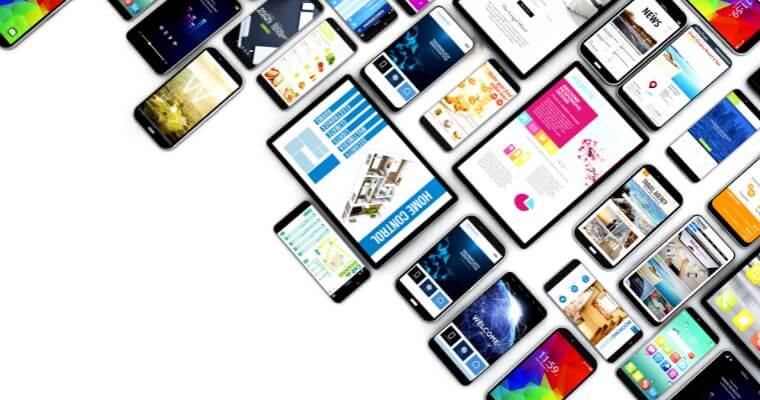
In today’s digitally connected world, consumers interact with brands across multiple touchpoints—social media, websites, email, physical stores, and mobile apps. To thrive in this environment, businesses must adopt an omnichannel marketing strategy that delivers a cohesive and seamless brand experience. This approach ensures that customers receive consistent messaging and functionality regardless of the channel they choose. In this blog post, we’ll explore what omnichannel marketing is, its benefits, and how to implement it effectively.
What is Omnichannel Marketing?
Omnichannel marketing is the integration and coordination of a brand’s messaging, content, and customer experience across various platforms and devices. Unlike multichannel marketing, which focuses on engaging customers on multiple channels without necessarily connecting them, omnichannel marketing ensures that these channels work together to create a unified customer journey.
Key features of omnichannel marketing include:
- Consistency: Messaging, branding, and functionality remain uniform across all platforms.
- Customer-Centricity: Strategies revolve around providing a seamless and personalized experience for the customer.
- Data Integration: Insights from various touchpoints are consolidated to offer a holistic view of customer behavior.
Benefits of Omnichannel Marketing: Why It Matters
1. Enhanced Customer Experience
Omnichannel marketing puts the customer at the center of every strategy. By providing consistent and seamless interactions, businesses can:
- Reduce friction during the customer journey.
- Meet customer expectations for convenience and personalization.
- Strengthen brand loyalty.
2. Improved Customer Retention
A unified experience encourages customers to stay engaged with the brand. According to research, businesses with strong omnichannel strategies retain an average of 89% of their customers compared to 33% for those with weak strategies.
3. Higher Conversion Rates
Omnichannel marketing ensures that customers receive relevant messaging at the right time and place, increasing the likelihood of conversions and showcasing the benefits of omnichannel marketing. For example:
- A customer browsing a product on a mobile app might receive a follow-up email with a discount.
- In-store shoppers can access online reviews or personalized offers via their smartphones.
4. Better Data Insights
Consolidating data from multiple channels allows businesses to:
- Understand customer preferences and behaviors.
- Identify successful touchpoints and areas for improvement.
- Optimize marketing strategies based on comprehensive insights.
How to Implement an Omnichannel Marketing Strategy
1. Understand Your Audience
The foundation of any successful omnichannel strategy is a deep understanding of your audience. Use tools like customer surveys, focus groups, and analytics platforms to:
- Identify customer demographics.
- Map out typical customer journeys.
- Recognize preferred channels and pain points.
2. Leverage Technology for Data Integration
To create a unified experience, businesses need to integrate data from various touchpoints. Consider investing in tools like:
- Customer Relationship Management (CRM) Systems: Centralize customer data to track interactions across channels.
- Marketing Automation Platforms: Automate personalized messaging based on customer behavior.
- Analytics Tools: Gain actionable insights to refine strategies.
3. Personalize Customer Interactions
Personalization is a cornerstone of omnichannel marketing. Use real-time data to tailor interactions such as:
- Dynamic website content that adapts to user preferences.
- Personalized email campaigns based on browsing or purchase history.
- In-store recommendations informed by online activity.
4. Ensure Channel Integration
Omnichannel success relies on seamless channel integration. Examples include:
- Allowing customers to start a purchase online and complete it in-store.
- Synchronizing shopping carts across devices.
- Providing consistent customer service whether via email, social media, or phone.
5. Test and Optimize
Regularly evaluate the performance of your omnichannel strategy. Use metrics such as customer satisfaction scores, conversion rates, and engagement levels to:
- Identify what’s working.
- Address gaps in the customer experience.
- Continuously refine your approach.
Real-World Examples of Omnichannel Marketing: Proven Success Stories
1. Starbucks
Starbucks’ rewards program exemplifies omnichannel excellence. This Starbucks omnichannel strategy highlights how seamless integration across platforms enhances user convenience and loyalty. Customers can reload their cards via the app, website, or in-store and see real-time updates across all platforms. This seamless integration enhances user convenience and loyalty.
2. Sephora
Sephora combines online and in-store experiences through features like:
- Virtual try-ons via their app.
- Personalized product recommendations.
- In-store tablets for accessing customer profiles and preferences.
3. Nike
Nike’s omnichannel strategy connects its physical stores, website, and mobile app. This Nike seamless shopping experience ensures customers enjoy real-time inventory updates and interactive in-store engagement. Features include:
- Real-time inventory updates.
- App-based rewards and discounts.
- Interactive in-store experiences, such as customization stations.
Challenges of Omnichannel Marketing
While the benefits of omnichannel marketing are substantial, businesses may face challenges, including:
- Data Silos: Ensuring seamless data sharing between departments and platforms can be complex.
- Resource Constraints: Implementing and maintaining an omnichannel strategy requires significant investment in technology and expertise.
- Maintaining Consistency: Delivering consistent experiences across multiple channels requires ongoing monitoring and optimization.
Future Trends in Omnichannel Marketing
- AI-Powered Personalization: Advanced AI tools will enable even greater levels of personalization across touchpoints.
- Voice Commerce Integration: With the rise of voice search, brands will need to adapt their omnichannel strategies for voice-enabled devices.
- Augmented Reality (AR): AR tools will bridge the gap between online and in-store experiences, offering interactive product previews.
- Sustainability Integration: More brands will incorporate eco-friendly practices into their omnichannel strategies to appeal to conscious consumers.
Concluding Perspectives
Omnichannel marketing is no longer optional; it’s essential for meeting the expectations of today’s tech-savvy consumers. By delivering consistent, personalized, and seamless experiences across all touchpoints, businesses can foster customer loyalty, drive conversions, and gain a competitive edge. Now is the time to embrace omnichannel marketing and transform how your brand connects with its audience.