
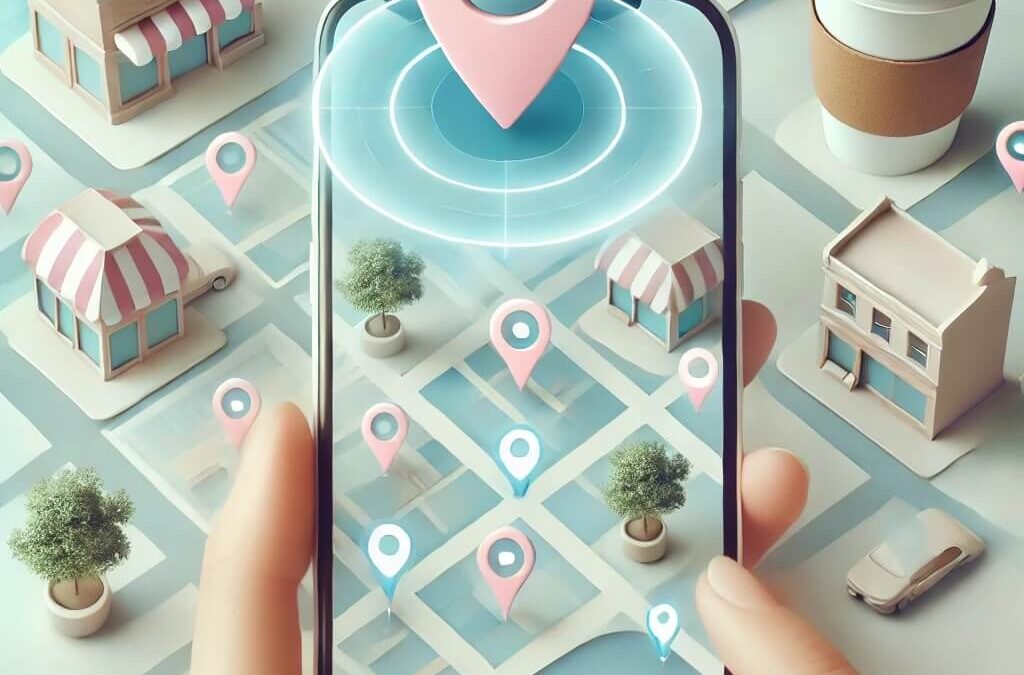
As technology continues to reshape the marketing landscape, geo-fencing, and hyperlocal marketing have emerged as powerful tools for businesses to target consumers with precision. By delivering location-based digital ads, brands can drive foot traffic, increase local engagement, and boost conversions. Let’s explore how these strategies work and how your business can benefit from them.
What Is Geo-Fencing?
Geo-fencing is a location-based marketing strategy that uses GPS, RFID, Wi-Fi, or cellular data to create a virtual boundary around a specific geographic area. When a mobile device enters or exits this boundary, it triggers a predefined action, such as sending a push notification, displaying an ad, or delivering an SMS.
What Is Hyperlocal Marketing?
Hyperlocal marketing takes geofencing a step further by targeting a highly specific area, often within a one-mile radius of a business. This strategy focuses on engaging customers who are in close proximity and ready to take immediate action, such as visiting a store or restaurant.
Why Geo-Fencing and Hyperlocal Marketing Matter
These strategies are gaining traction because they address two key marketing objectives:
- Relevance: Ads are highly targeted, making them more likely to resonate with consumers.
- Timeliness: Real-time engagement encourages immediate action, such as visiting a nearby store or redeeming an offer.
According to a report by BIA Advisory Services, U.S. businesses spent over $26 billion on location-targeted mobile ads in 2023, and this figure is expected to grow significantly in the coming years.
Benefits of Geo-Fencing and Hyperlocal Marketing
- Increased Foot Traffic
- Targeting users near your business increases the likelihood of physical visits.
- For example, a coffee shop can send a discount offer to users within a half-mile radius during morning hours.
- Higher Conversion Rates
- Location-based ads are more relevant, resulting in better click-through rates (CTR) and conversions.
- Customers are more likely to act on offers when they are nearby.
- Improved Customer Engagement
- Personalized messages based on location create a stronger connection with consumers.
- Localized campaigns build community trust and loyalty.
- Cost-Effectiveness
- Geo-fencing ensures your ads reach a targeted audience, reducing wasted ad spend.
- You’re not paying for impressions from users outside your service area.
How to Implement Geo-Fencing and Hyperlocal Marketing
- Define Your Target Area
- Identify the geographic locations where your audience is most likely to engage.
- For example, a retail store might set up a geo-fence around a shopping mall or competitor locations.
- Set Clear Goals
- Determine what you want to achieve, such as increased store visits, higher sales, or more app downloads.
- Align your goals with measurable KPIs like foot traffic, CTR, or conversion rates.
- Choose the Right Tools
- Platforms like Google Ads, Facebook Ads, and specialized location-based marketing tools like Simpli.fi or GroundTruth can help implement geo-fencing campaigns.
- Ensure your platform supports accurate location tracking and reporting.
- Create Compelling Offers
- Use limited-time promotions, discounts, or exclusive deals to entice customers.
- For example, a restaurant could send “Happy Hour” notifications to users within a specific radius.
- Optimize Ad Creatives
- Use visuals and copy that resonate with a local audience.
- Include location-specific language, such as “Just around the corner” or “Near [landmark].”
- Leverage Analytics
- Monitor performance metrics like impressions, clicks, and in-store visits.
- Use the data to refine targeting and improve future campaigns.
Best Practices for Success
- Respect User Privacy
- Ensure compliance with data privacy laws like GDPR or CCPA.
- Obtain user consent before collecting location data.
- Avoid Overloading Users
- Limit the frequency of notifications or ads to avoid annoyance.
- Focus on quality over quantity when delivering messages.
- Test and Iterate
- Run A/B tests to determine what resonates best with your audience.
- Experiment with different offers, messaging, and geo-fence sizes.
- Integrate with Other Channels
- Combine geo-fencing with email marketing, social media, or loyalty programs for a cohesive strategy.
- Encourage customers to share offers or promotions with friends.
Real-World Use Cases
- Retail Stores
- A clothing store sets up a geo-fence around a busy shopping area and sends a 20% discount offer to nearby shoppers.
- Restaurants and Cafés
- A café targets morning commuters with “Buy One, Get One Free” coffee deals.
- Event Marketing
- An event organizer uses hyperlocal marketing to attract attendees within a 1-mile radius of a venue.
- Healthcare Providers
- Clinics send reminders for flu shots or health check-ups to users near their location.
- Real Estate
- Realtors promote open house events to potential buyers in nearby neighborhoods.
Challenges of Geo-Fencing and Hyperlocal Marketing
- Accuracy: Poor location data can lead to irrelevant ads being served to users outside the target area.
- Privacy Concerns: Collecting location data requires transparency and user consent.
- Ad Fatigue: Overusing geo-fencing can lead to user disengagement if ads become repetitive or intrusive.
- Initial Setup Costs: Implementing location-based marketing may require significant investment in tools and resources.
The Future of Geo-Fencing and Hyperlocal Marketing
As technology evolves, geo-fencing and hyperlocal marketing are poised to become even more sophisticated. Emerging trends include:
- 5G Connectivity: Faster data speeds will enable more precise and real-time location tracking.
- AI and Machine Learning: Advanced algorithms will refine targeting and predictive analytics.
- Wearable Devices: Integration with smartwatches and other wearables will expand the scope of location-based marketing.
- Augmented Reality (AR): Combining geo-fencing with AR can create immersive, location-specific experiences for users.
Key Takeaways
Geo-fencing and hyperlocal marketing are transforming how businesses engage with local audiences. By delivering timely, relevant, and personalized ads, brands can drive foot traffic, boost sales, and build stronger connections with their communities. While challenges exist, advancements in technology and analytics will continue to enhance the effectiveness of these strategies.
Ready to attract more local customers? Start leveraging geo-fencing and hyperlocal marketing today to maximize your business’s reach and impact.
