
Dark Social & Private Messaging Platforms: Unlocking Hidden Referral Channels
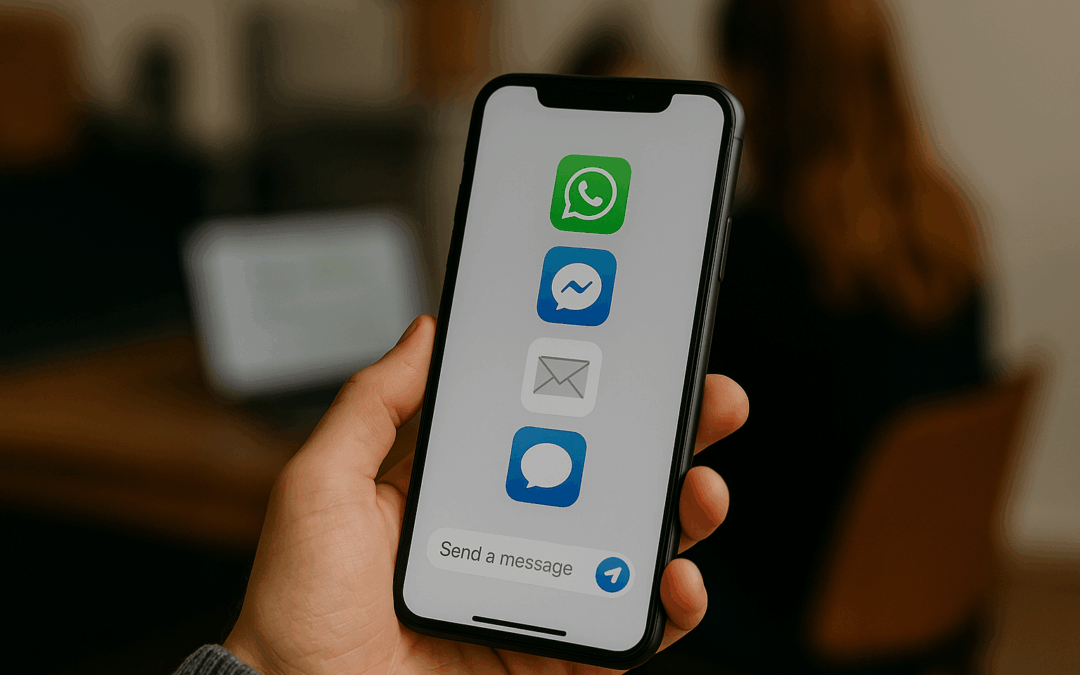
Not all sharing happens in public. Every day, millions of people send links, memes, and product recommendations through private channels like WhatsApp, Messenger, email, or text. These hidden conversations make up what marketers call dark social—the invisible web of shares and referrals that don’t show up in analytics dashboards.
If you’ve ever noticed a large chunk of your website traffic labeled “direct” in Google Analytics, chances are much of it actually comes from dark social. Understanding and optimizing for these hidden channels can give your marketing strategy a powerful edge.
What Is Dark Social
The term “dark social” was coined by Alexis Madrigal in The Atlantic to describe the web traffic generated when people share links privately rather than through traceable public platforms like Facebook or X (formerly Twitter).
These include:
- Private messaging apps (WhatsApp, Telegram, Signal)
- Email forwards
- SMS or iMessage shares
- Slack or Teams messages
- Private social groups (Facebook groups, LinkedIn DMs)
Unlike public shares, these private ones don’t pass referral data through UTM parameters or platform APIs. As a result, when someone clicks a link from a private message, analytics tools often categorize it as direct traffic, masking its true source.
Why Dark Social Matters More Than Ever
Modern consumers are increasingly protective of their data and prefer private spaces over public timelines. According to research from GlobalWebIndex, over 60% of social sharing now happens via private channels.
That means a significant part of your brand’s digital word-of-mouth is happening off the radar. Ignoring dark social could mean missing out on understanding how your content really spreads and influences purchase decisions.
Three key reasons marketers should care:
- Trust lives in private spaces. People trust recommendations from friends, colleagues, or family shared in personal chats more than any ad.
- Dark social drives high-intent traffic. When someone sends a link privately, it’s usually because they find it relevant and worth discussing.
- It influences conversion paths. Even if last-click data doesn’t show it, dark social often plays a role early in the decision journey.
Common Examples of Dark Social in Action
To visualize how dark social works, consider a few real-world scenarios:
- A friend sends you a WhatsApp message saying, “Check out this new productivity app,” followed by a link.
- A coworker shares a link to an industry report in a Slack channel.
- A customer forwards your newsletter to a colleague who might be interested.
None of these shares appear as “social” in your analytics. Instead, they’re buried in the “direct” or “other” category—yet they’re driving meaningful, trust-based engagement.
How to Track and Measure Dark Social Traffic
While it’s impossible to measure dark social perfectly, there are smart ways to get closer to the truth.
Use UTM Parameters Strategically
When sharing links through your own email campaigns, newsletters, or private channels, always include UTM tags (for example, ?utm_source=email&utm_medium=dark_social&utm_campaign=share_link).
Encourage your team, partners, or influencers to do the same. Even if users share your content organically afterward, you’ll gain partial visibility into how links spread.
Leverage Share Buttons with Tracking
Instead of relying on users to copy-paste links, include share buttons for WhatsApp, Messenger, and email that generate tagged URLs automatically. Tools like ShareThis, AddThis, or custom scripts can help with this.
Segment “Direct” Traffic Smarter
Not all direct traffic is truly direct. By filtering out homepage visits and focusing on deep-link traffic (like blog posts or product pages), you can estimate which portion likely comes from dark social.
Use Analytics Platforms That Support Multi-Touch Attribution
Tools like HubSpot, GA4, and Mixpanel can help you connect hidden referral sources to actual conversions through user ID tracking or assisted conversion reports.
How to Harness the Power of Dark Social
Instead of seeing dark social as a problem, think of it as an opportunity to engage with your audience in more personal, authentic ways.
Create Shareable, Conversation-Worthy Content
People share content that sparks emotion, offers value, or starts a discussion. Focus on:
- Insightful industry reports or guides
- Quizzes or calculators with personalized results
- Memes or relatable micro-content
- Stories that evoke trust or humor
If content feels “worth sending to a friend,” it’s primed for dark social sharing.
Build Communities Around Private Platforms
Private spaces are becoming the new social networks. Consider hosting or participating in:
- WhatsApp broadcast lists
- Telegram or Discord groups
- Invite-only Facebook or LinkedIn groups
- Slack communities related to your niche
These spaces foster genuine connection and discussion—exactly where dark social thrives.
Encourage Direct Sharing
Subtly prompt sharing with CTAs like “Send this to a friend who’d find it useful” or “Share this insight with your team.”
Make sharing frictionless with copy-link or message-button options built right into your content.
Partner with Micro-Influencers in Niche Groups
Influencers with smaller, more engaged followings often dominate private channels and communities. Their recommendations can spread quickly through trusted networks that public campaigns can’t reach.
Align Paid Retargeting with Dark Social Engagement
Even though dark social itself is untrackable, you can use retargeting ads to stay visible to people who’ve visited your content through private shares. This bridges the gap between hidden discovery and visible conversion.
The Future of Dark Social: From Hidden to Human
As the digital ecosystem continues to evolve, privacy-first platforms and encrypted messaging apps will only grow in popularity.
For marketers, this means two things:
- Data visibility will shrink even more.
- Relationship-based marketing will matter more than ever.
The solution isn’t to chase every hidden click—it’s to understand that private conversations are where trust happens. Instead of interrupting, focus on being part of the dialogue.
Brands that create value, nurture communities, and build authentic relationships will thrive even as the metrics grow murkier.
Dark social isn’t a mystery to fear—it’s a reminder that the heart of marketing still lies in real human connection. When people share your content privately, it means your message has earned their trust and attention.
By tracking what’s measurable, inspiring authentic conversations, and building communities that thrive on value and relevance, you position your brand to grow through relationships, not just metrics. In a digital world obsessed with visibility, it’s often the unseen exchanges that matter most.
