
by Research Team | Jan 21, 2026 | Customer Engagement, Digital Marketing
Getting clicks is only the first step in digital marketing. The real challenge lies in converting those clicks into paying customers. That’s where a well-structured conversion funnel comes in. By mapping the customer journey from awareness to purchase—and beyond—you can guide prospects smoothly toward action while building trust along the way.
A seamless conversion funnel isn’t just about sales. It’s about creating a customer experience that feels natural, personalized, and rewarding at every stage.
What Is a Conversion Funnel?
A conversion funnel is the path a customer takes from first discovering your brand to completing a desired action, such as making a purchase, booking a call, or subscribing to a service.
The funnel is often broken down into four key stages:
- Awareness – When a customer first learns about your brand.
- Interest – When they engage with your content or explore your offerings.
- Decision – When they evaluate options and consider your product or service.
- Action – When they commit, such as purchasing or signing up.
Some funnels also include a fifth stage, retention or loyalty, to highlight the importance of repeat business and advocacy.
Why Conversion Funnels Matter
Without a structured funnel, even the best marketing campaigns can leak opportunities. Here’s why funnels are critical:
- They give clarity on customer behavior and touchpoints.
- They help identify weak spots where leads drop off.
- They align marketing and sales teams with a shared roadmap.
- They make scaling campaigns more predictable and effective.
Funnels aren’t one-size-fits-all. Each business should tailor its funnel based on its audience, product, and industry.
Building a Seamless Funnel Step by Step
Step 1: Attract with Awareness
The top of the funnel is about visibility. Here, the goal is to capture attention and introduce your brand to the right people.
Tactics include:
- SEO-optimized blog posts targeting search intent.
- Paid social ads designed for reach and brand recognition.
- Engaging short-form videos for platforms like Instagram or TikTok.
At this stage, focus on delivering value, not pushing a sale. Content should educate, entertain, or inspire curiosity.
Step 2: Nurture Interest
Once you’ve captured attention, it’s time to deepen engagement. Prospects want to know who you are and what you can do for them.
Tactics include:
- Downloadable lead magnets such as eBooks, checklists, or templates.
- Email nurturing campaigns that provide insights and tips.
- Webinars or live sessions that showcase expertise.
Here, personalization plays a big role. Tailor your messaging based on customer segments or behaviors to keep the relationship growing.
Step 3: Guide the Decision
The decision stage is where prospects evaluate your offer against competitors. A frictionless experience here can make or break conversions.
Tactics include:
- Case studies and testimonials to provide social proof.
- Product demos, free trials, or samples.
- Clear pricing pages that emphasize value and transparency.
Reducing doubt is key. Make sure information is accessible and answers are easy to find.
Step 4: Drive the Action
The action stage is where interest turns into conversion. Optimize this part of the funnel to remove obstacles and encourage commitment.
Tactics include:
- Simplified checkout processes with minimal steps.
- Strong calls-to-action on landing pages.
- Incentives like limited-time discounts or free shipping.
Small details—such as mobile-friendly forms and multiple payment options—can significantly increase completion rates.
Step 5: Retain and Delight
Many businesses stop at the sale, but the most profitable funnels don’t end there. Turning one-time buyers into repeat customers creates sustainable growth.
Tactics include:
- Post-purchase follow-up emails with tips or product recommendations.
- Loyalty programs that reward repeat purchases.
- Exclusive content or community access for existing customers.
When customers feel valued, they become advocates who spread word-of-mouth referrals—strengthening the top of your funnel in return.
Common Funnel Mistakes to Avoid
- Focusing only on traffic: High clicks mean little without conversion-focused follow-up.
- Overcomplicating the process: Too many steps or confusing navigation can cause drop-offs.
- Ignoring mobile optimization: Many prospects interact with funnels on mobile devices.
- Lack of personalization: Generic messaging feels disconnected and reduces trust.
A seamless funnel prioritizes clarity, simplicity, and customer-centered experiences.
Real-Life Example
Consider an online fitness coach. Their funnel might look like this:
- Awareness: A blog post on “10 Home Workouts That Burn Fat Fast.”
- Interest: A free downloadable workout plan in exchange for an email address.
- Decision: A webinar explaining the benefits of personalized coaching.
- Action: A limited-time offer for a one-on-one coaching package.
- Retention: Weekly email tips and discounts for returning clients.
Each step feels logical, valuable, and connected—making it easy for prospects to move forward.
SEO and Conversion Funnels
Optimizing a funnel isn’t just about design—it’s also about visibility. SEO strengthens funnels by ensuring content surfaces at every stage of the journey.
- Awareness: Target broad informational keywords.
- Interest: Use long-tail queries related to solutions or comparisons.
- Decision: Optimize product pages and case studies with transactional keywords.
- Action: Leverage conversion-focused CTAs tied to search intent.
This layered approach makes your funnel discoverable where it matters most.
Last Word
A seamless conversion funnel transforms random clicks into loyal customers. By aligning each stage with your audience’s needs—attracting attention, nurturing interest, guiding decisions, driving action, and retaining loyalty—you create an experience that builds trust and delivers measurable results.
Funnels are more than sales tools; they’re blueprints for delivering value at every step of the customer journey.

by Research Team | Jan 15, 2026 | Content Marketing, Customer Engagement
In today’s digital landscape, consumers often place more trust in the voices of their peers than in the carefully crafted messages of brands. This shift has given rise to user-generated content (UGC) as one of the most powerful growth engines in modern marketing. Reviews, testimonials, unboxing videos, and social media posts not only amplify authenticity but also build trust in ways that brand-produced material frequently cannot achieve.
When customers take the initiative to share their experiences, they transform into advocates who expand a brand’s reach organically. Leveraging this natural advocacy not only enhances credibility but also deepens customer relationships, turning satisfied buyers into long-term promoters of the brand.
What Is User-Generated Content?
User-generated content refers to material created by customers rather than the brand itself. It can take many forms, appearing across a wide range of channels, from social media platforms to community forums and review sites.
Some common forms of UGC include:
- Detailed product reviews and star ratings that influence purchasing decisions
- Customer testimonials that highlight real experiences
- Social media posts featuring mentions, tags, or branded hashtags
- Unboxing videos and product demonstrations shared by customers
- Community discussions or contributions in brand-led forums
- Photos and videos created by users that showcase the product in everyday use
Because this type of content comes directly from genuine experiences, it carries a level of authenticity that traditional advertising often lacks.
Why UGC Works as a Growth Strategy
The effectiveness of UGC lies in its ability to tap into human psychology and digital behavior. People are naturally inclined to trust recommendations from other consumers over branded messages. A well-written review or an authentic story resonates more deeply than polished advertising because it feels relatable and honest.
User-generated content also acts as a form of social proof, reassuring potential customers that others have tried, enjoyed, and endorsed a product or service. At the same time, it fuels engagement, encouraging audiences to like, share, and respond to the content they see. This interaction fosters community, creating a sense of belonging among customers who share similar experiences. Beyond engagement, UGC is highly cost-effective, reducing the need for brands to constantly create new content since customers are willingly generating material on their behalf.
Together, these factors make UGC a growth strategy that scales naturally while maintaining authenticity.
How to Encourage User-Generated Content
While some UGC happens organically, most successful strategies include intentional efforts to invite customer participation. Marketers can encourage UGC by:
- Launching hashtag campaigns that motivate customers to tag their posts for a chance to be highlighted
- Hosting contests or challenges that reward the best photo, video, or story submissions
- Spotlighting customers on websites, newsletters, or social feeds, making them feel valued and recognized
- Sending post-purchase follow-up emails that politely request reviews or ratings
- Offering exclusive access, such as early product releases or special offers, to customers who consistently contribute content
By making participation enjoyable and rewarding, brands can increase the likelihood that customers will share their stories and experiences.
Best Practices for Leveraging UGC
Although user-generated content is highly valuable, it requires careful handling to maximize its impact. Brands should always request permission before reusing customer-created content and give proper credit to those who produced it. Aligning selected UGC with the brand’s overall voice and values ensures consistency, while highlighting the most compelling contributions maintains quality and relevance.
Equally important is engagement. When customers see that their contributions are acknowledged—through comments, shares, or direct responses—they feel appreciated and are more likely to continue participating. Done thoughtfully, UGC becomes a virtuous cycle: customers create, brands amplify, and others are inspired to join in.
Challenges to Consider
As with any marketing strategy, UGC comes with challenges that must be addressed. Not all content shared by customers will be positive, which makes it important for brands to respond to negative reviews with professionalism and empathy. Over-reliance on UGC is another risk; it should complement, not entirely replace, a brand’s own messaging. Legal considerations also play a role, particularly when using customer-generated images or videos in campaigns.
Despite these potential hurdles, the benefits of incorporating UGC into a broader marketing strategy far outweigh the risks.
Closing Insight
User-generated content is more than a passing trend; it is a powerful force that turns customers into advocates and creates growth built on authenticity. By encouraging participation, recognizing contributions, and weaving UGC into broader campaigns, brands can cultivate a community that not only engages but also promotes on their behalf.
In a marketplace where trust is the currency of influence, user-generated content provides the credibility and connection needed to thrive. When embraced strategically, it becomes a self-sustaining growth engine driven by the very audience a brand seeks to serve.
by Research Team | Jan 13, 2026 | Customer Engagement, Customer Loyalty, Digital Marketing
In an era where customers are bombarded with endless choices, retaining loyal buyers has become just as important—if not more so—than acquiring new ones. While advertising and promotions can attract attention, long-term growth depends on building strong relationships that keep customers returning. Digital loyalty programs provide one of the most effective ways to achieve this goal, turning occasional shoppers into dedicated brand advocates.
These programs go beyond simple discounts; they are strategic tools designed to reward engagement, personalize experiences, and foster emotional connections between brands and customers.
Why Loyalty Matters in Digital Marketing
Customer acquisition is often costly, requiring significant investments in advertising and outreach. Retention, on the other hand, delivers greater return on investment because existing customers tend to spend more, purchase more frequently, and recommend brands they trust.
Digital loyalty programs provide a structured way to encourage repeat business. They not only incentivize transactions but also create ongoing touchpoints that strengthen customer relationships over time.
Elements of Effective Digital Loyalty Programs
A loyalty program should be more than a points system; it should deliver meaningful value that resonates with the target audience. Key elements include:
- Ease of use: Programs should be intuitive, with rewards that are simple to earn and redeem.
- Personalization: Tailoring rewards and offers to customer preferences increases engagement.
- Omnichannel integration: Customers expect seamless access to loyalty benefits across mobile apps, websites, and in-store experiences.
- Tiered rewards: Different levels of benefits encourage ongoing participation and aspirational loyalty.
- Experiential benefits: Exclusive events, early access, or VIP treatment can be more compelling than discounts alone.
Together, these elements ensure loyalty programs feel relevant and rewarding rather than transactional.
How Digital Loyalty Programs Drive Retention
When a loyalty program is thoughtfully designed, it becomes more than just a mechanism for rewards—it evolves into a constant touchpoint that reminds customers why they chose the brand in the first place. Every interaction with the program, whether it’s earning points, receiving a personalized offer, or unlocking exclusive benefits, reinforces the perception of value and strengthens the emotional bond between customer and brand. These ongoing reminders encourage habitual engagement and gradually transform casual buyers into repeat customers who feel invested in the relationship. Well-structured loyalty programs serve as ongoing reminders of a brand’s value. They:
- Encourage repeat purchases by rewarding customers each time they shop.
- Reinforce emotional connections through personalized rewards that make customers feel recognized.
- Promote engagement by integrating gamification, challenges, or exclusive access.
- Create switching costs that make it less attractive to abandon the program for competitors.
- Support advocacy by motivating loyal customers to share their experiences with others.
By consistently rewarding engagement, brands cultivate a cycle of loyalty that extends well beyond the initial sale.
Challenges of Loyalty Programs
Not all loyalty programs succeed. Common pitfalls include overly complicated systems, rewards that feel insignificant, or lack of differentiation from competitors. Programs that rely too heavily on discounts can also erode profit margins without creating genuine loyalty.
Another challenge is maintaining customer interest over time. Without ongoing innovation and personalized offers, even strong programs can become stale.
Practical Tips for Marketers
Creating a loyalty program is only the beginning; the real challenge lies in ensuring that it delivers sustained impact. This requires marketers to take a strategic approach, focusing not only on rewards but also on experience, accessibility, and long-term engagement. By combining customer insights with thoughtful design, marketers can craft programs that feel both rewarding and relevant. To achieve this, it’s important to continually refine the program and adapt it to evolving customer expectations rather than treating it as a static offering. To maximize the effectiveness of digital loyalty programs, marketers should:
- Align program rewards with customer values rather than relying solely on discounts.
- Use data and analytics to tailor offers and refine program structures.
- Keep redemption simple to avoid frustration.
- Integrate loyalty features into mobile apps and digital platforms for accessibility.
- Regularly update program benefits to maintain excitement and engagement.
These practices ensure that loyalty initiatives not only attract participants but also sustain their interest in the long run.
Long-Term Impact of Loyalty
Digital loyalty programs are more than promotional tactics—they are investments in long-term relationships. When executed well, they transform customer interactions into partnerships built on trust, recognition, and value.
By focusing on retention through meaningful rewards and personalized engagement, brands create a foundation for consistent revenue, strong advocacy, and enduring growth.

by Research Team | Jan 8, 2026 | Customer Engagement, Digital Marketing
In an era where digital advertising can feel impersonal and transactional, businesses are finding new ways to build meaningful relationships with their audiences. One strategy that is rapidly gaining traction is community-led marketing.
Unlike traditional approaches that prioritize one-way messaging, community-led marketing focuses on fostering authentic relationships, creating spaces where customers connect, and positioning the brand as a trusted facilitator rather than just a seller. The result is deeper loyalty, advocacy, and long-term growth.
What is Community-Led Marketing?
Community-led marketing is a strategy where businesses invest in creating and nurturing communities around their brand, values, or products. These communities may form in online forums, social media groups, membership platforms, or even offline events.
The goal is not only to promote products but to build ecosystems where customers share experiences, offer support, and co-create value with the brand.
Examples include:
- Niche Facebook Groups centered around a product or lifestyle
- Brand-hosted online forums where customers exchange tips and insights
- Events, meetups, or webinars that bring like-minded individuals together
Why Community Matters in Marketing
- Trust over transactions
Consumers are increasingly skeptical of traditional advertising. Communities thrive on peer-to-peer recommendations, which feel far more authentic and trustworthy.
- Customer advocacy
A strong community turns customers into brand ambassadors who willingly spread the word. Word-of-mouth referrals remain one of the most powerful marketing tools.
- Continuous engagement
Communities keep audiences engaged between purchases. Instead of disappearing after a sale, the brand becomes part of a customer’s ongoing lifestyle or professional journey.
- Feedback loop
Engaged communities provide real-time feedback, helping businesses improve products and services while showing customers their voices are valued.
Strategies for Building a Community-Led Approach
Define a shared purpose
A community thrives on common ground. This could be a shared passion, problem, or aspiration. Brands must articulate a purpose that resonates beyond product features.
Choose the right platform
The choice of platform depends on where your audience naturally gathers. For some, it may be LinkedIn or Slack groups; for others, Instagram, Discord, or private forums.
Empower community leaders
Every community has natural leaders or influencers. Identify them, provide support, and allow them to shape discussions. Their involvement adds authenticity and sustainability.
Create value-driven content
Communities thrive when members feel they are gaining value—whether through knowledge sharing, exclusive access, or opportunities to connect. The role of the brand is to facilitate, not dominate.
Encourage co-creation
Invite members to contribute ideas, create content, or even collaborate on product development. Co-creation fosters ownership and strengthens emotional bonds with the brand.
Benefits of Community-Led Marketing
- Deeper loyalty: Customers feel they belong to something larger than a product
- Reduced acquisition costs: Word-of-mouth within communities drives organic growth
- Improved retention: Active communities keep customers engaged long after purchase
- Enhanced brand perception: A supportive, vibrant community reflects positively on the brand
Challenges to Anticipate
- Scaling engagement: Larger communities require moderation and careful facilitation
- Maintaining authenticity: Over-commercialization can erode trust
- Consistency: Communities need continuous nurturing, not one-off campaigns
Brands must approach community-building as a long-term commitment rather than a quick marketing tactic.
Getting Started with Community-Led Marketing
- Start small by creating a group around a focused topic or customer need
- Engage consistently—host discussions, share useful resources, and celebrate members
- Measure success through engagement metrics, advocacy rates, and customer retention
- Stay authentic and transparent; communities will quickly sense inauthenticity
A Look Ahead
Community-led marketing signals a shift from selling to belonging. In a world where people seek connection and authenticity, brands that create meaningful communities will thrive. These communities become not only a source of growth but also a powerful shield against competitors.
For businesses, the lesson is clear: transactions may create customers, but communities create advocates. And in the long run, advocates are the true drivers of sustainable success.
by Research Team | Dec 25, 2025 | Customer Engagement, Private Messaging, Social Media
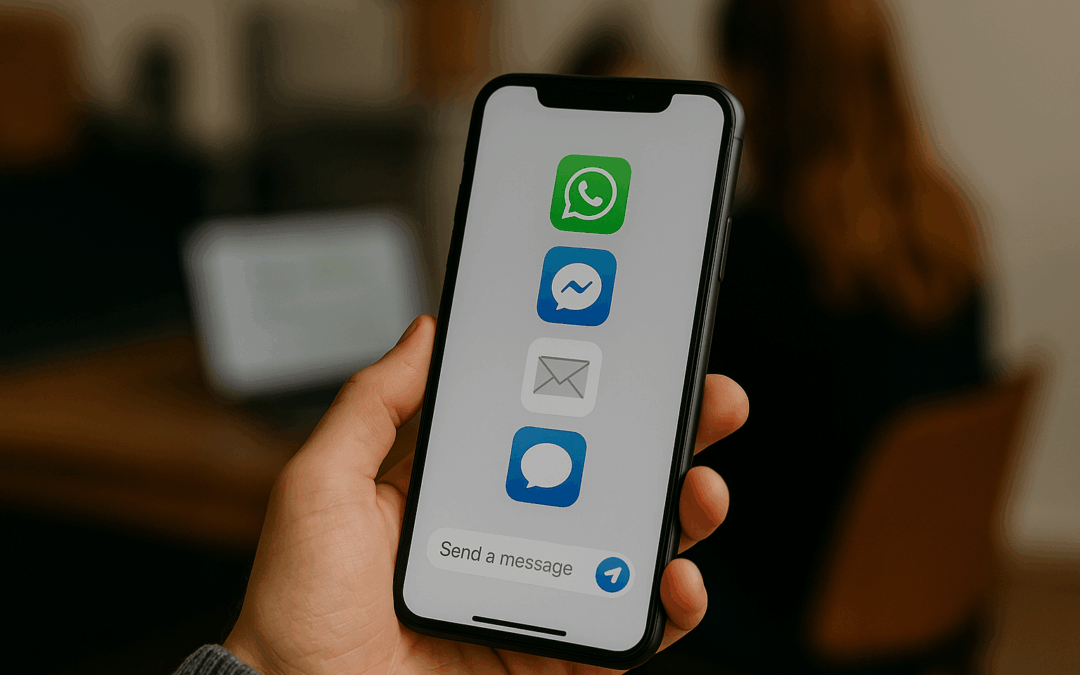
Not all sharing happens in public. Every day, millions of people send links, memes, and product recommendations through private channels like WhatsApp, Messenger, email, or text. These hidden conversations make up what marketers call dark social—the invisible web of shares and referrals that don’t show up in analytics dashboards.
If you’ve ever noticed a large chunk of your website traffic labeled “direct” in Google Analytics, chances are much of it actually comes from dark social. Understanding and optimizing for these hidden channels can give your marketing strategy a powerful edge.
What Is Dark Social
The term “dark social” was coined by Alexis Madrigal in The Atlantic to describe the web traffic generated when people share links privately rather than through traceable public platforms like Facebook or X (formerly Twitter).
These include:
- Private messaging apps (WhatsApp, Telegram, Signal)
- Email forwards
- SMS or iMessage shares
- Slack or Teams messages
- Private social groups (Facebook groups, LinkedIn DMs)
Unlike public shares, these private ones don’t pass referral data through UTM parameters or platform APIs. As a result, when someone clicks a link from a private message, analytics tools often categorize it as direct traffic, masking its true source.
Why Dark Social Matters More Than Ever
Modern consumers are increasingly protective of their data and prefer private spaces over public timelines. According to research from GlobalWebIndex, over 60% of social sharing now happens via private channels.
That means a significant part of your brand’s digital word-of-mouth is happening off the radar. Ignoring dark social could mean missing out on understanding how your content really spreads and influences purchase decisions.
Three key reasons marketers should care:
- Trust lives in private spaces. People trust recommendations from friends, colleagues, or family shared in personal chats more than any ad.
- Dark social drives high-intent traffic. When someone sends a link privately, it’s usually because they find it relevant and worth discussing.
- It influences conversion paths. Even if last-click data doesn’t show it, dark social often plays a role early in the decision journey.
Common Examples of Dark Social in Action
To visualize how dark social works, consider a few real-world scenarios:
- A friend sends you a WhatsApp message saying, “Check out this new productivity app,” followed by a link.
- A coworker shares a link to an industry report in a Slack channel.
- A customer forwards your newsletter to a colleague who might be interested.
None of these shares appear as “social” in your analytics. Instead, they’re buried in the “direct” or “other” category—yet they’re driving meaningful, trust-based engagement.
How to Track and Measure Dark Social Traffic
While it’s impossible to measure dark social perfectly, there are smart ways to get closer to the truth.
Use UTM Parameters Strategically
When sharing links through your own email campaigns, newsletters, or private channels, always include UTM tags (for example, ?utm_source=email&utm_medium=dark_social&utm_campaign=share_link).
Encourage your team, partners, or influencers to do the same. Even if users share your content organically afterward, you’ll gain partial visibility into how links spread.
Leverage Share Buttons with Tracking
Instead of relying on users to copy-paste links, include share buttons for WhatsApp, Messenger, and email that generate tagged URLs automatically. Tools like ShareThis, AddThis, or custom scripts can help with this.
Segment “Direct” Traffic Smarter
Not all direct traffic is truly direct. By filtering out homepage visits and focusing on deep-link traffic (like blog posts or product pages), you can estimate which portion likely comes from dark social.
Use Analytics Platforms That Support Multi-Touch Attribution
Tools like HubSpot, GA4, and Mixpanel can help you connect hidden referral sources to actual conversions through user ID tracking or assisted conversion reports.
How to Harness the Power of Dark Social
Instead of seeing dark social as a problem, think of it as an opportunity to engage with your audience in more personal, authentic ways.
Create Shareable, Conversation-Worthy Content
People share content that sparks emotion, offers value, or starts a discussion. Focus on:
- Insightful industry reports or guides
- Quizzes or calculators with personalized results
- Memes or relatable micro-content
- Stories that evoke trust or humor
If content feels “worth sending to a friend,” it’s primed for dark social sharing.
Build Communities Around Private Platforms
Private spaces are becoming the new social networks. Consider hosting or participating in:
- WhatsApp broadcast lists
- Telegram or Discord groups
- Invite-only Facebook or LinkedIn groups
- Slack communities related to your niche
These spaces foster genuine connection and discussion—exactly where dark social thrives.
Encourage Direct Sharing
Subtly prompt sharing with CTAs like “Send this to a friend who’d find it useful” or “Share this insight with your team.”
Make sharing frictionless with copy-link or message-button options built right into your content.
Partner with Micro-Influencers in Niche Groups
Influencers with smaller, more engaged followings often dominate private channels and communities. Their recommendations can spread quickly through trusted networks that public campaigns can’t reach.
Align Paid Retargeting with Dark Social Engagement
Even though dark social itself is untrackable, you can use retargeting ads to stay visible to people who’ve visited your content through private shares. This bridges the gap between hidden discovery and visible conversion.
The Future of Dark Social: From Hidden to Human
As the digital ecosystem continues to evolve, privacy-first platforms and encrypted messaging apps will only grow in popularity.
For marketers, this means two things:
- Data visibility will shrink even more.
- Relationship-based marketing will matter more than ever.
The solution isn’t to chase every hidden click—it’s to understand that private conversations are where trust happens. Instead of interrupting, focus on being part of the dialogue.
Brands that create value, nurture communities, and build authentic relationships will thrive even as the metrics grow murkier.
Dark social isn’t a mystery to fear—it’s a reminder that the heart of marketing still lies in real human connection. When people share your content privately, it means your message has earned their trust and attention.
By tracking what’s measurable, inspiring authentic conversations, and building communities that thrive on value and relevance, you position your brand to grow through relationships, not just metrics. In a digital world obsessed with visibility, it’s often the unseen exchanges that matter most.

by Research Team | Dec 25, 2025 | Automation, Customer Engagement, Digital Marketing, Social Media
Digital marketing has come full circle. After years of automation and one-way campaigns, audiences now crave genuine, two-way conversations with brands. In a world where attention spans are short and expectations are high, conversational marketing bridges that gap—using real-time dialogue to build trust, qualify leads, and deliver the kind of personal experience people value most.
From chatbots to live chat to social DMs, conversational marketing has evolved into one of the most effective ways to engage potential customers and move them smoothly through the sales funnel.
What Is Conversational Marketing
Conversational marketing is the practice of engaging with potential customers through personalized, real-time interactions—usually via chatbots, live chat widgets, or direct messaging on social platforms.
Instead of relying solely on static forms, email sequences, or landing pages, this approach invites the customer into a conversation. It’s less about broadcasting messages and more about listening, responding, and guiding them toward a solution.
Whether it’s a chatbot answering questions at midnight, a live agent helping someone choose a product, or a brand replying to Instagram DMs, these moments create a seamless, human experience that turns curiosity into connection.
Why Conversational Marketing Matters
Today’s consumers expect instant responses. They don’t want to wait 24 hours for a reply or dig through a website to find what they need. According to Drift’s State of Conversational Marketing report, over 80% of buyers expect real-time communication from brands.
That shift in expectation makes conversational marketing essential, not optional.
The benefits extend across the entire customer journey:
- Speed and convenience. Instant answers shorten the buyer’s path to purchase.
- Personalization. Conversations can adapt dynamically to each user’s intent and stage.
- Human touch at scale. Smart automation allows brands to engage thousands of users with a friendly, personalized feel.
- Higher conversion rates. Real-time engagement often converts leads faster than traditional email or static web forms.
Conversational marketing meets people where they already are—on messaging platforms they use daily—and helps brands build authentic relationships instead of transactional exchanges.
Tools of Conversational Marketing
The most successful conversational marketing strategies blend multiple tools and platforms, each serving a unique role in the conversation funnel.
Chatbots
Chatbots are the backbone of conversational marketing automation. They handle initial interactions, qualify leads, and provide information instantly—24/7.
Modern AI-powered chatbots go beyond scripted responses. They can recognize intent, pull from knowledge bases, and even hand off conversations to human agents when necessary. Tools like Drift, Intercom, and HubSpot’s Chatflow make chatbot deployment simple and scalable.
A well-designed chatbot can greet a visitor, ask relevant questions (“Are you looking for pricing or product details?”), and guide them to the next step—all without waiting for a sales rep.
Live Chat
Live chat complements chatbots by introducing a human layer. Once a conversation reaches a point where nuance or empathy matters, a live agent can step in.
This hybrid model—automation plus human connection—creates a smooth customer experience. Visitors never feel like they’re talking to a machine, and agents can handle multiple chats simultaneously with context and efficiency.
Live chat tools like Zendesk, Tidio, or LiveChat also integrate with CRMs, allowing every conversation to be logged and analyzed for future improvements.
Social Direct Messages (DMs)
Consumers increasingly prefer reaching brands through social media messages rather than traditional contact forms. Platforms like Facebook Messenger, Instagram, and LinkedIn have become customer service and sales channels in their own right.
Social DMs allow brands to meet customers in their preferred environment. Automated responses can acknowledge inquiries instantly, while human teams follow up with thoughtful, personalized replies.
Many brands also use DMs for post-purchase care, loyalty programs, and upselling opportunities—turning one-time buyers into long-term advocates.
How Conversational Marketing Nurtures Leads
At its core, conversational marketing is about progression. Each interaction should move a potential customer closer to conversion without feeling forced or overly promotional. Here’s how that flow typically works:
- Attract: Visitors arrive on your website, ad, or social profile. A chatbot or message prompt starts the interaction.
- Engage: The system asks questions to identify intent—such as budget, needs, or timeframe.
- Qualify: Based on responses, the chatbot segments leads and routes them to appropriate resources or agents.
- Convert: Live chat or DMs provide tailored information, pricing, or demo scheduling.
- Delight: Post-purchase, conversations continue for feedback, support, or cross-selling opportunities.
Unlike static forms, this conversational path feels natural. The visitor stays in control, and the brand remains responsive—a formula that builds trust and shortens decision cycles.
Best Practices for Implementing Conversational Marketing
To make conversational marketing effective, brands must balance automation with empathy. Here are a few principles to guide success:
Keep It Human
Even automated systems should sound natural and friendly. Use tone and language that reflect your brand’s personality. Avoid jargon and canned phrases that make users feel they’re speaking to a robot.
Personalize with Purpose
Use data wisely. Reference previous interactions or browsing behavior to make conversations relevant, but don’t cross privacy boundaries. The goal is to be helpful, not invasive.
Integrate with Your CRM
Every chat, message, or DM is a data point. Integrating your conversational tools with a CRM ensures leads aren’t lost and follow-ups are timely. It also helps you track conversions attributed to chat interactions.
Offer Seamless Handoffs
Make it easy for users to switch from a chatbot to a real person when needed. Frustration builds when someone hits a dead end in automation without human backup.
Measure and Optimize
Track metrics such as response time, satisfaction rate, conversion rate, and average conversation length. Use these insights to continuously improve scripts, timing, and workflows.
The Future of Conversational Marketing
As AI and natural language processing evolve, conversational marketing will only get smarter and more intuitive.
Voice assistants, predictive chatbots, and context-aware messaging will soon enable brands to anticipate customer needs before they’re even expressed. At the same time, privacy regulations will push marketers to prioritize consent and transparency in all automated interactions.
The most successful brands will be those that combine technological efficiency with human empathy—creating meaningful conversations that drive not just sales, but loyalty.
From Monologue to Meaningful Connection
Conversational marketing is more than a trend; it’s a return to what marketing was meant to be—dialogue, not monologue. When brands listen and respond in real time, they build stronger relationships, faster trust, and a more enjoyable customer experience.
In a digital world overflowing with noise, the brands that stop talking at customers and start talking with them will always stand out.