
by Research Team | Nov 28, 2025 | Audience Engagement, Digital Marketing, Social Media
Understanding what customers say, feel, and expect has become one of the most valuable assets in digital marketing. Social listening gives brands direct insight into real conversations happening online. Instead of guessing what the market wants, businesses can observe patterns, learn from customer language, and identify opportunities as they develop. When used strategically, social listening becomes a foundation for stronger, more informed digital decisions.
This post explores how social listening works, why it matters, and how to use it to guide marketing strategies that create meaningful and measurable results.
What Social Listening Really Means
Social listening is the process of monitoring online conversations, analyzing trends, and using those insights to guide decisions. It goes beyond tracking mentions or comments. The goal is to understand sentiment, identify expectations, and learn how people describe their experiences.
Effective social listening looks at:
- Keywords related to your products and industry
- Brand mentions and customer questions
- Competitor conversations and audience reactions
- Trending topics that influence buying behavior
- Common challenges or needs expressed by users
This gives marketers a clear view of the market in real time. Instead of relying on assumptions, decisions are based on customer-driven signals.
Why Social Listening Matters for Digital Growth
Social listening strengthens digital strategy because it helps brands stay close to the customer. People share opinions openly across platforms. That means businesses have access to unfiltered feedback, behavior patterns, and expectations. When a brand pays attention, it becomes easier to adjust messaging, fix problems, and launch campaigns that resonate with real needs.
There are several reasons why social listening has become essential in a competitive digital space.
It Helps You Understand Customer Sentiment
Knowing how people feel about your brand is more powerful than simply counting mentions. Sentiment analysis reveals what contributes to positive experiences and what drives frustration. This insight allows you to refine communication, develop targeted customer support resources, and improve your product positioning.
It Strengthens Competitor Analysis
Customers often compare brands publicly. By listening to these conversations, you can understand where competitors fall short and where they stand out. This gives you opportunities to fill gaps, adjust your value proposition, or create campaigns that highlight strengths they lack.
It Guides Content Strategy
One challenge many marketers face is choosing content topics that truly connect with their audience. Social listening solves this problem by showing what questions people ask most often and what topics generate discussion. These insights lead to content that is timely, relevant, and more likely to attract engagement and traffic.
It Identifies Product or Service Opportunities
Customers often express unmet needs without realizing it. When these patterns appear across conversations, they provide clues that help you rethink your offerings. Social listening can reveal new features customers want, emerging issues that need to be addressed, or areas where the market expects something better.
It Supports Crisis Management
If a problem begins to circulate online, a brand that listens closely can respond early. Quick action helps protect reputation and maintain trust. This is one of the most practical advantages of social listening because delayed responses can lead to long-term damage.
How to Use Social Listening to Strengthen Your Strategy
For social listening to produce value, it needs to be approached in a structured way. The goal is not to collect as much information as possible. Instead, the focus should be on turning insights into action.
Below are practical steps to build a strategy that guides key parts of your digital operations.
Start with Clear Objectives
Before monitoring conversations, define what you want to learn. This might include tracking brand sentiment, identifying new keywords, studying a competitor’s audience, or exploring emerging trends. Clear goals help you focus on the signals that matter most and avoid scattered or unproductive data.
Identify the Right Platforms
Your audience may not be active on every social channel. If your customers rely on LinkedIn for industry news, that is where listening should begin. If your market uses YouTube or TikTok for research, those platforms should be included. Effective listening focuses on the spaces where conversations truly happen.
Track Keywords and Phrases that Reflect Customer Intent
Strong social listening requires more than brand names. Include variations of product terms, industry phrases, common pain points, and competitor-related language. This expands your view and helps you uncover insights you may not have expected.
Analyze Patterns and Organize Insights
Once you gather data, look for recurring themes. Are customers asking for specific features. Are they comparing your product to a competitor. Are they sharing new challenges that connect to broader market trends. Patterns provide direction, and the more consistent they are, the more actionable they become.
Apply Insights to Real Decisions
Insights are only useful when they drive action. Use what you learn to adjust messaging, improve content, refine ad targeting, or update your value proposition. Social listening can also shape email campaigns, guide SEO strategy, and help your team understand customer expectations more clearly.
Revisit Your Strategy on a Regular Schedule
Market conversations change. A topic that matters today may fade next month. By revisiting insights frequently, you can stay aware of shifts in sentiment and adapt before competitors do. Treat social listening as an ongoing process rather than a one-time task.
The Long Term Value of Social Listening
Social listening strengthens digital marketing because it connects brands directly to customer voices. It reduces guesswork and encourages data-driven decisions. Over time, it helps brands create more relevant content, deliver better experiences, and maintain healthier relationships with their audience.
As competition continues to grow, the brands that listen closely will remain the most informed, the most adaptive, and the most prepared to meet customer needs. Social listening is no longer optional. It is a strategic advantage that supports growth, stability, and smarter digital marketing across every channel.

by Research Team | Nov 21, 2025 | Content Marketing, Digital Marketing, Social Media
Every marketer loves a clean data trail. Clicks, conversions, traffic sources—all meticulously tracked and analyzed. But there’s one blind spot that’s quietly growing in influence: dark social.
This elusive channel includes all the private, direct, or untraceable ways people share content—like sending a link via WhatsApp, sharing in Slack, copying a URL into a personal email, or posting inside private Facebook groups. Unlike public social media or Google Analytics-friendly referral links, dark social traffic shows up as “direct” with no context.
And yet, it’s responsible for a significant portion of your traffic.
So how do you track what’s meant to be invisible? And more importantly, how do you account for it in your digital marketing strategy?
What Is Dark Social?
Coined by Alexis C. Madrigal in 2012, dark social refers to website traffic that originates from private channels where traditional analytics tools can’t identify the source.
Examples of dark social sharing include:
- Copy-pasting URLs into SMS, iMessage, or email
- Sharing links in messaging apps like WhatsApp, Telegram, or Signal
- Clicking links in private Facebook or Discord groups
- Internal workplace tools like Slack or Teams
- Secure browsing (HTTPS to HTTP) where referrer data is stripped
The result? Analytics platforms often label this traffic as “direct,” even when it didn’t originate from someone typing the entire URL manually.
Why Dark Social Matters
It Represents a Growing Share of Traffic
Studies estimate that up to 80% of social sharing happens through dark social channels. That’s a massive portion of your content circulation going unseen in attribution models.
It Affects Measurement and ROI
If most of your word-of-mouth sharing happens privately, you’re likely undervaluing the true performance of your content and social media strategies.
It Drives Highly Engaged Visitors
Dark social shares often come from trusted sources—friends, colleagues, or niche communities. This results in more qualified traffic, longer session times, and higher conversions.
It Impacts Strategy Without You Knowing It
If your content is widely shared in hidden channels but underperforms in traditional metrics, you might deprioritize valuable efforts without realizing why.
Types of Content That Thrive in Dark Social
Dark social sharing is often more personal, utility-driven, or trust-based. The content people tend to share privately includes:
- Articles or videos that solve a specific problem
- Industry news or thought leadership
- Product pages or reviews for group decision-making
- Memes, inspiration, or personal stories
- Event pages, job listings, or gated resources
If your content sparks discussion, solves pain points, or feels share-worthy in a 1-to-1 or closed group, it likely travels through dark social.
How to Account for and Leverage Dark Social
Use UTMs and Link Shorteners Wisely
Encourage sharing with branded, trackable links in newsletters, blog footers, or share buttons. Tools like UTM parameters can help you attribute shared links even if they’re pasted into private channels.
Example:
https://yourdomain.com/guide?utm_source=newsletter&utm_medium=email&utm_campaign=freechecklist
Include Copy Link Buttons
Rather than relying solely on social share buttons, add “copy link” options. This subtly encourages private sharing—and if the link is tagged, it helps track dark traffic more effectively.
Use Anchor Text Smartly
Make sure critical links include anchor text that can be searched or identified later. If someone pastes a link into Slack with descriptive text, it may help clarify where traffic originated.
Leverage Conversational Analytics
Platforms like Drift or Intercom can capture the context of referrals and questions in chat, which may trace back to dark social sharing.
Use Custom Landing Pages
For campaigns shared in tight-knit groups (like newsletters or forums), use slightly varied landing page URLs so you can monitor which ones surface in dark traffic reports.
Ask Your Audience
Use pop-up surveys or post-conversion feedback questions like:
“How did you hear about this?” or “Where did you find this link?”
The answers can fill gaps in attribution.
Embracing the Untrackable
Let’s be clear: you won’t be able to fully “track” dark social—and that’s okay.
The goal isn’t to turn private conversations into monitored channels. Instead, focus on creating high-value, share-worthy content that people want to share, even if it means doing so in private. Then, put systems in place to identify patterns, monitor traffic surges, and build strategies around inferred behavior.
Best Practices for a Dark Social-Aware Strategy
- Tag your URLs (especially in email, social, and chatbots)
- Encourage sharing with non-invasive tools like copy links
- Build community touchpoints in newsletters, niche groups, or Slack forums
- Measure downstream impact (i.e., content or products with spikes in “direct” traffic)
- Focus on quality content that people choose to share, even privately
Private Sharing, Public Opportunity
Dark social reminds us that not all marketing impact is visible. Much of your content’s influence happens in whispers, behind login walls, or between colleagues in a group chat.
By acknowledging dark social and designing with it in mind, you adapt your strategy for the way people behave online—not just how tools measure them.
You may not always see the trail—but the results can be real, measurable, and powerful.

by Research Team | Nov 16, 2025 | Marketing Strategy, Social Media
Digital marketing is no longer driven solely by what brands want to say. It is increasingly shaped by what audiences are already saying. Social listening turns those conversations into actionable insight, allowing marketers to make smarter decisions grounded in real user behavior.
While many brands collect social data, far fewer integrate it effectively into their marketing workflows. When social listening is treated as a strategic input rather than a reporting tool, it becomes a powerful driver of relevance, positioning, and performance.
This article explains how to integrate social listening into your digital marketing workflow in a practical and scalable way.
What Social Listening Really Means
Social listening goes beyond monitoring mentions or tracking engagement metrics. It involves analyzing conversations, sentiment, trends, and recurring themes across social platforms to understand audience needs, perceptions, and intent.
Unlike traditional social media analytics, which focus on your own channels, social listening captures unfiltered conversations happening across the broader digital ecosystem. This includes competitor mentions, industry discussions, and emerging pain points.
When used correctly, social listening informs content strategy, product positioning, campaign planning, and customer experience decisions.
Why Social Listening Matters for Digital Marketing Strategy
Marketing strategies often fail because they are built on assumptions instead of insight. Social listening reduces guesswork by providing real-time feedback from your target audience.
Key benefits include:
- Identifying unmet needs and emerging trends
- Understanding how audiences describe their problems in their own words
- Detecting shifts in sentiment before they impact performance
- Refining messaging to better match audience language
- Improving responsiveness to customer concerns
Social listening bridges the gap between brand intent and audience reality.
Step 1: Define Clear Listening Objectives
Before selecting tools or collecting data, define what you want social listening to support. Without clear objectives, teams collect noise instead of insight.
Common objectives include:
- Content ideation and topic validation
- Brand sentiment tracking
- Competitive analysis
- Campaign performance feedback
- Customer experience improvement
Each objective requires different data points and analysis methods. Clarifying intent upfront ensures social listening aligns with broader marketing goals.
Step 2: Identify the Right Channels and Keywords
Effective social listening depends on listening in the right places. Not all platforms are equally valuable for every brand.
Identify where your audience is most active and vocal. This may include platforms like LinkedIn, Instagram, X, Reddit, or niche forums.
Next, define keyword groups to monitor, including:
- Brand and product names
- Competitor names
- Industry terms
- Common pain points
- Hashtags and trending phrases
Include variations and natural language phrasing. People rarely speak the way brands write.
Step 3: Integrate Social Listening into Content Strategy
One of the most impactful uses of social listening is content development. It reveals what audiences care about before keyword tools catch up.
Use social listening insights to:
- Validate blog topics and angles
- Identify frequently asked questions
- Discover content gaps competitors are not addressing
- Improve headline language and framing
For example, recurring complaints or misconceptions can inspire high-performing educational content. Positive feedback highlights messaging that already resonates.
Social listening ensures content strategy is demand driven, not assumption driven.
Step 4: Inform Campaign Planning and Messaging
Social listening provides early indicators of what will resonate in campaigns. Before launching a promotion or announcement, analyze current sentiment and conversation trends.
This helps marketers:
- Avoid tone-deaf messaging during sensitive moments
- Align campaigns with active conversations
- Adjust positioning based on audience priorities
- Identify potential objections before launch
Campaigns informed by social listening tend to feel more timely, relevant, and human.
Step 5: Feed Insights into SEO and Paid Media
Social conversations often reveal the language people actually use to describe their needs. This insight is invaluable for SEO and paid advertising.
Apply social listening data to:
- Refine keyword targeting
- Improve ad copy relevance
- Identify new long-tail opportunities
- Strengthen landing page messaging
When SEO and paid media align with real audience language, performance improves across channels.
Step 6: Establish a Repeatable Workflow
To be effective long term, social listening must be embedded into existing workflows rather than treated as an occasional task.
Create a simple process that includes:
- Weekly or monthly listening reviews
- Insight summaries shared across teams
- Clear ownership and accountability
- Defined actions tied to insights
For example, content teams can receive monthly insight reports, while customer service teams receive real-time alerts for urgent issues.
Consistency turns insights into impact.
Step 7: Measure Impact Beyond Vanity Metrics
Social listening success should not be measured solely by volume or mentions. Focus on how insights influence outcomes.
Track metrics such as:
- Content engagement improvements
- Conversion rate changes after messaging updates
- Reduced customer friction or complaints
- Campaign performance lifts
This reinforces the value of social listening as a strategic input rather than a reporting exercise.
Common Mistakes to Avoid
Many brands struggle with social listening because of avoidable missteps:
- Listening without clear goals
- Collecting data without acting on it
- Treating insights as anecdotal instead of strategic
- Isolating listening data within one team
Social listening delivers value only when it influences decisions.
Closing Perspective
Integrating social listening into your digital marketing workflow transforms how strategies are built and refined. It replaces assumptions with insight and enables brands to respond to audiences instead of talking at them.
When social listening informs content, campaigns, SEO, and messaging, marketing becomes more relevant, resilient, and effective.
In a landscape defined by constant conversation, listening is no longer optional. It is a competitive advantage.

by Research Team | Nov 15, 2025 | Content Marketing, Marketing Strategy, Social Media
Creating great content takes time. But maximizing its impact? That takes strategy. Enter content atomization—a smart way to extend the life, reach, and ROI of every core idea you produce. Rather than constantly churning out new content, atomization helps you extract multiple pieces of valuable, channel-specific content from one foundational asset.
It’s not about working harder—it’s about working smarter.
What Is Content Atomization?
Content atomization is the process of taking one comprehensive piece of content (such as a blog post, webinar, white paper, or podcast episode) and breaking it down into smaller, digestible pieces tailored for different platforms and audience needs.
These “atomized” pieces may include:
- Social media posts
- Short-form videos or audiograms
- Email snippets
- Infographics or quote cards
- Slide decks or LinkedIn carousels
- Short blogs or guest articles
- Polls or quick tips
By doing this, you create a unified message delivered in multiple formats—reinforcing your expertise while expanding your visibility.
Why Atomization Matters
1. Extends the Life of Core Content
One high-value piece can fuel weeks or even months of content across channels. It keeps your message alive without reinventing the wheel every time.
2. Boosts Consistency Across Platforms
Different platforms demand different formats—but your message should stay consistent. Atomization helps you adapt without diluting your core theme.
3. Improves SEO and Discovery
By repackaging key ideas into different formats—blog posts, videos, graphics—you increase the chances of being discovered through search, social, or shares.
4. Saves Time and Resources
Planning a content calendar becomes faster when you already have the core themes ready. Teams can focus on repurposing rather than starting from scratch.
5. Serves Different Learning Styles
Not everyone likes to read a long blog. Some prefer video. Others like visual summaries. Atomization allows you to meet your audience where they are.
Real-World Example of Content Atomization
Let’s say you host a 30-minute webinar titled “How Small Businesses Can Master Local SEO.”
You can atomize it into:
- A full blog post summarizing key takeaways
- A 60-second teaser video clip for Instagram Reels
- A visual checklist: “10 Local SEO Tasks You Can Do in 30 Minutes”
- A LinkedIn carousel with slide-style tips
- An email series breaking down each tactic in more depth
- A tweet thread summarizing the top points
- A quote graphic for Pinterest or Facebook
From one idea, you’ve created at least seven pieces of content, each optimized for a specific platform and audience behavior.
High-Impact Formats for Atomization
1. Long-Form Blog Posts
Split into multiple short posts, listicles, or “snackable” articles. Each section of your blog can be a standalone idea.
2. Podcasts or Interviews
Pull out quotes, audio snippets, key takeaways, or episode recaps for use in newsletters, social, or blog content.
3. Webinars or Trainings
Turn into on-demand video clips, FAQs, infographics, slide decks, or gated lead magnets.
4. White Papers or Case Studies
Break into bite-sized insights, stats for social graphics, or mini case study formats tailored by persona or sector.
Where to Apply Content Atomization
You can integrate atomization across your full marketing ecosystem:
- Social Media: Turn articles into carousel posts, short quotes, or tips
- Email Campaigns: Reuse webinar highlights or blog excerpts with links to full content
- Sales Enablement: Convert insights into one-pagers, pitch decks, or training materials
- PPC Landing Pages: Extract specific angles or sections from broader content to test in ads
Best Practices for Effective Atomization
1. Start With Evergreen, Value-Packed Content
Choose core content that solves a common problem, answers a frequent question, or delivers long-lasting value.
2. Have a Repurposing Plan Up Front
Before publishing your master content, outline 5–10 potential spin-offs. Build them into your content calendar.
3. Tailor for Platform, Not Just Format
For example, a tip for Twitter should be concise and hook-driven, while the same tip on Instagram might work better as a carousel or reel.
4. Design for Consistency
Use branded templates, colors, and voice so each piece feels connected—even across formats.
5. Track Performance Separately
Measure how each atomized piece performs to learn what formats, platforms, and messages resonate most.
From One Idea to a Full-Fledged Campaign
Content atomization turns a single idea into a robust, platform-wide campaign—one that meets your audience wherever they are.
It empowers you to scale content without losing focus, improve engagement without reinventing strategy, and stay visible without burning out your team.
In a world of content overload, atomization helps you go further with less—by multiplying what you already know works.
by Research Team | Nov 11, 2025 | Brand Strategy, Content Marketing, Social Media
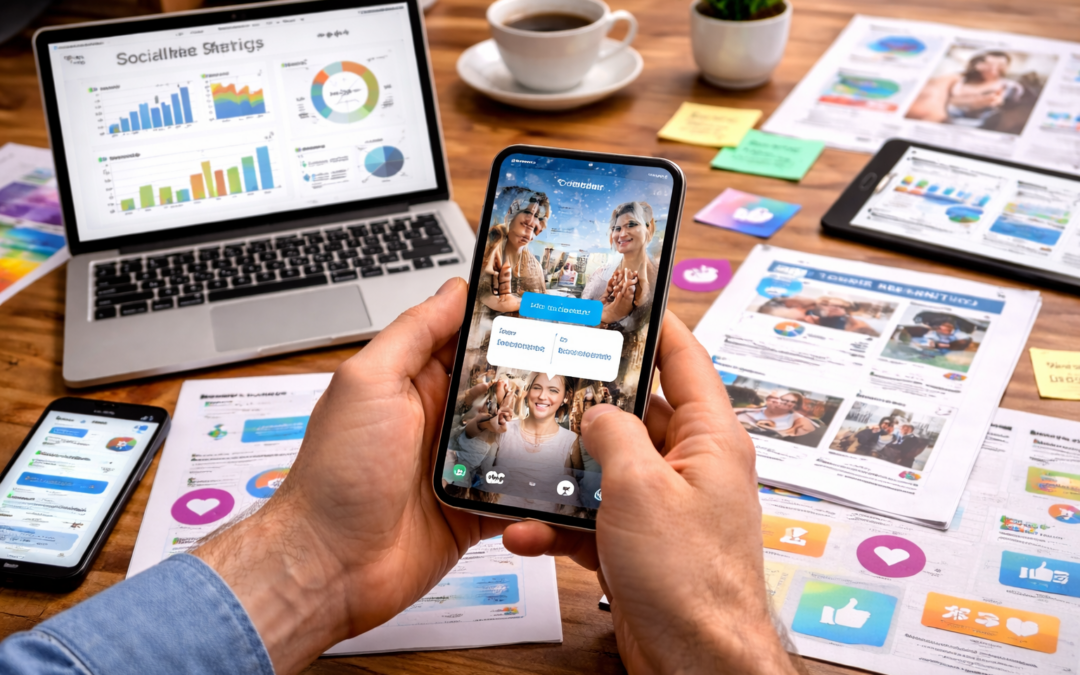
Social media audiences no longer want to passively consume branded content. They want to participate, respond, and feel part of the narrative. Interactive storytelling meets this expectation by transforming social campaigns from one-way broadcasts into engaging, two-way experiences.
When done well, interactive storytelling deepens emotional connection, increases engagement, and improves campaign performance. For brands competing in crowded feeds, it offers a powerful way to stand out without relying solely on paid reach.
This draft explores how interactive storytelling works in social campaigns and how brands can use it strategically to drive meaningful results.
What Interactive Storytelling Means in Social Marketing
Interactive storytelling combines narrative structure with participation. Instead of simply telling a story, brands invite audiences to influence or engage with it.
In social campaigns, this may include:
- Polls, quizzes, and questions
- Interactive videos or stories
- Choose-your-path narratives
- User-generated content prompts
- Live interactions and reactions
The goal is not novelty. The goal is engagement that reinforces brand message and value.
Why Interactive Storytelling Performs Better on Social Platforms
Social platforms prioritize content that sparks interaction. Comments, shares, saves, and responses signal relevance and keep content visible.
Interactive storytelling performs well because it:
- Encourages active participation
- Creates emotional investment
- Extends time spent with content
- Generates conversation and sharing
- Improves message recall
Audiences are more likely to engage with stories they can shape or respond to rather than static posts.
Align Storytelling With Campaign Objectives
Interactive storytelling should support a clear marketing objective.
Common objectives include:
- Increasing engagement and reach
- Building brand awareness
- Educating audiences
- Driving traffic or conversions
- Collecting audience insights
For example, a poll-driven story may be ideal for awareness and research, while an interactive product walkthrough supports consideration and decision-making.
Clarity ensures interaction serves strategy, not distraction.
Popular Interactive Storytelling Formats
Several formats consistently perform well across social platforms.
Polls and quizzes
These formats lower the barrier to participation and provide immediate feedback.
Interactive stories
Tap, swipe, and sticker-based interactions allow users to guide the experience.
User-generated content narratives
Audiences become part of the story by sharing experiences, opinions, or outcomes.
Live storytelling
Live video enables real-time interaction, questions, and emotional connection.
Sequential content series
Stories unfold over multiple posts, encouraging return engagement.
Each format should be chosen based on platform behavior and audience preferences.
Designing Stories That Invite Participation
Effective interactive storytelling starts with empathy.
Ask:
- What does the audience care about?
- What decision, challenge, or curiosity can they relate to?
- What role can they play in the story?
Stories should feel inclusive rather than promotional. Participation should feel natural, not forced.
Simple prompts often outperform complex mechanics. Clear direction encourages response.
Using Data to Shape Interactive Narratives
Interactive storytelling generates valuable insight.
Engagement patterns reveal:
- Audience preferences
- Common objections or interests
- Content resonance by segment
- Messaging effectiveness
Use these insights to refine future campaigns, personalize follow-up content, and inform broader strategy.
Storytelling and analytics work best together.
Integrating Interactive Storytelling Into the Funnel
Interactive storytelling can support multiple stages of the customer journey.
At the awareness stage, interactive content introduces the brand in an approachable way.
At the consideration stage, it helps audiences explore options, benefits, and fit.
At the decision stage, interactive demos, FAQs, or testimonials reduce friction.
Post-conversion, interactive storytelling strengthens community and loyalty.
Mapping stories to funnel stages improves relevance and performance.
Balancing Creativity With Consistency
While interactive storytelling encourages creativity, brand consistency remains critical.
Ensure alignment with:
- Brand voice and values
- Visual identity
- Core messaging
- Audience expectations
Consistency builds trust and recognition across campaigns, even when formats change.
Common Mistakes to Avoid
Interactive storytelling can underperform when misused.
Common mistakes include:
- Overcomplicating interactions
- Prioritizing gimmicks over substance
- Asking for engagement without value
- Ignoring platform-specific behavior
- Failing to respond to audience interaction
Engagement is a conversation. Brands must participate as well.
Measuring Success Beyond Likes
Success should be measured using metrics aligned with campaign goals.
Relevant metrics may include:
- Engagement rate
- Completion or participation rate
- Click-through rate
- Follower growth
- Sentiment and qualitative feedback
Look beyond surface metrics to understand impact.
Practical Takeaway
Interactive storytelling transforms social campaigns from static messages into shared experiences. By inviting participation, brands create stronger emotional connections and more memorable interactions.
When storytelling aligns with audience interests and strategic goals, engagement becomes a natural outcome rather than a forced tactic. In a social landscape defined by interaction, stories that invite response are the ones that endure.

by Research Team | Oct 3, 2025 | Content Marketing, Customer Experience, Digital Marketing, Social Media
Consumers are tuning out traditional ads—and turning to one another instead. In today’s digital landscape, user-generated content (UGC) has emerged as one of the most powerful tools for brands looking to build authenticity, foster trust, and increase conversions. Whether it’s a customer review, an unboxing video, a tagged social media post, or a product photo shared by a fan, UGC serves as modern word-of-mouth marketing.
Unlike polished brand campaigns that are carefully scripted and professionally produced, user-generated content is raw, unscripted, and grounded in real-life experiences. It captures genuine emotions, spontaneous moments, and the authentic voices of everyday users. That authenticity is exactly what makes it so powerful—it feels more trustworthy, more human, and ultimately, more persuasive.
Why User-Generated Content Works
People trust people. UGC provides proof that real users are engaging with your product or service—and enjoying it. It reduces hesitation, overcomes skepticism, and gives potential customers the social reassurance they need to buy.
Key reasons UGC drives trust:
- It adds credibility: A happy customer story feels more genuine than a paid ad
- It improves conversion rates: Pages with authentic reviews or photos tend to convert better
- It humanizes your brand: UGC highlights real people and real experiences
- It supports community building: Sharing content from your audience shows you value their voice
In a world where consumers crave transparency, UGC delivers social proof in a way no in-house creative team can replicate.
Types of User-Generated Content You Can Leverage
UGC comes in many forms across channels. Some of the most effective include:
- Social media posts: Photos, videos, or stories where users tag your brand
- Product reviews and ratings: Honest feedback shared on your website or third-party platforms
- Testimonials: Longer, story-based endorsements you can feature on landing pages
- Unboxing or “how-to” videos: Especially common for tech, beauty, and lifestyle products
- Forum comments or blog mentions: Natural brand mentions in niche communities
- Contests and challenges: User-created submissions prompted by campaigns
Each of these assets provides a new opportunity to reach prospects in a trustworthy and engaging way.
How to Get More User-Generated Content
Encouraging customers to share their experiences doesn’t always happen organically—you need a thoughtful strategy.
1. Make the ask simple and clear
Sometimes all it takes is asking. Use post-purchase emails, thank-you pages, or packaging inserts to encourage users to:
- Leave a review
- Share a photo or video on social media
- Tag your brand for a chance to be featured
Make it easy by offering direct links or hashtags they can copy.
2. Create a branded hashtag
A memorable hashtag allows you to organize and track user content across platforms.
Tips:
- Keep it short, unique, and on-brand
- Promote it on product pages, social bios, and in email campaigns
- Engage with users who use the hashtag—like, comment, or reshare
When done well, a hashtag becomes a hub for brand storytelling led by your audience.
3. Run UGC-based contests or campaigns
Incentivizing participation can increase UGC submissions dramatically.
Examples:
- Share your best experience using [product] and win [reward]
- Post a photo with [hashtag] for a chance to be featured
- Tell your story in the comments—our favorite gets a free gift
Be sure to outline simple rules, and always request permission before using submitted content in official materials.
4. Highlight UGC regularly on your channels
The more you showcase user content, the more others will want to participate.
Places to feature UGC:
- Instagram stories and feed
- Facebook and LinkedIn posts
- Homepage or product pages
- Email newsletters
- Paid ad creatives
When customers see their peers being highlighted, it encourages others to join in.
Best Practices for Using UGC Effectively
While UGC is inherently more informal, brands should still follow a few key guidelines when integrating it into marketing:
- Always ask for permission before reposting or repurposing
- Give clear credit to the original creator
- Choose content that aligns with your brand’s values and tone
- Moderate reviews to filter out spam, but don’t delete honest criticism
- Maintain a diverse mix of content formats and user perspectives
Respect and recognition go a long way in sustaining a healthy community of advocates.
What This Means for Your Brand
User-generated content is more than a trend—it’s a bridge between brand and buyer. It breaks down the barriers of polished marketing and brings authenticity to the forefront of your digital presence. By encouraging and embracing UGC, you not only build trust—you invite your audience to become part of the story.
Done right, UGC transforms your customers into marketers, your community into your creative team, and your brand into a conversation.
Interested in building a UGC strategy that grows with your business?
Check out more actionable guides and ideas on our blog to start turning customers into your most credible content creators.