
by Research Team | Feb 23, 2026 | Conversion Optimization, Data - Driven Marketing, Performance Marketing, User Experience
Driving traffic is only part of digital marketing success. What happens after users arrive determines whether marketing efforts deliver real value. Conversion rate optimization focuses on improving how effectively digital experiences turn visitors into leads, customers, or engaged users.
Conversion rate optimization, often referred to as CRO, helps marketers make smarter decisions by using data, testing, and user behavior insights to improve performance across channels. When applied strategically, CRO strengthens every aspect of digital marketing.
What Conversion Rate Optimization Really Is
Conversion rate optimization is the process of increasing the percentage of users who take a desired action on a website or digital platform. These actions may include form submissions, purchases, sign-ups, downloads, or other engagement goals.
Rather than increasing traffic volume, CRO improves the efficiency of existing traffic. It identifies friction points, removes obstacles, and aligns experiences with user intent.
CRO relies on evidence rather than assumptions. Testing and analysis guide decisions.
Why CRO Matters in Digital Marketing Strategy
Marketing budgets are finite. CRO ensures that existing investments generate greater returns.
By improving conversion rates, marketers can lower acquisition costs, increase revenue, and improve campaign performance without increasing spend. CRO also provides insight into what users value and how they interact with content.
These insights inform broader strategy decisions beyond individual landing pages.
The Role of User Behavior in CRO
User behavior data is central to conversion optimization.
Heatmaps, session recordings, scroll depth, and click patterns reveal how users interact with pages. These insights highlight where attention is focused and where confusion occurs.
Understanding behavior allows marketers to design experiences that feel intuitive rather than forced.
How CRO Supports Data-Driven Decision-Making
CRO replaces opinion-based decisions with measurable outcomes.
A structured testing approach evaluates changes based on performance rather than preference. Headlines, layouts, calls to action, and forms can be tested systematically.
This data-driven approach reduces risk and builds confidence in marketing decisions.
Key Elements of an Effective CRO Strategy
A successful CRO strategy includes several core components.
First, clear conversion goals must be defined. Without clear objectives, optimization lacks direction.
Second, data collection and analysis identify opportunities. Analytics, user feedback, and behavioral tools guide prioritization.
Third, testing validates hypotheses. Controlled experiments reveal what improves performance.
Finally, insights are documented and applied across channels to maximize impact.
Common CRO Techniques Used by Marketers
Several techniques are commonly used in conversion optimization.
A B testing compares variations to determine which performs better. Multivariate testing evaluates multiple elements simultaneously.
User feedback surveys provide qualitative insights. Simplified forms, clearer messaging, and improved page speed often yield meaningful gains.
The most effective CRO programs combine multiple techniques.
CRO and Customer Experience
Conversion optimization and customer experience are closely connected.
Optimizing for conversions does not mean pressuring users. Instead, it focuses on clarity, usability, and relevance.
When experiences are easy to navigate and aligned with intent, conversions increase naturally.
Positive experiences also support retention and brand perception.
CRO Across the Digital Funnel
CRO applies to every stage of the digital funnel.
At the top of the funnel, optimization improves engagement and lead capture. In the middle, it supports nurturing and consideration. At the bottom, it removes barriers to conversion.
Post-conversion optimization improves onboarding and long-term engagement.
Viewing CRO holistically maximizes its strategic value.
Integrating CRO With Other Marketing Channels
CRO insights extend beyond websites.
Landing page learnings inform email messaging, paid ad copy, and content strategy. Understanding what resonates with users improves consistency across channels.
This integration strengthens overall marketing performance.
Measuring the Impact of Conversion Optimization
The success of CRO should be measured through outcomes.
Key metrics include conversion rates, revenue per visitor, engagement quality, and customer acquisition costs.
Long-term measurement evaluates how optimization influences lifetime value and retention.
CRO provides both immediate and cumulative benefits.
Challenges in Conversion Rate Optimization
CRO presents challenges that require discipline.
One challenge is testing volume. Limited traffic can slow experimentation. Another is prioritization. Not every idea deserves testing.
Organizational patience is also important. CRO is an ongoing process, not a one-time fix.
Clear frameworks help teams overcome these challenges.
The Future of Conversion Rate Optimization
CRO continues to evolve with advances in analytics, automation, and personalization.
AI-driven testing, predictive insights, and real-time optimization will further enhance CRO capabilities.
As digital experiences become more complex, optimization will remain essential for performance and usability.
Turning Optimization Into Strategic Advantage
Conversion rate optimization strengthens digital marketing by improving efficiency and insight.
By focusing on user behavior, testing, and data-driven improvement, marketers make smarter decisions that compound over time.
CRO is not just a tactical tool. It is a strategic discipline that drives sustainable digital marketing success.

by Research Team | Jan 8, 2026 | Content Marketing, Digital Marketing, User Experience
For years, content marketing has focused on creating valuable, relevant, and consistent material to attract and retain customers. While this remains vital, another factor has risen to equal importance: the content experience. It’s not just what is being shared but how it is delivered that determines whether audiences engage, connect, and convert.
In an age of short attention spans and endless digital noise, content delivery is no longer a secondary consideration. Presentation, accessibility, and interactivity shape how content is received and remembered. Without a strong experience, even the most insightful content risks being overlooked.
What Is Content Experience?
Content experience refers to the environment in which content is consumed and the feelings it creates for the audience. It goes beyond creation to consider structure, design, personalization, and context. While content marketing answers the question, What do we want to say?, content experience asks, How will the audience experience it?
Elements of content experience include:
- Design and layout that makes material visually appealing and easy to navigate
- Personalization that tailors recommendations or topics to individual preferences
- Seamless delivery across devices, ensuring mobile, desktop, and tablet users enjoy the same quality
- Interactivity that transforms passive reading into active engagement
- Contextual placement so content appears at the right stage of the customer journey
Together, these elements influence whether audiences connect with the content or scroll past it.
Why Delivery Matters
Audiences today are flooded with information. They don’t just seek valuable content; they expect it to be packaged in a way that respects their time and attention. Delivery affects engagement in several ways:
- First impressions: Poor formatting or slow load times can drive audiences away before they even begin.
- Ease of use: Clear navigation and responsive design encourage deeper exploration.
- Emotional connection: Engaging visuals and storytelling formats help content resonate on a personal level.
- Memorability: A unique, well-designed experience increases the chances of content being shared and remembered.
When delivery aligns with audience needs, content becomes not only informative but also enjoyable.
Content Marketing vs. Content Experience
Although closely related, content marketing and content experience are distinct. Content marketing is about strategy, messaging, and consistency, while content experience focuses on design, usability, and personalization. One provides the “what,” and the other delivers the “how.”
A brand that publishes excellent blog posts but fails to optimize for mobile devices is investing in content marketing but neglecting content experience. Conversely, a beautifully designed interactive piece with little substance risks prioritizing experience over value. True success comes from balancing both.
How to Improve Content Experience
Creating a strong content experience requires intentional planning. Marketers can:
- Audit existing content to identify design or usability barriers.
- Adopt responsive design to ensure a seamless mobile and desktop experience.
- Integrate personalization using data-driven insights to recommend relevant content.
- Add interactive elements such as polls, quizzes, or dynamic visuals to boost engagement.
- Consider accessibility by ensuring readability, proper contrast, and alternative formats.
- Align with the customer journey so content appears in the right place at the right time.
These steps elevate content from static information to a guided, meaningful experience.
Challenges in Delivering Content Experiences
Shaping experiences takes resources, from design expertise to advanced technology. Overcomplication is another risk; too many interactive elements or heavy visuals can distract from the message. Balancing creativity with clarity is essential.
Data privacy also requires careful handling. While personalization enhances experience, it must be transparent and respectful of customer concerns. Brands that misuse data risk damaging trust.
Final Reflection
Content marketing ensures that brands share valuable insights, but content experience determines how those insights are received. When the two are combined, they create a powerful partnership that captures attention, builds trust, and drives action.
In a digital environment where attention is scarce, the brands that thrive will be those that not only craft strong messages but also deliver them in ways that feel seamless, engaging, and memorable. Delivery matters just as much as the message—and together, they shape the complete impact of content.
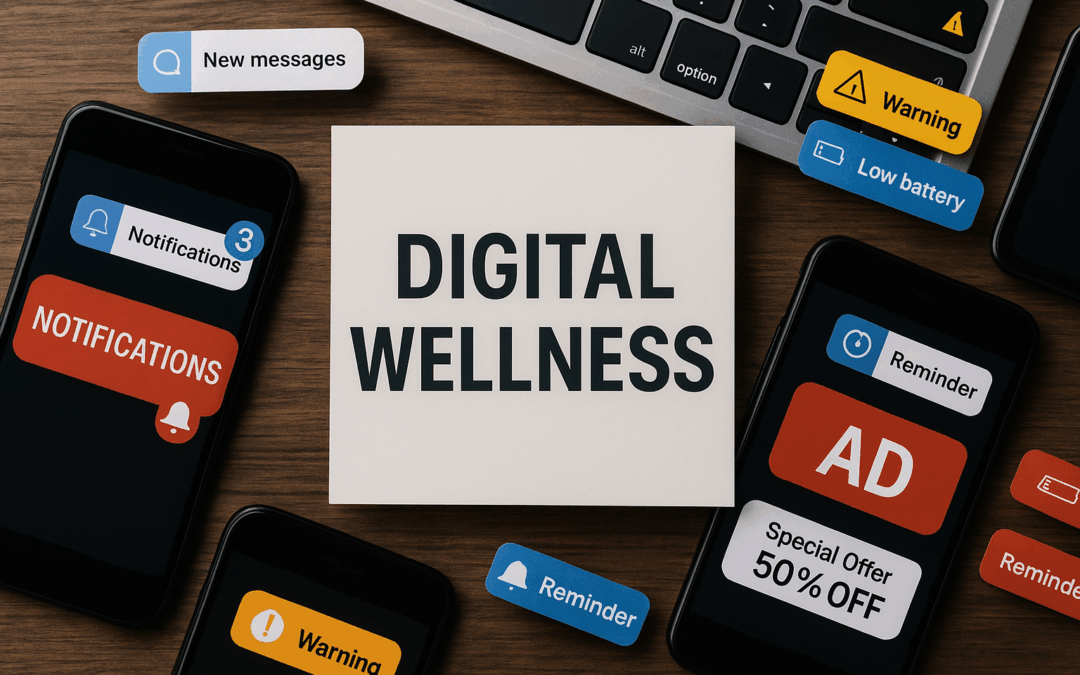
by Research Team | Dec 15, 2025 | Customer Trust, Ethical Marketing, User Experience
The digital world has become an always-on environment, filled with constant notifications, emails, and advertisements competing for attention. While technology enables brands to reach audiences with remarkable precision, it has also created a new challenge—attention fatigue.
Consumers are overwhelmed. Their screens are cluttered, their inboxes full, and their patience for intrusive or repetitive ads is shrinking. In this environment, brands that respect user attention will win trust and long-term loyalty.
Digital wellness marketing is about creating meaningful, mindful interactions with audiences—prioritizing quality, empathy, and timing over sheer volume.
What Is Digital Wellness Marketing
Digital wellness marketing focuses on aligning marketing strategies with users’ mental and emotional well-being. It emphasizes responsible engagement—respecting how, when, and how often consumers are reached.
Instead of overwhelming users with content, this approach seeks to deliver relevant, timely, and positive experiences that enhance, rather than interrupt, digital life.
It’s a mindset shift from “how many impressions can we get?” to “how can we make our impressions count?”
Why Respecting User Attention Matters
The average person is exposed to thousands of marketing messages every day. Pop-ups, push notifications, retargeting ads, and social feeds all compete for their attention. This constant bombardment leads to ad fatigue—where users start to ignore, skip, or block ads altogether.
When attention becomes scarce, authenticity and respect become the most valuable marketing currencies.
Here’s why attention-friendly marketing matters:
- User trust depends on experience. Overexposure and aggressive targeting can make customers feel exploited rather than valued.
- Engagement declines under overload. Even the best creative loses impact when audiences are burned out by excessive repetition.
- Regulations and privacy norms are evolving. Laws like GDPR and evolving ad restrictions reinforce the need for more ethical, user-centered engagement.
Digital wellness marketing isn’t just good ethics—it’s good business.
Understanding Ad Fatigue and Attention Decline
Ad fatigue occurs when audiences become desensitized to repetitive or irrelevant content. They stop noticing ads, skip videos, or even develop negative feelings toward a brand.
Signs of ad fatigue include:
- Decreasing click-through rates and engagement
- Rising cost per conversion
- Higher unsubscribe or opt-out rates
- Lower brand recall despite frequent exposure
Attention decline is the broader behavioral impact—users tuning out because digital content feels like noise. In such an environment, marketers must adapt to respect human limits and design strategies that balance visibility with empathy.
Principles of Digital Wellness Marketing
To practice digital wellness marketing effectively, brands should embrace a few key principles that place audience experience at the center.
Quality Over Quantity
Instead of saturating every platform, focus on crafting high-quality, relevant messages that resonate with specific segments. Fewer, better interactions often yield greater impact than constant exposure.
Context and Timing
Understanding when and where your audience is most receptive is crucial. Delivering the right message at the right moment increases relevance and reduces frustration.
For example, a travel brand promoting vacations might perform better during lunch hours or weekends than during the early morning work rush.
Respect for Boundaries
Avoid intrusive ad placements or frequency overload. Users should have control over how often they hear from you—through opt-ins, preferences, or quiet-period settings.
Transparency and Choice
Be clear about how and why you collect user data. Offering transparency and easy opt-out options builds credibility and strengthens brand trust.
Positive Impact
Digital wellness means aligning marketing with positive outcomes. Content that inspires, educates, or empowers users contributes to well-being rather than fatigue.
Strategies to Prevent Ad Exhaustion
Implementing digital wellness in marketing requires practical adjustments across channels and campaigns.
Limit Frequency and Optimize Delivery
Use frequency caps to prevent overexposure. If users see the same ad too often, they mentally tune out. Analytics tools can help you track engagement drop-offs and adjust delivery patterns.
Personalize Responsibly
Personalization should enhance relevance, not feel invasive. Focus on providing value—recommendations, reminders, or helpful insights—based on user behavior, not surveillance.
Responsible personalization strengthens relationships without crossing boundaries.
Refresh Creative Regularly
Rotating visuals, headlines, and formats keeps content fresh and prevents fatigue. Small changes can renew interest without increasing frequency.
Invest in Content That Adds Value
Educational or story-driven content tends to perform better in a wellness-focused strategy. Blogs, how-to videos, or social series that entertain or inform are more likely to engage users long-term.
Leverage User Control Tools
Encourage your audience to set preferences for communication channels and timing. Empowering users with choice enhances satisfaction and builds mutual respect.
Prioritize Ad Placement Quality
Choose placements that complement user experience—native ads, sponsored content, or contextual advertising—rather than interruptive pop-ups or auto-play videos.
Monitor Emotional Tone
AI and sentiment analysis tools can help assess how audiences respond to messaging. Campaigns that evoke positive emotion tend to create stronger engagement and lower fatigue levels.
Examples of Wellness-Focused Marketing
Many brands are already embracing digital wellness principles to strengthen their connection with audiences.
- Spotify limits push notifications and curates personalized “listening breaks” to encourage mindful media consumption.
- Apple’s Screen Time feature has inspired marketing campaigns focused on balance and intentional device use.
- Calm and Headspace build their marketing around the idea of mental clarity, using soft visuals and reassuring tones instead of aggressive selling.
These examples show that respecting attention can be just as powerful as capturing it.
Measuring Success in Attention-Friendly Marketing
Success in digital wellness marketing goes beyond clicks and conversions. The metrics that matter most focus on engagement quality and brand sentiment.
Key indicators include:
- Engagement rate per impression (not just total impressions)
- Dwell time or content interaction depth
- Customer satisfaction and net promoter score (NPS)
- Reduction in unsubscribe or ad-block rates
- Sentiment analysis of audience feedback
When audiences engage willingly and feel positive about your brand presence, you know your strategy is working.
The Future of Ethical Attention
As digital ecosystems become even more crowded, respecting attention will define the next phase of marketing excellence.
AI and automation will continue to help optimize timing and relevance—but human empathy will remain irreplaceable. Successful marketers will blend technology with emotional intelligence, ensuring that every message adds value rather than noise.
Digital wellness marketing isn’t about doing less—it’s about doing better. Brands that honor users’ time and mental space will stand out not through volume, but through meaning.

by Research Team | Dec 12, 2025 | Digital Marketing, Optimization, User Experience
Driving traffic to a website is only half the battle. The real measure of digital success lies in how effectively that traffic turns into leads, customers, or loyal subscribers. This is where Conversion Rate Optimization (CRO) comes in. CRO focuses on improving the percentage of visitors who take a desired action, whether it’s filling out a form, making a purchase, or signing up for a newsletter.
Often, the most effective changes are not massive overhauls but small, strategic adjustments that lead to significant results. Let’s explore practical CRO hacks that can help businesses capture more value from existing traffic.
Why CRO Matters
Even if a brand is generating steady traffic, a low conversion rate means opportunities are being missed. Improving conversions allows businesses to make the most of their current marketing investments, without relying solely on increased ad spend or new traffic sources.
For example, increasing a conversion rate from 2% to 3% may not sound groundbreaking. Yet in practice, that’s a 50% increase in sales without any additional investment in traffic generation.
CRO Hacks That Deliver
1. Simplify Forms
Lengthy forms often discourage visitors from completing actions. Reducing the number of fields to only what is essential can dramatically increase submission rates. If additional information is needed, consider multi-step forms that collect data in smaller chunks.
2. Strengthen Calls-to-Action (CTAs)
A clear, compelling CTA can make all the difference. Instead of generic text like “Submit,” try action-oriented language such as “Get My Free Guide” or “Start My Trial Today.” The CTA should stand out visually and match the intent of the visitor.
3. Improve Page Speed
A slow website frustrates visitors and can drive them away before they convert. Optimizing images, using caching, and reducing unnecessary scripts can improve load times, keeping visitors engaged.
4. Use Social Proof
Customer testimonials, reviews, and case studies build trust. Displaying user-generated content or highlighting how many people have already purchased or signed up can reassure hesitant visitors.
5. Optimize for Mobile
With mobile devices driving a significant share of traffic, ensuring pages are mobile-friendly is critical. Mobile-optimized forms, simplified navigation, and faster mobile load speeds improve the user experience and boost conversions.
6. Test Headlines and Copy
Small wording changes can have a big impact on conversions. A/B testing different headlines, subheadings, or value propositions helps identify which messages resonate most with audiences.
7. Leverage Scarcity and Urgency
Limited-time offers or low-stock notifications encourage quicker decision-making. Phrases like “Only 3 left in stock” or “Offer ends in 24 hours” can motivate visitors to take action sooner.
8. Streamline Checkout Processes
For e-commerce businesses, complicated checkout flows are a leading cause of cart abandonment. Simplifying steps, offering guest checkout, and clearly displaying shipping costs can reduce friction.
9. Personalize Experiences
Personalized product recommendations, dynamic content, and tailored emails can significantly increase engagement. Visitors respond more positively when experiences feel relevant to their needs.
10. Use Heatmaps and Analytics
Tools like heatmaps and session recordings reveal how visitors interact with a page. Understanding where users click, scroll, or drop off provides valuable insights for targeted improvements.
Measuring CRO Success
The effectiveness of CRO hacks should always be backed by data. Metrics to track include:
- Conversion rate (by page or funnel)
- Bounce rate
- Average session duration
- Abandoned cart rate
- Customer lifetime value
Continuous testing and refinement are essential. What works for one brand or audience may not work for another, so regular experiments are key to long-term CRO success.
Building a Culture of Optimization
CRO is not a one-time task—it’s an ongoing process. Companies that integrate CRO into their digital strategies develop a culture of testing, data-driven decision-making, and incremental improvements. Over time, even small changes accumulate into significant business growth.
Key Takeaways
Conversion Rate Optimization is about more than just tweaking a website—it’s about understanding user behavior and removing obstacles that prevent action. From simplifying forms to enhancing calls-to-action, small adjustments can lead to measurable improvements in results.
By focusing on data-driven testing and user experience, businesses can unlock more value from their existing traffic. The beauty of CRO lies in its efficiency: big wins are often found in small tweaks.

by Research Team | Dec 9, 2025 | Digital Branding, Interactive Marketing, User Experience
Digital marketing has always been a visual game. Logos, color palettes, and imagery have long defined brand identity. But as technology evolves, brands are discovering new ways to engage audiences on a deeper, more emotional level—by appealing to multiple senses.
Marketing for the senses goes beyond visuals. It integrates sound, motion, and even simulated texture to create immersive experiences that feel human and memorable. In a digital world where attention is fleeting, sensory branding builds stronger emotional connections and lasting impressions.
The Evolution of Sensory Branding
In traditional marketing, sensory appeal was limited to physical experiences—store layouts, packaging, or in-person events. But as more of the customer journey has shifted online, brands have found creative ways to replicate and even enhance sensory engagement digitally.
Sound design, motion graphics, and tactile simulations now help brands express personality and emotion across screens and devices. From subtle background tones to interactive animations, these sensory cues shape how audiences perceive, remember, and connect with a brand.
Why Sensory Marketing Matters in a Digital World
Human perception is multisensory. Research shows that the more senses an experience engages, the more memorable and emotionally resonant it becomes. Digital sensory marketing leverages that truth to transform ordinary brand interactions into immersive experiences.
Here’s why it matters:
- Deeper emotional connection: Sensory cues evoke feelings faster than words or visuals alone.
- Increased brand recall: Multi-sensory experiences help audiences remember brands more vividly.
- Enhanced differentiation: In competitive markets, sensory branding adds dimension and distinctiveness.
- Improved engagement: Dynamic, interactive sensory elements keep users exploring longer.
Digital sensory design bridges logic and emotion—turning screens into experiences that can be felt as much as seen.
The Power of Sound in Digital Branding
Sound plays a crucial role in how people experience and remember a brand. Think of notification tones, intro jingles, or background music—they communicate mood, reinforce identity, and even influence behavior.
Sonic Branding
Sonic branding uses sound to express a brand’s personality. A distinctive tone, melody, or chime can become instantly recognizable—much like a visual logo. These sonic signatures convey values and emotions, often subconsciously.
For example, a calm ambient tone might reflect reliability, while upbeat electronic sounds evoke innovation or energy.
Soundscapes and Music
Music in digital spaces—videos, podcasts, or ads—sets the emotional tone. Choosing the right soundtrack helps reinforce the story you’re telling. Even subtle background audio on a website or app can enhance immersion when used thoughtfully.
Voice and Tone
With the rise of voice assistants and AI-driven interactions, a brand’s “voice” isn’t just visual—it’s literal. The tone, pacing, and friendliness of voice interfaces can significantly impact user comfort and trust.
The Role of Motion in Digital Branding
Motion gives digital experiences life. From scrolling animations to product demos, movement captures attention and guides focus. But beyond aesthetics, motion tells stories, expresses personality, and creates a sense of flow.
Micro-Interactions
Micro-interactions—small animations triggered by user actions—make digital interfaces feel intuitive and responsive. A button that gently expands when clicked or a smooth transition between pages communicates care and quality.
Motion Storytelling
Video content, interactive animations, and kinetic typography all use motion to tell stories dynamically. Movement evokes emotion, builds rhythm, and helps users absorb complex information effortlessly.
The Psychology of Movement
Motion also impacts perception. Smooth, slow transitions convey calmness and reliability, while quick, energetic movements signal innovation or excitement. When used purposefully, motion becomes a silent language that reinforces brand identity.
The Texture of Digital Experience
Texture is less obvious in digital design, but it’s no less powerful. It refers to the tactile illusion created by visuals, patterns, or interface elements that suggest depth and materiality.
Visual Texture
Subtle gradients, shadows, and layered elements can make interfaces feel more tangible and realistic. This approach helps users emotionally connect with digital environments by mimicking real-world textures like fabric, paper, or metal.
Haptic Feedback
On mobile devices and wearables, vibration and touch responses simulate texture and physical interaction. A soft vibration when tapping a button or completing an action adds physical satisfaction and enhances engagement.
Tactile Metaphors
Texture can also be metaphorical—reflected through design choices that “feel” consistent with the brand. A luxury brand might use smooth, glossy surfaces to convey sophistication, while an eco-conscious brand may favor organic, earthy textures.
How to Build a Multi-Sensory Digital Brand
Creating a sensory-driven digital experience requires more than adding sound or motion—it demands coherence. Each sensory element should align with brand values, tone, and purpose.
1. Define Your Sensory Identity
Start by identifying your brand’s emotional core. Are you calm and reassuring, bold and energetic, or minimalist and refined? Every sound, motion, and texture should reinforce that essence.
2. Use Sound Intentionally
Avoid unnecessary audio that distracts or overwhelms. Instead, use sound to guide, enhance, or reward user actions. Ensure it complements visual identity and maintains accessibility for all users.
3. Design With Movement in Mind
Plan motion as part of the storytelling process. Consider how animations and transitions can simplify navigation, direct attention, or add delight. Every movement should have purpose and rhythm.
4. Add Subtle Texture for Depth
Incorporate visual layers that feel tactile without cluttering the design. Balanced use of texture adds warmth and realism to otherwise flat digital spaces.
5. Maintain Consistency Across Channels
Your sensory identity should extend across touchpoints—website, app, video, and social content. Consistent sound design, animation style, and texture create a cohesive and recognizable experience.
6. Test User Response
Gather feedback on how audiences perceive your sensory choices. Small adjustments to tone, motion speed, or visual texture can greatly affect emotional impact.
The Future of Sensory Digital Marketing
Emerging technologies like augmented reality (AR), virtual reality (VR), and spatial audio are redefining what’s possible in sensory branding.
- AR enables users to “feel” textures through 3D visuals and motion-based interaction.
- VR immerses audiences in branded environments that engage multiple senses simultaneously.
- Spatial audio creates three-dimensional soundscapes that make digital storytelling more lifelike.
As these technologies evolve, the boundaries between digital and physical experience will continue to blur. Sensory marketing will become less about adding flair and more about designing meaningful emotional experiences.
Engaging the Human Senses in a Digital Age
Marketing for the senses reminds us that people don’t just think—they feel. Every sound, movement, and texture influences how audiences perceive your brand. By designing experiences that appeal to multiple senses, marketers create deeper emotional connections that transcend screens.
In a world driven by algorithms and automation, sensory branding brings humanity back into digital communication. It’s not about technology for its own sake—it’s about creating experiences people can truly feel.

by Research Team | Nov 9, 2025 | Brand Strategy, Optimization, User Experience
For years, accessibility has been viewed primarily as a compliance concern—something companies have to do to avoid legal risk. But forward-thinking marketers now recognize that digital accessibility is a competitive advantage. When your website, emails, videos, and digital experiences are inclusive, you not only meet legal standards—you open the door to a wider audience, improve user experience, and enhance your brand reputation.
Inclusive design isn’t just ethical—it’s strategic.
What Is Digital Accessibility?
Digital accessibility means ensuring that all people—including those with disabilities—can easily access and interact with your digital content. This includes:
- Visually impaired users who rely on screen readers
- Users with motor disabilities who use keyboard navigation or voice commands
- Individuals with hearing loss need captions or transcripts
- People with cognitive impairments who benefit from simple layouts and clear language
Accessibility also benefits people with situational limitations, such as a noisy environment, poor lighting, or a slow internet connection.
Why Accessibility Is a Smart Marketing Strategy
1. It Expands Your Market Reach
Over 1 billion people globally live with a disability. In many countries, that translates to nearly 1 in 5 potential customers. If your digital presence isn’t accessible, you’re unintentionally excluding a large—and loyal—audience.
2. It Improves SEO
Search engines value accessible design. Features like alt text, proper heading structure, clear navigation, and mobile responsiveness all align with SEO best practices. A site that’s easy for a screen reader to navigate is usually easier for Google to index.
3. It Enhances Usability for Everyone
Accessible design isn’t just for people with disabilities. Captions help everyone in quiet or noisy environments. High-contrast text improves readability for mobile users in sunlight. Keyboard navigation supports power users and those with temporary injuries.
4. It Builds Brand Trust and Loyalty
Inclusivity reflects positively on your brand. When people see that you prioritize all users—not just the majority—they’re more likely to support, recommend, and advocate for your business.
5. It Future-Proofs Your Digital Assets
As regulations evolve (like the Americans with Disabilities Act, WCAG guidelines, and European accessibility laws), having an inclusive foundation makes compliance easier and protects your brand reputation.
Key Areas to Make Accessible
1. Websites
- Use semantic HTML for structure
- Add descriptive alt text for images
- Ensure sufficient color contrast between text and background
- Provide skip navigation links for screen readers
- Avoid using color alone to convey meaning
2. Videos and Webinars
- Add closed captions and audio descriptions
- Provide transcripts for on-demand viewing
- Use clear visual hierarchy and onscreen cues
3. Email Marketing
- Write descriptive subject lines and link text
- Structure emails with proper headings
- Avoid image-only emails—include readable text
- Test for screen reader compatibility
4. PDFs and Downloadables
- Use accessible PDF formatting tools
- Tag headers and lists properly
- Provide alternative formats when possible
5. Social Media
- Add alt text to image posts
- Include hashtags in CamelCase (e.g., #DigitalMarketingTips)
- Avoid flashing or fast-moving visuals
Accessibility and UX Go Hand in Hand
When marketers prioritize accessibility, they naturally improve the user experience (UX) for everyone. Clean navigation, readable fonts, clear calls-to-action, and simplified page structure all reduce friction—leading to better engagement, lower bounce rates, and higher conversions.
Accessibility isn’t a limitation—it’s a guide to better design.
Best Practices to Get Started
1. Conduct an Accessibility Audit
Use tools like WAVE, Axe, or Lighthouse to test your website and identify areas for improvement.
2. Follow WCAG Guidelines
The Web Content Accessibility Guidelines (WCAG) offer a global standard for accessibility compliance. Aim to meet at least WCAG 2.1 Level AA.
3. Design With Flexibility in Mind
Use responsive layouts, scalable text, and customizable contrast modes. Let users control their experience.
4. Train Your Team
Educate designers, developers, content creators, and marketers on inclusive practices so accessibility is considered from the start—not retrofitted later.
5. Involve Diverse Testers
Test your digital content with people of different abilities to get real feedback—not just technical validation.
Accessibility Is Good for Business
Making your digital content accessible isn’t just a checkbox—it’s a growth strategy. It opens your brand to underserved audiences, improves your performance metrics, and strengthens your values as a company.
When you invest in inclusivity, you’re not only making your content easier to use—you’re making your brand more human, more responsive, and more resilient.