Driving traffic is only part of digital marketing success. What happens after users arrive determines whether marketing efforts deliver real value. Conversion rate optimization focuses on improving how effectively digital experiences turn visitors into leads, customers, or engaged users.
Conversion rate optimization, often referred to as CRO, helps marketers make smarter decisions by using data, testing, and user behavior insights to improve performance across channels. When applied strategically, CRO strengthens every aspect of digital marketing.
What Conversion Rate Optimization Really Is
Conversion rate optimization is the process of increasing the percentage of users who take a desired action on a website or digital platform. These actions may include form submissions, purchases, sign-ups, downloads, or other engagement goals.
Rather than increasing traffic volume, CRO improves the efficiency of existing traffic. It identifies friction points, removes obstacles, and aligns experiences with user intent.
CRO relies on evidence rather than assumptions. Testing and analysis guide decisions.
Why CRO Matters in Digital Marketing Strategy
Marketing budgets are finite. CRO ensures that existing investments generate greater returns.
By improving conversion rates, marketers can lower acquisition costs, increase revenue, and improve campaign performance without increasing spend. CRO also provides insight into what users value and how they interact with content.
These insights inform broader strategy decisions beyond individual landing pages.
The Role of User Behavior in CRO
User behavior data is central to conversion optimization.
Heatmaps, session recordings, scroll depth, and click patterns reveal how users interact with pages. These insights highlight where attention is focused and where confusion occurs.
Understanding behavior allows marketers to design experiences that feel intuitive rather than forced.
How CRO Supports Data-Driven Decision-Making
CRO replaces opinion-based decisions with measurable outcomes.
A structured testing approach evaluates changes based on performance rather than preference. Headlines, layouts, calls to action, and forms can be tested systematically.
This data-driven approach reduces risk and builds confidence in marketing decisions.
Key Elements of an Effective CRO Strategy
A successful CRO strategy includes several core components.
First, clear conversion goals must be defined. Without clear objectives, optimization lacks direction.
Second, data collection and analysis identify opportunities. Analytics, user feedback, and behavioral tools guide prioritization.
Third, testing validates hypotheses. Controlled experiments reveal what improves performance.
Finally, insights are documented and applied across channels to maximize impact.
Common CRO Techniques Used by Marketers
Several techniques are commonly used in conversion optimization.
A B testing compares variations to determine which performs better. Multivariate testing evaluates multiple elements simultaneously.
User feedback surveys provide qualitative insights. Simplified forms, clearer messaging, and improved page speed often yield meaningful gains.
The most effective CRO programs combine multiple techniques.
CRO and Customer Experience
Conversion optimization and customer experience are closely connected.
Optimizing for conversions does not mean pressuring users. Instead, it focuses on clarity, usability, and relevance.
When experiences are easy to navigate and aligned with intent, conversions increase naturally.
Positive experiences also support retention and brand perception.
CRO Across the Digital Funnel
CRO applies to every stage of the digital funnel.
At the top of the funnel, optimization improves engagement and lead capture. In the middle, it supports nurturing and consideration. At the bottom, it removes barriers to conversion.
Post-conversion optimization improves onboarding and long-term engagement.
Viewing CRO holistically maximizes its strategic value.
Integrating CRO With Other Marketing Channels
CRO insights extend beyond websites.
Landing page learnings inform email messaging, paid ad copy, and content strategy. Understanding what resonates with users improves consistency across channels.
This integration strengthens overall marketing performance.
Measuring the Impact of Conversion Optimization
The success of CRO should be measured through outcomes.
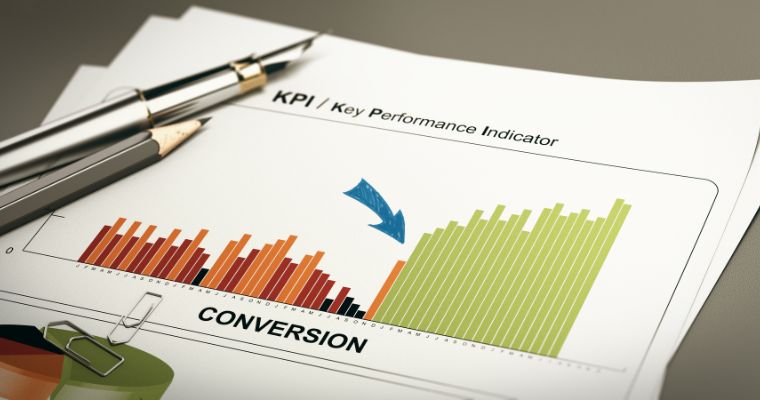
Key metrics include conversion rates, revenue per visitor, engagement quality, and customer acquisition costs.
Long-term measurement evaluates how optimization influences lifetime value and retention.
CRO provides both immediate and cumulative benefits.
Challenges in Conversion Rate Optimization
CRO presents challenges that require discipline.
One challenge is testing volume. Limited traffic can slow experimentation. Another is prioritization. Not every idea deserves testing.
Organizational patience is also important. CRO is an ongoing process, not a one-time fix.
Clear frameworks help teams overcome these challenges.
The Future of Conversion Rate Optimization
CRO continues to evolve with advances in analytics, automation, and personalization.
AI-driven testing, predictive insights, and real-time optimization will further enhance CRO capabilities.
As digital experiences become more complex, optimization will remain essential for performance and usability.
Turning Optimization Into Strategic Advantage
Conversion rate optimization strengthens digital marketing by improving efficiency and insight.
By focusing on user behavior, testing, and data-driven improvement, marketers make smarter decisions that compound over time.
CRO is not just a tactical tool. It is a strategic discipline that drives sustainable digital marketing success.
In today’s digital landscape, every marketing dollar counts. Businesses are constantly faced with one crucial question: how much should you spend on paid media versus organic marketing? Striking the right balance between the two is no longer optional—it’s essential for growth, visibility, and sustainable ROI.
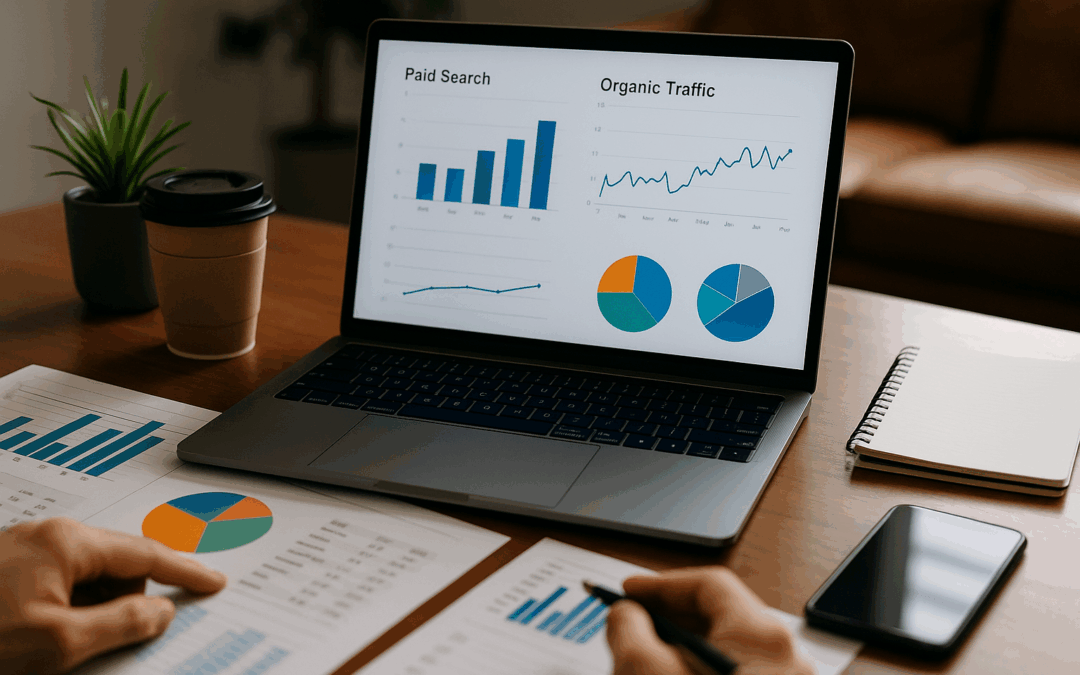
A hybrid paid-organic media strategy blends the precision of paid campaigns with the authenticity and long-term power of organic marketing. When done right, it maximizes your reach, amplifies your message, and ensures you’re not overly dependent on one channel. Let’s explore how to plan, allocate, and optimize your hybrid strategy for maximum return.
1. The Evolving Media Mix: Why Balance Matters
For years, digital marketers have debated whether paid or organic delivers the best results. The truth? They serve different roles and work best together.
Paid media—ads on Google, Meta, LinkedIn, or programmatic platforms—drives quick visibility, fast testing, and precise targeting. Organic media—your SEO content, email nurture, and social engagement—builds brand credibility, authority, and audience loyalty over time.
Overreliance on either can be risky. Relying solely on ads means you’re renting your audience; stop paying, and your reach disappears. On the other hand, focusing only on organic can limit your short-term growth, especially in competitive markets.
A hybrid strategy ensures immediate reach and sustainable traction, keeping your funnel healthy from awareness to conversion.
2. Understanding the Roles in Your Marketing Funnel
Before dividing your budget, it’s crucial to understand how paid and organic efforts support each stage of your customer journey.
Awareness Stage
Paid media: Boost brand visibility quickly through display ads, paid social campaigns, and YouTube prerolls.
Organic media: Build awareness via SEO-optimized blog content, social posts, and influencer collaborations that educate and engage.
Consideration Stage
Paid media: Retarget website visitors, use lead-generation ads, or promote gated assets like eBooks or webinars.
Organic media: Strengthen trust with detailed articles, case studies, and consistent email newsletters.
Conversion Stage
Paid media: Deploy remarketing ads and time-sensitive offers to push leads to purchase.
By mapping each channel’s function to your funnel, you’ll identify where paid spend amplifies performance and where organic can carry momentum.
3. How to Determine Your Budget Split
There’s no one-size-fits-all formula, but here’s a practical framework to guide allocation.
Step 1: Analyze Past Performance
Start by auditing the ROI and cost per acquisition (CPA) from both your paid and organic channels. Use tools like Google Analytics 4, HubSpot, or SEMrush to compare:
Traffic quality (bounce rate, time on site)
Conversion rates by source
Customer lifetime value (CLV)
You may find that paid ads bring more leads but at a higher cost, while organic brings fewer but higher-intent customers.
Step 2: Establish Business Priorities
Your split should align with your growth goals:
Brand awareness goal: 60% paid, 40% organic
Lead generation goal: 50/50 split
Sustainability and SEO growth: 30% paid, 70% organic
Remember, the more mature your brand’s online presence, the more you can lean on organic performance over time.
Step 3: Reassess Quarterly
Digital trends shift fast. A quarterly review lets you reallocate resources based on performance, seasonality, or algorithm updates. Use A/B testing and multi-touch attribution to refine spending decisions continuously.
4. Smart Ways to Integrate Paid and Organic Efforts
Creating synergy between your campaigns ensures both channels amplify each other instead of competing. Here are proven integration tactics.
A. Use Paid Media to Test Content Ideas
Before investing heavily in long-form SEO content, run micro ad tests with snippets or short videos. See which topics drive engagement and clicks—then expand those into blogs, guides, or email series.
B. Boost Organic Content with Paid Promotion
Organic reach can be unpredictable, especially on social media. A small paid boost to your top-performing posts can dramatically extend visibility, helping algorithms recognize content as high-value.
C. Retarget Organic Visitors
Leverage paid retargeting to re-engage users who discovered you through organic content but didn’t convert. These are high-intent leads that simply need the right reminder.
D. Sync Messaging Across Channels
Ensure your tone, visuals, and messaging are consistent whether someone discovers your brand through an ad, an organic post, or search. Consistency builds trust and recall—two key drivers of conversion.
5. Metrics That Matter: Measuring True ROI
Success in hybrid media planning depends on tracking the right KPIs. Here’s what to measure:
Objective
Paid Metric
Organic Metric
Hybrid KPI
Awareness
Impressions, CPM
Reach, engagement rate
Brand lift, share of voice
Consideration
CTR, CPL
Time on page, newsletter signups
Lead-to-MQL ratio
Conversion
CPA, ROAS
Organic conversion rate
Total ROI (paid + organic)
Retention
Repeat purchase rate
Email open/click rates
CLV growth
Use multi-channel attribution models (not last-click) to credit the right touchpoints. Tools like Google Ads Data Hub or HubSpot’s attribution dashboards help reveal how paid and organic interact along the buyer’s path.
6. Future-Proofing Your Hybrid Strategy
The future of digital media is fluid and AI-assisted. Algorithms change, costs fluctuate, and new platforms emerge. Here’s how to keep your hybrid strategy resilient:
Invest in first-party data. As cookies fade, owning your audience via CRM and email lists will be critical.
Leverage automation. AI tools can optimize bidding, predict trends, and personalize creative at scale.
Focus on storytelling. No algorithm can replace authentic brand stories that connect emotionally.
Keep testing and learning. Continuous experimentation ensures you’re evolving with both your audience and the platforms.
A balanced, data-driven hybrid approach gives your brand the agility to adapt and the stability to grow, even in unpredictable markets.
Think Synergy, Not Separation
Paid and organic channels aren’t rivals—they’re teammates. When integrated thoughtfully, they fuel a marketing ecosystem that’s both scalable and sustainable.
By aligning your objectives, analyzing performance, and continuously refining your mix, you’ll ensure every dollar and every piece of content contributes to long-term growth.
The smartest brands don’t choose between paid and organic. They master the art of blending both to maximize ROI, visibility, and trust.