
by Research Team | Dec 31, 2025 | Customer Loyalty, Customer Trust, Digital Marketing, Optimization
In today’s competitive digital marketplace, customers rarely make purchasing decisions in isolation. Instead, they look to the behavior and opinions of others to validate their choices. This phenomenon, known as social proof, plays a central role in conversion optimization. While reviews and testimonials remain the most common forms, social proof extends far beyond them, shaping trust and driving action in multiple ways.
Social proof leverages a simple psychological principle: people tend to follow the actions of others when making decisions. By showcasing evidence that others have found value in a product or service, businesses can reduce uncertainty, build credibility, and guide potential customers toward conversion.
Why Social Proof Works
At its core, social proof taps into human psychology. People naturally want to make safe and informed decisions, and one of the easiest ways to do this is by observing what others have done. In digital marketing, social proof reassures potential buyers that they are not alone in considering a purchase and that others have already validated the choice.
This reassurance reduces friction in the decision-making process, helping hesitant visitors move closer to action. Whether it’s seeing thousands of downloads, viewing live activity notifications, or noticing industry recognition, social proof creates confidence that builds momentum.
Types of Social Proof Beyond Reviews
Although customer reviews and testimonials are powerful, they represent only one piece of the broader social proof spectrum. Marketers can strengthen conversions by incorporating other forms such as:
- User numbers and milestones – Displaying the size of your community, subscriber base, or customer count signals reliability and popularity.
- Case studies and success stories – Detailed accounts show not just satisfaction but also measurable results.
- Expert endorsements – Recommendations from industry professionals or thought leaders elevate credibility.
- Certifications and trust badges – Security seals, awards, or compliance marks provide assurance of quality and safety.
- User activity feeds – Real-time notifications, such as “John just purchased,” create a sense of momentum and urgency.
- Influencer content – Authentic mentions or demonstrations from trusted figures help bridge trust gaps.
Each type of social proof strengthens credibility from a different angle, offering reassurance to diverse segments of your audience.
Integrating Social Proof Into Conversion Strategy
Adding social proof should feel natural, not forced. To maximize its impact, marketers can:
- Place proof near calls-to-action, such as alongside signup buttons or checkout forms.
- Use visuals—photos, logos, or metrics—that make social proof instantly recognizable.
- Highlight diversity in examples, ensuring multiple customer types can see themselves reflected.
- Refresh social proof regularly to keep it relevant and credible.
- Balance quantity with quality; a few strong signals can be more persuasive than a flood of generic ones.
The goal is to weave social proof into the user experience in ways that feel authentic and reinforce trust without overwhelming the visitor.
Challenges in Using Social Proof
While social proof is powerful, it requires careful management. Outdated reviews, irrelevant testimonials, or exaggerated claims can do more harm than good. Overusing activity notifications may also feel manipulative, reducing trust instead of building it.
Marketers must also ensure that all claims are accurate and verifiable. Misrepresentation of endorsements or fabricated user numbers not only damages credibility but can also result in legal consequences.
Lasting Value of Social Proof
Social proof is more than a conversion tactic—it is a credibility builder that influences every stage of the customer journey. From generating awareness through influencer content to closing sales with case studies and badges of trust, social proof enhances confidence at critical decision points.
In an era where customers are flooded with choices, trust often determines which brands stand out. By going beyond reviews and testimonials to leverage multiple forms of social proof, businesses can reduce hesitation, inspire confidence, and turn interest into action.
by Research Team | Dec 15, 2025 | Customer Trust, Ethical Marketing, User Experience
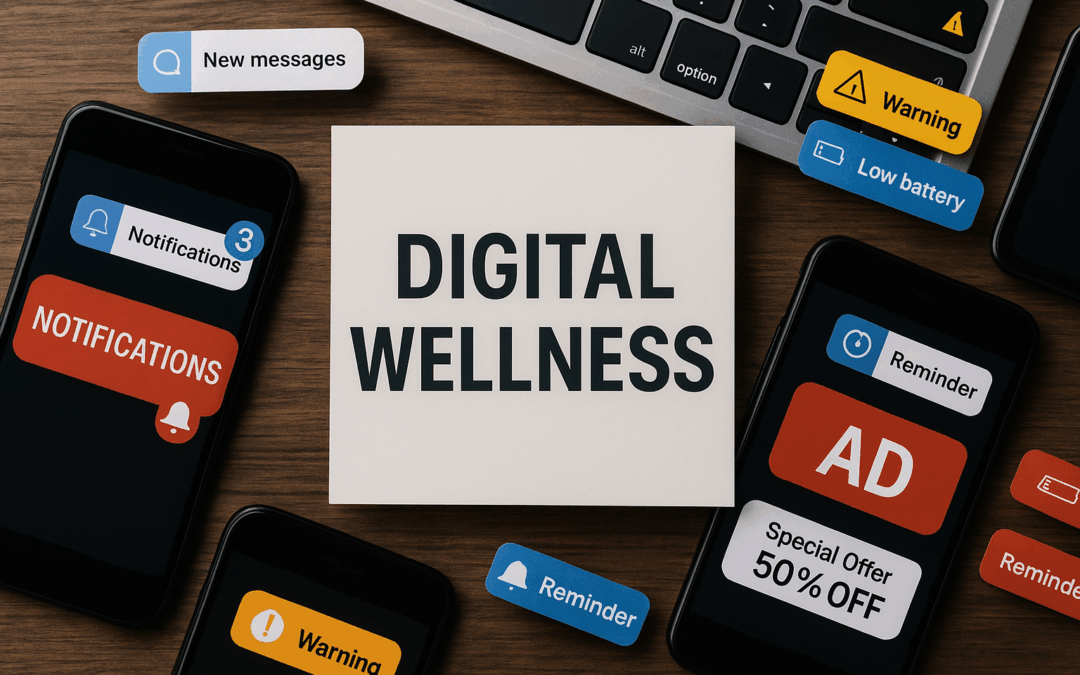
The digital world has become an always-on environment, filled with constant notifications, emails, and advertisements competing for attention. While technology enables brands to reach audiences with remarkable precision, it has also created a new challenge—attention fatigue.
Consumers are overwhelmed. Their screens are cluttered, their inboxes full, and their patience for intrusive or repetitive ads is shrinking. In this environment, brands that respect user attention will win trust and long-term loyalty.
Digital wellness marketing is about creating meaningful, mindful interactions with audiences—prioritizing quality, empathy, and timing over sheer volume.
What Is Digital Wellness Marketing
Digital wellness marketing focuses on aligning marketing strategies with users’ mental and emotional well-being. It emphasizes responsible engagement—respecting how, when, and how often consumers are reached.
Instead of overwhelming users with content, this approach seeks to deliver relevant, timely, and positive experiences that enhance, rather than interrupt, digital life.
It’s a mindset shift from “how many impressions can we get?” to “how can we make our impressions count?”
Why Respecting User Attention Matters
The average person is exposed to thousands of marketing messages every day. Pop-ups, push notifications, retargeting ads, and social feeds all compete for their attention. This constant bombardment leads to ad fatigue—where users start to ignore, skip, or block ads altogether.
When attention becomes scarce, authenticity and respect become the most valuable marketing currencies.
Here’s why attention-friendly marketing matters:
- User trust depends on experience. Overexposure and aggressive targeting can make customers feel exploited rather than valued.
- Engagement declines under overload. Even the best creative loses impact when audiences are burned out by excessive repetition.
- Regulations and privacy norms are evolving. Laws like GDPR and evolving ad restrictions reinforce the need for more ethical, user-centered engagement.
Digital wellness marketing isn’t just good ethics—it’s good business.
Understanding Ad Fatigue and Attention Decline
Ad fatigue occurs when audiences become desensitized to repetitive or irrelevant content. They stop noticing ads, skip videos, or even develop negative feelings toward a brand.
Signs of ad fatigue include:
- Decreasing click-through rates and engagement
- Rising cost per conversion
- Higher unsubscribe or opt-out rates
- Lower brand recall despite frequent exposure
Attention decline is the broader behavioral impact—users tuning out because digital content feels like noise. In such an environment, marketers must adapt to respect human limits and design strategies that balance visibility with empathy.
Principles of Digital Wellness Marketing
To practice digital wellness marketing effectively, brands should embrace a few key principles that place audience experience at the center.
Quality Over Quantity
Instead of saturating every platform, focus on crafting high-quality, relevant messages that resonate with specific segments. Fewer, better interactions often yield greater impact than constant exposure.
Context and Timing
Understanding when and where your audience is most receptive is crucial. Delivering the right message at the right moment increases relevance and reduces frustration.
For example, a travel brand promoting vacations might perform better during lunch hours or weekends than during the early morning work rush.
Respect for Boundaries
Avoid intrusive ad placements or frequency overload. Users should have control over how often they hear from you—through opt-ins, preferences, or quiet-period settings.
Transparency and Choice
Be clear about how and why you collect user data. Offering transparency and easy opt-out options builds credibility and strengthens brand trust.
Positive Impact
Digital wellness means aligning marketing with positive outcomes. Content that inspires, educates, or empowers users contributes to well-being rather than fatigue.
Strategies to Prevent Ad Exhaustion
Implementing digital wellness in marketing requires practical adjustments across channels and campaigns.
Limit Frequency and Optimize Delivery
Use frequency caps to prevent overexposure. If users see the same ad too often, they mentally tune out. Analytics tools can help you track engagement drop-offs and adjust delivery patterns.
Personalize Responsibly
Personalization should enhance relevance, not feel invasive. Focus on providing value—recommendations, reminders, or helpful insights—based on user behavior, not surveillance.
Responsible personalization strengthens relationships without crossing boundaries.
Refresh Creative Regularly
Rotating visuals, headlines, and formats keeps content fresh and prevents fatigue. Small changes can renew interest without increasing frequency.
Invest in Content That Adds Value
Educational or story-driven content tends to perform better in a wellness-focused strategy. Blogs, how-to videos, or social series that entertain or inform are more likely to engage users long-term.
Leverage User Control Tools
Encourage your audience to set preferences for communication channels and timing. Empowering users with choice enhances satisfaction and builds mutual respect.
Prioritize Ad Placement Quality
Choose placements that complement user experience—native ads, sponsored content, or contextual advertising—rather than interruptive pop-ups or auto-play videos.
Monitor Emotional Tone
AI and sentiment analysis tools can help assess how audiences respond to messaging. Campaigns that evoke positive emotion tend to create stronger engagement and lower fatigue levels.
Examples of Wellness-Focused Marketing
Many brands are already embracing digital wellness principles to strengthen their connection with audiences.
- Spotify limits push notifications and curates personalized “listening breaks” to encourage mindful media consumption.
- Apple’s Screen Time feature has inspired marketing campaigns focused on balance and intentional device use.
- Calm and Headspace build their marketing around the idea of mental clarity, using soft visuals and reassuring tones instead of aggressive selling.
These examples show that respecting attention can be just as powerful as capturing it.
Measuring Success in Attention-Friendly Marketing
Success in digital wellness marketing goes beyond clicks and conversions. The metrics that matter most focus on engagement quality and brand sentiment.
Key indicators include:
- Engagement rate per impression (not just total impressions)
- Dwell time or content interaction depth
- Customer satisfaction and net promoter score (NPS)
- Reduction in unsubscribe or ad-block rates
- Sentiment analysis of audience feedback
When audiences engage willingly and feel positive about your brand presence, you know your strategy is working.
The Future of Ethical Attention
As digital ecosystems become even more crowded, respecting attention will define the next phase of marketing excellence.
AI and automation will continue to help optimize timing and relevance—but human empathy will remain irreplaceable. Successful marketers will blend technology with emotional intelligence, ensuring that every message adds value rather than noise.
Digital wellness marketing isn’t about doing less—it’s about doing better. Brands that honor users’ time and mental space will stand out not through volume, but through meaning.

by Research Team | Dec 11, 2025 | Customer Trust, Data Privacy, Ethical Marketing
The marketing landscape is undergoing a seismic shift. As privacy regulations tighten and third-party cookies disappear, brands are being forced to rethink how they collect and use customer data. The solution isn’t about finding new ways to track users—it’s about earning their trust.
Enter zero-party data: the most transparent, ethical, and future-proof form of customer information. Unlike third-party data, which is gathered indirectly, zero-party data comes directly from users who willingly share it. In an era defined by privacy and personalization, this approach represents the next evolution of customer-centric marketing.
What Is Zero-Party Data
Zero-party data refers to information that customers intentionally and proactively share with a brand. This includes preferences, interests, purchase intentions, and feedback—data provided through direct interaction, not passive tracking.
Examples include:
- A shopper completing a style quiz on an e-commerce site
- A subscriber indicating their favorite content topics in an email preference center
- A customer sharing future product interests during a loyalty program survey
Unlike first-party data, which is collected through behavioral observation (such as website visits or purchase history), zero-party data reflects expressed intent. It’s the difference between guessing what customers want and simply asking them.
Why Zero-Party Data Matters Now
The shift to a cookieless world is reshaping how marketers understand their audiences. Google’s phase-out of third-party cookies, alongside data privacy laws like GDPR and CCPA, has signaled the end of traditional tracking.
At the same time, customers have become more aware of how their data is used—and more protective of their privacy. According to multiple studies, users are more likely to share personal information with brands they trust, especially when there’s a clear value exchange.
This new reality has made zero-party data not just a compliance strategy but a competitive advantage. Brands that collect data transparently, with consent and purpose, can personalize experiences without crossing ethical boundaries.
The Benefits of Zero-Party Data
Zero-party data offers unique benefits that go beyond compliance. It creates a foundation for marketing that is both more human and more effective.
Builds Trust Through Transparency
When users voluntarily provide data, it signals trust. They understand how and why their information is being used. This transparency strengthens brand relationships and reduces privacy-related skepticism.
Enables True Personalization
Because it’s provided directly by the customer, zero-party data delivers the most accurate insights into preferences and motivations. Personalization based on declared interests feels helpful, not intrusive.
Reduces Dependence on Third-Party Platforms
Relying less on third-party cookies and data brokers gives brands greater control over their audience relationships. It also mitigates the risks of sudden policy changes by platforms or browsers.
Improves Data Accuracy
Unlike inferred or purchased data, zero-party data comes straight from the source. It’s more reliable, relevant, and easier to validate.
Supports Ethical Marketing
Using consent-based data aligns marketing practices with ethical standards and legal frameworks—positioning the brand as responsible and forward-thinking.
How to Collect Zero-Party Data Effectively
Earning zero-party data requires a thoughtful approach. Customers will only share information if they perceive genuine value and trust the brand. Here are several strategies to build that exchange.
1. Create Value-Based Interactions
Provide something worthwhile in return for shared information. Quizzes, personalized recommendations, loyalty rewards, and exclusive content can all encourage participation. The key is to make the interaction feel beneficial, not transactional.
2. Be Transparent About Data Use
Explain clearly how the information will be used. Transparency reassures customers that their data won’t be misused or sold. Include short, accessible privacy notes rather than lengthy fine print.
3. Personalize the Experience Immediately
Show customers that their input matters by using it right away. For instance, if a user indicates interest in sustainable products, highlight eco-friendly items in their next email. Quick feedback loops reinforce engagement.
4. Offer Control and Flexibility
Empower users to update or remove their preferences at any time. A self-service data management option communicates respect and builds confidence in your brand.
5. Use Gamification
Interactive content such as polls, contests, or style finders makes data sharing enjoyable. When customers feel entertained, they’re more likely to participate voluntarily.
6. Integrate Across Channels
Zero-party data shouldn’t live in silos. Integrate it across your CRM, email, and ad platforms to ensure consistent, personalized messaging across all touchpoints.
Examples of Zero-Party Data in Action
Many organizations are now using zero-party data to strengthen personalization and deepen relationships without compromising user trust.
For instance, lifestyle and retail businesses are inviting customers to share their preferences through interactive quizzes and style finders. The information gathered allows marketers to recommend products or content that feel uniquely tailored to each individual.
Media and entertainment platforms are transforming user activity data into personalized summaries or highlights, creating a sense of community and belonging while reinforcing engagement.
In the travel and hospitality sector, interactive wish lists and experience planners are helping brands understand customer aspirations and intent—while giving users more control over the personalization process.
These approaches show that when people see transparency, relevance, and value, they’re more willing to share information voluntarily.
Implementing a Zero-Party Data Framework
A successful zero-party data strategy requires more than collecting information—it demands thoughtful integration, security, and consistency.
Step 1: Audit Your Current Data Practices
Identify what data you currently collect, how it’s obtained, and whether it’s consent-based. Remove or replace sources that rely heavily on third-party tracking.
Step 2: Design a Transparent Data Experience
Review all customer touchpoints—from sign-up forms to surveys—and ensure they communicate clear purpose and benefits. Every data request should feel natural and trustworthy.
Step 3: Centralize and Secure the Data
Use a centralized system such as a Customer Data Platform (CDP) to manage zero- and first-party data. Prioritize encryption, access control, and compliance.
Step 4: Train Teams on Data Ethics
Educate marketing and sales teams on how to use customer data responsibly. Ethical awareness prevents misuse and maintains brand integrity.
Step 5: Measure and Optimize
Track engagement metrics like opt-in rates, survey completion, and retention to assess the value exchange. Refine your approach to maximize both trust and insights.
The Future of Privacy-First Marketing
As personalization and privacy continue to converge, zero-party data will define the future of marketing strategy. The most successful brands will not be those that collect the most data—but those that collect it most responsibly.
This shift marks a return to relationship-based marketing. When users share information freely, it’s a sign that the brand has earned their confidence.
The cookieless future isn’t a loss for marketers—it’s an opportunity to build marketing around consent, value, and genuine connection. In this new era, trust is not just part of your strategy—it is your strategy.

by Research Team | Dec 4, 2025 | Behavioral Marketing, Consumer Psychology, Customer Trust, Ethical Marketing
Every marketer knows that human psychology plays a vital role in decision-making. Among the most powerful psychological triggers are scarcity and urgency—the sense that an opportunity is limited, time-sensitive, or exclusive. These tactics can drive impressive results when used correctly.
But as consumers grow more aware and cautious, there’s a fine line between persuasive and manipulative. Ethical marketing doesn’t exploit fear or pressure—it empowers customers to make confident decisions. Understanding the psychology behind scarcity and urgency helps marketers build campaigns that motivate action while preserving trust.
Understanding Scarcity and Urgency
Scarcity and urgency both create psychological tension that encourages immediate action—but they operate slightly differently.
- Scarcity refers to the perception that a product, service, or opportunity is limited in availability. When people believe something is rare or exclusive, its perceived value increases.
- Urgency creates a sense of time pressure—suggesting that the chance to act is temporary. Limited-time offers, countdowns, and flash sales all leverage urgency to prompt quicker decisions.
These triggers tap into deeply ingrained instincts. Humans naturally fear missing out (the “FOMO” effect), and our brains are wired to prioritize short-term opportunities over long-term considerations. When applied ethically, scarcity and urgency can inspire genuine excitement and engagement.
Why These Triggers Work
Psychology and behavioral economics explain why scarcity and urgency are so effective. Several key principles are at play:
The Scarcity Heuristic
People tend to assign higher value to things that are rare or hard to obtain. Scarcity signals exclusivity and quality—making limited items appear more desirable.
Loss Aversion
According to behavioral science, humans are more motivated to avoid loss than to gain equivalent rewards. A limited-time offer triggers the fear of losing a deal or missing an opportunity.
Social Proof
When availability appears limited, it implies high demand. If others are buying, sharing, or waiting for the same product, it validates its worth and drives participation.
Time Compression
Urgency shortens the decision window, reducing overthinking. This can help overcome hesitation, especially when customers already have interest or intent.
These mechanisms, while powerful, should be used with care. Overuse or deception erodes credibility and damages long-term brand relationships.
The Ethical Side of Scarcity and Urgency
The effectiveness of these tactics has led some marketers to overstep ethical boundaries—using fake countdowns, exaggerated stock claims, or high-pressure sales language. While such tactics might yield short-term gains, they harm reputation and customer trust in the long run.
Ethical marketing respects autonomy and transparency. The goal is to encourage timely decisions—not to manipulate behavior through fear or misinformation.
Here are key principles for using scarcity and urgency responsibly:
Be Honest
Only use scarcity or urgency if it’s real. If stock is limited, make sure it truly is. If an offer expires at midnight, don’t extend it repeatedly. Authenticity maintains trust.
Prioritize Value Over Pressure
The trigger should highlight the value of acting now, not the consequence of missing out. Instead of fear-based language (“Don’t miss out!”), use positive framing (“Be the first to experience it!”).
Provide Context
Explain why the limitation exists. For example, “This workshop is capped at 20 seats to ensure personalized coaching” feels legitimate and customer-focused.
Give People Control
Allow users to make informed choices. Provide reminders, information, and clarity rather than surprise cutoffs or hidden terms.
Respect Cultural Differences
Scarcity and urgency resonate differently across cultures. In some regions, high-pressure tactics can feel aggressive. Understanding local preferences helps maintain respect and relevance.
Ethical Ways to Use Scarcity and Urgency
Marketers can still leverage these triggers successfully—without compromising integrity. Here are some responsible strategies that align persuasion with value.
Limited Editions
Offering a small batch or special version of a product creates genuine scarcity while rewarding early adopters or loyal fans. This strategy works well for brands emphasizing craftsmanship, exclusivity, or creativity.
Seasonal or Event-Based Promotions
Time-bound offers linked to real-world events (holidays, anniversaries, or product launches) feel natural. They provide urgency with a clear, authentic reason.
Early Access Opportunities
Invite subscribers or members to experience something before the public. This approach combines exclusivity with appreciation, building loyalty rather than pressure.
Limited Capacity Events
Workshops, webinars, or experiences with limited spots can create scarcity honestly while delivering tangible benefits to participants.
Countdown Transparency
When using countdown timers, ensure they’re accurate and genuine. Transparent communication—like showing “2 hours left” or “3 seats remaining”—encourages prompt decisions while preserving trust.
Data-Driven Personalization
Use behavioral insights to deliver timely, relevant reminders rather than blanket messages. A customer who abandons a cart might appreciate a gentle nudge, not a fear-driven prompt.
The Long-Term Benefits of Ethical Behavioral Marketing
Ethical use of psychological triggers leads to more than just conversions—it builds a reputation of credibility and care. Customers who feel respected are more likely to return, recommend, and engage deeply with your brand.
When done right, scarcity and urgency can:
- Enhance perceived value without deception.
- Encourage action through clarity and enthusiasm.
- Strengthen customer relationships built on trust.
- Increase long-term loyalty rather than short-term spikes.
Sustainable success in marketing isn’t about quick wins—it’s about creating experiences where customers feel empowered, not pressured.
Avoiding Common Pitfalls
Even well-intentioned campaigns can cross ethical lines if not carefully managed. Here are a few red flags to watch for:
- Overusing countdowns or “last chance” messages.
- Creating false scarcity by limiting digital products with infinite availability.
- Using manipulative language that induces guilt or fear.
- Extending deadlines repeatedly, training audiences to ignore urgency.
Instead of leaning on artificial pressure, focus on creating genuine enthusiasm and connection. The best campaigns motivate through trust, not tension.
The Future of Ethical Persuasion
As audiences become more informed, ethical persuasion will define the future of marketing. Transparency, empathy, and value will outweigh gimmicks.
New technologies like AI-driven personalization will enable marketers to deliver real-time relevance—without resorting to manipulation. By blending behavioral psychology with ethics, brands can create experiences that honor both human emotion and autonomy.
The next era of marketing won’t eliminate psychological triggers—it will refine them. Scarcity and urgency will still drive engagement, but they’ll do so through honesty, respect, and shared excitement.