
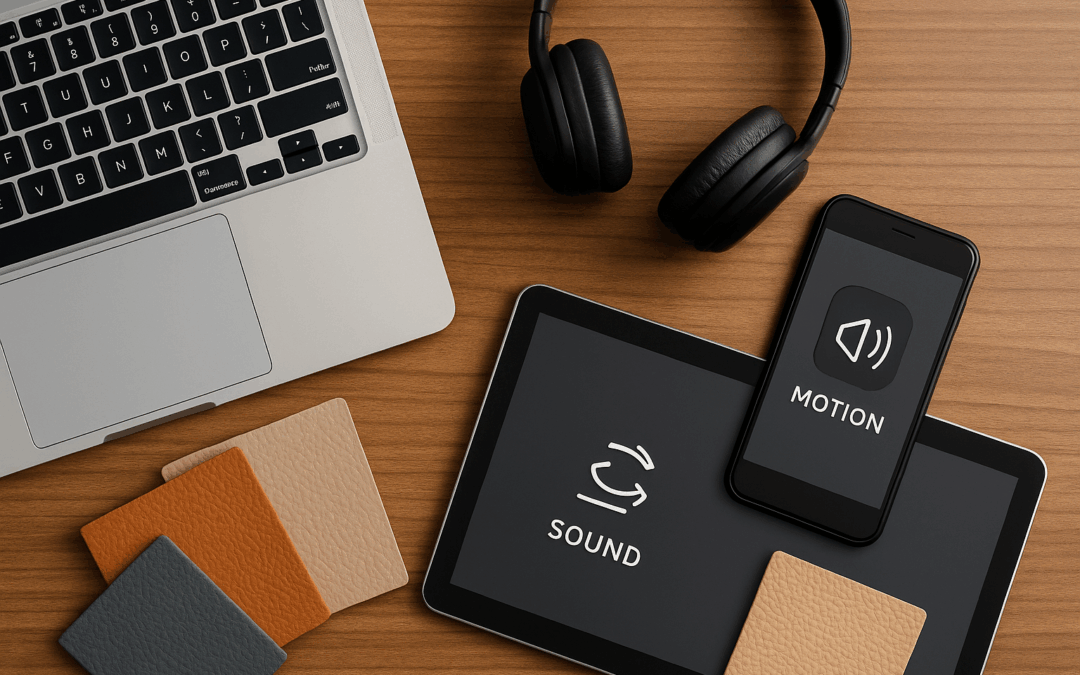
Digital marketing has always been a visual game. Logos, color palettes, and imagery have long defined brand identity. But as technology evolves, brands are discovering new ways to engage audiences on a deeper, more emotional level—by appealing to multiple senses.
Marketing for the senses goes beyond visuals. It integrates sound, motion, and even simulated texture to create immersive experiences that feel human and memorable. In a digital world where attention is fleeting, sensory branding builds stronger emotional connections and lasting impressions.
The Evolution of Sensory Branding
In traditional marketing, sensory appeal was limited to physical experiences—store layouts, packaging, or in-person events. But as more of the customer journey has shifted online, brands have found creative ways to replicate and even enhance sensory engagement digitally.
Sound design, motion graphics, and tactile simulations now help brands express personality and emotion across screens and devices. From subtle background tones to interactive animations, these sensory cues shape how audiences perceive, remember, and connect with a brand.
Why Sensory Marketing Matters in a Digital World
Human perception is multisensory. Research shows that the more senses an experience engages, the more memorable and emotionally resonant it becomes. Digital sensory marketing leverages that truth to transform ordinary brand interactions into immersive experiences.
Here’s why it matters:
- Deeper emotional connection: Sensory cues evoke feelings faster than words or visuals alone.
- Increased brand recall: Multi-sensory experiences help audiences remember brands more vividly.
- Enhanced differentiation: In competitive markets, sensory branding adds dimension and distinctiveness.
- Improved engagement: Dynamic, interactive sensory elements keep users exploring longer.
Digital sensory design bridges logic and emotion—turning screens into experiences that can be felt as much as seen.
The Power of Sound in Digital Branding
Sound plays a crucial role in how people experience and remember a brand. Think of notification tones, intro jingles, or background music—they communicate mood, reinforce identity, and even influence behavior.
Sonic Branding
Sonic branding uses sound to express a brand’s personality. A distinctive tone, melody, or chime can become instantly recognizable—much like a visual logo. These sonic signatures convey values and emotions, often subconsciously.
For example, a calm ambient tone might reflect reliability, while upbeat electronic sounds evoke innovation or energy.
Soundscapes and Music
Music in digital spaces—videos, podcasts, or ads—sets the emotional tone. Choosing the right soundtrack helps reinforce the story you’re telling. Even subtle background audio on a website or app can enhance immersion when used thoughtfully.
Voice and Tone
With the rise of voice assistants and AI-driven interactions, a brand’s “voice” isn’t just visual—it’s literal. The tone, pacing, and friendliness of voice interfaces can significantly impact user comfort and trust.
The Role of Motion in Digital Branding
Motion gives digital experiences life. From scrolling animations to product demos, movement captures attention and guides focus. But beyond aesthetics, motion tells stories, expresses personality, and creates a sense of flow.
Micro-Interactions
Micro-interactions—small animations triggered by user actions—make digital interfaces feel intuitive and responsive. A button that gently expands when clicked or a smooth transition between pages communicates care and quality.
Motion Storytelling
Video content, interactive animations, and kinetic typography all use motion to tell stories dynamically. Movement evokes emotion, builds rhythm, and helps users absorb complex information effortlessly.
The Psychology of Movement
Motion also impacts perception. Smooth, slow transitions convey calmness and reliability, while quick, energetic movements signal innovation or excitement. When used purposefully, motion becomes a silent language that reinforces brand identity.
The Texture of Digital Experience
Texture is less obvious in digital design, but it’s no less powerful. It refers to the tactile illusion created by visuals, patterns, or interface elements that suggest depth and materiality.
Visual Texture
Subtle gradients, shadows, and layered elements can make interfaces feel more tangible and realistic. This approach helps users emotionally connect with digital environments by mimicking real-world textures like fabric, paper, or metal.
Haptic Feedback
On mobile devices and wearables, vibration and touch responses simulate texture and physical interaction. A soft vibration when tapping a button or completing an action adds physical satisfaction and enhances engagement.
Tactile Metaphors
Texture can also be metaphorical—reflected through design choices that “feel” consistent with the brand. A luxury brand might use smooth, glossy surfaces to convey sophistication, while an eco-conscious brand may favor organic, earthy textures.
How to Build a Multi-Sensory Digital Brand
Creating a sensory-driven digital experience requires more than adding sound or motion—it demands coherence. Each sensory element should align with brand values, tone, and purpose.
1. Define Your Sensory Identity
Start by identifying your brand’s emotional core. Are you calm and reassuring, bold and energetic, or minimalist and refined? Every sound, motion, and texture should reinforce that essence.
2. Use Sound Intentionally
Avoid unnecessary audio that distracts or overwhelms. Instead, use sound to guide, enhance, or reward user actions. Ensure it complements visual identity and maintains accessibility for all users.
3. Design With Movement in Mind
Plan motion as part of the storytelling process. Consider how animations and transitions can simplify navigation, direct attention, or add delight. Every movement should have purpose and rhythm.
4. Add Subtle Texture for Depth
Incorporate visual layers that feel tactile without cluttering the design. Balanced use of texture adds warmth and realism to otherwise flat digital spaces.
5. Maintain Consistency Across Channels
Your sensory identity should extend across touchpoints—website, app, video, and social content. Consistent sound design, animation style, and texture create a cohesive and recognizable experience.
6. Test User Response
Gather feedback on how audiences perceive your sensory choices. Small adjustments to tone, motion speed, or visual texture can greatly affect emotional impact.
The Future of Sensory Digital Marketing
Emerging technologies like augmented reality (AR), virtual reality (VR), and spatial audio are redefining what’s possible in sensory branding.
- AR enables users to “feel” textures through 3D visuals and motion-based interaction.
- VR immerses audiences in branded environments that engage multiple senses simultaneously.
- Spatial audio creates three-dimensional soundscapes that make digital storytelling more lifelike.
As these technologies evolve, the boundaries between digital and physical experience will continue to blur. Sensory marketing will become less about adding flair and more about designing meaningful emotional experiences.
Engaging the Human Senses in a Digital Age
Marketing for the senses reminds us that people don’t just think—they feel. Every sound, movement, and texture influences how audiences perceive your brand. By designing experiences that appeal to multiple senses, marketers create deeper emotional connections that transcend screens.
In a world driven by algorithms and automation, sensory branding brings humanity back into digital communication. It’s not about technology for its own sake—it’s about creating experiences people can truly feel.
