
by Research Team | Jan 25, 2026 | Data - Driven Marketing, Digital Marketing, Marketing Analytics
Digital marketing is no longer driven by instinct alone. As competition increases and customer behavior becomes more complex, marketers need smarter ways to anticipate outcomes rather than react to them. Predictive analytics offers exactly that advantage by turning historical data into actionable insights that help forecast future performance.
For businesses looking to improve campaign efficiency, budget allocation, and return on investment, predictive analytics has become a core strategic tool. Let us explore what predictive analytics is, how it works in digital marketing, and how it can be used to make better, data-driven decisions.
What Is Predictive Analytics in Digital Marketing?
Predictive analytics is the practice of using historical data, statistical modeling, and machine learning to predict future outcomes. In digital marketing, it helps answer questions such as:
- Which leads are most likely to convert?
- What content will perform best next quarter?
- When is a customer likely to churn?
- Which channels will deliver the highest ROI?
Rather than relying solely on past performance reports, predictive analytics allows marketers to anticipate what is likely to happen and adjust strategies before results decline.
Why Predictive Analytics Matters for Marketing Performance
Traditional analytics focuses on what already happened. Predictive analytics focuses on what is likely to happen next. This shift is critical because marketing decisions are often time-sensitive and resource-dependent.
Key benefits include:
- Improved campaign planning through data-backed forecasts
- More efficient budget allocation across channels
- Higher conversion rates through targeted personalization
- Reduced customer churn by identifying at-risk users early
- Stronger alignment between marketing and revenue goals
When used correctly, predictive analytics reduces guesswork and increases confidence in strategic decisions.
To better understand how performance data supports smarter decision-making, you may also find value in the Online Marketing Goddess article Marketing Metrics That Actually Matter (and the Vanity Metrics to Ignore), which breaks down how to focus on metrics that drive real results.
Types of Predictive Analytics Models Used in Marketing
Understanding the most common predictive models helps clarify how they apply to real-world marketing scenarios.
Regression Models
Regression models predict numerical outcomes, such as expected revenue from a campaign or projected traffic growth. These models are often used for forecasting sales, ad spend efficiency, and lead volume.
Classification Models
Classification models group users or behaviors into categories. Examples include identifying high-value customers versus low-value customers or predicting whether a lead is likely to convert.
Time Series Analysis
Time series models analyze trends over time. These are useful for seasonal forecasting, demand planning, and predicting future engagement patterns based on historical cycles.
Propensity Models
Propensity models estimate the likelihood of a specific action, such as clicking an ad, making a purchase, or unsubscribing from emails. These models are especially valuable for personalization and retention strategies.
Key Marketing Areas Where Predictive Analytics Delivers Value
Predictive analytics can be applied across nearly every aspect of digital marketing.
Lead Scoring and Conversion Optimization
By analyzing past lead behavior, predictive models can rank prospects based on their likelihood to convert. This allows sales and marketing teams to focus efforts on the most promising opportunities, improving efficiency and close rates.
Customer Retention and Churn Prediction
Predictive analytics can identify patterns that signal customer disengagement. Marketers can then trigger retention campaigns, personalized offers, or re-engagement emails before customers leave.
Content Performance Forecasting
Rather than guessing which topics will resonate, predictive analytics can analyze historical engagement data to forecast which content formats, keywords, and themes are likely to perform well in the future.
This approach pairs well with a documented content plan, as outlined in the Online Marketing Goddess post Content Experience vs. Content Marketing: Why Delivery Matters as Much as the Message, which explores how insights guide smarter content decisions.
Paid Advertising Optimization
Predictive models help forecast campaign performance across platforms such as search engines and social media. This allows marketers to adjust bids, creatives, and targeting before budgets are wasted.
Revenue and ROI Forecasting
By combining marketing and sales data, predictive analytics can estimate future revenue contribution from marketing efforts. This is especially useful for long-term planning and executive reporting.
How to Start Using Predictive Analytics in Your Marketing Strategy
Adopting predictive analytics does not require an enterprise-level data science team. The process can be approached step by step.
Step 1: Define Clear Objectives
Start with specific business questions. Examples include improving email conversion rates, reducing churn, or increasing lifetime value. Clear goals ensure the right data and models are used.
Step 2: Collect and Clean Data
Predictive analytics relies on accurate data. Common data sources include CRM systems, website analytics, email platforms, advertising dashboards, and customer support tools. Data must be consistent, complete, and regularly updated.
Step 3: Choose the Right Tools
Many marketing platforms now include predictive features. Customer data platforms, marketing automation software, and analytics tools with built-in machine learning capabilities can support forecasting without heavy technical requirements.
Step 4: Test and Validate Predictions
Predictions should always be tested against real outcomes. Running pilot campaigns and comparing forecasts to actual performance helps refine models and improve accuracy over time.
Step 5: Integrate Insights Into Decision-Making
Predictive insights are only valuable if they influence action. Ensure that marketing teams use forecasts to guide content planning, budget allocation, and campaign timing.
Common Challenges and How to Overcome Them
While predictive analytics offers significant benefits, it also presents challenges.
Poor data quality is one of the most common issues. Inconsistent or incomplete data leads to unreliable predictions. Regular audits and standardized data collection processes are essential.
Another challenge is overreliance on automation. Predictive analytics should support human decision-making, not replace it entirely. Context, creativity, and market awareness still play an important role.
Privacy and compliance must also be considered. Predictive analytics should align with data protection regulations and ethical data usage standards.
Looking Ahead With Predictive Analytics
As artificial intelligence and machine learning continue to advance, predictive analytics is becoming more accessible and more precise. Real-time forecasting, deeper personalization, and cross-channel predictions are shaping the future of digital marketing strategy.
By forecasting performance instead of reacting to past results, businesses can make smarter decisions, improve efficiency, and drive sustainable growth. Predictive analytics is no longer optional. It is a strategic necessity that turns marketing data into foresight and action.

by Research Team | Jan 23, 2026 | Content Marketing, Digital Marketing, SEO, Social Media
The digital landscape is shifting. For years, the goal of online marketing was simple: drive clicks to your website. But as platforms evolve and user behavior changes, brands are learning to embrace a new reality—sometimes the most effective content doesn’t result in a click at all.
Zero-click content is designed to deliver value directly within the platform where it’s consumed, whether that’s a Google search result, a LinkedIn feed, or an Instagram story. While it may sound counter intuitive, mastering zero-click content can build trust, expand reach, and keep your brand top of mind.
What Is Zero-Click Content?
Zero-click content refers to material that provides immediate value without requiring the user to leave the platform. Instead of pushing for traffic to your site, it answers questions, educates, or entertains right where the audience already is.
Examples include:
- Featured snippets on Google that answer a query directly.
- LinkedIn posts that share insights without linking out.
- Infographics or carousels on Instagram that tell a complete story.
- Twitter threads that break down a concept step by step.
The goal isn’t to abandon website traffic but to recognize that offering instant value earns trust, which can translate into long-term engagement and conversions.
Why Zero-Click Content Matters
The rise of zero-click experiences is fueled by two trends: platform control and user behavior.
- Platforms like Google and social media networks want to keep users engaged within their ecosystems. That means they reward content that performs well without sending people elsewhere.
- Users today value speed and convenience. If they can get the answer in one swipe or glance, they will.
By meeting audiences where they are, brands show they understand modern digital behavior. And in a crowded marketplace, that can be a powerful differentiator.
The Benefits of Zero-Click Content
- Trust and Authority
When you consistently deliver value without demanding a click, audiences view your brand as generous and reliable.
- Increased Reach
Platforms often boost posts that engage users directly, making zero-click content more discoverable.
- Stronger Relationships
Instead of gating knowledge behind a link, you create an immediate exchange of value, encouraging long-term loyalty.
How to Create Effective Zero-Click Content
1. Embrace the Featured Snippet
On Google, the coveted featured snippet is often the first and only result users engage with. Structure your content with concise answers, bullet points, and headings that directly respond to common questions.
2. Share Value-Driven Social Posts
Craft social updates that tell the whole story in the feed. For example, instead of linking to a blog about “5 tips for better email marketing,” share the five tips in a LinkedIn post. Add personality and invite discussion in the comments.
3. Design Infographics and Carousels
Visual content is perfect for delivering value at a glance. Infographics summarize complex data, while carousel posts can break down a process step by step. These formats thrive on platforms like Instagram and LinkedIn.
4. Create Conversational Threads
On Twitter/X, long-form threads that unpack a concept can generate massive engagement. Each tweet should stand alone with value while contributing to the larger narrative.
5. Answer Questions Directly
Turn your FAQ section into multiple content pieces. Post answers on social media or optimize them for voice and search queries. When users see you addressing their needs quickly, you build credibility.
Balancing Zero-Click and Traffic Goals
The natural concern with zero-click content is losing website traffic. After all, traffic fuels lead generation, email lists, and sales. The key is balance.
- Use zero-click content as a trust-building tool. Once audiences recognize your authority, they’ll be more likely to click when it really matters.
- Include subtle calls-to-action within your posts, such as “If you’d like the full guide, visit our site.”
- Track engagement metrics like shares, comments, and saves in addition to clicks—these reflect brand visibility and relationship-building.
Real-World Examples
- Google Snippets: A fitness blog ranks for “best stretches for back pain” with a clear, bulleted list that appears directly in search. Even if users don’t click, the brand is now seen as an authority.
- LinkedIn Insights: A marketing consultant shares detailed strategies in posts that spark discussion. Followers trust the content and later sign up for paid workshops.
- Instagram Carousels: A finance coach posts slide decks explaining budgeting tips. These get saved and shared widely, building long-term brand awareness.
SEO and Zero-Click Content
Zero-click doesn’t mean zero SEO. In fact, optimizing for these moments can boost your visibility.
- Use structured data and schema markup to improve your chances of earning featured snippets.
- Write concise, direct answers to common queries.
- Optimize for “people also ask” results on Google.
By designing content with both visibility and usefulness in mind, you maximize the impact of your SEO strategy.
Final Perspective
Zero-click content isn’t about giving away too much—it’s about meeting audiences where they are and building trust in a crowded digital space. Providing value upfront positions your brand as an authority, encourages deeper engagement, and creates pathways for future conversions.
In today’s marketing landscape, clicks are valuable, but trust is what sets lasting brands apart.
by Research Team | Jan 23, 2026 | Digital Marketing, Optimization, SEO
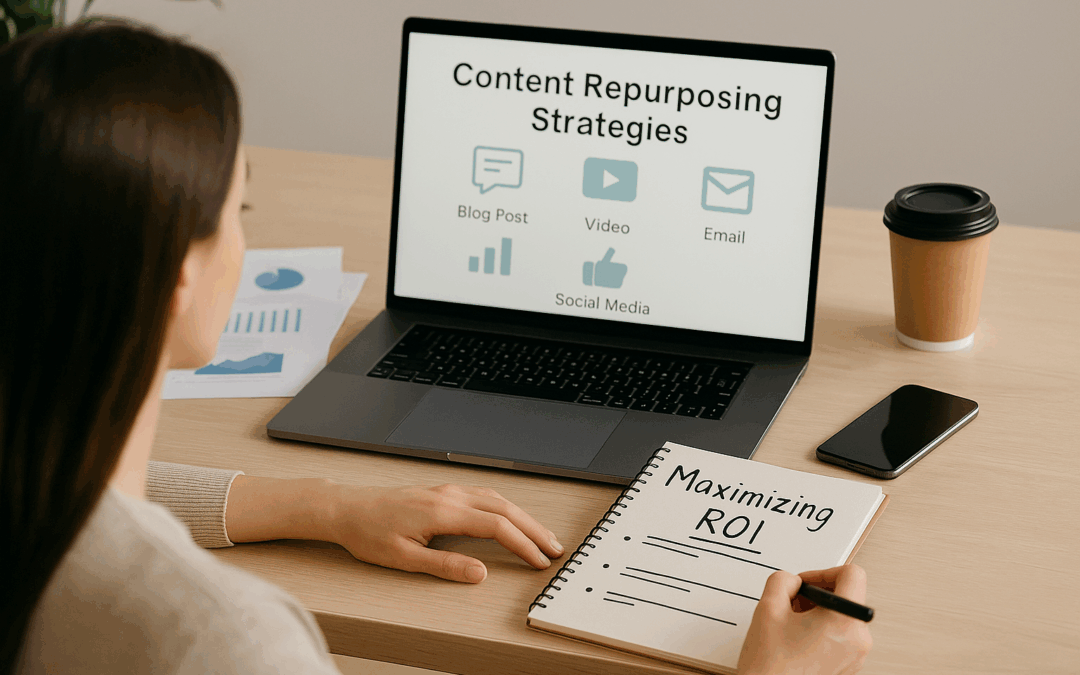
Creating fresh content consistently is a challenge for every marketer. Blog posts, social media updates, videos, podcasts, email campaigns—each channel demands attention. But here’s the good news: you don’t always need to reinvent the wheel. By repurposing content, you can stretch one idea across multiple platforms, expand your reach, and maximize return on investment without burning out your creative team.
This guide explores practical strategies for repurposing content effectively, examples from brands doing it well, and tips for making sure your repurposed material stays relevant and engaging.
Why Repurposing Content Matters
Original content is valuable, but it requires significant time, effort, and resources. Repurposing allows you to:
- Reach new audiences on different platforms.
- Reinforce your message by delivering it in multiple formats.
- Extend the lifespan of high-performing content.
- Optimize ROI by getting more mileage from each piece of work.
For businesses, especially small to mid-sized ones, content repurposing is a sustainable strategy that balances creativity with efficiency.
Step 1: Start With Evergreen Content
Not every piece of content is suitable for repurposing. Focus first on evergreen assets—those that remain relevant over time. Examples include how-to guides, industry insights, or case studies.
For instance, a comprehensive blog post on “SEO Best Practices” can be broken down into smaller posts, a short explainer video, or even a downloadable checklist. Evergreen topics keep generating value, making them the best candidates for transformation.
Step 2: Break It Down
Long-form content like blogs, webinars, or whitepapers are goldmines for repurposing. By slicing them into smaller, digestible pieces, you can share the same insights in new ways.
- Blog post → Infographic highlighting key statistics.
- Webinar → Series of short video clips for LinkedIn or Instagram.
- Research report → Multiple social media posts with charts and graphs.
Breaking content into smaller chunks not only multiplies its reach but also adapts it to the shorter attention spans common on social platforms.
Step 3: Build It Up
Repurposing also works in the opposite direction. Several smaller pieces can be combined into a larger, authoritative asset.
- A series of blog posts → An eBook or ultimate guide.
- Multiple customer Q&As → A podcast episode.
- Social posts on trends → An in-depth newsletter edition.
This approach positions your brand as an expert while making it easy for audiences to dive deeper into a subject.
Step 4: Tailor for Platforms
One mistake marketers make is simply copy-pasting content across channels. Each platform has its own strengths and audience behavior.
- LinkedIn: Professional, thought leadership-focused posts.
- Instagram: Visual stories, reels, or carousel slides.
- YouTube: Long-form video tutorials or case studies.
- Email: Curated insights or exclusive tips with a personal touch.
By tailoring the same core content for each channel, you ensure it feels native and engaging wherever it appears.
Step 5: Repackage Into New Formats
Audiences consume content differently—some prefer reading, others prefer listening or watching. Repurposing content into new formats can dramatically extend your reach.
- Blog posts → Podcast episodes or audiograms.
- Interviews → Video clips with captions.
- Data-heavy reports → Slide decks for webinars or SlideShare.
A single idea can fuel an entire cross-platform campaign if you creatively switch up the medium.
Step 6: Update and Refresh
Repurposing isn’t just about reformatting—it’s also about revisiting older content and giving it new life.
- Update statistics and add fresh examples to older posts.
- Rewrite a high-traffic blog into an SEO-optimized version for new keywords.
- Re-share seasonal or trending topics with updated insights.
Refreshing ensures your content stays relevant and continues driving organic traffic.
Real-Life Example
Take a look at how Gary Vaynerchuk’s team operates. One keynote speech might be recorded, transcribed, broken into short video clips, turned into quotes for Instagram, expanded into blog posts, and then included in a weekly email newsletter.
This strategy doesn’t just recycle—it amplifies. By tailoring each version to its platform, the message reaches millions without requiring completely new material every time.
SEO Benefits of Content Repurposing
Repurposed content isn’t just efficient—it also strengthens your SEO strategy.
- Multiple formats (blog, video, podcast) increase opportunities to rank on different search types.
- Updated content signals freshness to search engines.
- Internal linking between repurposed pieces creates stronger topical authority.
For example, an article that ranks for “content marketing strategy” could be repurposed into a video optimized for YouTube, giving your brand visibility across multiple search engines.
Tips for Success
- Audit your content regularly to identify high-performing or evergreen pieces worth repurposing.
- Use analytics to see which formats resonate with your audience.
- Always prioritize quality—repurposing should feel fresh, not repetitive.
- Keep branding consistent across formats to reinforce recognition.
Practical Conclusion
Repurposing content isn’t about doing less—it’s about working smarter. By adapting one idea into multiple forms, you can expand your reach, boost engagement, and maximize ROI without constantly starting from scratch.
With the right approach, your best ideas become the foundation of a content engine that grows stronger over time.

by Research Team | Jan 21, 2026 | Customer Engagement, Digital Marketing
Getting clicks is only the first step in digital marketing. The real challenge lies in converting those clicks into paying customers. That’s where a well-structured conversion funnel comes in. By mapping the customer journey from awareness to purchase—and beyond—you can guide prospects smoothly toward action while building trust along the way.
A seamless conversion funnel isn’t just about sales. It’s about creating a customer experience that feels natural, personalized, and rewarding at every stage.
What Is a Conversion Funnel?
A conversion funnel is the path a customer takes from first discovering your brand to completing a desired action, such as making a purchase, booking a call, or subscribing to a service.
The funnel is often broken down into four key stages:
- Awareness – When a customer first learns about your brand.
- Interest – When they engage with your content or explore your offerings.
- Decision – When they evaluate options and consider your product or service.
- Action – When they commit, such as purchasing or signing up.
Some funnels also include a fifth stage, retention or loyalty, to highlight the importance of repeat business and advocacy.
Why Conversion Funnels Matter
Without a structured funnel, even the best marketing campaigns can leak opportunities. Here’s why funnels are critical:
- They give clarity on customer behavior and touchpoints.
- They help identify weak spots where leads drop off.
- They align marketing and sales teams with a shared roadmap.
- They make scaling campaigns more predictable and effective.
Funnels aren’t one-size-fits-all. Each business should tailor its funnel based on its audience, product, and industry.
Building a Seamless Funnel Step by Step
Step 1: Attract with Awareness
The top of the funnel is about visibility. Here, the goal is to capture attention and introduce your brand to the right people.
Tactics include:
- SEO-optimized blog posts targeting search intent.
- Paid social ads designed for reach and brand recognition.
- Engaging short-form videos for platforms like Instagram or TikTok.
At this stage, focus on delivering value, not pushing a sale. Content should educate, entertain, or inspire curiosity.
Step 2: Nurture Interest
Once you’ve captured attention, it’s time to deepen engagement. Prospects want to know who you are and what you can do for them.
Tactics include:
- Downloadable lead magnets such as eBooks, checklists, or templates.
- Email nurturing campaigns that provide insights and tips.
- Webinars or live sessions that showcase expertise.
Here, personalization plays a big role. Tailor your messaging based on customer segments or behaviors to keep the relationship growing.
Step 3: Guide the Decision
The decision stage is where prospects evaluate your offer against competitors. A frictionless experience here can make or break conversions.
Tactics include:
- Case studies and testimonials to provide social proof.
- Product demos, free trials, or samples.
- Clear pricing pages that emphasize value and transparency.
Reducing doubt is key. Make sure information is accessible and answers are easy to find.
Step 4: Drive the Action
The action stage is where interest turns into conversion. Optimize this part of the funnel to remove obstacles and encourage commitment.
Tactics include:
- Simplified checkout processes with minimal steps.
- Strong calls-to-action on landing pages.
- Incentives like limited-time discounts or free shipping.
Small details—such as mobile-friendly forms and multiple payment options—can significantly increase completion rates.
Step 5: Retain and Delight
Many businesses stop at the sale, but the most profitable funnels don’t end there. Turning one-time buyers into repeat customers creates sustainable growth.
Tactics include:
- Post-purchase follow-up emails with tips or product recommendations.
- Loyalty programs that reward repeat purchases.
- Exclusive content or community access for existing customers.
When customers feel valued, they become advocates who spread word-of-mouth referrals—strengthening the top of your funnel in return.
Common Funnel Mistakes to Avoid
- Focusing only on traffic: High clicks mean little without conversion-focused follow-up.
- Overcomplicating the process: Too many steps or confusing navigation can cause drop-offs.
- Ignoring mobile optimization: Many prospects interact with funnels on mobile devices.
- Lack of personalization: Generic messaging feels disconnected and reduces trust.
A seamless funnel prioritizes clarity, simplicity, and customer-centered experiences.
Real-Life Example
Consider an online fitness coach. Their funnel might look like this:
- Awareness: A blog post on “10 Home Workouts That Burn Fat Fast.”
- Interest: A free downloadable workout plan in exchange for an email address.
- Decision: A webinar explaining the benefits of personalized coaching.
- Action: A limited-time offer for a one-on-one coaching package.
- Retention: Weekly email tips and discounts for returning clients.
Each step feels logical, valuable, and connected—making it easy for prospects to move forward.
SEO and Conversion Funnels
Optimizing a funnel isn’t just about design—it’s also about visibility. SEO strengthens funnels by ensuring content surfaces at every stage of the journey.
- Awareness: Target broad informational keywords.
- Interest: Use long-tail queries related to solutions or comparisons.
- Decision: Optimize product pages and case studies with transactional keywords.
- Action: Leverage conversion-focused CTAs tied to search intent.
This layered approach makes your funnel discoverable where it matters most.
Last Word
A seamless conversion funnel transforms random clicks into loyal customers. By aligning each stage with your audience’s needs—attracting attention, nurturing interest, guiding decisions, driving action, and retaining loyalty—you create an experience that builds trust and delivers measurable results.
Funnels are more than sales tools; they’re blueprints for delivering value at every step of the customer journey.

by Research Team | Jan 21, 2026 | Digital Marketing, Optimization
In digital marketing, data is everywhere. From likes and followers to impressions and clicks, dashboards are overflowing with numbers. But not all numbers tell the full story. Some metrics look impressive on paper yet offer little real value to business growth. These are often called vanity metrics.
To make smarter decisions, marketers must separate surface-level numbers from the ones that truly drive performance. Understanding which metrics matter—and which to ignore—can be the difference between chasing empty results and building sustainable growth.
Vanity Metrics: The Illusion of Success
Vanity metrics are numbers that may look good but don’t directly tie to meaningful outcomes like sales, revenue, or customer retention.
Common vanity metrics include:
- Social media likes and follows
- Page views without engagement
- Impressions without click-throughs
- Open rates without conversion tracking
For example, a post with thousands of likes may appear successful, but if those likes don’t translate into website visits, leads, or sales, the value is limited. Vanity metrics often inflate confidence without providing actionable insights.
Actionable Metrics: What Truly Counts
Actionable metrics, on the other hand, connect directly to business objectives. These are the numbers that help you understand behavior, optimize campaigns, and measure ROI.
1. Conversion Rate
The percentage of visitors who take a desired action, such as making a purchase, filling out a form, or signing up for a newsletter. Conversion rate is one of the clearest indicators of marketing effectiveness.
2. Customer Acquisition Cost (CAC)
The total cost of acquiring a new customer, including ad spend, content production, and sales efforts. Lowering CAC while maintaining quality leads means campaigns are becoming more efficient.
3. Customer Lifetime Value (CLV)
The projected revenue a customer generates throughout their relationship with your brand. Comparing CLV to CAC shows whether acquisition efforts are sustainable.
4. Return on Investment (ROI)
The revenue generated compared to the money spent on marketing initiatives. ROI provides a bottom-line view of which strategies pay off.
5. Engagement Quality
Instead of counting likes, focus on meaningful interactions like comments, shares, or time spent on page. These metrics show whether your content resonates.
6. Lead Quality
It’s not enough to generate leads—you need qualified ones. Tracking how many leads progress through the funnel helps evaluate campaign impact.
Why Businesses Fall for Vanity Metrics
Vanity metrics are tempting because they’re easy to measure, highly visible, and often make reports look impressive. They also give a quick dopamine hit—seeing a spike in followers feels like progress.
But without tying these numbers to real business outcomes, they can distract teams from what truly matters. For instance, celebrating an increase in impressions without analyzing conversions is like cheering for more window shoppers while ignoring actual sales.
Shifting Focus to What Matters
To make metrics meaningful:
- Align measurement with business goals. If the goal is revenue growth, prioritize ROI, CLV, and conversion metrics.
- Dig deeper into surface numbers. If a post gets high engagement, analyze whether it led to clicks, sign-ups, or purchases.
- Segment data. Break down performance by channel, audience, or campaign to uncover insights hidden in overall averages.
- Track across the funnel. From awareness to loyalty, monitor how prospects move through each stage and where they drop off.
Common Pitfalls in Measuring Success
Even with access to robust analytics tools, many businesses still stumble when interpreting data. Some of the most common mistakes include:
- Overemphasizing top-of-funnel metrics – Counting followers or impressions without connecting them to conversions can give a false sense of growth.
- Focusing only on short-term wins – A campaign that brings quick clicks but no long-term value may drain resources without contributing to sustainability.
- Measuring everything without prioritization – Tracking too many metrics at once creates noise and makes it harder to act on insights.
- Ignoring context – A 5% conversion rate may be excellent in one industry but underwhelming in another. Always benchmark against relevant standards.
Avoiding these pitfalls ensures that the numbers you track genuinely reflect progress toward business goals rather than distractions.
Tools to Help Measure What Matters
Modern analytics tools make it easier to focus on actionable data:
- Google Analytics 4 (GA4): Offers insights into user behavior, conversion paths, and event tracking.
- HubSpot or Salesforce: Connects marketing metrics directly to sales outcomes.
- Social Media Insights: Platforms like LinkedIn or Instagram provide engagement data—use it to evaluate quality, not just volume.
- Heatmaps (Hotjar, Crazy Egg): Show how users interact with your site beyond surface clicks.
When used correctly, these tools help cut through noise and spotlight metrics that matter.
Final Word
Marketing thrives on data, but not all data is created equal. Vanity metrics may look impressive, but they don’t build sustainable growth. By prioritizing actionable metrics such as conversion rate, customer acquisition cost, and lifetime value, businesses gain a clearer picture of what works and where to improve.
The goal isn’t to chase numbers for their own sake, but to use metrics as tools for better decisions. When marketers focus on the right data, every campaign becomes an opportunity to move closer to lasting success.

by Research Team | Jan 17, 2026 | Artificial Intelligence, Automation, Digital Marketing
Automation has become a cornerstone of modern marketing. From chatbots and email sequences to AI-driven personalization and predictive analytics, technology allows businesses to reach wider audiences with greater efficiency. Yet with this convenience comes a challenge: how to maintain a sense of humanity in an increasingly automated world.
Customers still crave authenticity. They want to feel seen, heard, and valued—not like they are just another data point in a system. Finding the right balance between automation and human touch is what separates brands that build lasting loyalty from those that fade into the noise.
Why Automation Alone Isn’t Enough
Automation saves time, scales campaigns, and reduces costs. It makes personalization possible on a scale that would otherwise be impossible. But when overused or poorly executed, it can feel robotic and impersonal.
Think of an inbox overflowing with automated emails that sound identical, or a chatbot that can’t understand nuanced questions. Instead of building trust, these experiences erode it. Customers expect efficiency, but they also expect empathy and understanding.
Where the Human Touch Matters Most
While automation excels at efficiency, not every interaction can or should be handed off to a machine. Some situations demand empathy, nuance, and the ability to respond flexibly in ways that technology has yet to master. These are the moments when the human touch becomes irreplaceable, shaping experiences that feel genuine and leaving customers with a sense of being heard and understood:
- Customer service escalations: When frustration is high, speaking with a real person can diffuse tension in a way automation cannot.
- Storytelling and brand voice: Content rooted in authentic experiences resonates more deeply than AI-generated filler.
- Relationship building: Sales conversations, networking, and partnerships thrive on human connection.
- Creative strategy: While AI can assist with insights, vision and originality often emerge from human perspective.
Automation works best when it supports people in these roles rather than replacing them.
Using AI and Automation Wisely
Automation is not the enemy of authenticity—in fact, when implemented with intention, it can enhance human efforts rather than replace them. The challenge lies in finding ways to use technology as a supportive partner instead of letting it dominate every customer touchpoint. Successful brands understand this dynamic and take steps to design workflows where automation amplifies value while people remain central to the experience. They often:
- Automate repetitive tasks like scheduling, data collection, and simple FAQs, freeing humans for more complex work.
- Use AI as a co-pilot rather than a replacement, assisting with ideation, analysis, or content drafts while keeping humans in control.
- Blend personalization with empathy, ensuring messages sound genuine and reflect an understanding of the audience’s real needs.
- Set clear boundaries for when automation should hand over to a person, such as escalating customer service issues quickly.
By positioning automation as a tool that enhances rather than replaces human value, businesses can maintain both efficiency and authenticity.
Balancing Technology With Storytelling
Storytelling remains one of the most powerful tools in marketing. AI may help generate ideas or analyze engagement data, but authentic stories come from lived experience. A customer testimonial, a behind-the-scenes look at your team, or the founder’s personal journey brings a human element that automation cannot replicate.
Sharing these stories through automated channels—like email, social media, or chatbots—creates the best of both worlds: technology delivers the message, but humanity provides the heart.
Challenges in Striking the Balance
Balancing automation with authenticity is easier said than done. While the promise of efficiency and scalability is tempting, too much automation can create experiences that feel detached or hollow. Companies that fail to evaluate their approach risk alienating audiences who are looking for genuine human connection. As a result, many brands face recurring challenges, particularly when it comes to:
- Over-automation that creates a sense of distance between company and customer
- Lack of transparency, where audiences can’t tell if they’re interacting with a person or a machine
- Inconsistent tone, with some messages feeling human and others sounding artificial
The key is constant evaluation. Collecting feedback, testing approaches, and being willing to adjust helps ensure that automation never overshadows authenticity.
How Businesses Can Achieve Balance
The path forward is not to choose between automation and human touch, but to find a harmony that leverages the strengths of both. Businesses that strike this balance are the ones most likely to build loyalty and trust while still benefiting from the scale and efficiency that technology provides. To move toward this alignment in practical ways, companies can:
- Map the customer journey and identify where automation enhances the experience versus where human touch is essential.
- Train teams to work alongside AI, ensuring staff can step in when empathy and adaptability are required.
- Craft a consistent brand voice that reflects warmth and authenticity across all channels, automated or not.
- Regularly review and refine automated content so it doesn’t become stale or robotic.
This approach ensures that efficiency and empathy coexist, creating stronger connections with audiences.
Closing Reflection
In today’s digital landscape, automation and AI are powerful allies, but they cannot replace human authenticity. Customers want efficiency, but they also want to feel understood and valued. The brands that succeed are those that use technology to enhance—not erase—the human element.
When automation and human touch are balanced, businesses can deliver scalable, efficient marketing while still fostering trust, empathy, and genuine connection. And in a world that often feels automated, authenticity remains the ultimate competitive advantage.