
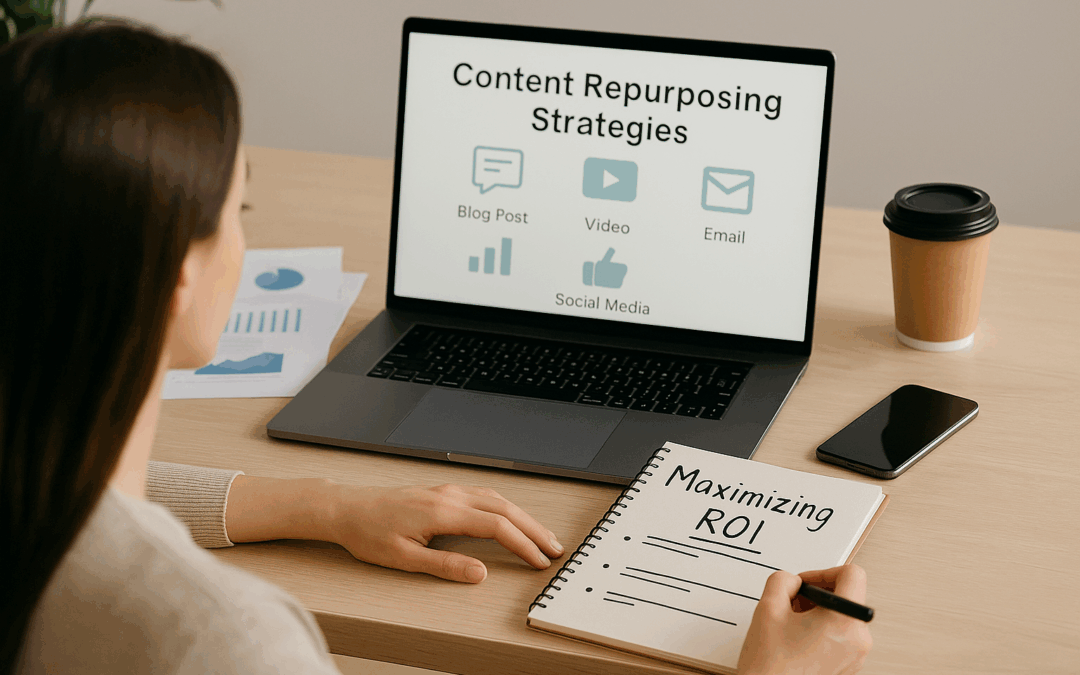
Creating fresh content consistently is a challenge for every marketer. Blog posts, social media updates, videos, podcasts, email campaigns—each channel demands attention. But here’s the good news: you don’t always need to reinvent the wheel. By repurposing content, you can stretch one idea across multiple platforms, expand your reach, and maximize return on investment without burning out your creative team.
This guide explores practical strategies for repurposing content effectively, examples from brands doing it well, and tips for making sure your repurposed material stays relevant and engaging.
Why Repurposing Content Matters
Original content is valuable, but it requires significant time, effort, and resources. Repurposing allows you to:
- Reach new audiences on different platforms.
- Reinforce your message by delivering it in multiple formats.
- Extend the lifespan of high-performing content.
- Optimize ROI by getting more mileage from each piece of work.
For businesses, especially small to mid-sized ones, content repurposing is a sustainable strategy that balances creativity with efficiency.
Step 1: Start With Evergreen Content
Not every piece of content is suitable for repurposing. Focus first on evergreen assets—those that remain relevant over time. Examples include how-to guides, industry insights, or case studies.
For instance, a comprehensive blog post on “SEO Best Practices” can be broken down into smaller posts, a short explainer video, or even a downloadable checklist. Evergreen topics keep generating value, making them the best candidates for transformation.
Step 2: Break It Down
Long-form content like blogs, webinars, or whitepapers are goldmines for repurposing. By slicing them into smaller, digestible pieces, you can share the same insights in new ways.
- Blog post → Infographic highlighting key statistics.
- Webinar → Series of short video clips for LinkedIn or Instagram.
- Research report → Multiple social media posts with charts and graphs.
Breaking content into smaller chunks not only multiplies its reach but also adapts it to the shorter attention spans common on social platforms.
Step 3: Build It Up
Repurposing also works in the opposite direction. Several smaller pieces can be combined into a larger, authoritative asset.
- A series of blog posts → An eBook or ultimate guide.
- Multiple customer Q&As → A podcast episode.
- Social posts on trends → An in-depth newsletter edition.
This approach positions your brand as an expert while making it easy for audiences to dive deeper into a subject.
Step 4: Tailor for Platforms
One mistake marketers make is simply copy-pasting content across channels. Each platform has its own strengths and audience behavior.
- LinkedIn: Professional, thought leadership-focused posts.
- Instagram: Visual stories, reels, or carousel slides.
- YouTube: Long-form video tutorials or case studies.
- Email: Curated insights or exclusive tips with a personal touch.
By tailoring the same core content for each channel, you ensure it feels native and engaging wherever it appears.
Step 5: Repackage Into New Formats
Audiences consume content differently—some prefer reading, others prefer listening or watching. Repurposing content into new formats can dramatically extend your reach.
- Blog posts → Podcast episodes or audiograms.
- Interviews → Video clips with captions.
- Data-heavy reports → Slide decks for webinars or SlideShare.
A single idea can fuel an entire cross-platform campaign if you creatively switch up the medium.
Step 6: Update and Refresh
Repurposing isn’t just about reformatting—it’s also about revisiting older content and giving it new life.
- Update statistics and add fresh examples to older posts.
- Rewrite a high-traffic blog into an SEO-optimized version for new keywords.
- Re-share seasonal or trending topics with updated insights.
Refreshing ensures your content stays relevant and continues driving organic traffic.
Real-Life Example
Take a look at how Gary Vaynerchuk’s team operates. One keynote speech might be recorded, transcribed, broken into short video clips, turned into quotes for Instagram, expanded into blog posts, and then included in a weekly email newsletter.
This strategy doesn’t just recycle—it amplifies. By tailoring each version to its platform, the message reaches millions without requiring completely new material every time.
SEO Benefits of Content Repurposing
Repurposed content isn’t just efficient—it also strengthens your SEO strategy.
- Multiple formats (blog, video, podcast) increase opportunities to rank on different search types.
- Updated content signals freshness to search engines.
- Internal linking between repurposed pieces creates stronger topical authority.
For example, an article that ranks for “content marketing strategy” could be repurposed into a video optimized for YouTube, giving your brand visibility across multiple search engines.
Tips for Success
- Audit your content regularly to identify high-performing or evergreen pieces worth repurposing.
- Use analytics to see which formats resonate with your audience.
- Always prioritize quality—repurposing should feel fresh, not repetitive.
- Keep branding consistent across formats to reinforce recognition.
Practical Conclusion
Repurposing content isn’t about doing less—it’s about working smarter. By adapting one idea into multiple forms, you can expand your reach, boost engagement, and maximize ROI without constantly starting from scratch.
With the right approach, your best ideas become the foundation of a content engine that grows stronger over time.
