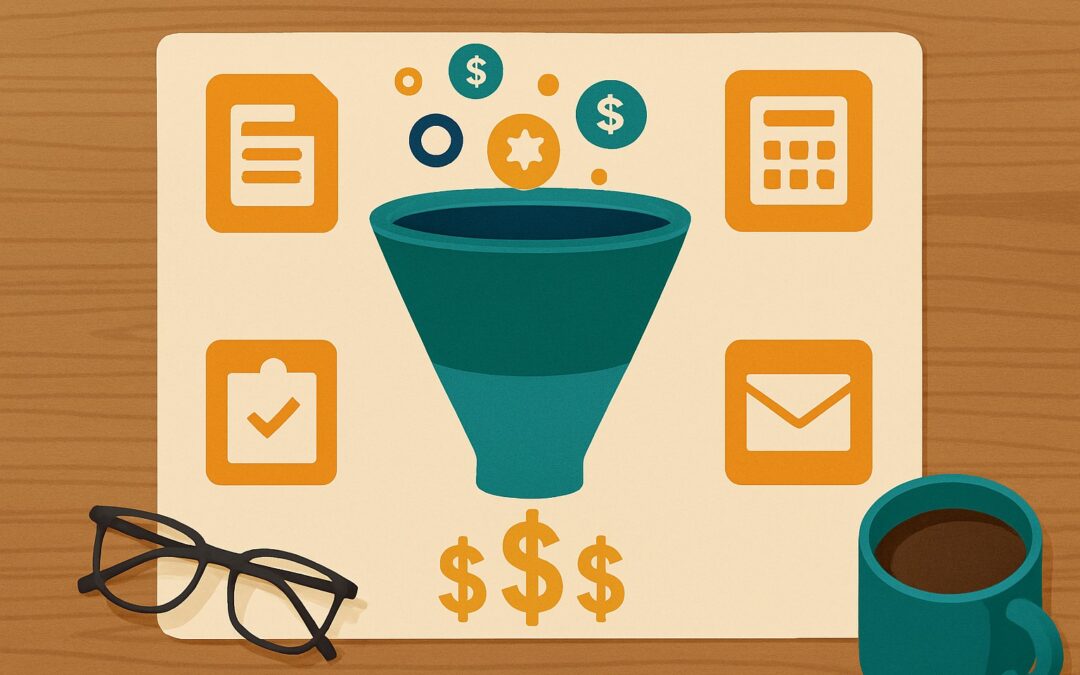
by Research Team | Nov 3, 2025 | Automation, Content Marketing, Lead Generation
In the fast-moving world of digital marketing, not all content has to be trendy to be effective. Some of the most powerful and sustainable strategies come from evergreen funnels—automated, long-lasting marketing pathways that consistently attract, nurture, and convert leads without constant manual effort.
Whether you’re running a small business or scaling a growing brand, evergreen funnels offer a reliable way to generate qualified traffic, build trust, and drive sales—even while you sleep.
What Is an Evergreen Funnel?
An evergreen funnel is a pre-designed series of marketing steps (or touchpoints) that remain relevant over time. Unlike campaign-based funnels, which are time-bound and often linked to promotions or product launches, evergreen funnels work continuously.
They typically include:
- Evergreen content (like blog posts, videos, or guides)
- Lead magnets (downloadable checklists, webinars, etc.)
- Email sequences or nurturing series
- Conversion offers (courses, consultations, products)
- Follow-up and remarketing logic
Everything is automated and designed to work without needing regular refreshes—hence the term evergreen.
Why Evergreen Funnels Matter
1. Long-Term ROI
Once created and optimized, evergreen funnels continue to bring in leads and conversions with minimal ongoing work. You invest once and benefit repeatedly.
2. Scalable and Sustainable
As traffic increases, the funnel continues to perform. You don’t need to scale your team or repeat the same manual outreach.
3. Supports Your SEO and Content Strategy
Evergreen content aligned with user intent (like how-tos, guides, or solution-oriented posts) performs well in search engines. Pairing this with automated follow-up creates a full inbound engine.
4. Improved Customer Experience
A well-structured evergreen funnel educates, nurtures, and supports customers at every stage, without being pushy or salesy.
Key Components of an Evergreen Funnel
1. Top-of-Funnel Content (Attract)
This is where you provide value up front. Think of blog posts, YouTube videos, or podcasts that answer common questions, solve problems, or demonstrate expertise.
Example: A blog post titled “How to Organize Your Home Office for Focus” leads readers to a free guide on workspace productivity.
2. Lead Magnet (Capture)
Once you’ve attracted attention, offer something valuable in exchange for an email address. This could be:
- Checklists
- Templates
- Ebooks
- Mini-courses
- Webinars
- Case studies
The goal is to move the user from a passive reader to an engaged prospect.
3. Email Nurture Sequence (Educate)
Once a lead opts in, guide them through a series of emails designed to build trust, address objections, and present your offer in a logical, value-driven way.
Tips:
- Focus on storytelling, education, and outcomes
- Include testimonials, use cases, or client success stories
- Use segmentation if possible to tailor the sequence to specific interests
4. Conversion Offer (Sell)
When the time is right, make your pitch. This could be a paid product, a course, a demo booking, or a free consultation. Because of the value you’ve provided, the offer feels helpful, not intrusive.
Example: After a 5-email productivity series, you introduce a premium course on digital decluttering.
5. Follow-Up and Retargeting (Reinforce)
Not every lead converts right away. That’s why evergreen funnels often include:
- Reminder emails
- Limited-time bonuses (with ethical scarcity)
- Retargeting ads for visitors who didn’t convert
- Re-engagement sequences weeks or months later
This ensures your funnel remains alive and adaptive.
Best Practices for Building a High-Performing Evergreen Funnel
1. Start with Your Audience’s Core Problem
What recurring challenge do they face? Build content that speaks directly to that pain point, then offer a next step that helps them solve it.
2. Keep It Evergreen (Not Trendy)
Avoid timely references (e.g., “Top Tips for 2023”) in your funnel content. Use timeless language and themes that stay relevant year-round.
3. Optimize the Entry Point
Test different blog headlines, opt-in forms, and placements to improve conversions at the top of the funnel. A strong entry point leads to better downstream results.
4. Focus on Value First, Sales Second
An evergreen funnel isn’t a pressure cooker. It’s a relationship builder. Prioritize content that helps, educates, and positions your brand as a trusted guide.
5. Set Reminders for Maintenance
While “evergreen” means long-lasting, it’s not “set-it-and-forget-it.” Check your funnel performance quarterly, update outdated info, and test new variations to keep things fresh.
Who Benefits Most from Evergreen Funnels?
- Coaches and consultants looking to automate lead generation
- SaaS companies offering freemium or demo-based products
- E-commerce brands with niche audiences and recurring content
- Content creators and educators selling online courses or memberships
- Service providers like agencies or freelancers seeking a steady stream of clients
If your offer solves a persistent problem and doesn’t require frequent pricing or product changes, an evergreen funnel can be a game-changer.
Build It Once, Benefit Every Day
Marketing doesn’t have to mean constant hustle. With evergreen funnels, you can create assets that serve both you and your audience day after day.
They educate, nurture, and convert—while freeing up your time to focus on strategy, creativity, or simply growing your business.
Whether you’re just starting or refining an existing funnel, focusing on long-term value is the surest way to build sustainable digital momentum.
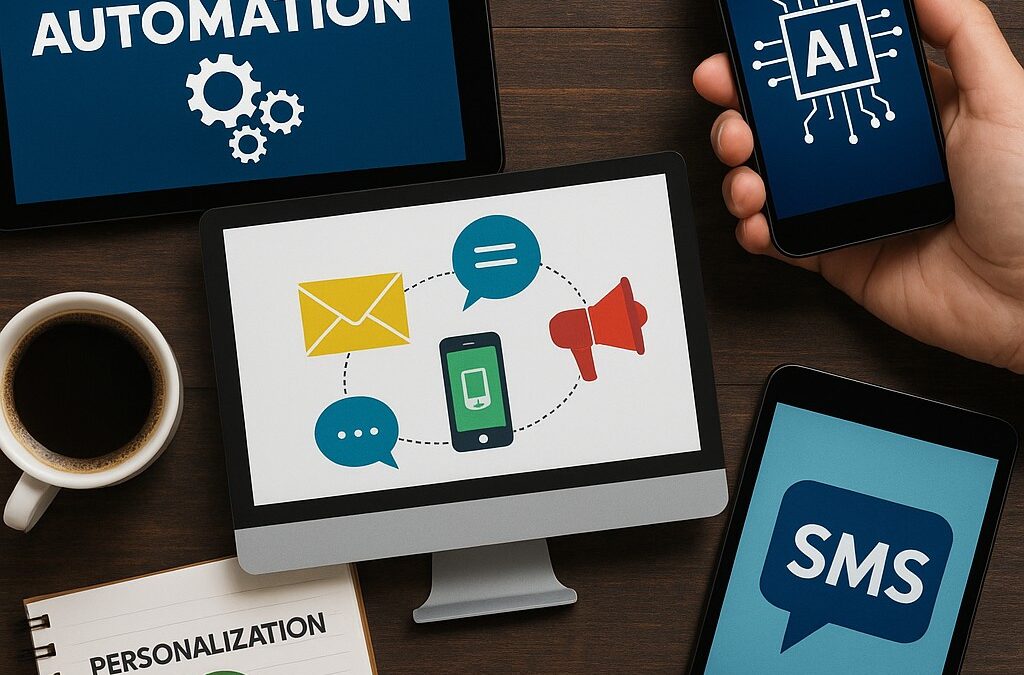
by Research Team | Oct 27, 2025 | Artificial Intelligence, Automation, Customer Experience
When most marketers think of automation, email campaigns often come to mind first. But today, marketing automation powered by AI has evolved far beyond inboxes and autoresponders. From intelligent chatbots to dynamic ad targeting and real-time SMS workflows, automation now reaches across nearly every digital channel—and it’s changing how brands engage customers at scale.
As customer expectations rise and personalization becomes the norm, brands that leverage automation across their ecosystem are better positioned to deliver timely, relevant, and consistent experiences.
The Evolution of Marketing Automation
Early marketing automation tools focused almost entirely on email—automating welcome sequences, drip campaigns, and cart recovery messages. These tools helped marketers nurture leads without constant manual intervention.
Today, automation capabilities extend across an entire customer journey and span channels such as:
- SMS and push notifications
- Chatbots and live chat platforms
- Website personalization
- Programmatic advertising
- CRM and sales automation
- Social media direct messaging
AI and machine learning now enable marketers to analyze behaviors, predict intent, and deliver tailored content, not just reactively, but proactively.
Why Automation Beyond Email Matters
1. Omnichannel Customer Expectations
Consumers no longer engage with brands on a single channel. They browse on mobile, follow on Instagram, chat via Messenger, and return later via desktop. Relying solely on email limits your ability to meet them where they are, when it matters most.
2. Speed and Responsiveness
AI-powered automation lets you respond in real time. Whether it’s an SMS triggered by cart abandonment or a chatbot that handles product inquiries instantly, faster responses increase conversions and customer satisfaction.
3. Scalability Without Burnout
As your customer base grows, maintaining 1:1 interactions manually becomes impossible. Automation enables scalable personalization—delivering meaningful touchpoints across thousands of users without sacrificing quality.
4. Behavior-Based Journeys
AI tools analyze real-time user behavior—like time on page, click patterns, and engagement history—to trigger tailored workflows. The result is a more dynamic and responsive user journey.
Key Channels Where AI-Powered Automation Thrives
SMS and Push Notifications
SMS automation allows marketers to send personalized messages at key moments, like restocking reminders, appointment alerts, or shipping updates. When combined with AI, these messages can be optimized for timing and relevance.
Example: A customer browses shoes but doesn’t buy. A few hours later, they receive a limited-time SMS discount for that exact item.
Chatbots and Conversational AI
Intelligent chatbots on websites or messaging platforms can answer questions, qualify leads, recommend products, and even assist with checkout. AI makes these bots feel more human, adapting to user tone and intent.
Example: A user lands on your site and asks about a product. The chatbot answers, suggests a related item, and offers a coupon—all before the visitor leaves.
Dynamic Content and Website Personalization
AI can analyze user data—like geographic location, behavior, or past purchases—to customize what content appears on your website. Landing pages can adapt based on visitor profiles to improve relevance and conversions.
Example: A repeat visitor sees different homepage banners than a first-time visitor. Product recommendations are based on their past shopping behavior.
Social Media and Direct Messaging
AI can monitor engagement on social platforms and trigger automated DMs to followers who comment, engage, or express interest in offers. Some strategies also sequence content based on past behavior to deepen engagement.
Example: A customer clicks on a carousel ad. Days later, they receive a follow-up promo message based on their interaction history.
CRM and Sales Automation
Modern marketing automation integrates with sales pipelines to score leads, automate follow-ups, and deliver personalized outreach based on intent. This improves alignment between marketing and sales while speeding up conversions.
Example: A lead downloads a case study, visits the pricing page twice, and replies to a chatbot. AI flags them as high-intent and auto-schedules a rep follow-up.
Enabling Automation: What You Need to Make It Work
Successfully implementing cross-channel automation doesn’t require the flashiest tools—it requires a clear strategy, thoughtful workflows, and the ability to unify your customer data across touchpoints. Before expanding your automation efforts, consider these foundational components:
1. Centralized Customer Data
To create seamless experiences across channels, your systems need to “talk” to each other. A centralized customer data framework helps ensure that your automation is based on accurate, up-to-date behavioral and demographic insights.
2. Clearly Defined Goals and Triggers
Every automation workflow should begin with a clear purpose. Whether you’re aiming to reduce cart abandonment, onboard new users, or re-engage inactive leads, define both the desired outcome and the behavioral trigger that will initiate the sequence.
3. Flexible Workflow Design
Effective automation strategies often follow branching logic, delivering different messages or actions based on customer responses or engagement. This flexibility ensures the experience remains relevant and timely for each user.
4. Consistent Messaging Across Channels
While automation allows you to engage users on various platforms, consistency in tone, branding, and value proposition is key. Each channel should support a unified story, even if it’s tailored to the medium.
5. Ongoing Monitoring and Refinement
Automation is not a set-it-and-forget-it strategy. Successful brands regularly test variations, review performance metrics, and make data-driven adjustments to improve outcomes over time.
Beyond the Inbox: The Future Is Integrated
Email is still powerful, but it’s just one thread in a much larger marketing web. Today’s consumers expect relevance, speed, and personalization—on the platform of their choice, at the time of their choosing.
By moving beyond email and embracing automation across SMS, web, chat, and social, marketers can create cohesive, data-driven experiences that meet users where they are. With AI as a backbone, these experiences feel timely, helpful, and—most importantly—human.
Brands that adopt a channel-agnostic, customer-centric approach to automation aren’t just keeping up with digital trends—they’re redefining what marketing can be.

by Research Team | Sep 18, 2025 | Automation, Digital Marketing
In an environment where customer expectations shift quickly and competition grows tighter by the day, making informed decisions isn’t enough—brands need to anticipate what comes next. Predictive analytics offers marketers a way to do just that. By analyzing historical data patterns, predictive tools help forecast future behaviors, preferences, and outcomes, enabling smarter campaigns and more strategic resource allocation.
This isn’t about crystal-ball guessing. It’s about using real data—clicks, purchases, engagements, and more—to predict which customers are likely to buy, churn, or respond to a particular message. When used responsibly, predictive analytics strengthens personalization, reduces wasted spend, and helps businesses stay one step ahead.
What Is Predictive Analytics in Marketing?
Predictive analytics involves the use of statistical algorithms, machine learning, and historical data to forecast future events or customer actions. In marketing, this means applying those insights to improve segmentation, messaging, product recommendations, ad targeting, and campaign planning.
For example, based on a user’s previous browsing and purchase history, predictive models can estimate their likelihood to convert, respond to an upsell, or unsubscribe from communications. These insights allow marketers to tailor their actions accordingly—without waiting for the behavior to occur.
Why It Matters More Than Ever
In today’s data-rich but attention-poor landscape, timing and relevance are everything. Predictive analytics helps marketers focus efforts where they’re most likely to pay off. It removes guesswork from key decisions, whether you’re deciding who to retarget, when to send a follow-up email, or what content to promote.
Moreover, predictive insights allow for greater personalization at scale. Instead of creating generic segments based on age or geography, marketers can prioritize based on future value—targeting high-probability buyers or identifying customers at risk of leaving.
This kind of foresight doesn’t just optimize campaigns—it improves customer experience. When users receive messages that reflect their needs and timing, trust and engagement naturally follow.
Common Use Cases in Marketing
Marketers across industries are using predictive analytics in ways that are both strategic and practical. Some of the most common applications include:
- Lead scoring
Assigning a probability to each lead based on their likelihood to convert. This helps sales and marketing teams prioritize outreach and allocate resources more effectively.
- Churn prediction
Identifying customers who are showing signs of disengagement. Early intervention—like personalized offers or check-ins—can reduce loss and boost retention.
- Product recommendations
Using past purchase behavior and browsing history to suggest relevant items. This is widely used in e-commerce and subscription services.
- Dynamic pricing
Adjusting prices based on predicted demand, user behavior, or timing. This technique is common in travel, SaaS, and online retail.
- Campaign optimization
Testing creative elements, timing, and channels to predict which combinations will yield the best results—before the campaign finishes running.
These use cases demonstrate how predictive analytics can support both high-level planning and day-to-day decision-making.
Tools and Technologies That Make It Possible
You don’t need to build a data science team from scratch to implement predictive analytics. Many modern marketing platforms now include built-in predictive capabilities or integrations with analytics tools. Some of the most accessible options include:
- CRM and marketing automation tools like Salesforce, HubSpot, and Marketo, which offer predictive lead scoring and customer lifecycle modeling.
- E-commerce platforms like Shopify and BigCommerce that support predictive recommendations through apps or built-in features.
- Analytics suites such as Google Analytics 4, Adobe Analytics, or Mixpanel, which can track events and model likely user paths.
- Dedicated predictive platforms like Pega, SAS, or IBM Watson Marketing for businesses with complex data environments and personalization needs.
Choosing the right tool depends on your company size, tech stack, and data maturity. Even simple models can bring value when integrated thoughtfully into marketing workflows.
Best Practices for Success
To fully harness the potential of predictive analytics in marketing, it’s essential for teams to approach it with a clear framework. This involves more than just adopting the right tools—it requires setting intentional goals, maintaining clean data, and applying insights with both strategy and sensitivity. The following principles can help guide a thoughtful and effective implementation:
- Start with clear objectives
Before building or applying any predictive model, define what you want to achieve. Whether it’s increasing email engagement, reducing customer churn, or optimizing ad spend, having a specific goal ensures that the analytics remain actionable and focused.
- Use quality data
Predictive accuracy depends on the quality of the data feeding the model. Work with clean, relevant, and up-to-date information. Remove duplicates, fill gaps where possible, and ensure your sources are consistent and reliable.
- Test and validate predictions
Don’t assume that predictions will always be correct. Continuously measure your model’s performance against real-world results. Use A/B testing and feedback loops to refine predictions and understand what’s working—or not.
- Balance automation with human oversight
Predictive tools are powerful, but they should inform rather than replace strategic decision-making. Combine analytical insights with human experience and brand understanding to guide creative direction and campaign choices.
- Be transparent and respect privacy
Use customer data responsibly by clearly communicating how it will be used. Offer users control over their preferences and comply with regulations like GDPR or CCPA. Ethical handling of data builds trust and long-term credibility.
Final Perspective
Predictive analytics empowers marketers to make proactive, data-informed decisions that align with user needs and business goals. Instead of reacting to behavior, you’re anticipating it—creating more targeted, timely, and effective campaigns in the process.
As tools become more accessible and models more refined, predictive analytics is no longer reserved for large enterprises. Any team willing to invest in data structure and testing can benefit from this approach. In a landscape defined by change and choice, the ability to look ahead is no longer a luxury—it’s a competitive necessity.

by Research Team | Sep 15, 2025 | Automation, Digital Marketing, Marketing Strategy
Modern digital marketing is less about broadcasting one message to a broad audience and more about understanding individual behavior and delivering tailored experiences. That’s where behavioral segmentation comes in. By categorizing your audience based on what they do, rather than just who they are, you can develop campaigns that are timely, relevant, and more likely to convert.
Behavioral segmentation helps marketers group users by actions such as website visits, content interaction, past purchases, app usage, and more. Unlike demographic or geographic data, these behaviors reveal intent. They tell you not just who the customer is, but how they think and what stage of the buyer journey they’re in.
This strategy allows brands to move from guesswork to precision, crafting messages that respond to what users actually want in real time.
Why Behavioral Segmentation Matters
Customer behavior provides context that traditional data can’t. Two people might share the same demographic profile, but their actions tell completely different stories. One might be browsing repeatedly without buying, while the other converts after a single visit. Treating them the same wastes potential.
When you analyze and group customers based on behavior, you can prioritize what matters to them. That leads to more relevant email campaigns, smarter ad targeting, and higher-performing landing pages.
Marketers using behavioral segmentation often see stronger engagement metrics, including lower bounce rates, longer session times, and better return on ad spend. More importantly, it enhances customer satisfaction because people feel like the brand understands them.
Types of Behavioral Segmentation
There are many ways to approach behavioral segmentation, but the most effective strategies often combine a few core categories:
- Purchase behavior
Segment users by what they’ve bought, how often, and how recently. This is essential for upselling, cross-selling, and re-engagement strategies.
- Engagement level
Analyze how often users visit your website or app, what pages they view, and how long they stay. Frequent interaction may indicate high interest or loyalty.
- Occasion-based behavior
Look at when users interact with your brand—seasonal shopping, event-based usage, or lifecycle moments like birthdays or renewals. These insights help you time your offers.
- Usage behavior
For SaaS and app-based products, this includes features used, frequency of login, or completion of onboarding. This data supports retention and training strategies.
- Benefits sought
Track what users value most—whether it’s low prices, fast delivery, or specific product features. Behavioral tags like this can guide product development as well as marketing.
Each type adds another layer to your understanding of customer motivation, allowing you to tailor content, offers, and messaging accordingly.
Applying Behavioral Segmentation in Campaigns
Once you’ve segmented your audience by behavior, the next step is to act on it. Here’s how to apply those insights across channels:
- Email marketing
Send dynamic emails based on behavior. For example, trigger a cart abandonment email for users who added items but didn’t check out, or reward loyal buyers with exclusive discounts based on purchase frequency.
- Ad targeting
Tailor your display or social ads to specific user segments. You might target high-engagement users with upgrade offers or re-engage dormant ones with time-limited discounts.
- Website personalization
Show different homepage banners or featured products based on user behavior. Someone browsing a specific product line can be greeted with content or offers related to that interest on their next visit.
- Product recommendations
Use behavioral history to suggest products that align with what the customer has viewed or bought. This is one of the most powerful conversion tools in e-commerce.
- Customer retention workflows
For users who haven’t logged in or interacted for a while, set up reactivation campaigns with helpful reminders, updates, or incentives to return.
Behavioral segmentation creates opportunities for automation without sacrificing relevance. When executed well, it feels like the brand is one step ahead—offering exactly what the user needs, when they need it.
Tools That Support Behavioral Segmentation
Implementing behavioral segmentation doesn’t require guesswork. Many marketing tools now integrate behavioral data as a core feature:
- CRM platforms like HubSpot, Salesforce, and ActiveCampaign can track user behavior across multiple channels and build workflows around those insights.
- Email automation tools such as Mailchimp or Klaviyo offer behavior-triggered campaigns based on actions like clicks, opens, and product views.
- Analytics tools, including Google Analytics 4, Mixpanel, and Heap, allow marketers to view granular user paths, engagement scores, and conversion behavior.
- On-site personalization platforms like Optimizely or Dynamic Yield help deliver behavior-based experiences in real time.
Choosing the right mix depends on your business type, but even small to mid-sized teams can use behavioral data to create sophisticated customer journeys with minimal complexity.
The Balance Between Personalization and Privacy
As with any data-driven strategy, behavioral segmentation requires transparency and trust. Let users know what you’re collecting and why. Provide easy opt-out options and comply with regulations like GDPR or CCPA.
Personalization works best when users feel they’re gaining something in return. Whether it’s better recommendations, faster service, or fewer irrelevant emails, the value exchange should always be clear.
Striking that balance not only protects your brand, it reinforces the sense that your marketing is thoughtful and respectful, rather than invasive.
Final Perspective
Behavioral segmentation is one of the most practical ways to bridge the gap between data and real customer value. By observing what people do, rather than assuming based on static categories, you can deliver marketing that feels relevant, timely, and personal.
As digital competition increases, it’s no longer enough to rely on broad segments or generic messaging. Behavioral data gives you the insight needed to adapt in real time and meet your audience where they are in their journey.
In a world where personalization drives results, behavioral segmentation gives you the strategy to do it with clarity and precision.

by Research Team | Jun 4, 2025 | Automation, Digital Marketing
Let’s be honest: keeping up with content creation, lead nurturing, campaign management, and reporting manually is exhausting. The good news? Marketing automation tools can streamline your workflow, improve consistency, and free up hours each week.
But with so many options out there, which tools actually help—and won’t drain your budget?
In this post, we’ll explore the best affordable marketing automation tools for small to mid-sized businesses, what they’re good at, and how to use them to save time while driving results.
Why Marketing Automation Matters
Marketing automation allows you to set up systems that run on their own—think scheduled emails, auto-published content, lead scoring, and analytics reporting—all without the need to hit “send” or “post” every time.
The benefits?
- Save time with scheduled tasks and smart workflows
- Improve lead nurturing through personalized automation
- Increase conversions by engaging prospects at the right moment
- Track ROI with integrated analytics and reporting
- Maintain consistency across platforms without daily micromanaging
Whether you’re a solo entrepreneur or managing a lean marketing team, automation helps you scale without burnout.
What to Look for in a Marketing Automation Tool
Not all automation platforms are created equal. Before you invest, consider:
- Ease of use – Is the interface intuitive?
- Features that match your needs – Email sequences? CRM? Social scheduling?
- Integrations – Does it play well with your existing tools (like Shopify, WordPress, Stripe, etc.)?
- Pricing – Is it affordable as you grow?
- Support & documentation – Can you get help when you need it?
Now let’s dive into some of the best value-packed tools out there.
Top Affordable Marketing Automation Tools in 2025
1. MailerLite
Best for: Email marketing automation for small businesses
- Easy-to-use email builder
- Advanced automations (welcome sequences, abandoned cart, etc.)
- Integrated landing pages and popups
- Free plan up to 1,000 subscribers
Why it’s great: Simple UI, powerful features, and unbeatable value for early-stage marketers.
2. Buffer
Best for: Social media scheduling and automation
- Schedule posts across platforms (Instagram, Facebook, LinkedIn, X, Pinterest)
- Analyze engagement performance
- Collaborate with team members
- Free plan available with upgrade options
Pro tip: Use Buffer’s queue feature to automate your social calendar weeks in advance.
3. ConvertKit
Best for: Creators, bloggers, and course sellers
- Visual email sequences and automations
- Subscriber tagging and segmentation
- Landing pages and lead magnet delivery
- Integrates with Shopify, Teachable, and more
Why it stands out: Clean UX, creator-focused workflows, and flexible automation paths.
4. Brevo (formerly Sendinblue)
Best for: All-in-one automation (email, SMS, CRM)
- Drag-and-drop email builder
- Email & SMS automation
- Basic CRM included
- Affordable pricing based on email volume—not subscribers
Ideal for: Businesses that want email + SMS automation in one affordable dashboard.
5. Zapier
Best for: Automating repetitive tasks between tools
- Connects 6,000+ apps (Google Sheets, Slack, Shopify, etc.)
- Automates tasks like form entries → CRM, or lead info → email list
- Create “Zaps” without coding
Example: Automatically send a Slack message when someone fills out a contact form.
6. Notion + Notion Automations (Zapier, Make.com)
Best for: Custom workflows and content management
- Plan, write, and track content
- Automate publishing or content status updates
- Collaborate with your team on campaigns
- Connect with tools like Google Calendar, Trello, Gmail
Why marketers love it: Combines productivity and marketing planning in one place.
Simple Marketing Tasks You Can Automate Right Now
Not sure where to start? Here are easy wins that pay off fast:
- Welcome email sequences
- Cart abandonment follow-ups
- Social media post scheduling
- Monthly report generation
- Lead tagging and segmentation
- Meeting or event reminders
- Review request emails after purchase
Automation isn’t just for advanced marketers—it’s for anyone who wants to save time and increase consistency.
SEO Tip: Automate Your SEO Tasks, Too
Yep, automation can help here as well:
- Use Google Search Console alerts for site errors or ranking drops
- Automate weekly keyword ranking reports with SEMrush or Ahrefs
- Set up Google Data Studio dashboards to visualize traffic, clicks, and impressions in real-time
- Automate blog content optimization tasks using tools like SurferSEO or Frase
Smart marketers automate not just their campaigns—but their tracking and SEO processes too.
Mistakes to Avoid with Marketing Automation
- Automating too soon without a clear process
- Over-complicating workflows that become hard to manage
- Forgetting the human touch in emails or customer support
- Not testing sequences before launching
- Ignoring performance data (automation ≠ set-it-and-forget-it)
Automation should enhance your marketing—not replace real strategy.
Final Thoughts: Smarter, Not Harder
You don’t need a massive tech stack or enterprise-level software to automate like a pro. Start with one or two tools that address your biggest time-drains—then scale as you grow.
In 2025 and beyond, marketing automation is not optional—it’s your ticket to doing more with less, freeing up creative energy, and driving better results without working 24/7.

by Research Team | May 6, 2025 | Artificial Intelligence, Automation, Digital Marketing, Social Media
The digital marketing landscape is evolving rapidly, and one of the most significant changes in recent years is the rise of zero-click marketing. As search engines, AI-driven assistants, and social media platforms prioritize immediate answers and on-platform engagement, businesses must adapt their marketing strategies to remain visible and influential—even without direct clicks to their websites.
In this article, we’ll explore what zero-click marketing is, why it’s reshaping digital strategies, and how brands can succeed in an era where clicks are no longer the primary measure of engagement.
What is Zero-Click Marketing?
Zero-click marketing refers to strategies that deliver brand value, information, and engagement without requiring users to click through to an external website. This shift is driven by search engine results pages (SERPs), AI-powered assistants, featured snippets, social media feeds, and voice search, all of which prioritize instant, in-platform content delivery.
Key Examples of Zero-Click Marketing:
- Google Featured Snippets – Providing direct answers to search queries on Google’s SERP.
- AI-Generated Search Summaries – Instant responses from AI-powered search engines.
- Social Media Content Consumption – Engagement with brand content within platforms like Instagram, LinkedIn, and TikTok.
- Voice Search Responses – Optimizing content for virtual assistants like Siri, Alexa, and Google Assistant.
- Google Business Profile & Local Pack Listings – Providing key information directly in search results without requiring a website visit.
Why Zero-Click Marketing Matters
1. Search Engine Evolution
With Google, Bing, and AI-powered search tools delivering instant responses, traditional click-through rates (CTRs) are declining. Brands must now focus on visibility within search results, not just traffic generation.
2. Rise of AI & Conversational Search
Users increasingly rely on AI chatbots and voice assistants for immediate answers, requiring businesses to adapt by structuring content for these platforms.
3. Social Media-First Content Consumption
Platforms like TikTok, Instagram, and LinkedIn encourage content engagement without leaving the app, meaning brands must build relationships within these ecosystems rather than directing users away.
4. Increased Competition for User Attention
With millions of websites competing for clicks, zero-click strategies offer brands a way to stay visible and relevant without relying solely on organic website traffic.
How to Win with Zero-Click Marketing
1. Optimize for Featured Snippets & AI Summaries
Brands should structure content for instant search results by:
- Using concise, well-formatted answers to common questions.
- Including bullet points, numbered lists, and FAQ sections.
- Optimizing for Google’s “People Also Ask” section.
2. Strengthen Your Google Business Profile
For local businesses, a well-optimized Google Business Profile ensures visibility in searches without requiring users to visit a website.
- Keep business hours, services, and contact details updated.
- Encourage customer reviews to build credibility.
- Post updates, promotions, and FAQs directly on your listing.
3. Create Engaging, Standalone Social Media Content
Instead of using social media to drive traffic to a website, brands should create self-contained, engaging content that delivers value on the platform itself.
- Use short-form videos (TikTok, Instagram Reels, YouTube Shorts).
- Publish carousel posts, infographics, and bite-sized insights.
- Engage through interactive polls, Q&A sessions, and live streams.
4. Optimize for Voice Search & Conversational AI
As voice search usage grows, brands must optimize for spoken queries by:
- Writing in natural, conversational language.
- Answering long-tail, question-based search queries.
- Structuring content with clear, concise responses that virtual assistants can pull from.
5. Focus on Brand Authority & Thought Leadership
Since zero-click marketing emphasizes visibility over clicks, building brand authority is key:
- Publish insights on LinkedIn, Medium, and industry forums.
- Leverage guest posts, podcast appearances, and expert commentary.
- Participate in Twitter/X conversations, Reddit AMAs, and industry discussions.
6. Utilize AI-Powered Chatbots & Instant Engagement Tools
Instead of directing users away from platforms, AI-driven chatbots can provide instant engagement, personalized recommendations, and customer support on websites, social media, and messaging apps.
Measuring Success in a Zero-Click World
Since traditional metrics like CTR are less relevant, brands should track:
- Brand Mentions & Search Visibility – How often your brand appears in search results, featured snippets, and social conversations.
- Engagement Metrics – Interaction rates on social posts, AI chatbot responses, and voice search results.
- Direct Queries & Brand Searches – Growth in users searching for your brand name directly, indicating strong awareness.
- Customer Actions on Google Business Profile – Click-to-call, direction requests, and photo views.
The Future of Zero-Click Marketing
- AI-Generated Search Summaries Will Dominate – AI-powered search engines will continue providing instant answers, reducing the need for website visits.
- Hyper-Personalized, Platform-Based Engagement – Brands will focus on personalized content delivery within apps and search engines.
- Augmented Reality (AR) & Immersive Content – Expect AR-powered search experiences that provide visual responses without clicking.
- Advanced Conversational AI & Voice Search Optimization – AI chatbots and virtual assistants will become primary customer interaction tools.
- Search Engine & Social Media Convergence – Platforms like Google, TikTok, and Meta will integrate AI-driven search functions, merging social and search marketing.
Conclusion
Zero-click marketing is not about eliminating websites or SEO, but rather adapting to changing user behaviors where instant engagement matters more than driving traffic. Brands that embrace on-platform engagement, AI-driven search optimization, and conversational marketing will thrive in this evolving landscape.
By focusing on visibility, brand authority, and platform-native content, businesses can succeed in a world where users increasingly interact without clicking.
Is your brand ready for the zero-click marketing revolution? The future of digital engagement is about meeting users where they are—without requiring a click.

