
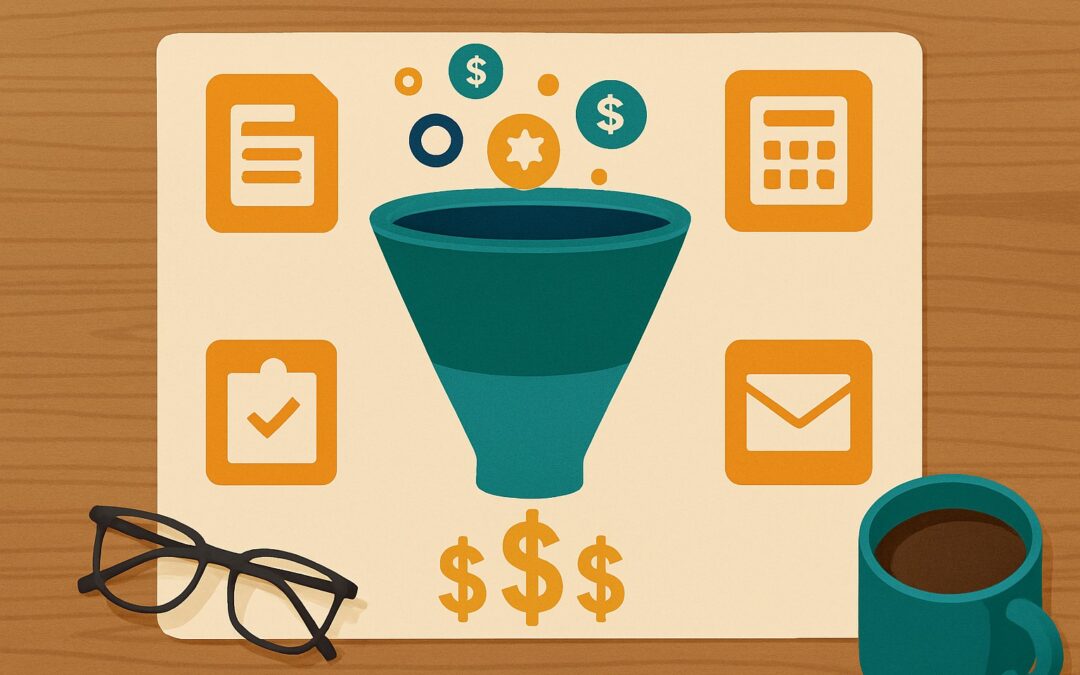
In the fast-moving world of digital marketing, not all content has to be trendy to be effective. Some of the most powerful and sustainable strategies come from evergreen funnels—automated, long-lasting marketing pathways that consistently attract, nurture, and convert leads without constant manual effort.
Whether you’re running a small business or scaling a growing brand, evergreen funnels offer a reliable way to generate qualified traffic, build trust, and drive sales—even while you sleep.
What Is an Evergreen Funnel?
An evergreen funnel is a pre-designed series of marketing steps (or touchpoints) that remain relevant over time. Unlike campaign-based funnels, which are time-bound and often linked to promotions or product launches, evergreen funnels work continuously.
They typically include:
- Evergreen content (like blog posts, videos, or guides)
- Lead magnets (downloadable checklists, webinars, etc.)
- Email sequences or nurturing series
- Conversion offers (courses, consultations, products)
- Follow-up and remarketing logic
Everything is automated and designed to work without needing regular refreshes—hence the term evergreen.
Why Evergreen Funnels Matter
1. Long-Term ROI
Once created and optimized, evergreen funnels continue to bring in leads and conversions with minimal ongoing work. You invest once and benefit repeatedly.
2. Scalable and Sustainable
As traffic increases, the funnel continues to perform. You don’t need to scale your team or repeat the same manual outreach.
3. Supports Your SEO and Content Strategy
Evergreen content aligned with user intent (like how-tos, guides, or solution-oriented posts) performs well in search engines. Pairing this with automated follow-up creates a full inbound engine.
4. Improved Customer Experience
A well-structured evergreen funnel educates, nurtures, and supports customers at every stage, without being pushy or salesy.
Key Components of an Evergreen Funnel
1. Top-of-Funnel Content (Attract)
This is where you provide value up front. Think of blog posts, YouTube videos, or podcasts that answer common questions, solve problems, or demonstrate expertise.
Example: A blog post titled “How to Organize Your Home Office for Focus” leads readers to a free guide on workspace productivity.
2. Lead Magnet (Capture)
Once you’ve attracted attention, offer something valuable in exchange for an email address. This could be:
- Checklists
- Templates
- Ebooks
- Mini-courses
- Webinars
- Case studies
The goal is to move the user from a passive reader to an engaged prospect.
3. Email Nurture Sequence (Educate)
Once a lead opts in, guide them through a series of emails designed to build trust, address objections, and present your offer in a logical, value-driven way.
Tips:
- Focus on storytelling, education, and outcomes
- Include testimonials, use cases, or client success stories
- Use segmentation if possible to tailor the sequence to specific interests
4. Conversion Offer (Sell)
When the time is right, make your pitch. This could be a paid product, a course, a demo booking, or a free consultation. Because of the value you’ve provided, the offer feels helpful, not intrusive.
Example: After a 5-email productivity series, you introduce a premium course on digital decluttering.
5. Follow-Up and Retargeting (Reinforce)
Not every lead converts right away. That’s why evergreen funnels often include:
- Reminder emails
- Limited-time bonuses (with ethical scarcity)
- Retargeting ads for visitors who didn’t convert
- Re-engagement sequences weeks or months later
This ensures your funnel remains alive and adaptive.
Best Practices for Building a High-Performing Evergreen Funnel
1. Start with Your Audience’s Core Problem
What recurring challenge do they face? Build content that speaks directly to that pain point, then offer a next step that helps them solve it.
2. Keep It Evergreen (Not Trendy)
Avoid timely references (e.g., “Top Tips for 2023”) in your funnel content. Use timeless language and themes that stay relevant year-round.
3. Optimize the Entry Point
Test different blog headlines, opt-in forms, and placements to improve conversions at the top of the funnel. A strong entry point leads to better downstream results.
4. Focus on Value First, Sales Second
An evergreen funnel isn’t a pressure cooker. It’s a relationship builder. Prioritize content that helps, educates, and positions your brand as a trusted guide.
5. Set Reminders for Maintenance
While “evergreen” means long-lasting, it’s not “set-it-and-forget-it.” Check your funnel performance quarterly, update outdated info, and test new variations to keep things fresh.
Who Benefits Most from Evergreen Funnels?
- Coaches and consultants looking to automate lead generation
- SaaS companies offering freemium or demo-based products
- E-commerce brands with niche audiences and recurring content
- Content creators and educators selling online courses or memberships
- Service providers like agencies or freelancers seeking a steady stream of clients
If your offer solves a persistent problem and doesn’t require frequent pricing or product changes, an evergreen funnel can be a game-changer.
Build It Once, Benefit Every Day
Marketing doesn’t have to mean constant hustle. With evergreen funnels, you can create assets that serve both you and your audience day after day.
They educate, nurture, and convert—while freeing up your time to focus on strategy, creativity, or simply growing your business.
Whether you’re just starting or refining an existing funnel, focusing on long-term value is the surest way to build sustainable digital momentum.
