by Research Team | Dec 14, 2024 | Digital Marketing, Mobile Marketing, Social Media
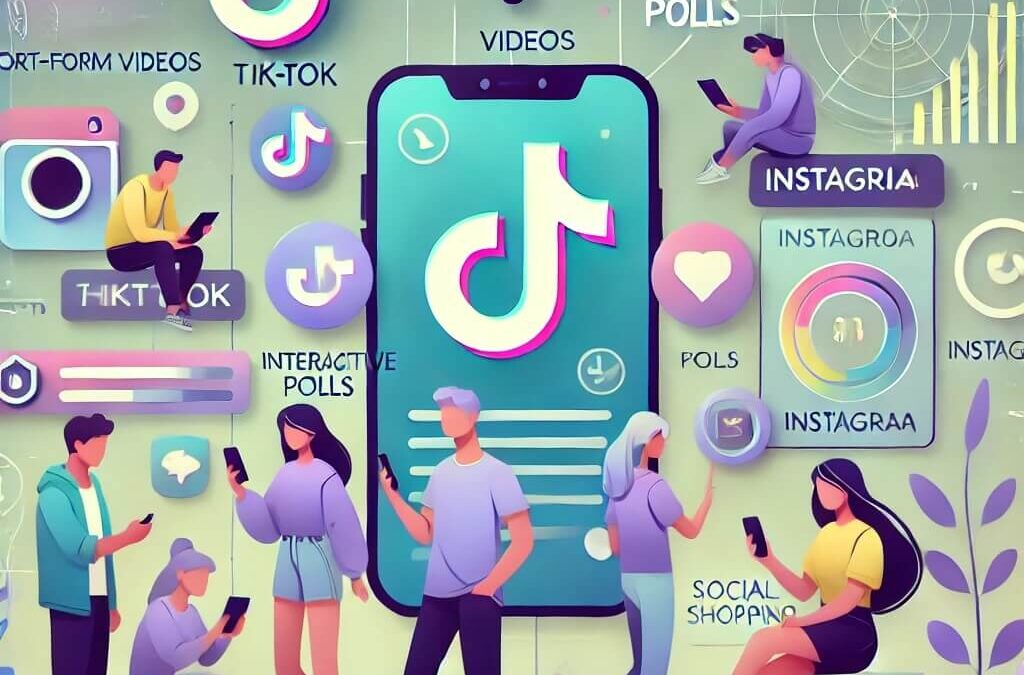
Generation Z, those born between the mid-1990s and early 2010s, has become a powerful consumer demographic that brands can no longer afford to ignore. As digital natives, Gen Z has grown up with smartphones, social media, and instant access to information, shaping their unique preferences and behaviors.
This article explores how Gen Z is redefining digital marketing, the trends shaping their engagement, and actionable strategies to connect with this influential generation.
Key Characteristics of Gen Z
- Tech-Savvy and Digitally Native
Gen Z spends significant time online, navigating multiple platforms with ease and expecting seamless digital experiences.
- Socially Conscious
They value inclusivity, sustainability, and brands that align with their ethical beliefs.
- Highly Visual
With a preference for short, engaging, and visually driven content, platforms like TikTok, Instagram, and YouTube dominate their attention.
- Preference for Authenticity
Gen Z prioritizes real, transparent interactions over polished, sales-heavy messaging.
- Mobile-First
Most of their online activities occur on mobile devices, emphasizing the need for mobile-optimized content and experiences.
Trends Redefining Digital Marketing for Gen Z
- Short-Form Video Content
- Platforms like TikTok and Instagram Reels have revolutionized how Gen Z consumes content, favoring bite-sized, entertaining videos over lengthy formats.
- Brands that use creative, humorous, or informative video content resonate strongly with this demographic.
- Interactive and Immersive Experiences
- Gen Z enjoys engaging with interactive content, such as polls, quizzes, and augmented reality (AR) filters.
- Example: AR try-on features for beauty or fashion products.
- Influencer Partnerships
- They trust influencers, especially micro-influencers who provide relatable and authentic recommendations.
- Collaborations that align with an influencer’s genuine interests feel more organic and appealing.
- Purpose-Driven Marketing
- Gen Z supports brands that take a stand on social and environmental issues.
- Example: Campaigns promoting sustainability, diversity, or mental health initiatives.
- Social Commerce
- The integration of shopping features within social platforms simplifies the purchasing process, appealing to Gen Z’s need for convenience.
- Memes and Humor
- Relatable, funny, and shareable memes are a favorite among Gen Z and can humanize a brand.
- Example: Wendy’s Twitter account uses humor and wit to engage its younger audience.
How to Market Effectively to Gen Z
- Be Authentic and Transparent
- Showcase your brand’s personality through unpolished, behind-the-scenes content.
- Avoid overly promotional tactics, as Gen Z values honesty over perfection.
- Prioritize Mobile Optimization
- Ensure your website and campaigns are mobile-friendly, with fast loading times and responsive designs.
- Optimize content for vertical viewing on mobile devices.
- Leverage User-Generated Content (UGC)
- Encourage customers to share their experiences with your brand.
- Highlight UGC on your social channels to build community and trust.
- Focus on Community Building
- Create online spaces where Gen Z can interact with your brand and each other.
- Example: Exclusive Discord groups or interactive Instagram Stories.
- Use Platforms Where Gen Z Is Active
- Invest in platforms like TikTok, Snapchat, and Instagram where Gen Z spends the most time.
- Tailor your content to suit the tone and trends of each platform.
- Engage Through Storytelling
- Use compelling narratives that resonate emotionally and reflect shared values.
- Example: Share stories about your brand’s journey, employees, or impact initiatives.
Measuring Success with Gen Z Marketing
- Engagement Rates
Track likes, shares, comments, and views to assess how well your content resonates with Gen Z.
- Conversion Metrics
Monitor click-through rates (CTR), purchases, or sign-ups generated from campaigns targeting Gen Z.
- Brand Sentiment
Analyze online conversations to gauge how Gen Z perceives your brand and whether they align with your messaging.
- UGC and Mentions
Measure the volume and quality of user-generated content and brand mentions across social platforms.
- Follower Growth on Gen Z-Preferred Platforms
Track the growth of your audience on platforms like TikTok and Instagram.
Challenges of Marketing to Gen Z
- Short Attention Spans
- With so much content competing for their attention, capturing and retaining Gen Z’s interest can be difficult.
- Solution: Use bold visuals, concise messaging, and engaging formats to stand out.
- Demand for Authenticity
- Gen Z is quick to spot inauthentic or insincere marketing.
- Solution: Stay genuine and ensure your messaging aligns with your brand’s values.
- Ad Fatigue
- Constant exposure to ads makes it challenging to break through the noise.
- Solution: Focus on creating value-driven and entertaining content.
Critical Points
Gen Z’s unique characteristics and preferences are reshaping digital marketing, challenging brands to adopt innovative and authentic approaches. From short-form videos to purpose-driven campaigns, understanding how to connect with this generation requires creativity, adaptability, and a deep commitment to aligning with their values.
By leveraging platforms they frequent, embracing transparency, and fostering genuine engagement, brands can build lasting relationships with Gen Z. As this generation’s influence grows, staying attuned to their evolving behaviors will be essential for driving success in the digital era.

by Research Team | Dec 2, 2024 | Advertising, Digital Marketing, Social Media
The holiday season is a golden opportunity for businesses to connect with their audiences and drive sales. However, with countless brands competing for attention, creating a standout holiday marketing campaign can be challenging. To succeed, businesses must blend creativity with strategy to deliver memorable and impactful campaigns that resonate with their target audience.
This article explores actionable strategies to help your brand shine during the festive rush and achieve your holiday marketing goals.
The Importance of Holiday Marketing
- Increased Consumer Spending
- The holiday season accounts for a significant portion of annual sales across industries, making it a crucial time for businesses to capitalize on increased spending.
- Heightened Emotional Appeal
- Holidays evoke strong emotions, from joy and nostalgia to generosity. Tapping into these emotions can foster deeper connections with your audience.
- Opportunity to Build Loyalty
- A well-executed holiday campaign can leave a lasting impression, encouraging customers to return throughout the year.
Strategies for Creating a Standout Holiday Marketing Campaign
- Start Planning Early
- Begin brainstorming and organizing your campaign months in advance to ensure seamless execution.
- Early teasers and announcements can generate anticipation and keep your brand top of mind.
- Leverage Holiday Themes
- Incorporate festive visuals, colors, and messaging into your marketing materials.
- Focus on holiday-specific elements that reflect the spirit of the season, such as warmth, togetherness, and celebration.
- Run Time-Limited Offers
- Create urgency with flash sales, countdowns, or limited-edition products.
- Highlight the exclusivity of seasonal offerings to encourage immediate purchases.
- Embrace Storytelling
- Use emotional narratives to connect with your audience. Highlight themes like family, giving, or personal growth that resonate with holiday sentiments.
- Share stories that align with your brand values and holiday messaging.
- Create Personalized Experiences
- Use customer data to tailor recommendations, offers, or greetings.
- Personalization ensures that your audience feels valued and understood, enhancing their connection to your brand.
- Utilize Social Media Effectively
- Run festive contests, giveaways, or polls to boost engagement.
- Interactive content fosters a sense of community and makes your brand a part of holiday traditions.
- Incorporate Video Marketing
- Create short, festive video ads for platforms like Instagram, TikTok, or YouTube.
- Use engaging visuals and relatable content to showcase how your products or services fit into holiday celebrations.
- Collaborate with Influencers
- Partner with influencers who align with your brand to amplify your campaign’s reach.
- Influencers can help build trust and showcase your offerings authentically to their followers.
- Highlight Corporate Social Responsibility (CSR)
- Showcase your brand’s commitment to giving back during the season.
- Activities like donations, charitable events, or community support projects can strengthen your brand’s reputation.
- Optimize for Mobile
- Ensure your website, emails, and ads are mobile-friendly, as many holiday shoppers browse and buy on their smartphones.
Common Mistakes to Avoid
- Ignoring Your Audience’s Preferences
- Failing to understand what resonates with your audience can lead to campaigns that feel generic or out of touch.
- Solution: Use data and customer feedback to craft targeted messages.
- Overcomplicating Your Campaign
- Too many elements or platforms can dilute your message.
- Solution: Focus on a clear and cohesive theme across channels.
- Starting Too Late
- Launching your campaign too close to the holidays can make it hard to gain traction.
- Solution: Plan and execute campaigns well in advance.
Measuring the Success of Your Holiday Campaign
- Engagement Metrics
- Track likes, shares, comments, and video views to gauge audience interaction.
- Sales Performance
- Monitor revenue, average order value, and conversion rates during the campaign period.
- Website Traffic
- Analyze how many users visited your site as a result of your campaign and which pages performed best.
- Email Metrics
- Assess open rates, click-through rates, and conversions from holiday email campaigns.
- Social Media Growth
- Measure follower increases, hashtag mentions, and overall brand visibility on social platforms.
Final Cheer
Holiday marketing campaigns are an opportunity to connect with your audience on a deeper level, driving not only sales but also loyalty and brand awareness. By blending creativity with strategy and focusing on emotional appeal, businesses can create campaigns that truly stand out amidst the festive rush.
As the holidays approach, let your campaign reflect the joy, generosity, and magic of the season. With thoughtful planning and execution, your brand can turn the festive cheer into lasting success.

by Research Team | Nov 29, 2024 | Digital Marketing, Social Media
The digital landscape is continuously evolving, and shoppable content has emerged as a transformative trend in e-commerce. By enabling customers to purchase directly from posts, videos, and live streams, brands are shortening the sales funnel and creating seamless shopping experiences. Shoppable content is no longer a “nice-to-have” but a necessity for businesses looking to capture the attention of today’s fast-moving, convenience-driven consumers.
This article explores the rise of shoppable content, its benefits, and how brands can effectively integrate it into their marketing strategies.
What is Shoppable Content?
Shoppable content refers to any digital content—such as images, videos, or live streams—that includes clickable links or features allowing users to purchase products directly. This could be as simple as an Instagram post with a “Shop Now” button or a YouTube video showcasing products with embedded links.
Popular platforms like Instagram, TikTok, and Pinterest have integrated shoppable features, blurring the lines between content consumption and e-commerce.
Why Shoppable Content is Taking Over
- Streamlines the Customer Journey
Shoppable content eliminates unnecessary steps in the purchasing process, allowing users to move from discovery to checkout in seconds.
- Increases Conversion Rates
By making it easier for customers to buy, shoppable content reduces friction and boosts the likelihood of a sale.
- Caters to Mobile Shoppers
With mobile shopping on the rise, shoppable content meets customers where they are—on their phones—offering quick and intuitive purchasing options.
- Drives Engagement
Interactive and visually appealing, shoppable content keeps users engaged longer and encourages exploration.
- Supports Impulse Purchases
The immediacy of shoppable content taps into impulsive buying behaviors, especially for visually compelling products.
Types of Shoppable Content
- Shoppable Social Media Posts
Platforms like Instagram and TikTok allow brands to tag products in posts, making it easy for users to shop directly from their feeds.
- Interactive Videos
Videos with clickable hotspots or embedded product links guide viewers to purchase without leaving the content.
- Live Shopping Events
Livestreams with integrated shopping features, popularized by platforms like TikTok Live and Facebook Live, create a sense of urgency and exclusivity.
- Shoppable Stories
Stories on Instagram and Snapchat often include swipe-up links or product stickers, driving quick purchases.
- Product-Focused Blog Posts
Blogs enriched with affiliate links or embedded shopping widgets combine storytelling with seamless purchasing options.
Benefits of Shoppable Content for Brands
- Shortens the Sales Funnel
Shoppable content reduces the steps between awareness and purchase, improving efficiency and customer satisfaction.
- Enhances Personalization
Content tailored to user preferences, combined with direct shopping links, creates a highly personalized shopping experience.
- Increases Traffic and Sales
By integrating purchasing options into content, brands can drive more traffic to their product pages and increase conversions.
- Improves ROI on Content
Shoppable content ensures that marketing materials not only engage audiences but also directly contribute to sales.
How to Integrate Shoppable Content into Your Marketing Strategy
- Leverage Social Media Platforms
- Use Instagram Shopping, Pinterest Product Pins, and TikTok Shopping to showcase your products.
- Regularly post engaging content with shoppable tags to drive sales.
- Create Interactive Video Content
- Develop videos highlighting product features or tutorials and embed clickable links for seamless shopping.
- Platforms like YouTube and TikTok are excellent for showcasing dynamic, interactive videos.
- Host Live Shopping Events
- Use livestreaming to present products in real time, answer customer questions, and create a sense of urgency with limited-time offers.
- Optimize Your Website for Shoppable Content
- Include shoppable galleries or lookbooks to guide users through curated collections.
- Ensure a mobile-friendly design for an optimal shopping experience.
- Collaborate with Influencers
- Partner with influencers to create authentic, shoppable content that resonates with their followers.
- Influencers can showcase your products in real-world scenarios, making them more relatable and appealing.
- Use Analytics to Refine Strategy
- Track performance metrics such as clicks, conversions, and engagement rates to understand which types of shoppable content drive the best results.
- Adjust your approach based on data insights to maximize impact.
Measuring the Success of Shoppable Content
- Click-Through Rates (CTR)
Measure how often users click on your shoppable links to evaluate engagement.
- Conversion Rates
Track how many clicks result in purchases to determine the effectiveness of your content.
- Average Order Value (AOV)
Monitor whether shoppable content influences customers to buy more or higher-value items.
- Engagement Metrics
Analyze likes, comments, and shares to assess how your audience interacts with your content.
- Return on Investment (ROI)
Calculate the revenue generated from shoppable content compared to its production and promotion costs.
Challenges of Shoppable Content
- High Competition
With many brands embracing shoppable content, standing out requires creativity and high-quality visuals.
- Technical Integration
Setting up shoppable features can be complex, particularly for smaller businesses without access to advanced tools.
- Keeping Content Fresh
Consistently producing engaging shoppable content can be resource-intensive.
Overcoming Challenges
- Invest in High-Quality Visuals
Use professional photography and video production to make your shoppable content visually appealing.
- Use Tools and Platforms
Leverage platforms like Shopify, WooCommerce, or third-party apps to simplify the integration of shoppable features.
- Plan a Content Calendar
Create a schedule to ensure a steady flow of fresh, engaging shoppable content that aligns with your marketing goals.
Practical Insights
Shoppable content is revolutionizing how brands connect with consumers, merging content creation with seamless purchasing experiences. By leveraging platforms like Instagram, TikTok, and live shopping tools, businesses can engage audiences, drive sales, and enhance the customer journey.
As consumer behavior evolves, adopting shoppable content ensures your brand remains relevant and competitive in the digital marketplace. With a strategic approach and a focus on quality, shoppable content can turn inspiration into instant action, transforming the way customers interact with your brand.

by Research Team | Nov 26, 2024 | Digital Marketing, Social Media
In the world of digital marketing, “dark social” refers to the traffic and shares that occur through private channels like messaging apps, email, and direct messages (DMs). These interactions are often hidden from traditional analytics tools, making it difficult for marketers to track or attribute their impact.
Despite its elusive nature, dark social is a powerful force in digital marketing. It accounts for a significant portion of online shares and offers opportunities to connect with audiences in more personal and authentic ways. This article explores the concept of dark social, its challenges, and how to incorporate it into your marketing strategy.
What is Dark Social?
Dark social describes the sharing of content through private and untraceable channels, such as:
- Messaging apps like WhatsApp, Facebook Messenger, and Slack.
- Email forwarding.
- Direct messages on social media platforms.
Unlike public shares on platforms like Facebook or Twitter, these interactions are difficult to track because they lack referral data, often showing up as “direct traffic” in analytics tools.
Why Dark Social Matters
- Represents Genuine Sharing
Dark social reflects organic sharing among friends, family, or colleagues, often involving trusted recommendations.
- Drives Significant Traffic
Studies suggest that dark social accounts for a substantial portion of web traffic—often more than traditional social sharing.
- Indicates High Intent
Content shared via dark social often signals strong interest, as users are more likely to share it with a specific purpose or audience in mind.
- Reaches Targeted Audiences
Messages shared through dark social are often personalized, reaching niche or highly relevant audiences.
- Enhances Brand Trust
Sharing through private channels can build stronger trust, as it feels less intrusive than public posts or ads.
Challenges of Dark Social for Marketers
- Lack of Visibility
Tracking dark social interactions is difficult because they bypass traditional analytics tools, appearing as direct traffic.
- Limited Attribution
Without clear referral data, it’s challenging to measure the impact of dark social on conversions or ROI.
- Data Fragmentation
Content shared across multiple private platforms creates fragmented data, making it harder to gain a comprehensive view of user behavior.
- Inconsistent Metrics
The lack of standardized metrics for dark social complicates benchmarking and performance analysis.
How to Leverage Dark Social in Your Marketing Strategy
- Optimize Content for Sharing
- Include easy-to-use sharing buttons for private channels, such as “Email This” or “Share on WhatsApp.”
- Use visually appealing previews or headlines that encourage users to share.
- Track Traffic Sources Proactively
- Use trackable URLs or UTM parameters to better attribute traffic from shared links.
- Create unique links for specific campaigns or platforms to isolate dark social activity.
- Encourage Sharing in Messaging Apps
- Promote content that resonates in private conversations, such as articles, videos, or offers that spark discussion.
- Integrate chatbots or messaging app integrations to facilitate seamless sharing.
- Focus on Mobile Optimization
- Since most dark social activity occurs on mobile devices, ensure your content is mobile-friendly and loads quickly.
- Use responsive designs and optimize images and videos for mobile viewing.
- Analyze Dark Social Trends
- Look for patterns in direct traffic to identify content that’s likely being shared via dark social.
- Use surveys or audience feedback to gain insights into how your content is being shared.
Examples of Dark Social in Action
- Retail Recommendations
A user finds a product on a brand’s website and shares the link with a friend via WhatsApp for advice. This interaction drives traffic and potentially a purchase, but it’s hard to track.
- Event Sharing
Someone receives an invite to a webinar via email and forwards it to their team through Slack. The additional attendees come from dark social sharing.
- Content Sharing
A news article is shared among colleagues in a private LinkedIn message thread, leading to more readers without visible social referrals.
Best Practices for Navigating Dark Social
- Use Shortened URLs
Shortened links with built-in tracking capabilities help identify the source of clicks even when shared privately.
- Leverage First-Party Data
Collect insights directly from your audience through polls, feedback forms, or user registrations to understand how content is shared.
- Create Shareable Content
Focus on content that sparks curiosity or solves problems, increasing the likelihood of being shared through dark social channels.
- Invest in Analytics Tools
Tools like Google Analytics, Bitly, or GetSocial can provide deeper insights into dark social traffic and trends.
Dark Social and Privacy Concerns
Marketers must navigate dark social carefully, respecting user privacy and adhering to data protection regulations like GDPR or CCPA. Transparency and ethical data practices are essential when analyzing traffic from private channels.
Key Insights
Dark social is an integral yet often overlooked aspect of digital marketing. While its untraceable nature presents challenges, understanding its influence can provide valuable insights into audience behavior and sharing patterns. By optimizing content for private sharing, using tracking tools, and focusing on user intent, marketers can tap into the hidden power of dark social.
As digital interactions become more fragmented, embracing the opportunities of dark social ensures your brand remains relevant and connected in an increasingly private digital landscape.

by Research Team | Nov 23, 2024 | Digital Marketing, Social Media
In the fast-paced world of social media, content trends are constantly evolving. Among these, ephemeral content—short-lived posts that disappear after a set period, typically 24 hours—has become a dominant force. Platforms like Instagram, Snapchat, and Facebook have capitalized on the popularity of Stories, leveraging their fleeting nature to create highly engaging and authentic user experiences.
This blog explores the rise of ephemeral content, its advantages, and how brands can harness its power to connect with their audiences and drive results.
What is Ephemeral Content?
Ephemeral content refers to posts, images, or videos that are temporary and disappear after a short period. This format gained traction with Snapchat, which pioneered the concept of disappearing messages. Today, Instagram Stories, Facebook Stories, and even LinkedIn Stories (briefly) have embraced the trend, making ephemeral content a standard feature across social media platforms.
Why Ephemeral Content is Taking Over Social Media
- Sense of Urgency
The short lifespan of ephemeral content creates a “fear of missing out” (FOMO), encouraging users to view and engage with the content quickly before it disappears.
- Authenticity and Relatability
Stories often showcase behind-the-scenes moments, raw footage, or unpolished glimpses into daily life, resonating with audiences seeking authenticity.
- Higher Engagement Rates
Interactive features like polls, stickers, and question boxes make ephemeral content more engaging than static posts.
- Boosts Real-Time Connections
Stories allow brands to interact with their audience in real time, fostering a sense of immediacy and relevance.
- Platform Preference for Stories
Platforms like Instagram prioritize Stories in their algorithms, making them more visible and impactful for businesses.
Advantages of Using Ephemeral Content in Marketing
- Builds Brand Authenticity
Sharing unedited, real-time content helps humanize your brand and build trust with your audience.
- Increases Audience Engagement
The interactive elements of Stories—such as polls, Q&A features, and swipe-up links—encourage users to engage directly with your brand.
- Cost-Effective Content Creation
Unlike high-production campaigns, Stories can be created quickly and affordably, making them accessible to brands of all sizes.
- Enhances Storytelling
Ephemeral content allows brands to share ongoing narratives, such as event coverage, product launches, or campaign updates.
- Improves Conversion Rates
Features like swipe-up links and call-to-action stickers make it easier for users to take immediate action, driving traffic and conversions.
Strategies for Creating Effective Ephemeral Content
- Leverage User-Generated Content (UGC)
- Share photos or videos from your followers to foster community and authenticity.
- Example: Repost customer reviews or photos featuring your products.
- Add Interactive Features
- Use polls, quizzes, and Q&A boxes to engage your audience and gather valuable feedback.
- Example: A poll asking users to vote on their favorite product.
- Promote Time-Sensitive Offers
- Create a sense of urgency with flash sales, limited-time discounts, or countdowns.
- Example: “Swipe up to access our 24-hour sale!”
- Showcase Behind-the-Scenes Content
- Give followers an inside look at your operations, events, or creative processes.
- Example: A sneak peek of a new product in development.
- Use Eye-Catching Visuals
- Incorporate vibrant colors, animations, and stickers to capture attention and make your Stories stand out.
- Collaborate with Influencers
- Partner with influencers to create authentic, relatable Stories that resonate with their followers.
- Example: A fashion influencer showcasing how they style your products in their daily routine.
Measuring the Success of Ephemeral Content
- View Counts
Monitor how many users viewed your Stories to gauge reach and visibility.
- Engagement Metrics
Track interactions such as replies, swipe-ups, poll responses, and sticker clicks to measure audience engagement.
- Traffic and Conversions
Use analytics tools to track how ephemeral content drives website traffic or sales through swipe-up links or CTAs.
- Audience Retention
Analyze how well your Stories hold viewers’ attention by tracking completion rates.
- Follower Growth
Assess whether your Stories contribute to an increase in followers or audience retention.
Challenges of Ephemeral Content
- Limited Lifespan
The 24-hour time frame can make it difficult to maximize the reach of ephemeral content.
- High Content Demand
Keeping up with the fast-paced nature of Stories requires consistent creativity and a steady stream of fresh ideas.
- Measurement Complexity
Measuring long-term impact can be challenging, as ephemeral content often focuses on short-term engagement.
Overcoming Challenges
- Repurpose Content
Save high-performing Stories and repurpose them as Highlights or longer-lasting posts.
- Plan a Content Calendar
Schedule regular content to maintain consistency and ensure your Stories align with broader marketing goals.
- Invest in Analytics Tools
Use tools like Instagram Insights or third-party platforms to measure the effectiveness of your ephemeral content and refine strategies.
Strategic Takeaways
Ephemeral content is more than just a fleeting trend—it’s a powerful way to connect with audiences, foster engagement, and build brand loyalty. By leveraging features like polls, stickers, and real-time storytelling, brands can create meaningful interactions that drive immediate results and long-term connections.
While the short lifespan of ephemeral content presents challenges, it also creates opportunities for creativity, urgency, and authenticity. By embracing the dynamic nature of Stories, brands can stay relevant in the fast-paced world of social media and captivate audiences in real time.
by Research Team | Oct 12, 2024 | Digital Marketing, Social Media
Social media marketing is an essential component of digital marketing strategies, enabling businesses to connect with their target audience, boost engagement, and drive conversions. However, success in social media marketing requires more than just being active on various platforms—it involves selecting the right platforms that align with your audience’s preferences and behavior. In this article, we’ll explore how to identify the best social media platforms for your business and share tips to maximize their potential.
Why Choosing the Right Platform Matters
With countless social media platforms available, it can be tempting to try to establish a presence on all of them. However, spreading yourself too thin can dilute your efforts and lead to suboptimal results. Focusing on the platforms where your audience is most active ensures better engagement, more effective resource allocation, and a stronger overall brand presence.
Benefits of Selecting the Right Platforms:
- You connect with the audience that truly matters to your business.
- Your resources are used efficiently, maximizing return on investment.
- Your messaging is tailored, making your brand more relatable and trustworthy.
Overview of Popular Social Media Platforms
- Facebook
As one of the largest social media platforms, Facebook is ideal for businesses seeking a broad audience. Its diverse user base makes it suitable for most industries, especially those focusing on B2C marketing, event promotion, or community building. Features like targeted advertising and detailed analytics allow businesses to reach specific demographics effectively.
- Instagram
Known for its focus on visual storytelling, Instagram is an excellent platform for businesses that rely on aesthetics to attract customers. It’s particularly popular among younger demographics and brands in the fashion, food, travel, and lifestyle sectors. Instagram’s features like Stories, Reels, and Shopping enhance the platform’s value for businesses looking to engage their audience creatively.
- LinkedIn
Designed for professional networking, LinkedIn is the preferred platform for B2B marketers, recruiters, and thought leaders. It’s the best choice for businesses targeting professionals or sharing industry insights. LinkedIn is also a powerful tool for lead generation and establishing credibility in niche markets.
- TikTok
TikTok’s rapid growth has made it an essential platform for brands targeting Gen Z and millennials. The platform thrives on creative and authentic content, making it an excellent space for showcasing behind-the-scenes moments, participating in trends, and creating shareable short videos.
- X
Previously known as Twitter, X emphasizes real-time updates and concise communication. It is particularly effective for brands that want to engage in trending conversations, share news, or develop a strong brand personality. Businesses in industries such as technology, entertainment, and customer service often find success on this platform.
Tips for X: Consistency and responsiveness are essential. Use trending hashtags and participate in conversations to increase visibility and engagement. Brands that actively interact with their audience can establish themselves as thought leaders and trendsetters.
How to Choose the Right Platforms for Your Business
- Know Your Audience
Understanding your audience is the foundation of any marketing strategy. Research their age, interests, and online behavior. For instance, if your audience consists of young adults, platforms like Instagram and TikTok might be more effective, while LinkedIn works better for professionals.
- Define Your Goals
Are you aiming to increase brand awareness, generate leads, or drive website traffic? Different platforms cater to different objectives. Align your choice of platforms with your specific goals to ensure optimal results.
- Analyze Your Competitors
Observe where your competitors are active and evaluate their engagement levels. This can provide insights into which platforms are effective in your industry and help you identify potential opportunities.
- Evaluate Platform Features
Each platform has unique strengths and features. For example, Instagram’s visual focus works well for product showcases, while LinkedIn’s networking capabilities are ideal for industry-specific content. Choose platforms that complement your content style and business needs.
Strategies for Maximizing Social Media Success
- Tailor Content to Each Platform
Social media is not a one-size-fits-all space. Customize your content to align with each platform’s style and audience expectations. For example, LinkedIn users expect professional, thought-provoking posts, while TikTok users prefer entertaining and creative videos.
- Maintain Consistency
Posting consistently helps build trust and keeps your audience engaged. Develop a content calendar to plan posts, and ensure a steady flow of high-quality content that aligns with your brand’s voice.
- Engage Actively
Social media thrives on interaction. Respond promptly to comments, messages, and mentions to foster community engagement. Encouraging user-generated content can also strengthen your relationship with your audience.
- Leverage Paid Advertising
Paid ads on platforms like Facebook, Instagram, LinkedIn, and X allow you to target specific audiences, increasing the likelihood of reaching potential customers. Start with small campaigns, monitor performance, and scale up based on results.
- Track and Analyze Performance
Use analytics tools like Facebook Insights, Instagram Analytics, LinkedIn Analytics, and X analytics to measure key metrics such as engagement rate, reach, and conversions. Data-driven decisions help refine your strategy and improve results over time.
Measuring the Impact of Your Efforts
Success in social media marketing isn’t just about posting content; it’s about achieving measurable results. Here are key performance indicators (KPIs) to monitor:
- Engagement Rates: Likes, comments, and shares indicate how well your content resonates with your audience.
- Reach and Impressions: Track how many users see your posts and how frequently they’re viewed.
- Conversions: Measure actions such as sign-ups, downloads, or purchases resulting from your campaigns.
- Follower Growth: Consistent growth in followers reflects increased brand awareness and interest.
Conclusion
Choosing the right social media platforms for your business is a critical step toward achieving meaningful results. By understanding your audience, defining clear goals, and tailoring your content, you can create a social media strategy that drives engagement, builds brand loyalty, and delivers a strong return on investment.
Remember, social media marketing is an ongoing process. Stay adaptable, test new ideas, and refine your approach based on performance data. With the right strategy, your business can thrive in the ever-evolving world of social media.