
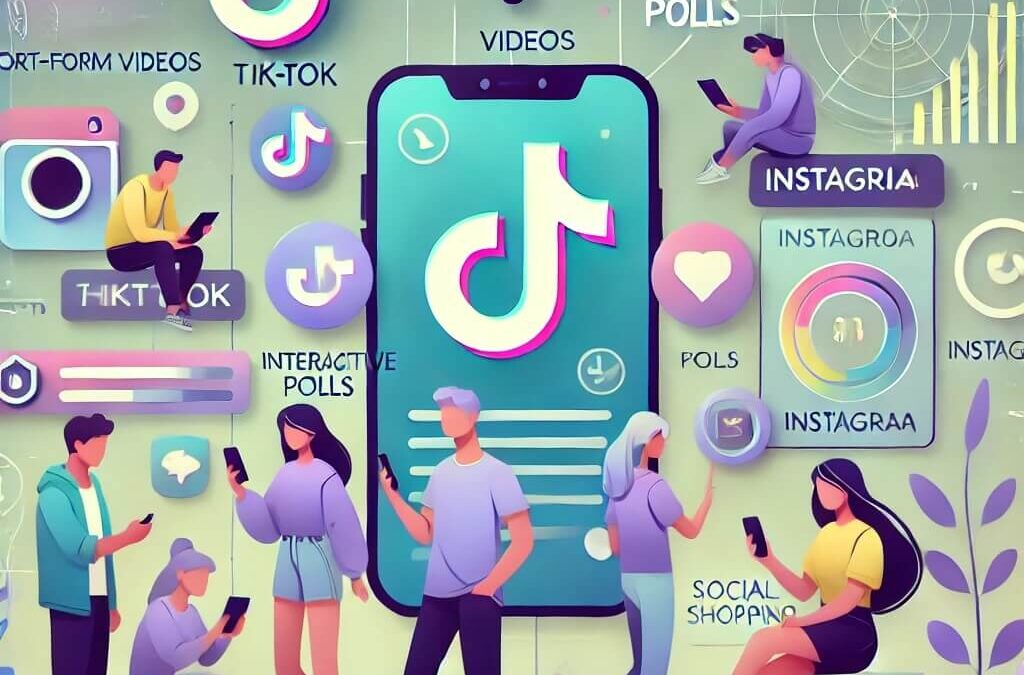
Generation Z, those born between the mid-1990s and early 2010s, has become a powerful consumer demographic that brands can no longer afford to ignore. As digital natives, Gen Z has grown up with smartphones, social media, and instant access to information, shaping their unique preferences and behaviors.
This article explores how Gen Z is redefining digital marketing, the trends shaping their engagement, and actionable strategies to connect with this influential generation.
Key Characteristics of Gen Z
- Tech-Savvy and Digitally Native
Gen Z spends significant time online, navigating multiple platforms with ease and expecting seamless digital experiences. - Socially Conscious
They value inclusivity, sustainability, and brands that align with their ethical beliefs. - Highly Visual
With a preference for short, engaging, and visually driven content, platforms like TikTok, Instagram, and YouTube dominate their attention. - Preference for Authenticity
Gen Z prioritizes real, transparent interactions over polished, sales-heavy messaging. - Mobile-First
Most of their online activities occur on mobile devices, emphasizing the need for mobile-optimized content and experiences.
Trends Redefining Digital Marketing for Gen Z
- Short-Form Video Content
- Platforms like TikTok and Instagram Reels have revolutionized how Gen Z consumes content, favoring bite-sized, entertaining videos over lengthy formats.
- Brands that use creative, humorous, or informative video content resonate strongly with this demographic.
- Interactive and Immersive Experiences
- Gen Z enjoys engaging with interactive content, such as polls, quizzes, and augmented reality (AR) filters.
- Example: AR try-on features for beauty or fashion products.
- Influencer Partnerships
- They trust influencers, especially micro-influencers who provide relatable and authentic recommendations.
- Collaborations that align with an influencer’s genuine interests feel more organic and appealing.
- Purpose-Driven Marketing
- Gen Z supports brands that take a stand on social and environmental issues.
- Example: Campaigns promoting sustainability, diversity, or mental health initiatives.
- Social Commerce
- The integration of shopping features within social platforms simplifies the purchasing process, appealing to Gen Z’s need for convenience.
- Memes and Humor
- Relatable, funny, and shareable memes are a favorite among Gen Z and can humanize a brand.
- Example: Wendy’s Twitter account uses humor and wit to engage its younger audience.
How to Market Effectively to Gen Z
- Be Authentic and Transparent
- Showcase your brand’s personality through unpolished, behind-the-scenes content.
- Avoid overly promotional tactics, as Gen Z values honesty over perfection.
- Prioritize Mobile Optimization
- Ensure your website and campaigns are mobile-friendly, with fast loading times and responsive designs.
- Optimize content for vertical viewing on mobile devices.
- Leverage User-Generated Content (UGC)
- Encourage customers to share their experiences with your brand.
- Highlight UGC on your social channels to build community and trust.
- Focus on Community Building
- Create online spaces where Gen Z can interact with your brand and each other.
- Example: Exclusive Discord groups or interactive Instagram Stories.
- Use Platforms Where Gen Z Is Active
- Invest in platforms like TikTok, Snapchat, and Instagram where Gen Z spends the most time.
- Tailor your content to suit the tone and trends of each platform.
- Engage Through Storytelling
- Use compelling narratives that resonate emotionally and reflect shared values.
- Example: Share stories about your brand’s journey, employees, or impact initiatives.
Measuring Success with Gen Z Marketing
- Engagement Rates
Track likes, shares, comments, and views to assess how well your content resonates with Gen Z. - Conversion Metrics
Monitor click-through rates (CTR), purchases, or sign-ups generated from campaigns targeting Gen Z. - Brand Sentiment
Analyze online conversations to gauge how Gen Z perceives your brand and whether they align with your messaging. - UGC and Mentions
Measure the volume and quality of user-generated content and brand mentions across social platforms. - Follower Growth on Gen Z-Preferred Platforms
Track the growth of your audience on platforms like TikTok and Instagram.
Challenges of Marketing to Gen Z
- Short Attention Spans
- With so much content competing for their attention, capturing and retaining Gen Z’s interest can be difficult.
- Solution: Use bold visuals, concise messaging, and engaging formats to stand out.
- Demand for Authenticity
- Gen Z is quick to spot inauthentic or insincere marketing.
- Solution: Stay genuine and ensure your messaging aligns with your brand’s values.
- Ad Fatigue
- Constant exposure to ads makes it challenging to break through the noise.
- Solution: Focus on creating value-driven and entertaining content.
Critical Points
Gen Z’s unique characteristics and preferences are reshaping digital marketing, challenging brands to adopt innovative and authentic approaches. From short-form videos to purpose-driven campaigns, understanding how to connect with this generation requires creativity, adaptability, and a deep commitment to aligning with their values.
By leveraging platforms they frequent, embracing transparency, and fostering genuine engagement, brands can build lasting relationships with Gen Z. As this generation’s influence grows, staying attuned to their evolving behaviors will be essential for driving success in the digital era.
