Digital marketing has evolved far beyond traditional campaigns and broad messaging. For utility companies, industrial suppliers, equipment manufacturers, and service contractors, location based marketing offers a powerful advantage. These industries operate in environments where timing, geography, and field operations influence every decision. Field service apps help bridge the gap between marketing, operations, and customer engagement by unlocking real time data and opportunities that brands can use to target the right audience at the right moment.
This article explores how field service apps work, why they matter in utility and industrial sectors, and how marketers can use them to create meaningful, location driven strategies.
Why Field Service Apps Matter in Industrial and Utility Markets
Field service apps allow teams working outside the office to manage tasks, complete inspections, track assets, log service visits, and communicate with the main office. They are used heavily in sectors such as utilities, construction, telecommunications, power distribution, and industrial repair.
What many marketers overlook is the value these apps can offer as part of a broader digital strategy. They gather real time data, location details, and performance insights that can be translated into highly targeted campaigns. For industries that manage large territories and dispersed teams, this data becomes an essential tool.
Several factors make field service apps especially useful for location based marketing.
Workers operate across many regions
Utility crews and industrial service teams cover wide service areas. Their routes and activities reveal where demand is rising, where communication gaps exist, and where customers may need more support.
Data is captured at the exact point of service
Field service apps collect information directly from job sites. This creates hyper accurate insights that marketers cannot obtain through traditional analytics alone.
Customer needs often change by location
Weather conditions, infrastructure age, regulatory requirements, and regional hazards vary from place to place. Location based insights allow marketers to tailor campaigns to the needs of specific areas.
Real time information helps brands respond quickly
If a region experiences an outage, a compliance update, or increased equipment failures, marketers can adjust messaging fast. This keeps communication relevant and timely.
How Field Service App Data Supports Location Based Marketing
When used strategically, field service apps give marketers a clearer picture of what customers need and when they need it. Below are the most effective ways to turn app information into practical marketing actions.
Identifying service hotspots
If multiple service calls occur in the same area, it may indicate aging infrastructure, higher product demand, or consistent issues that customers struggle with. Marketers can use this insight to send targeted content such as maintenance guides, upgrade recommendations, or educational materials.
Creating location specific content
Different locations may experience different challenges. Field data helps marketers produce content tailored to:
Weather patterns
Local industry regulations
Environmental risks
Common equipment failures
Regional compliance timelines
This makes campaigns more relevant and increases engagement.
Supporting targeted product promotions
When field data reveals patterns in part replacements, equipment failures, or safety gear usage, marketers can design campaigns that highlight compatible products or upgrades for those specific regions.
Developing stronger customer education programs
Field technicians often report recurring questions. These insights allow marketers to create localized guides, FAQs, and training materials that address those specific concerns.
Enhancing customer experience with timely communication
Real time notifications from field service apps can alert marketing teams to events such as outages, service delays, or upcoming inspections. Marketers can then send helpful updates, reminders, or instructions to customers in the affected areas.
Practical Examples of Location Based Marketing Using Field Data
Below are several practical ways companies in utility and industrial sectors can apply this strategy.
1. Seasonal safety campaigns
If field data shows increased equipment strain in winter regions, marketers can send preventive maintenance content to customers in those colder climates.
2. Geo targeted product recommendations
A region experiencing frequent voltage issues may benefit from specific surge protection equipment. Marketing teams can promote these solutions only to customers in affected areas.
3. Localized case studies
By analyzing where major projects or successful installations occurred, marketers can create stories that resonate with other customers in the same region.
4. Event based notifications
If a storm, outage, or emergency is reported through the field service app, marketers can deploy automated updates that guide customers on next steps.
5. Training or compliance reminders
Teams in areas with upcoming regulatory inspections can receive targeted training materials or renewal reminders.
How to Build a Field Data Driven Marketing Strategy
Field service data becomes most powerful when it is integrated into a clear digital marketing process. The following steps help create a strategy that is accurate, sustainable, and actionable.
Establish data sharing workflows
Marketing teams should work closely with operations to understand how data is collected, where it is stored, and how it can be used. Clear workflows prevent information silos.
Define which metrics matter most
Not all field data will be relevant for marketing. Focus on insights that support:
Customer education
Product recommendations
Safety messaging
Timing of replacements or upgrades
Create dynamic segments
Group customers based on location and field service patterns. This ensures campaigns reach only those who benefit from specific messaging.
Automate where possible
Use marketing automation tools to send location based alerts, reminders, or educational content triggered by field service events.
Maintain clear communication with field teams
Field technicians offer valuable insight. Their feedback helps marketers refine messaging and improve content relevance.
The Future of Field Data Driven Marketing
As industrial and utility companies continue to adopt mobile tools, field service apps will become even more valuable for marketing teams. The integration of GPS, predictive analytics, and real time reporting will create deeper opportunities for location based targeting.
Marketing in these sectors is most effective when it aligns with real conditions in the field. Field service apps provide that connection, creating a bridge between operations and customer engagement. Companies that embrace this approach strengthen their communication, improve customer trust, and deliver better experiences across every location they serve.
Search is changing—and it’s no longer confined to keyboards and screens. With the rise of smart speakers, voice assistants, and voice-enabled mobile search, consumers are increasingly using spoken queries to find information, make purchases, and interact with brands. For digital marketers, this shift presents a new frontier: voice search optimization.
Optimizing for voice search isn’t just about SEO—it’s about creating content that aligns with how people naturally speak. The strategies that worked for desktop may not cut it in a hands-free world. To stay ahead, brands need to rethink how they structure content, answer questions, and meet users where they are—literally and contextually.
Why Voice Search Matters in 2025
Voice search has evolved from novelty to necessity. Thanks to devices like Amazon Echo, Google Nest, Siri, and voice-enabled smartphones, users now expect fast, conversational, and accurate results, without needing to type a word.
Key trends:
Over 50% of adults use voice search daily
Local intent dominates (“near me” searches, store hours, directions)
Mobile voice queries are 3x more likely to be action-oriented
Smart speakers are becoming part of daily habits—setting reminders, playing music, and even ordering groceries
For businesses, this means an opportunity to show up in spoken results, win featured snippets, and offer seamless user experiences, especially on the go.
How Voice Search Is Different From Text Search
Understanding the distinction between voice and text queries is crucial:
Text Search
Voice Search
“best pizza NYC”
“What’s the best pizza place near me right now?”
“weather London”
“Hey Siri, what’s the weather like in London today?”
“marketing trends 2025”
“What are the top marketing trends for 2025?”
Voice queries are typically:
Longer and more conversational
Question-based (who, what, where, when, how)
Location-sensitive
Focused on immediate needs
This shift in phrasing means that keyword strategy alone isn’t enough. Marketers need to anticipate how their audience speaks, not just how they type.
Voice Search Optimization Strategies
1. Focus on Conversational Keywords and Questions
Use tools like Answer the Public or Google’s “People Also Ask” to identify common spoken queries. Then, integrate these naturally into your content.
Tips:
Use long-tail keywords that mimic spoken language
Incorporate FAQs that mirror how users ask questions
Structure headings like: “How does voice SEO work?” or “What’s the best strategy for voice search?”
Example: Instead of targeting “voice SEO tips,” reframe as “What are the best voice search optimization strategies for small businesses?”
2. Aim for Featured Snippets (Position Zero)
Voice assistants often pull answers directly from featured snippets. These are short, concise responses displayed at the top of Google’s search results.
How to qualify:
Use clear H2 or H3 subheadings with direct answers
Keep answers between 40–60 words
Add schema markup (like FAQ or How-To) to help Google understand your content
Bonus: This tactic boosts both voice and visual search performance.
3. Optimize for Local Voice Searches
A large percentage of voice searches have local intent,especially “near me” queries.
Steps to enhance local visibility:
Claim and optimize your Google Business Profile
Include up-to-date NAP (Name, Address, Phone Number) on your website
Add business hours, customer reviews, and geo-specific keywords
Use phrases like “nearby,” “closest,” and specific city or neighborhood names
Voice-friendly example: “Where can I find a vegan bakery in downtown Jacksonville?”
4. Improve Mobile and Site Speed
Voice searches often happen on mobile, and speed matters. If your site is slow or hard to navigate, you won’t rank well, even with strong content.
Action steps:
Compress images and use browser caching
Implement responsive design
Test speed using Google’s PageSpeed Insights
Use AMP (Accelerated Mobile Pages) for articles or blog content
Fast-loading, mobile-friendly pages provide the smooth experience users expect when speaking into their devices.
5. Use Structured Data Markup
Structured data helps search engines interpret your content accurately, increasing your chances of appearing in rich results and voice answers.
Types to use:
FAQ schema
HowTo schema
Local Business and Organization schema
Product or Review markup for eCommerce sites
Tools like Google’s Rich Results Test or Schema.org provide guidance for implementation.
Measuring Voice SEO Success
Voice search traffic isn’t always easy to track directly. However, you can monitor indirect indicators:
Increased impressions and clicks for long-tail questions
Higher rankings in featured snippets
Boosted local search traffic from mobile
Growth in “near me” queries or FAQ page performance
Improvements in voice assistant compatibility tests (like Alexa Skills or Google Actions)
Consider pairing Google Search Console data with voice-enabled device testing to better gauge performance.
What This Means for Your Strategy
Voice search is no longer a trend—it’s a shift in how people interact with the digital world. Adapting your content, structure, and tone to meet these new expectations positions your brand to show up first—whether users are typing, tapping, or talking.
As search continues to evolve, the businesses that listen—and optimize—will be the ones users hear.
Looking to make your brand more discoverable in a voice-first world? Check out more insights on our blog for real-world strategies that align with how your audience searches—hands-free and on the move.
Generation Z, those born between the mid-1990s and early 2010s, has become a powerful consumer demographic that brands can no longer afford to ignore. As digital natives, Gen Z has grown up with smartphones, social media, and instant access to information, shaping their unique preferences and behaviors.
This article explores how Gen Z is redefining digital marketing, the trends shaping their engagement, and actionable strategies to connect with this influential generation.
Key Characteristics of Gen Z
Tech-Savvy and Digitally Native Gen Z spends significant time online, navigating multiple platforms with ease and expecting seamless digital experiences.
Socially Conscious They value inclusivity, sustainability, and brands that align with their ethical beliefs.
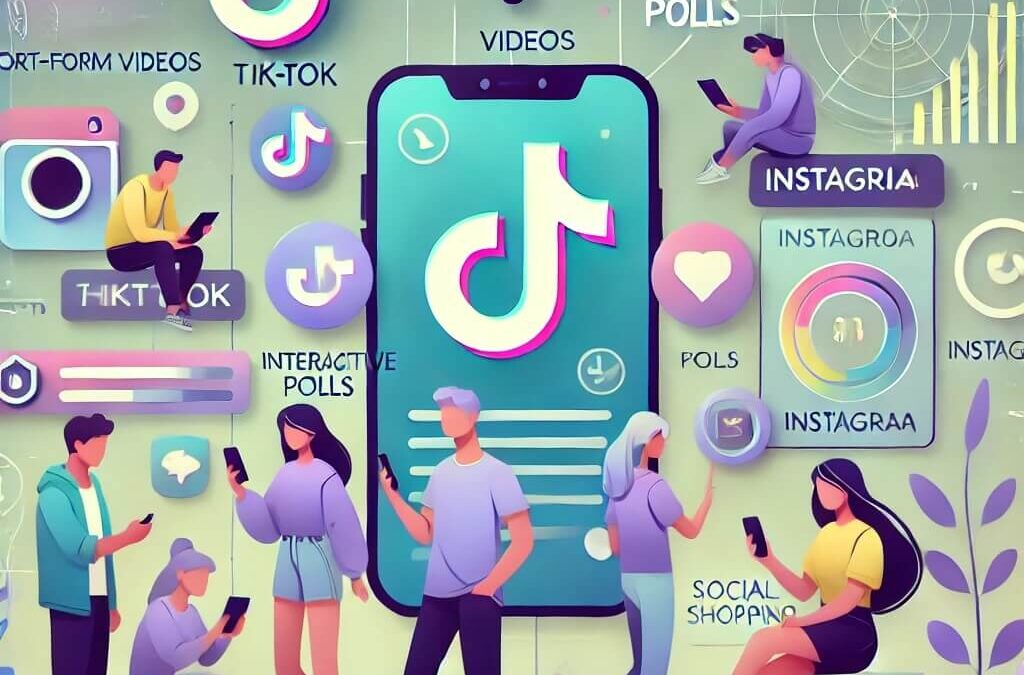
Highly Visual With a preference for short, engaging, and visually driven content, platforms like TikTok, Instagram, and YouTube dominate their attention.
Preference for Authenticity Gen Z prioritizes real, transparent interactions over polished, sales-heavy messaging.
Mobile-First Most of their online activities occur on mobile devices, emphasizing the need for mobile-optimized content and experiences.
Trends Redefining Digital Marketing for Gen Z
Short-Form Video Content
Platforms like TikTok and Instagram Reels have revolutionized how Gen Z consumes content, favoring bite-sized, entertaining videos over lengthy formats.
Brands that use creative, humorous, or informative video content resonate strongly with this demographic.
Interactive and Immersive Experiences
Gen Z enjoys engaging with interactive content, such as polls, quizzes, and augmented reality (AR) filters.
Example: AR try-on features for beauty or fashion products.
Influencer Partnerships
They trust influencers, especially micro-influencers who provide relatable and authentic recommendations.
Collaborations that align with an influencer’s genuine interests feel more organic and appealing.
Purpose-Driven Marketing
Gen Z supports brands that take a stand on social and environmental issues.
Example: Campaigns promoting sustainability, diversity, or mental health initiatives.
Social Commerce
The integration of shopping features within social platforms simplifies the purchasing process, appealing to Gen Z’s need for convenience.
Memes and Humor
Relatable, funny, and shareable memes are a favorite among Gen Z and can humanize a brand.
Example: Wendy’s Twitter account uses humor and wit to engage its younger audience.
How to Market Effectively to Gen Z
Be Authentic and Transparent
Showcase your brand’s personality through unpolished, behind-the-scenes content.
Avoid overly promotional tactics, as Gen Z values honesty over perfection.
Prioritize Mobile Optimization
Ensure your website and campaigns are mobile-friendly, with fast loading times and responsive designs.
Optimize content for vertical viewing on mobile devices.
Leverage User-Generated Content (UGC)
Encourage customers to share their experiences with your brand.
Highlight UGC on your social channels to build community and trust.
Focus on Community Building
Create online spaces where Gen Z can interact with your brand and each other.
Example: Exclusive Discord groups or interactive Instagram Stories.
Use Platforms Where Gen Z Is Active
Invest in platforms like TikTok, Snapchat, and Instagram where Gen Z spends the most time.
Tailor your content to suit the tone and trends of each platform.
Engage Through Storytelling
Use compelling narratives that resonate emotionally and reflect shared values.
Example: Share stories about your brand’s journey, employees, or impact initiatives.
Measuring Success with Gen Z Marketing
Engagement Rates Track likes, shares, comments, and views to assess how well your content resonates with Gen Z.
Conversion Metrics Monitor click-through rates (CTR), purchases, or sign-ups generated from campaigns targeting Gen Z.
Brand Sentiment Analyze online conversations to gauge how Gen Z perceives your brand and whether they align with your messaging.
UGC and Mentions Measure the volume and quality of user-generated content and brand mentions across social platforms.
Follower Growth on Gen Z-Preferred Platforms Track the growth of your audience on platforms like TikTok and Instagram.
Challenges of Marketing to Gen Z
Short Attention Spans
With so much content competing for their attention, capturing and retaining Gen Z’s interest can be difficult.
Solution: Use bold visuals, concise messaging, and engaging formats to stand out.
Demand for Authenticity
Gen Z is quick to spot inauthentic or insincere marketing.
Solution: Stay genuine and ensure your messaging aligns with your brand’s values.
Ad Fatigue
Constant exposure to ads makes it challenging to break through the noise.
Solution: Focus on creating value-driven and entertaining content.
Critical Points
Gen Z’s unique characteristics and preferences are reshaping digital marketing, challenging brands to adopt innovative and authentic approaches. From short-form videos to purpose-driven campaigns, understanding how to connect with this generation requires creativity, adaptability, and a deep commitment to aligning with their values.
By leveraging platforms they frequent, embracing transparency, and fostering genuine engagement, brands can build lasting relationships with Gen Z. As this generation’s influence grows, staying attuned to their evolving behaviors will be essential for driving success in the digital era.
In an increasingly connected world, consumers interact with brands across multiple platforms and devices. To stay relevant and competitive, businesses need to embrace a cross-channel marketing strategy—a cohesive approach that ensures your brand presence is felt across various digital touchpoints. By delivering a consistent, unified message across platforms such as email, social media, websites, and paid ads, you can enhance customer engagement and drive conversions.
In this blog post, we’ll explore the importance of cross-channel marketing, key components for building an effective strategy, and how businesses can leverage this approach to reach their audiences everywhere.
What is Cross-Channel Marketing?
Cross-channel marketing is the practice of using multiple channels—such as social media, email, websites, paid search, and mobile apps—to interact with customers and prospects. Unlike single-channel or even multichannel approaches, cross-channel marketing ensures that all communication is aligned and connected, creating a seamless and consistent experience for users across platforms.
In a cross-channel strategy, each platform works together to reinforce the brand’s message and move customers along the buying journey. For example, a customer might first see your product in a social media ad, receive a follow-up email, and then find more information about it through a search engine or website visit. The goal is to maintain continuity and provide value at each touchpoint, driving deeper engagement and ultimately increasing conversions.
Why Cross-Channel Marketing Matters
Consumers Are Omnichannel
Today’s consumers interact with brands on more platforms than ever before. They browse products on mobile devices, read reviews on social media, and complete purchases on desktop computers. According to research, the average customer uses up to six touchpoints before making a purchasing decision. Therefore, businesses need to meet their audience where they are, providing a cohesive brand experience across channels.
By adopting a cross-channel approach, you can ensure that your messaging reaches consumers regardless of how they choose to interact with your brand. This not only improves your brand’s visibility but also creates a smoother customer journey, encouraging conversions at multiple touchpoints.
Enhanced Personalization
One of the key benefits of cross-channel marketing is the ability to offer more personalized experiences. By tracking customer behavior and preferences across different channels, you can gather valuable data to inform your marketing efforts. For example, a customer who frequently engages with your brand on social media might receive targeted offers via email based on their social media activity or browsing history.
Personalized messaging delivered through cross-channel marketing can result in higher engagement rates, as consumers are more likely to respond to content that is tailored to their needs and preferences. This not only improves customer satisfaction but also drives brand loyalty.
Improved Campaign Performance
Cross-channel marketing provides a more comprehensive view of customer behavior, enabling businesses to optimize their campaigns. By analyzing performance across all platforms, you can identify which channels drive the most engagement, sales, or conversions, allowing you to allocate resources more effectively.
For example, if your social media ads drive significant traffic to your website, but email marketing generates the most sales, you can adjust your strategy to maximize the effectiveness of each channel. By integrating your efforts, you’ll improve overall campaign performance and increase your return on investment (ROI).
Key Components of a Cross-Channel Marketing Strategy
Unified Brand Messaging
The foundation of any cross-channel marketing strategy is consistent brand messaging. Whether a customer interacts with your brand on social media, visits your website, or opens your email, the message should be consistent and reinforce your brand’s identity.
Centralized Data Management
Data is critical to cross-channel marketing success. To deliver personalized and seamless experiences, businesses need to collect and manage data from multiple sources, such as social media activity, website interactions, and email engagement. A customer data platform (CDP) or data management platform (DMP) can help businesses centralize and analyze this data, providing valuable insights into customer behavior.
Channel Integration and Automation
Automation tools are essential for implementing a successful cross-channel marketing strategy. By automating key tasks, such as sending personalized emails based on website activity or retargeting users with relevant ads on social media, you can streamline your efforts and ensure a cohesive experience.
Optimized Content for Each Channel
While consistency is important in cross-channel marketing, it’s also essential to tailor your content to the unique strengths and formats of each platform. The key is to adapt your content to match the preferences and behaviors of users on each platform, while still maintaining a cohesive message.
Monitoring and Adjusting Campaigns
Cross-channel marketing requires continuous monitoring and adjustment. By tracking key metrics such as click-through rates, conversion rates, and engagement across all platforms, businesses can identify areas for improvement and refine their strategies in real-time.
Best Practices for Cross-Channel Marketing
Maintain Consistent Creative Elements
While tailoring content to different channels is important, it’s also essential to maintain visual consistency. Your brand’s logo, color scheme, fonts, and other visual elements should remain uniform across platforms.
Use Customer Journeys to Inform Strategy
Map out your customer journey to understand how users move through different channels before converting. By identifying key touchpoints, you can ensure that each channel contributes to guiding customers through the sales funnel in a logical and effective manner.
Segment Your Audience for Better Targeting
Personalization plays a vital role in cross-channel marketing. Segment your audience based on demographics, behavior, and preferences to deliver more targeted messages.
A cross-channel marketing strategy is essential for businesses looking to engage customers at every touchpoint. By creating a unified message across platforms, integrating data, and using automation to streamline efforts, brands can deliver a seamless, personalized experience that drives conversions and boosts ROI. As consumer behavior continues to evolve, businesses that adopt a cross-channel approach will be well-positioned to meet their customers wherever they are and create lasting connections.
In the fast-paced, mobile-driven world we live in today, consumer behavior has evolved significantly. With smartphones at their fingertips, people can instantly access information, make purchases, and get answers to questions anytime, anywhere. These instantaneous actions, known as micro-moments, have become critical points in the customer journey where brands can influence decisions and drive conversions.
For digital marketers, understanding and capitalizing on micro-moments is essential to staying relevant and competitive. In this blog post, we’ll explore what micro-moments are, how they shape consumer behavior, and how businesses can strategically leverage them to enhance their digital marketing strategies.
What Are Micro-Moments?
Micro-moments refer to the short, intent-driven moments when consumers turn to their devices, especially smartphones, to fulfill an immediate need. These moments can occur at any time, often when a user wants to learn something, find something, do something, or make a purchase. These brief but highly focused interactions are opportunities for brands to deliver relevant and valuable content that meets the user’s needs in real-time.
Google, which coined the term “micro-moments,” identifies four main types:
I-want-to-know moments: When users are searching for information or doing research.
I-want-to-go moments: When users are looking for a specific place or local business.
I-want-to-do moments: When users seek instructions or how-tos.
I-want-to-buy moments: When users are ready to make a purchase but need further information or confirmation.
How Micro-Moments Influence Consumer Behavior
Micro-moments are critical because they align directly with the needs and behaviors of today’s consumers. Here’s how they impact decision-making:
Instant Gratification and Decision-Making
In an era of instant access to information, consumers expect immediate answers to their questions. Whether they’re looking for product reviews, price comparisons, or nearby services, consumers make decisions in seconds based on the information they find in micro-moments. This means that if your brand can meet their needs quickly, you’re more likely to influence their decisions and gain their loyalty.
Mobile-First Behavior
With mobile devices being the go-to tool for most consumers, micro-moments are primarily mobile-driven. People no longer wait until they’re at a desktop computer to search for information or make a purchase; they do it on the spot using their smartphones. This mobile-first behavior shapes how brands need to think about their digital strategies, making it essential to optimize content for mobile experiences.
Shift from Traditional Funnels
Micro-moments are also changing how the traditional marketing funnel works. Rather than following a linear path from awareness to purchase, consumers now navigate a much more fragmented and fast-moving journey. They jump in and out of the buying cycle, often making decisions in real time based on the information they discover during these micro-moments. Brands must be ready to meet consumers wherever they are in the journey with the right message at the right time.
How to Leverage Micro-Moments in Digital Marketing
Be There: Ensure Your Brand is Visible
The first step to taking advantage of micro-moments is to be present when these moments occur. Whether a user is searching for information, local businesses, or product comparisons, your brand needs to appear in search results, social media feeds, or relevant apps. Search engine optimization (SEO) is crucial here—brands need to rank high on search results to capture attention during these critical moments.
Be Useful: Deliver Relevant Content
It’s not enough to just be present; your content must be relevant and useful. When a consumer turns to their device in an I-want-to-know, I-want-to-go, I-want-to-do, or I-want-to-buy moment, they’re looking for a solution or answer. Providing clear, concise, and actionable information that solves their problem or answers their question is key. This could mean optimizing product pages with detailed descriptions, ensuring your business location information is up-to-date, or offering helpful tutorials and FAQs.
Be Quick: Optimize for Mobile Speed
Speed is critical in micro-moments. Consumers want immediate answers, and if your website or content is slow to load, you risk losing them to a competitor. Ensure that your website is mobile-optimized and that your pages load quickly. Use tools like Google’s PageSpeed Insights to measure and improve your site’s speed, ensuring a seamless experience for users in micro-moments.
Personalize the Experience
Micro-moments provide an opportunity to offer personalized experiences. By using data and analytics, you can deliver content that is tailored to a user’s location, preferences, or behavior. For example, if someone is searching for restaurants nearby, providing personalized recommendations based on their previous visits or searches can increase the chances of a conversion.
Utilize Location-Based Marketing
In I-want-to-go moments, location-based marketing is particularly effective. By using geo-targeting and local SEO, you can make sure your business appears when users are searching for nearby services or products. For example, if you run a coffee shop, optimizing your business listing and ensuring your store hours, contact information, and location are readily available online can attract local foot traffic.
How to Adapt Your Marketing to Micro-Moments
To effectively leverage micro-moments, brands need to take a multi-faceted approach, blending technical optimization with a focus on user intent. Here are a few strategic approaches to adapt your marketing:
Real-Time Engagement: Leverage tools that allow you to engage in real-time with your audience. For example, social media listening tools can help you identify when users mention your brand or seek recommendations, allowing you to jump into conversations at the right moment.
Voice Search Optimization: With the rise of voice-activated devices and searches, optimizing your content for voice search can help capture micro-moment queries. Voice searches are often longer and more conversational, so updating your content to include natural language keywords can make a significant difference.
Integrated Search and Social Strategy: Consumers bounce between search engines and social media when making decisions. Ensure your brand’s messaging is consistent across both platforms, using paid ads, organic posts, and content marketing to be present during these moments.
Conclusion
In the age of instant access to information, micro-moments have reshaped how consumers make decisions and engage with brands. These intent-driven interactions present valuable opportunities for businesses to meet their audience’s needs with timely, relevant, and useful content. By understanding and leveraging micro-moments, brands can position themselves to capture attention, drive engagement, and ultimately, influence purchasing decisions.
For businesses looking to thrive in today’s fast-paced digital landscape, optimizing for micro-moments is no longer optional—it’s essential. Brands that prioritize being there, being useful, and being quick will have the advantage of capturing consumer attention and driving meaningful results.
In today’s data-driven world, businesses have access to a wealth of information that can help them refine their marketing strategies. One of the most valuable yet often underutilized sources of data is customer feedback. By actively seeking, analyzing, and acting on customer feedback, businesses can gain insights into what their customers want, identify pain points, and make informed decisions to improve their digital marketing efforts.
In this post, we’ll explore how businesses can leverage customer feedback to enhance their digital marketing strategies, increase customer satisfaction, and ultimately drive growth.
Why Customer Feedback is Critical for Digital Marketing
Customer feedback provides real, unfiltered insights into how your audience perceives your brand, products, and marketing efforts. It can highlight what’s working well, where there are gaps, and how you can improve to better meet your customers’ needs.
Here are a few reasons why customer feedback is essential for digital marketing:
Customer-Centric Strategy
Digital marketing strategies should be designed with the customer in mind. Customer feedback allows you to understand their preferences, behaviors, and expectations. By incorporating this feedback into your marketing strategy, you can create more relevant and targeted campaigns that resonate with your audience.
Identify Pain Points
Customer feedback can reveal common pain points, such as frustrations with your website’s usability, unclear messaging, or gaps in your product offerings. Addressing these issues can lead to a better customer experience and stronger marketing outcomes.
Drive Product and Service Innovation
Feedback from customers can serve as inspiration for new product ideas, service improvements, or enhancements to existing offerings. When customers express a need or dissatisfaction, it’s an opportunity for businesses to innovate and provide solutions.
Build Customer Loyalty
When customers feel heard and see that their feedback is being taken seriously, it strengthens their relationship with your brand. A loyal customer base not only helps increase repeat purchases but also acts as an advocate for your brand, promoting it through word-of-mouth and user-generated content.
Types of Customer Feedback You Can Use
Customer feedback can be collected through various channels, each providing different insights into customer behavior and preferences. Here are the main types of feedback to consider incorporating into your digital marketing strategy:
1. Surveys
Surveys are one of the most effective ways to gather direct feedback from customers. They can be designed to ask specific questions about customer satisfaction, product experience, or brand perception.
Example: After a purchase, send a follow-up email survey asking customers to rate their shopping experience and provide feedback on how it could be improved.
2. Customer Reviews
Customer reviews are a form of public feedback that not only provides insights into your products and services but also acts as social proof for potential buyers. Reviews often highlight what customers love about your product and where they see room for improvement.
Example: Use review platforms like Google, Yelp, or Trustpilot to collect and analyze customer feedback. Pay attention to recurring themes, both positive and negative, to identify areas of strength and weakness.
3. Social Media Comments and Direct Messages
Social media is a direct line of communication between businesses and customers. Customers often share their opinions, complaints, and suggestions on platforms like Instagram, Twitter, and Facebook. Monitoring these conversations provides valuable feedback in real-time.
Example: Set up social listening tools to track mentions of your brand across social media platforms. Analyze customer comments to identify trends, common issues, and opportunities for engagement.
4. Website Analytics and Behavior Data
While not traditional “feedback” in the sense of direct communication, website analytics can provide key insights into customer behavior. Tools like Google Analytics allow you to track how visitors interact with your website, including which pages they visit, how long they stay, and where they drop off.
Example: If analytics show a high bounce rate on your landing page, it could indicate that visitors are not finding the information they expected, prompting you to refine your messaging or layout.
5. Net Promoter Score (NPS)
The Net Promoter Score (NPS) is a simple but powerful metric that asks customers how likely they are to recommend your brand to others on a scale from 0 to 10. NPS helps measure overall customer satisfaction and brand loyalty.
Example: After a purchase or interaction, ask customers to rate their likelihood of recommending your business. Use the feedback to identify promoters (loyal customers) and detractors (those who are less satisfied).
How to Collect and Analyze Customer Feedback
Collecting and analyzing customer feedback requires a systematic approach to ensure that you’re capturing the right insights and using them effectively. Here’s how to get started:
1. Choose the Right Channels
Decide which feedback channels work best for your business. If you want detailed insights into product satisfaction, surveys might be your best option. For real-time feedback on customer experience, social media monitoring is key. Make sure to diversify your feedback channels to get a complete view of your customer’s thoughts.
2. Ask the Right Questions
The questions you ask in surveys or feedback forms should be specific and actionable. Vague or generic questions won’t provide the insights you need to make meaningful improvements. Tailor your questions based on the type of feedback you’re seeking.
Example: Instead of asking “How was your experience with our product?” you could ask “What specific feature of our product do you find most useful, and why?”
3. Use Feedback Tools and Software
There are many tools available to help you collect and analyze customer feedback, such as:
Survey tools: Google Forms, SurveyMonkey, Typeform
Review platforms: Trustpilot, Feefo, Google Reviews
Social media listening tools: Hootsuite, Sprout Social, Brandwatch
These tools can help automate the feedback collection process, making it easier to gather, organize, and analyze large amounts of data.
4. Identify Trends and Patterns
Once you’ve collected feedback, it’s important to analyze the data for trends and patterns. Look for recurring themes in customer complaints or praise. If multiple customers point out the same issue, it’s a clear sign that this is an area that needs attention.
Example: If several customers mention that your checkout process is too complicated, consider simplifying it to improve user experience and reduce cart abandonment.
5. Prioritize Actionable Insights
Not all feedback will be actionable, so it’s essential to prioritize the insights that will have the greatest impact on your digital marketing strategy. Focus on feedback that aligns with your business goals and can be implemented with available resources.
Using Customer Feedback to Improve Your Digital Marketing Strategy
Now that you’ve gathered and analyzed customer feedback, it’s time to put that information to work. Here are ways you can use customer feedback to enhance your digital marketing strategy:
1. Refine Your Messaging
Customer feedback can reveal whether your brand messaging is clear and resonating with your audience. If customers frequently mention that they’re confused about your product offerings or find your value proposition unclear, use this feedback to refine your messaging.
Example: If customers aren’t sure how your product solves their problem, adjust your website copy to highlight the specific benefits and outcomes of using your product.
2. Improve User Experience (UX)
Feedback from customers can help you identify friction points in the customer journey, such as a confusing website layout or a slow checkout process. Use this information to improve the overall user experience, which can lead to higher conversion rates.
Example: If users frequently mention that they struggle to navigate your website on mobile devices, prioritize mobile optimization to create a smoother, more responsive experience.
3. Personalize Your Marketing Campaigns
Customer feedback can provide valuable insights into your audience’s preferences, allowing you to create more personalized marketing campaigns. For example, if feedback indicates that customers prefer receiving promotions via email rather than social media, you can adjust your marketing efforts accordingly.
Example: Use customer segmentation to tailor your email marketing campaigns based on the preferences, behaviors, and feedback of different customer groups.
4. Enhance Product Development
Customer feedback can also inform your product development efforts. If customers consistently suggest a new feature or request an improvement to an existing product, it’s an opportunity to innovate and meet their needs more effectively.
Example: If several customers express a desire for a subscription option for a product, consider launching a subscription service to cater to this demand.
5. Create Stronger Content
Feedback can help you identify what types of content your audience finds most valuable. For example, if customers often ask specific questions, consider creating blog posts, videos, or FAQs that address these common queries.
Example: If your customers frequently ask about how to use your product, create a tutorial video or step-by-step guide that provides clear instructions.
Measuring the Success of Your Feedback-Driven Strategy
To ensure that your efforts to improve your digital marketing strategy based on customer feedback are paying off, track the following key metrics:
Customer Retention: Track customer retention and repeat purchase rates to see if improvements based on feedback lead to increased loyalty and engagement.
Customer Satisfaction Scores: Use tools like NPS or customer satisfaction surveys to measure changes in customer sentiment over time.
Conversion Rates: Monitor how feedback-driven changes impact your conversion rates, whether on your website, landing pages, or email campaigns.
Customer feedback is one of the most valuable resources you have for improving your digital marketing strategy. By actively seeking feedback, analyzing the data, and making meaningful changes based on customer insights, businesses can create more targeted, relevant, and effective marketing campaigns. Listening to your customers not only helps you meet their needs more effectively but also strengthens your relationship with them, leading to increased loyalty and long-term success.