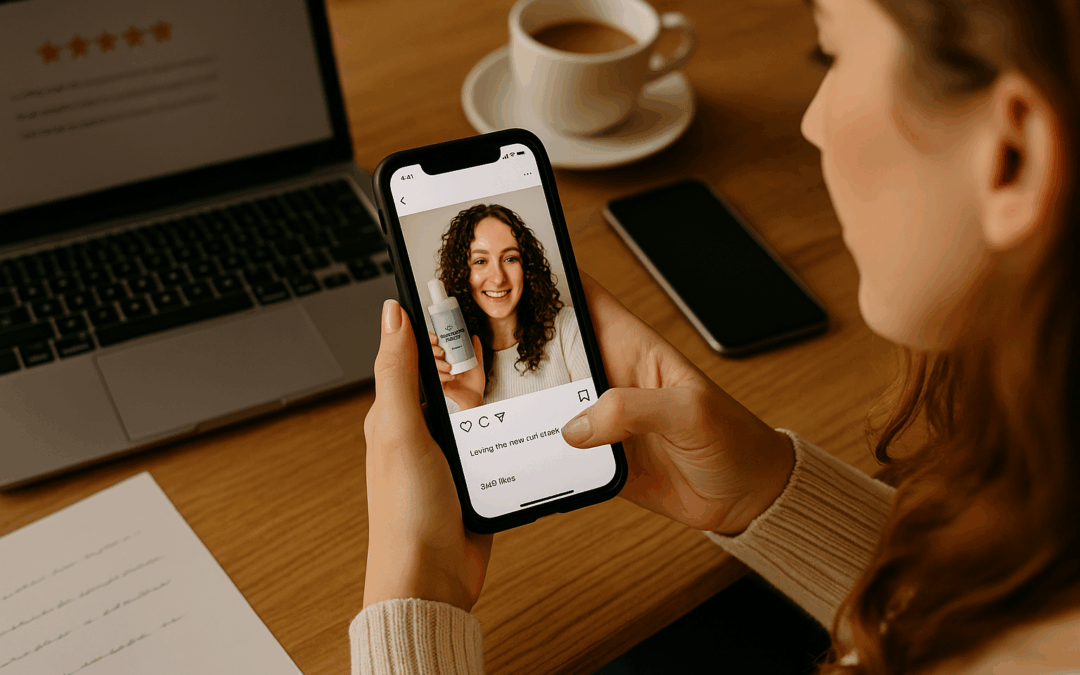
Consumers are tuning out traditional ads—and turning to one another instead. In today’s digital landscape, user-generated content (UGC) has emerged as one of the most powerful tools for brands looking to build authenticity, foster trust, and increase conversions. Whether it’s a customer review, an unboxing video, a tagged social media post, or a product photo shared by a fan, UGC serves as modern word-of-mouth marketing.
Unlike polished brand campaigns that are carefully scripted and professionally produced, user-generated content is raw, unscripted, and grounded in real-life experiences. It captures genuine emotions, spontaneous moments, and the authentic voices of everyday users. That authenticity is exactly what makes it so powerful—it feels more trustworthy, more human, and ultimately, more persuasive.
Why User-Generated Content Works
People trust people. UGC provides proof that real users are engaging with your product or service—and enjoying it. It reduces hesitation, overcomes skepticism, and gives potential customers the social reassurance they need to buy.
Key reasons UGC drives trust:
It adds credibility: A happy customer story feels more genuine than a paid ad
It improves conversion rates: Pages with authentic reviews or photos tend to convert better
It humanizes your brand: UGC highlights real people and real experiences
It supports community building: Sharing content from your audience shows you value their voice
In a world where consumers crave transparency, UGC delivers social proof in a way no in-house creative team can replicate.
Types of User-Generated Content You Can Leverage
UGC comes in many forms across channels. Some of the most effective include:
Social media posts: Photos, videos, or stories where users tag your brand
Product reviews and ratings: Honest feedback shared on your website or third-party platforms
Testimonials: Longer, story-based endorsements you can feature on landing pages
Unboxing or “how-to” videos: Especially common for tech, beauty, and lifestyle products
Forum comments or blog mentions: Natural brand mentions in niche communities
Contests and challenges: User-created submissions prompted by campaigns
Each of these assets provides a new opportunity to reach prospects in a trustworthy and engaging way.
How to Get More User-Generated Content
Encouraging customers to share their experiences doesn’t always happen organically—you need a thoughtful strategy.
1. Make the ask simple and clear
Sometimes all it takes is asking. Use post-purchase emails, thank-you pages, or packaging inserts to encourage users to:
Leave a review
Share a photo or video on social media
Tag your brand for a chance to be featured
Make it easy by offering direct links or hashtags they can copy.
2. Create a branded hashtag
A memorable hashtag allows you to organize and track user content across platforms.
Tips:
Keep it short, unique, and on-brand
Promote it on product pages, social bios, and in email campaigns
Engage with users who use the hashtag—like, comment, or reshare
When done well, a hashtag becomes a hub for brand storytelling led by your audience.
3. Run UGC-based contests or campaigns
Incentivizing participation can increase UGC submissions dramatically.
Examples:
Share your best experience using [product] and win [reward]
Post a photo with [hashtag] for a chance to be featured
Tell your story in the comments—our favorite gets a free gift
Be sure to outline simple rules, and always request permission before using submitted content in official materials.
4. Highlight UGC regularly on your channels
The more you showcase user content, the more others will want to participate.
Places to feature UGC:
Instagram stories and feed
Facebook and LinkedIn posts
Homepage or product pages
Email newsletters
Paid ad creatives
When customers see their peers being highlighted, it encourages others to join in.
Best Practices for Using UGC Effectively
While UGC is inherently more informal, brands should still follow a few key guidelines when integrating it into marketing:
Always ask for permission before reposting or repurposing
Give clear credit to the original creator
Choose content that aligns with your brand’s values and tone
Moderate reviews to filter out spam, but don’t delete honest criticism
Maintain a diverse mix of content formats and user perspectives
Respect and recognition go a long way in sustaining a healthy community of advocates.
What This Means for Your Brand
User-generated content is more than a trend—it’s a bridge between brand and buyer. It breaks down the barriers of polished marketing and brings authenticity to the forefront of your digital presence. By encouraging and embracing UGC, you not only build trust—you invite your audience to become part of the story.
Done right, UGC transforms your customers into marketers, your community into your creative team, and your brand into a conversation.
Interested in building a UGC strategy that grows with your business? Check out more actionable guides and ideas on our blog to start turning customers into your most credible content creators.
Search engine optimization (SEO) has long been about earning the click. But as Google evolves to provide more immediate answers directly on the results page, businesses are facing a new challenge: how to win in search when users never actually visit your site.
This growing trend, known as zero-click searches, is reshaping how marketers think about SEO. Rather than focusing solely on page visits, today’s strategies must consider how to capture attention, build authority, and deliver value—even when users stay on the SERP (Search Engine Results Page).
What Are Zero-Click Searches?
Zero-click searches happen when users find the information they need right on the search page, without clicking through to any website. These answers are typically displayed in formats such as:
Featured snippets (paragraphs, lists, tables)
Knowledge panels
People Also Ask boxes
Google Business listings
Weather, stock, and sports widgets
Definitions or calculator results
According to industry studies, more than 50% of Google searches result in zero clicks, especially on mobile. While that might sound discouraging, it opens a new playing field for brands that know how to adapt.
Why Zero-Click SEO Matters
Even if a search doesn’t drive direct traffic to your site, it can still deliver brand visibility, credibility, and user engagement. Appearing in high-visibility positions like featured snippets or local packs signals authority, especially when users associate your name with reliable, fast answers.
Consider this: if someone sees your brand answering a key question, they’re more likely to remember you, click on you later, or choose your product when ready to buy. Zero-click visibility builds top-of-mind awareness and trust, even without the click.
How to Optimize for Zero-Click Opportunities
1. Target Featured Snippets
Featured snippets are pulled from high-ranking pages that answer a query clearly and concisely. To compete for these:
Identify common questions in your niche (use tools like Answer the Public, AlsoAsked, or Google’s People Also Ask)
Write direct answers in 40–60 words
Use proper formatting (lists, tables, headings)
Answer one clear question per paragraph
Example: If the query is “What is behavioral marketing?”, write a header with that exact phrase and follow it with a short, precise definition.
2. Optimize for Branded Search and Knowledge Panels
When users search for your company name, you want to dominate that space with rich, accurate information.
Claim and verify your Google Business Profile
Use structured data (schema markup) on your website (for organization, FAQ, reviews, events, etc.)
Ensure consistency in your NAP (name, address, phone number) across the web
Encourage positive reviews and update your business description regularly
Goal: Own as much of the SERP real estate for your brand name as possible.
3. Create Clear and Contextual Content
Google favors content that answers user intent. Rather than stuffing keywords, focus on clarity and structure.
Use short, clean headings with natural language
Include FAQ sections to target multiple questions
Avoid walls of text—use bullet points and bolded phrases
Match content length to the query type (brief for definitions, longer for how-tos)
Pro tip: Add a “key takeaway” box or summary at the top of longer posts for quick scanning.
4. Use Schema Markup Strategically
Schema markup helps search engines understand your content better and increases the chances of showing up in rich snippets.
Zero-click searches aren’t just text-based. Google is integrating more visual and local features:
Use alt text and image schema to optimize visuals for search
For local businesses, focus on Google Maps visibility, reviews, and accurate listings
Upload regular photos to your Google Business Profile (Google favors freshness)
Outcome: You’re not just in the rankings—you’re present across the full digital touchpoints.
Key Takeaways
Zero-click searches are not a threat—they’re a new opportunity. Brands that adapt by focusing on clarity, structure, and helpfulness will continue to succeed, even when users don’t visit their site immediately.
Visibility, not just traffic, is the new benchmark for SEO performance. By optimizing for featured snippets, structured data, and voice-friendly content, your business can gain trust, win mindshare, and stay relevant in an evolving digital landscape.
Want more ways to strengthen your SEO presence? Browse our blog for practical strategies, fresh insights, and real-world tactics to keep your marketing future-ready—clicks or no clicks.
Digital marketing isn’t just about technology, data, or creative visuals—it’s deeply rooted in human behavior. Understanding why people click, buy, or bounce is just as important as knowing how to run ads or build funnels.
By tapping into the psychological triggers that influence decision-making, marketers can create messages and experiences that resonate with audiences on a subconscious level. Concepts like scarcity, social proof, and cognitive ease aren’t new, but applying them thoughtfully to digital strategy can dramatically improve engagement and conversion rates.
What Are Behavioral Triggers in Marketing?
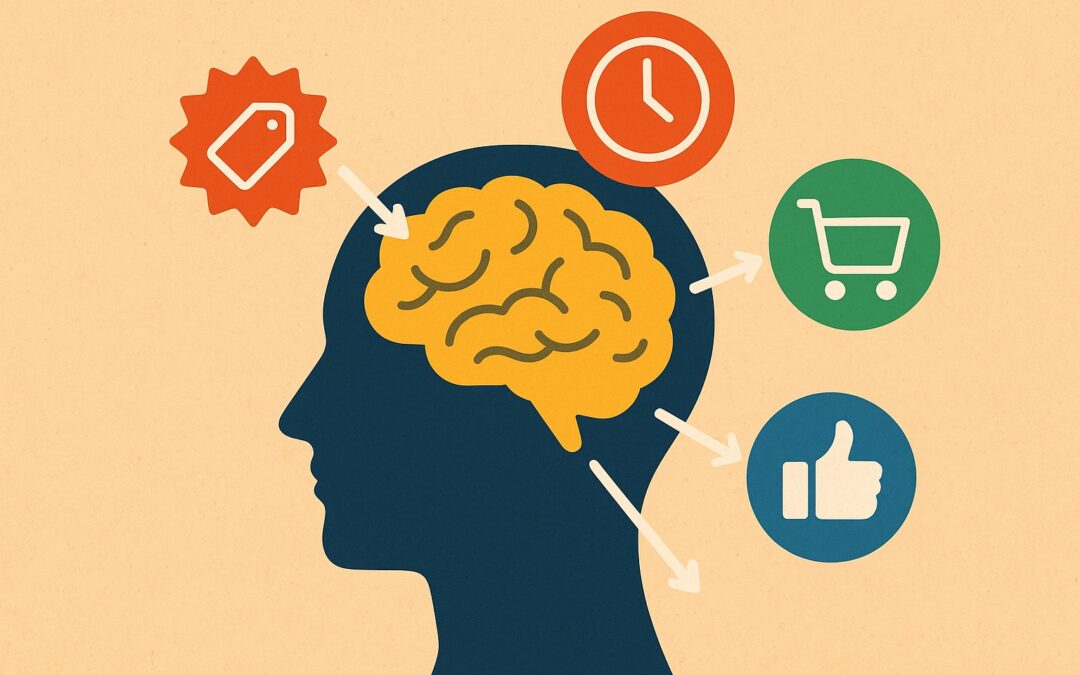
Behavioral triggers are subtle psychological cues that influence how people act—especially when making purchasing decisions. These triggers work beneath the surface of conscious thought, guiding users to take action based on instinct, emotion, and social dynamics.
When woven into digital touchpoints like websites, emails, and ads, these principles help brands build trust, drive urgency, and increase sales without sounding pushy.
Five Proven Psychological Triggers That Boost Conversions
1. Scarcity: The Power of Limited Availability
Scarcity creates value by signaling that something won’t be around forever. When users see limited stock or exclusive access, they tend to act faster, driven by the fear of missing out (FOMO).
Examples to try:
“Only 2 spots left in the course”
“Early bird pricing ends tonight”
“Limited-time bundle offer”
Why it works: People naturally assign more value to things that are harder to get. Scarcity taps into loss aversion, a powerful motivator.
2. Urgency: Prompting Quick Decisions
Urgency adds time pressure, prompting users to make faster decisions. When the clock is ticking, hesitation turns into action.
Ways to build urgency:
Countdown timers on landing pages
Flash sale announcements via email or SMS
Time-sensitive bonuses (e.g., “Sign up today and get a free guide”)
Use it ethically: Avoid artificial urgency. Repeat countdowns or false deadlines can break trust. Be honest—and make the offer worth it.
3. Social Proof: Reassurance in Numbers
When people see others engaging with a product or service, they feel more confident in making the same choice. That’s the essence of social proof.
Effective formats include:
Star ratings and user reviews
Testimonials with photos or job titles
“Trusted by 5,000+ professionals” statements
Placement matters: Showcase social proof on product pages, checkouts, or email opt-in forms to reduce doubt and build credibility.
4. Reciprocity: Give to Get
Reciprocity works because people feel a natural obligation to return a favor. Offering something valuable up front—like a free trial or premium resource—can lead to stronger engagement and future conversions.
Ideas for value-first offers:
Downloadable templates or toolkits
Free consultations or mini-courses
Personalized assessments or audits
Bonus tip: Make the gift truly useful. Generic freebies feel like bait. High-quality, relevant content builds trust and positions your brand as generous and helpful.
5. Cognitive Ease: Remove Friction
When content is easy to understand and interact with, users are more likely to convert. Cognitive ease refers to how smoothly people can process information, which directly affects how much they trust it.
Simplify the journey by:
Using clean, uncluttered page layouts
Writing in plain, clear language
Designing intuitive navigation and CTAs
Real-world impact: A complicated checkout or wordy landing page increases bounce rates. Make every step feel natural and effortless.
Strategic Application Across the Funnel
Each psychological trigger plays a different role depending on where the user is in the buying journey:
Trigger
Best Used At
Sample Use Case
Scarcity
Product and service pages
Display limited stock count
Urgency
Email, landing pages
Flash sale announcements
Social Proof
Homepage, testimonials
Highlight top reviews
Reciprocity
Lead magnets, pop-ups
Offer free ebook for sign-up
Cognitive Ease
Entire site experience
Clear, fast-loading pages
Stacking these triggers—without overwhelming the audience—can lead to compounding results. For example, a landing page offering a free template (reciprocity) with testimonials (social proof) and a limited-time bonus (urgency) covers three bases without feeling forced.
Staying Ethical in Psychological Marketing
Using behavioral triggers isn’t about manipulation—it’s about alignment. The goal is to match your message with how users naturally think and behave.
Avoid these pitfalls:
Faking urgency or limited availability
Using deceptive social proof or fake reviews
Overcomplicating user journeys to create confusion
Transparency, value, and consistency are your best long-term assets. Aim to guide, not pressure. Audiences can sense the difference.
Final Thoughts
Digital marketing powered by psychology gives brands an edge, not because it tricks people, but because it speaks their language. When campaigns mirror how people already make decisions, you’re not pushing them—you’re helping them say yes.
Behavioral triggers like scarcity, urgency, social proof, reciprocity, and cognitive ease are proven tools to increase engagement and conversions. Test them thoughtfully, measure results, and always prioritize user trust.
Ready to elevate your digital strategy with psychology-backed techniques? Explore more insights on our blog for practical tips and real-world examples of marketing that speak to the mind—and convert from the heart.
Creating high-quality content requires time, resources, and strategy. But what if a single strong idea could fuel dozens of assets across multiple platforms—without sounding repetitive? That’s where content atomization comes in.
Rather than producing new material from scratch every time, content atomization allows marketers to take one core piece and repurpose it into multiple focused formats. The result is consistent messaging, broader reach, and greater return on your content investment.
What is Content Atomization?
Content atomization is the process of breaking a larger piece of content into smaller, platform-specific assets. For example, a single long-form guide could be transformed into a blog post series, short-form videos, infographics, emails, or even podcast talking points. Each of these assets stands alone while reinforcing the original message.
By doing so, your message reaches different audience segments, caters to various content preferences, and lives longer across the digital landscape.
Why Atomization Matters
Content creation can be demanding, especially for small or lean marketing teams. Atomization helps extend the life and reach of your best ideas. It enables marketers to reduce burnout, improve efficiency, and make the most of flagship content like thought leadership pieces, reports, or webinars.
Just as importantly, it supports omnichannel strategies. Users today consume content in different ways—some prefer video, others read blogs, while some engage most with visual graphics or audio. Atomization ensures your content is seen, heard, and experienced in every format that matters.
Choosing the Right Content to Atomize
Not all content is suited for atomization. Foundational or high-performing content typically works best. Think of assets like whitepapers, webinars, in-depth guides, keynote speeches, or evergreen blog posts that already perform well in search or on social.
These are often referred to as “pillar content”—rich, comprehensive, and flexible enough to be broken down into smaller, high-value pieces.
How to Atomize Content Effectively
To atomize effectively, start by identifying a strong piece of pillar content. Make sure it’s relevant to your audience and aligned with your marketing goals. Then, outline the key takeaways, themes, or sections that could be repackaged into standalone assets.
Each section or idea from the original piece can take on a new format. A paragraph in a guide might become a carousel post. A webinar slide can be turned into a short video. A recorded expert quote can inspire a LinkedIn post or email subject line.
The goal is not to repeat but to reframe. Use each asset to expand on one aspect of the original idea while keeping your voice, branding, and CTA consistent. This gives your content structure and coherence, even across formats.
Distribution should be scheduled over time, not dumped all at once. Spread the assets across a content calendar to maintain visibility and allow the audience to digest them gradually.
And of course, performance should be tracked. Monitor which formats generate the most engagement or conversions, then refine your strategy based on that feedback.
Scaling Atomization Across Teams
To make content atomization an efficient, scalable, and repeatable process across your organization, it’s important to establish systems and workflows that support collaboration and consistency. Here are some practical ways to make that happen:
Centralize your content assets Maintain a shared content repository where all source files, designs, transcripts, and past repurposed content can be stored and accessed easily by your team.
Use reusable templates Create pre-built formats for common content types such as social posts, video scripts, emails, and blog layouts to streamline production and maintain brand consistency.
Encourage cross-department collaboration Involve teams like sales, customer service, and product development. They often have insights into customer needs that can inspire useful content angles.
Assign clear ownership Designate who is responsible for identifying, repurposing, and distributing content—whether that’s a content strategist, marketing manager, or outsourced partner.
Document your process Build a workflow or playbook that outlines how content should be atomized, approved, and published. This makes onboarding easier and ensures your process is repeatable at scale.
With these steps in place, content atomization becomes not just a tactic, but a system your team can rely on for consistent messaging and efficient output.
Final Reflection
Content atomization is more than content recycling. It’s a strategic way to extend the life and impact of your best ideas across platforms and formats. By breaking one comprehensive piece into multiple focused assets, brands can increase reach, reduce creative fatigue, and create a more consistent voice across the customer journey.
For marketers looking to do more with less while staying top-of-mind in a crowded digital space, content atomization isn’t just a helpful tactic—it’s a mindset worth adopting.
In an era of endless information, rising consumer awareness, and growing skepticism toward advertising, brands are learning that long-term success depends on more than catchy headlines or viral content. Today’s customers want more than a great product—they expect values, transparency, and ethics. That’s where ethical marketing becomes not just a trend, but a necessity.
Rather than manipulating emotions or hiding behind fine print, ethical marketing prioritizes honesty, responsibility, and respect. For businesses, it’s a strategy rooted in trust—and it pays off in brand loyalty, social impact, and sustainable growth.
What is Ethical Marketing?
Ethical marketing refers to the practice of promoting products or services in ways that are truthful, transparent, and aligned with moral values. It means being upfront about what you offer, avoiding exaggerations, and placing customer well-being at the center of your campaigns.
It doesn’t mean sacrificing performance. Instead, it’s about marketing with integrity, ensuring that every interaction with your audience reflects who you are as a brand.
Why Ethical Marketing Matters More Than Ever
Consumers are more informed and connected than ever before. With a few clicks, they can fact-check claims, read reviews, or compare your business to competitors. If your marketing feels deceptive or manipulative, they won’t hesitate to walk away—or worse, share their negative experience online.
On the other hand, a reputation for ethical behavior can:
Build deep trust and long-term relationships
Reduce churn and improve customer retention
Boost brand credibility and media appeal
Create passionate brand advocates who promote you organically
In a noisy market, trust is your competitive edge.
Key Principles of Ethical Marketing
Transparency Be clear about what your product or service does. No vague terms, hidden fees, or misleading graphics. Full disclosure builds trust.
Truthful messaging Avoid exaggerated claims or fear-based tactics. For example, saying your product is “the only solution on the market” when it’s not can backfire quickly.
Respect for privacy Use customer data ethically. Inform users about how their data is collected, stored, and used. Make opt-in processes clear, and honor unsubscribe requests promptly.
Inclusivity and representation Ensure your messaging and imagery include diverse backgrounds, cultures, and perspectives. Avoid stereotypes or tone-deaf campaigns.
Social and environmental responsibility Align your brand with causes that matter—but only if they’re authentic. Avoid “greenwashing” or performative marketing. If you claim sustainability, back it up with proof.
How to Apply Ethical Marketing in Digital Strategy
To practice ethical marketing effectively, align every part of your digital presence—from ads to content and customer touchpoints—with integrity and transparency. Here’s how:
Be honest in copywriting Avoid misleading headlines or exaggerated claims. If you’re offering a free trial, say so clearly. Make sure your messaging reflects what the user will receive.
Use clear and accurate calls to action (CTAs) Your CTA should set realistic expectations. Instead of vague phrases like “Get started now”, try “Download your free guide” or “Sign up with no credit card required.”
Provide real value through educational content Ethical marketing prioritizes helping over selling. Create blog posts, videos, guides, or webinars that genuinely solve problems or answer questions, building credibility and trust along the way.
Avoid dark patterns and manipulative design Refrain from using UX tricks like hidden opt-outs, hard-to-close popups, or default add-ons. Ethical user experience design is clean, respectful, and empowers users to make informed decisions.
Be transparent with data usage Clearly state how you collect, store, and use personal data. Use plain language in privacy policies, and make opt-in or unsubscribe options easy to access.
Engage with feedback honestly Acknowledge and respond to both positive and negative reviews with professionalism. Resist the urge to delete criticism. Ethical marketing is also about listening and improving.
Align campaigns with your core values Ensure that your marketing reflects your company’s mission and values. Don’t jump on social causes just for attention—stand for something, and show how you’re supporting it through real action.
SEO Benefits of Ethical Marketing
An ethical approach isn’t just good for users—it’s good for your search rankings too:
Lower bounce rates from genuine interest
Longer time-on-page driven by useful, transparent content
More backlinks from credible sources that appreciate trustworthy brands
Positive sentiment and reviews that influence click-through rates
Search engines prioritize relevance and user satisfaction, and ethical practices naturally support both.
Challenges and How to Navigate Them
Being ethical doesn’t always feel easy. You might wonder:
Will honesty hurt conversions?
Can I compete with brands using clickbait?
How transparent is too transparent?
These are valid concerns, but consider this: short-term gains from unethical tactics rarely lead to loyal customers. Ethical marketing might take longer to build momentum, but the results are deeper, more sustainable, and reputation-proof.
To strike a balance:
Focus on clarity over cleverness
Use A/B testing to measure honest messaging vs. exaggerated copy
Prioritize customer experience over immediate sales spikes
Overview
Ethical marketing isn’t a restriction—it’s a direction. It’s about marketing with purpose, clarity, and respect for your audience. In doing so, you not only build stronger relationships but also position your brand as one that customers are proud to support.
In the digital age, your brand’s behavior is always visible. How you promote, engage, and sell speaks volumes. Choose to be transparent. Choose to earn trust. Because in the long run, doing the right thing is also the smartest marketing move you can make.
In the ever-evolving landscape of digital marketing, there’s a quiet revolution happening—users are consuming more content than ever, but they’re clicking less. This has given rise to a new approach: zero-click content.
Zero-click content is designed to deliver maximum value right within the platform where it’s published, without requiring the user to click through to a separate page. Whether it’s an answer box in Google, a carousel on LinkedIn, or a visually engaging Instagram Reel, this format meets your audience where they are—and keeps them there.
In this post, we’ll explore what zero-click content is, why it works, and how to use it to grow brand visibility and engagement without relying solely on traffic metrics.
What is Zero-Click Content?
Zero-click content is any digital content created with the intention of providing value without requiring a click. It’s meant to be consumed immediately on the platform—giving the user the takeaway, insight, or inspiration right there.
Examples of zero-click content include:
Google Featured Snippets that answer a search query
LinkedIn posts with full insight (no “link in comments”)
Twitter/X threads that tell a complete story
Infographics or quote cards on Instagram
YouTube Shorts and TikTok videos that teach or entertain without directing elsewhere
Carousel posts that explain a concept in slides
The goal is not to drive a click—it’s to earn trust, increase dwell time, and demonstrate value up front.
Why Zero-Click Content Matters
1. Platforms Favor It
Social media algorithms prioritize content that keeps users on-platform. External links can reduce reach or engagement, while native content tends to get boosted.
2. User Behavior Has Shifted
Audiences are overwhelmed with content. If they can get what they need in 30 seconds or less—without switching apps or opening a new tab—they will.
3. Builds Authority Quickly
By offering value up front, you position your brand as helpful and credible. Over time, this leads to brand recall—even if users don’t immediately convert.
4. Increases Content Efficiency
You no longer need to funnel every visitor to your site. A well-placed post on LinkedIn or a strong Instagram carousel can stand alone and perform just as well.
5. Encourages Shareability
Content that delivers insight or clarity in one scroll is more likely to be saved or shared, widening your reach organically.
Where to Use Zero-Click Content
You can deploy zero-click strategies across most major channels:
Google Search: Optimize for featured snippets and People Also Ask boxes
LinkedIn: Publish long-form posts, carousels, and document PDFs
Twitter/X: Use concise educational threads or mini case studies
Instagram: Share carousels, Reels, or infographic posts
YouTube Shorts / TikTok: Create micro-videos that teach, inspire, or entertain
Email: Write newsletters that deliver full value without requiring a link
Pinterest: Use long-form pins or idea pins that summarize a solution visually
The key is to adapt your format to the intent of the platform—each channel has a style that performs best.
Types of Zero-Click Content to Try
Step-by-step instructions – “Here’s how to do X in 3 steps…”
Mini case studies – Share a transformation or insight in a short post
Educational carousels – Break down concepts over 5–7 slides
Visual explainer graphics – Charts, stats, or side-by-side comparisons
Short-form videos – Tutorials, how-tos, or myth-busting in under 60 seconds
Industry hot takes – Share an opinion or perspective that starts a conversation
Micro-storytelling – Give a full beginning, middle, and end in one post
How to Create Effective Zero-Click Content
Lead with Value
Make your first line or visual count. You need to hook attention in the first 3–5 seconds to earn a scroll or tap.
Keep It Platform-Native
Avoid “click here” or “link in bio.” Instead, design your post so the user doesn’t have to leave to benefit.
Break Information Into Pieces
Use lists, carousels, bullets, or short videos to deliver information in bite-sized, digestible formats.
Optimize for Readability
Use short sentences, white space, and clear formatting. Mobile-first design is essential.
Include a Non-Click CTA
Your call-to-action can still invite engagement without pushing a link:
“Save this post for later.”
“Comment with your biggest takeaway.”
“Which one do you agree with?”
“Tag someone who needs to see thi.s”
Measuring Success (Beyond the Click)
Traditional web analytics won’t capture the full impact of zero-click content. Instead, monitor:
Impressions and reach
Engagement rate (likes, comments, shares, saves)
Followers or new subscribers from a platform
Mentions or DMs from people referencing your post
Increased branded search volume (via Google Search Console)
Referral mentions from people linking to your socials or quoting you
Success may not be immediate traffic—it’s often long-term influence and visibility.
When to Use Zero-Click vs. Link-Based Content
Use zero-click content when your goal is:
Brand visibility
Increasing trust and authority
Reaching new or passive audiences
Feeding social algorithms for organic growth
Use link-based content when your goal is:
Driving conversions (downloads, purchases)
Generating email subscribers
Deepening long-form engagement
Retargeting site traffic with ads
A healthy strategy balances both.
Final Thoughts
Zero-click content challenges the traditional funnel. It requires marketers to deliver immediate value, without the safety net of a click. But in return, it rewards brands that show up generously and meet their audience where they are.
By mastering this format, you create touchpoints that matter—even if the user doesn’t visit your website. That builds familiarity, trust, and eventually, conversions.
Ready to explore a zero-click strategy that aligns with your audience’s habits? Let’s create content that speaks volumes—without needing a single click.