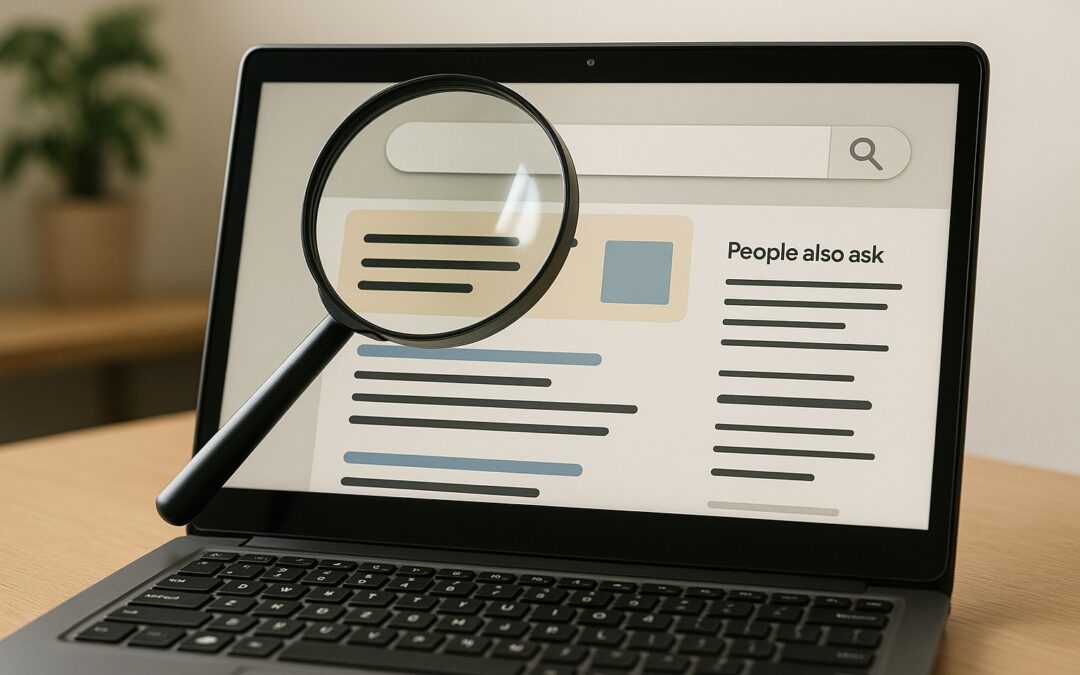
Search engine optimization (SEO) has long been about earning the click. But as Google evolves to provide more immediate answers directly on the results page, businesses are facing a new challenge: how to win in search when users never actually visit your site.
This growing trend, known as zero-click searches, is reshaping how marketers think about SEO. Rather than focusing solely on page visits, today’s strategies must consider how to capture attention, build authority, and deliver value—even when users stay on the SERP (Search Engine Results Page).
What Are Zero-Click Searches?
Zero-click searches happen when users find the information they need right on the search page, without clicking through to any website. These answers are typically displayed in formats such as:
- Featured snippets (paragraphs, lists, tables)
- Knowledge panels
- People Also Ask boxes
- Google Business listings
- Weather, stock, and sports widgets
- Definitions or calculator results
According to industry studies, more than 50% of Google searches result in zero clicks, especially on mobile. While that might sound discouraging, it opens a new playing field for brands that know how to adapt.
Why Zero-Click SEO Matters
Even if a search doesn’t drive direct traffic to your site, it can still deliver brand visibility, credibility, and user engagement. Appearing in high-visibility positions like featured snippets or local packs signals authority, especially when users associate your name with reliable, fast answers.
Consider this: if someone sees your brand answering a key question, they’re more likely to remember you, click on you later, or choose your product when ready to buy. Zero-click visibility builds top-of-mind awareness and trust, even without the click.
How to Optimize for Zero-Click Opportunities
1. Target Featured Snippets
Featured snippets are pulled from high-ranking pages that answer a query clearly and concisely. To compete for these:
- Identify common questions in your niche (use tools like Answer the Public, AlsoAsked, or Google’s People Also Ask)
- Write direct answers in 40–60 words
- Use proper formatting (lists, tables, headings)
- Answer one clear question per paragraph
Example:
If the query is “What is behavioral marketing?”, write a header with that exact phrase and follow it with a short, precise definition.
2. Optimize for Branded Search and Knowledge Panels
When users search for your company name, you want to dominate that space with rich, accurate information.
- Claim and verify your Google Business Profile
- Use structured data (schema markup) on your website (for organization, FAQ, reviews, events, etc.)
- Ensure consistency in your NAP (name, address, phone number) across the web
- Encourage positive reviews and update your business description regularly
Goal: Own as much of the SERP real estate for your brand name as possible.
3. Create Clear and Contextual Content
Google favors content that answers user intent. Rather than stuffing keywords, focus on clarity and structure.
- Use short, clean headings with natural language
- Include FAQ sections to target multiple questions
- Avoid walls of text—use bullet points and bolded phrases
- Match content length to the query type (brief for definitions, longer for how-tos)
Pro tip: Add a “key takeaway” box or summary at the top of longer posts for quick scanning.
4. Use Schema Markup Strategically
Schema markup helps search engines understand your content better and increases the chances of showing up in rich snippets.
Some useful schema types:
- FAQ – for quick answers
- How-To – for step-by-step content
- Product – for pricing, ratings, availability
- Review – for testimonials and trust signals
Google’s Structured Data Testing Tool can help validate your schema setup.
5. Embrace Visual and Local SEO
Zero-click searches aren’t just text-based. Google is integrating more visual and local features:
- Use alt text and image schema to optimize visuals for search
- For local businesses, focus on Google Maps visibility, reviews, and accurate listings
- Upload regular photos to your Google Business Profile (Google favors freshness)
Outcome: You’re not just in the rankings—you’re present across the full digital touchpoints.
Key Takeaways
Zero-click searches are not a threat—they’re a new opportunity. Brands that adapt by focusing on clarity, structure, and helpfulness will continue to succeed, even when users don’t visit their site immediately.
Visibility, not just traffic, is the new benchmark for SEO performance. By optimizing for featured snippets, structured data, and voice-friendly content, your business can gain trust, win mindshare, and stay relevant in an evolving digital landscape.
Want more ways to strengthen your SEO presence?
Browse our blog for practical strategies, fresh insights, and real-world tactics to keep your marketing future-ready—clicks or no clicks.
