
by Research Team | Jun 10, 2025 | Digital Marketing, SEO
Getting more traffic to your website is the ultimate goal for most marketers and business owners. But here’s the challenge—how do you grow organic traffic without relying on paid ads?
The good news is that driving organic traffic doesn’t have to be complicated or expensive. With a strategic approach and consistent effort, you can attract qualified visitors to your website, boost brand visibility, and increase conversions—all without spending a cent on ads.
In this post, we’ll explore 10 proven strategies to increase organic traffic in 2025 and beyond.
Why Organic Traffic Matters
Organic traffic refers to visitors who land on your website from unpaid search engine results, typically through platforms like Google, Bing, and Yahoo. It’s different from traffic generated through paid ads or social media promotions.
Why should you care about organic traffic?
- Sustainable Growth: Once optimized, organic traffic compounds over time.
- Higher Trust & Credibility: Users trust organic search results more than paid ads.
- Cost-Effective: No ongoing ad spend required.
- Better Conversion Potential: Visitors from search often have higher intent.
Now that we know why it matters, let’s dive into actionable tactics to boost your organic reach.
1. Optimize for Long-Tail Keywords
Long-tail keywords are highly specific search phrases with lower search volume but higher intent. These terms often capture leads closer to conversion.
Why it works:
- Less competition, easier to rank.
- Higher chances of meeting user intent.
How to do it:
- Use tools like Ubersuggest or AnswerThePublic to find long-tail queries.
- Target niche-specific phrases that align with your content.
- Optimize blogs, landing pages, and FAQs around these keywords.
Example:
Instead of targeting “SEO tools,” target “best SEO tools for small businesses.”
2. Create High-Quality, Evergreen Content
Evergreen content remains relevant over time and continues to attract traffic long after publication.
Why it works:
- Continues to rank and drive traffic for months or years.
- Reduces the need to constantly create new content.
How to do it:
- Focus on how-to guides, tutorials, and ultimate guides that solve common problems.
- Update evergreen content periodically to keep it fresh.
- Add internal links to new relevant posts.
Example:
“10 SEO Best Practices for 2025” stays valuable even after months of publication.
3. Optimize On-Page SEO
If your website isn’t optimized for search engines, it’s missing out on potential traffic.
Why it works:
- Search engines rank pages based on relevancy and optimization.
- Better-optimized pages outrank competitors.
How to do it:
- Include target keywords in your title, meta description, and headers.
- Use alt text for images and optimize for mobile.
- Improve page speed and usability.
Pro Tip: Run regular audits using tools like SEMrush or Ahrefs to ensure your site stays optimized.
4. Leverage Internal Linking
Internal linking connects one page of your website to another, enhancing user experience and improving SEO.
Why it works:
- Increases time spent on site by guiding users to relevant content.
- Passes authority from high-performing pages to other pages.
How to do it:
- Link from new blog posts to older, high-traffic content.
- Use descriptive anchor text with relevant keywords.
- Create pillar pages that link to related subtopics.
Example:
A blog post on “content marketing strategy” can link to “SEO for content marketers.”
5. Publish Consistent, Valuable Content
Consistency is key. Regularly publishing relevant, high-quality content signals to search engines that your site is authoritative and active.
Why it works:
- Search engines favor fresh, updated content.
- Keeps your audience engaged and returning for more.
How to do it:
- Develop a content calendar to maintain a consistent publishing schedule.
- Balance between evergreen content and timely industry trends.
- Prioritize solving problems and answering questions.
6. Focus on Topic Clusters and Pillar Pages
Topic clusters organize content around a central theme, linking a pillar page to multiple related subtopics.
Why it works:
- Enhances SEO by creating content silos.
- Increases authority around core topics.
How to do it:
- Identify 1-2 primary topics aligned with your brand.
- Create a detailed pillar page as the hub of information.
- Develop supporting blog posts that link back to the pillar.
Example:
A pillar page on “digital marketing strategy” links to related posts like “SEO tips,” “content creation,” and “email marketing strategies.”
7. Update and Repurpose Old Content
Don’t let your older content collect dust. Refreshing and repurposing content can give it new life and attract more traffic.
Why it works:
- Google favors fresh, updated content.
- Repurposing extends the reach of your content.
How to do it:
- Update stats, images, and internal links.
- Repurpose old blog posts into videos, infographics, or podcast episodes.
- Share updated content on social media and email lists.
8. Improve Technical SEO
Technical SEO focuses on backend elements that impact website performance and search rankings.
Why it works:
- Ensures search engines can crawl and index your site properly.
- Improves user experience, reducing bounce rates.
How to do it:
- Fix broken links and redirect errors.
- Optimize your XML sitemap and robots.txt.
- Ensure your website is mobile-friendly and fast-loading.
9. Guest Posting on High-Authority Sites
Guest posting is a powerful way to build backlinks and increase exposure.
Why it works:
- Earns backlinks from authoritative sources.
- Expands brand visibility to a broader audience.
How to do it:
- Identify reputable sites in your industry.
- Pitch relevant, high-value content ideas.
- Include a link back to your website in the author bio or within the content.
10. Build and Optimize Your Google Business Profile (GBP)
For local businesses, an optimized Google Business Profile (GBP) can drive significant traffic.
Why it works:
- Improves local SEO and visibility in Google’s Local Pack.
- Drives more traffic from local search results.
How to do it:
- Keep business info (name, address, phone) consistent.
- Encourage customer reviews and respond promptly.
- Upload high-quality photos and update content regularly.
Mistakes to Avoid When Growing Organic Traffic
- Keyword stuffing – Overloading content with keywords can hurt SEO.
- Neglecting technical SEO – Site speed, broken links, and mobile responsiveness matter.
- Ignoring mobile optimization – Most traffic now comes from mobile devices.
Final Thoughts: Sustainable Traffic Without Ads
Growing organic traffic takes time, but the results are sustainable and cost-effective. By optimizing your content, enhancing your SEO, and staying consistent with valuable content creation, you can attract high-intent visitors and boost conversions—without spending on ads.
Ready to put these strategies into action? Start by identifying the top 3 techniques that resonate with your brand and implement them this month. Organic growth is just a strategy away!

by Research Team | May 19, 2025 | Digital Marketing, SEO
If you’re a local business looking to increase visibility, attract nearby customers, and stand out in search results, optimizing your Google Business Profile (GBP) is one of the smartest moves you can make. It’s free, powerful, and often the first impression customers get of your business.
In this post, we’ll cover why Google Business Profile is critical for local SEO, what features to use, and how to optimize it effectively in 2025 and beyond.
What is Google Business Profile?
Formerly known as Google My Business, Google Business Profile is a free tool that lets businesses manage how they appear in Google Search and Maps. It’s especially vital for brick-and-mortar locations, service-area businesses, and professionals looking to drive local traffic and engagement.
Your profile displays essential details like:
- Business name and category
- Address, hours, phone number
- Website link
- Reviews and ratings
- Photos and videos
- FAQs and updates
A well-optimized GBP can directly influence where you appear in local search results—and how likely someone is to choose you.
Why Google Business Profile Matters for Local SEO
Here’s why GBP is a key driver of local success:
✅ 1. Improves Local Rankings
Google’s local search algorithm considers GBP relevance, distance, and prominence. A complete, optimized profile increases your chances of appearing in the coveted Local Pack (top 3 map results).
✅ 2. Boosts Credibility and Trust
Verified listings with accurate info, positive reviews, and up-to-date photos help establish legitimacy and attract customer trust.
✅ 3. Increases Clicks, Calls, and Visits
With features like “Call Now,” directions, and messaging, users can contact you instantly—right from the search results page.
✅ 4. Supports Voice Search
Many voice assistants rely on GBP data for local business queries (e.g., “Where’s the nearest pizza place open now?”).
How to Set Up and Verify Your Google Business Profile
If you haven’t claimed your listing yet, here’s how to get started:
- Go to google.com/business
- Sign in with a Google account
- Enter your business name and details
- Choose a category (accurately!)
- Add location or service area
- Verify your listing (usually via postcard, email, or phone)
Once verified, you’ll gain full access to edit and enhance your listing.
Key Areas to Optimize for Better Local SEO
1. Business Name, Address & Phone (NAP)
Ensure your name, address, and phone number are consistent across all platforms (website, listings, social media). Consistency builds credibility in Google’s eyes.
2. Business Categories
Choose a primary category that best describes your business. Then add secondary categories to capture more relevant searches.
Example:
Primary – “Bakery”
Secondary – “Wedding cake shop,” “Coffee shop,” “Dessert shop”
3. Business Description
Use this section to tell your story. Include:
- What you do
- Who you serve
- What makes you unique
- Targeted keywords (naturally written)
Keep it under 750 characters, and focus on clarity over fluff.
4. Photos and Videos
Visual content increases engagement and builds trust.
Upload:
- High-quality exterior and interior shots
- Product or service photos
- Behind-the-scenes images
- Team member intros
- Short videos (under 30 seconds work well)
Add new photos regularly to stay active in Google’s eyes.
5. Reviews and Ratings
Reviews heavily influence rankings and customer decisions.
Tips:
- Ask happy customers to leave a review (in-person or via follow-up email)
- Respond to all reviews—positive or negative
- Address issues with empathy and professionalism
- Avoid fake or incentivized reviews (Google can penalize you)
Pro tip: Keywords in reviews can also help improve local rankings.
6. Posts and Updates
Just like social media, GBP lets you post content updates. Use this space to share:
- Promotions
- Events
- Product launches
- Business changes (e.g., hours, safety measures)
Google Posts expire after 7 days, so update them regularly to stay relevant.
7. Services and Products
Add detailed descriptions and pricing (if possible) to highlight offerings. This improves keyword visibility and helps potential customers understand what you provide.
8. FAQs / Q&A Section
This section allows anyone to ask and answer questions about your business. Proactively add your own FAQs to control the narrative and help customers quickly.
9. Messaging and Booking Integration
Enable messaging so users can contact you directly from the search result. If relevant, integrate booking features (e.g., for restaurants, salons, consultations) to make conversions even easier.
Tracking Performance: GBP Insights
Google offers basic analytics within your profile:
- How customers find you (direct, discovery, branded)
- Actions taken (website visits, direction requests, calls)
- Search queries used
- Photo and post performance
Use these insights to refine your strategy, track ROI, and understand what your audience cares about.
Common Mistakes to Avoid
- Inconsistent or outdated info across platforms
- Ignoring or deleting negative reviews
- Using low-quality or no images
- Not choosing the right business category
- Letting your profile go inactive
- Keyword stuffing in the name (against Google’s guidelines)
Avoiding these helps you stay compliant and visible.
The Local Edge
In a digital-first, mobile-driven world, your Google Business Profile is often your storefront. It’s where discovery begins, and decisions are made in seconds. The good news? It’s completely in your control.
By fully optimizing your profile and staying active, you can rise in the local ranks, drive more foot traffic, and build a loyal customer base—right in your neighborhood.
If you’re not already treating your GBP as a central piece of your local SEO strategy, now’s the time.

by Research Team | Dec 5, 2024 | Digital Marketing, SEO
Core Web Vitals have become a critical factor in search engine optimization (SEO) and overall user experience. Introduced by Google as part of its ranking algorithm, these metrics measure a website’s performance in terms of loading speed, interactivity, and visual stability. A strong Core Web Vitals score not only boosts your site’s visibility in search results but also ensures a better experience for your users.
This article explores the components of Core Web Vitals, their significance in SEO, and strategies to optimize them for your website.
What Are Core Web Vitals?
Core Web Vitals are a set of performance metrics that focus on three key aspects of user experience:
- Largest Contentful Paint (LCP)
- Measures the loading speed of the largest visible content on the page.
- Ideal LCP: Less than 2.5 seconds.
- First Input Delay (FID)
- Evaluates the time it takes for the site to respond to user interactions, such as clicking a button or entering text.
- Ideal FID: Less than 100 milliseconds.
- Cumulative Layout Shift (CLS)
- Assesses the visual stability of a webpage by tracking unexpected layout shifts.
- Ideal CLS: Less than 0.1.
These metrics provide a clear snapshot of how users perceive a site’s performance and usability.
Why Core Web Vitals Matter
- SEO Impact
Google has integrated Core Web Vitals into its Page Experience update, meaning sites with better scores are more likely to rank higher in search results.
- Improved User Experience
Fast-loading, stable websites create a smoother browsing experience, reducing frustration and increasing user satisfaction.
- Increased Conversion Rates
A site that loads quickly and responds effectively encourages users to stay longer, interact more, and complete desired actions.
- Reduced Bounce Rates
Poor performance metrics can lead to users abandoning a site. Optimizing Core Web Vitals helps keep visitors engaged.
- Competitive Advantage
Sites with superior Core Web Vitals stand out in a crowded digital landscape, attracting more traffic and building trust.
How to Optimize Core Web Vitals
- Optimize Largest Contentful Paint (LCP)
- Reduce Server Response Time: Use faster hosting services and implement a content delivery network (CDN).
- Optimize Images: Compress images without sacrificing quality and use next-gen formats like WebP.
- Minimize CSS and JavaScript Blocking: Defer non-critical scripts and inline critical CSS.
- Improve First Input Delay (FID)
- Minimize JavaScript Execution: Reduce the amount of JavaScript loaded on your site to improve interactivity.
- Use Browser Caching: Store static assets locally to speed up site response times.
- Optimize Third-Party Scripts: Limit the use of heavy third-party tools that can delay interaction.
- Enhance Cumulative Layout Shift (CLS)
- Reserve Space for Media: Specify dimensions for images and videos to prevent layout shifts during loading.
- Avoid Injecting Content Above Existing Elements: Ensure that ads, banners, or dynamically loaded content do not push down existing elements.
- Use Fonts Responsibly: Preload web fonts and avoid swapping fonts during loading.
- Leverage Performance Tools
- Use tools like Google PageSpeed Insights, Lighthouse, and Search Console to monitor and identify areas for improvement.
- Regularly test your site to ensure it meets Core Web Vitals thresholds.
Best Practices for Maintaining Core Web Vitals
- Adopt Responsive Design
Ensure your site performs well across all devices and screen sizes, especially for mobile users.
- Regularly Monitor Performance
Continuously track Core Web Vitals using tools like Google Search Console and address any declines promptly.
- Optimize for Mobile Users
Mobile-first indexing makes it essential to prioritize mobile performance, as most users access websites through their phones.
- Minimize Heavy Visual Elements
Avoid overloading your pages with large images, videos, or animations that can slow down load times and destabilize layouts.
- Collaborate with Developers
Work closely with your web development team to implement best practices and ensure the technical health of your site.
Common Mistakes to Avoid
- Ignoring Third-Party Scripts
Unoptimized third-party tools, like tracking or ad scripts, can negatively impact your Core Web Vitals.
- Focusing Only on Desktop Performance
Mobile performance is equally, if not more, important due to Google’s mobile-first indexing approach.
- Overloading Pages with Features
Adding excessive animations, pop-ups, or widgets can degrade performance and user experience.
Measuring Core Web Vitals
Several tools can help you track and measure Core Web Vitals:
- Google PageSpeed Insights: Provides a detailed breakdown of LCP, FID, and CLS metrics along with improvement suggestions.
- Google Search Console: Monitors your site’s performance on Core Web Vitals across all pages.
- WebPageTest: Offers advanced insights into website performance, including render times and layout stability.
These tools not only provide performance metrics but also actionable recommendations for improvement.
Strategic Takeaways
Core Web Vitals are no longer just a technical requirement—they’re a cornerstone of SEO and user experience. By optimizing LCP, FID, and CLS, brands can create faster, more reliable websites that satisfy both users and search engines.
With the right tools, strategies, and a commitment to continuous improvement, you can ensure your site remains competitive in an increasingly performance-driven digital world. A strong Core Web Vitals score doesn’t just improve rankings; it creates an engaging and memorable experience for your visitors, boosting loyalty and conversions in the process.

by Research Team | Oct 23, 2024 | Digital Marketing, SEO
Search engine optimization (SEO) has always been about driving traffic to websites, but the rise of zero-click searches is changing the landscape. Zero-click searches occur when users find the information they need directly on the search engine results page (SERP) without having to click on a link. Powered by features like featured snippets, knowledge panels, and People Also Ask boxes, these searches prioritize convenience and instant information.
This blog will delve into the concept of zero-click searches, their implications for businesses, and strategies to adapt your SEO approach to thrive in this evolving environment.
What are Zero-Click Searches?
Zero-click searches are search queries that are resolved directly on the SERP through Google’s rich features. Instead of directing users to external websites, Google provides answers directly via:
- Featured Snippets: Highlighted text, lists, or tables at the top of the SERP.
- Knowledge Panels: Boxes that provide information about a person, place, or topic.
- People Also Ask Boxes: Drop-down menus with related questions and answers.
- Local Packs: Map-based results for local businesses.
For example, typing “current weather in New York” provides the weather details directly in the search results, negating the need to visit a website.
Why Zero-Click Searches Matter
- Impact on Website Traffic
As more users find answers on SERPs, fewer are clicking through to websites. This shift requires businesses to rethink how they define and measure success in SEO.
- Enhanced Visibility
While clicks may decrease, appearing in zero-click features like featured snippets or local packs boosts your brand’s visibility and authority.
- User Behavior Trends
Mobile and voice searches, which favor quick answers, are driving the popularity of zero-click searches. Adapting to these trends ensures your business stays relevant.
- Competitive Advantage
By optimizing for zero-click features, you can outperform competitors who haven’t adapted their strategies.
How to Optimize for Zero-Click Searches
- Target Featured Snippets
- Use concise, informative content to answer common questions related to your niche.
- Format your content as bullet points, numbered lists, or tables, as these formats are favored by Google for snippets.
- Include long-tail keywords that align with user queries.
- Focus on Local SEO
- Ensure your Google Business Profile is complete and accurate, including your business name, address, and phone number (NAP).
- Optimize for local keywords and encourage customer reviews to improve your visibility in local packs.
- Answer Questions with Content
- Use tools like AnswerThePublic or Google’s People Also Ask to identify commonly searched questions.
- Create blog posts, FAQs, or guides that address these queries comprehensively.
- Optimize for Voice Search
- Voice search queries are often conversational. Use natural language and question-based phrases in your content.
- Structure content to answer who, what, where, when, why, and how questions concisely.
- Provide Schema Markup
- Implement structured data (schema markup) on your website to help search engines understand your content better.
- Use appropriate schema types, such as FAQ, How-To, or LocalBusiness, to increase your chances of appearing in rich results.
- Create High-Quality Content
- Focus on producing in-depth, authoritative content that provides real value to your audience.
- Include internal links to keep users engaged on your site if they decide to click through.
Adapting KPIs for Zero-Click Searches
Traditional SEO metrics like click-through rates (CTR) may no longer paint the full picture of success in the era of zero-click searches. Consider the following metrics:
- Impression Share
Track how often your website appears in search results, even if users don’t click.
- Featured Snippet Rankings
Measure the number of snippets or rich features where your content is displayed.
- Brand Awareness
Monitor social mentions, branded searches, and overall visibility to gauge how zero-click features are influencing your brand.
- Local Engagement Metrics
For businesses targeting local audiences, track metrics like calls, direction requests, and bookings through Google Business Profile insights.
Challenges of Zero-Click Searches
- Reduced Clicks
As more users find answers directly on the SERP, websites may see a decline in organic traffic.
- Increased Competition
Securing featured snippets or top positions in local packs requires ongoing optimization and a deep understanding of user intent.
- Loss of Control
Google controls the information displayed in snippets or knowledge panels, limiting businesses’ ability to tailor messages directly.
Benefits of Optimizing for Zero-Click Searches
Despite the challenges, adapting to zero-click searches offers significant advantages:
- Enhanced Authority
Being featured in snippets or other SERP features positions your brand as a trusted source of information.
- Better User Experience
Providing instant answers aligns with user expectations, fostering goodwill and loyalty.
- Improved Local Reach
For businesses relying on foot traffic, optimizing for local packs can significantly increase visibility and customer engagement.
Final Thoughts
Zero-click searches are reshaping the SEO landscape, emphasizing the importance of visibility over clicks. By adapting your strategy to focus on featured snippets, local SEO, and voice search, you can position your business for success in this new era of search.
While traditional traffic metrics may decline, the enhanced visibility and authority gained through zero-click features can drive brand awareness, engagement, and ultimately conversions. As search behavior continues to evolve, staying ahead of these trends ensures your business remains competitive and relevant.
With the right approach, zero-click searches are an opportunity, not a challenge—unlocking new ways to connect with your audience.
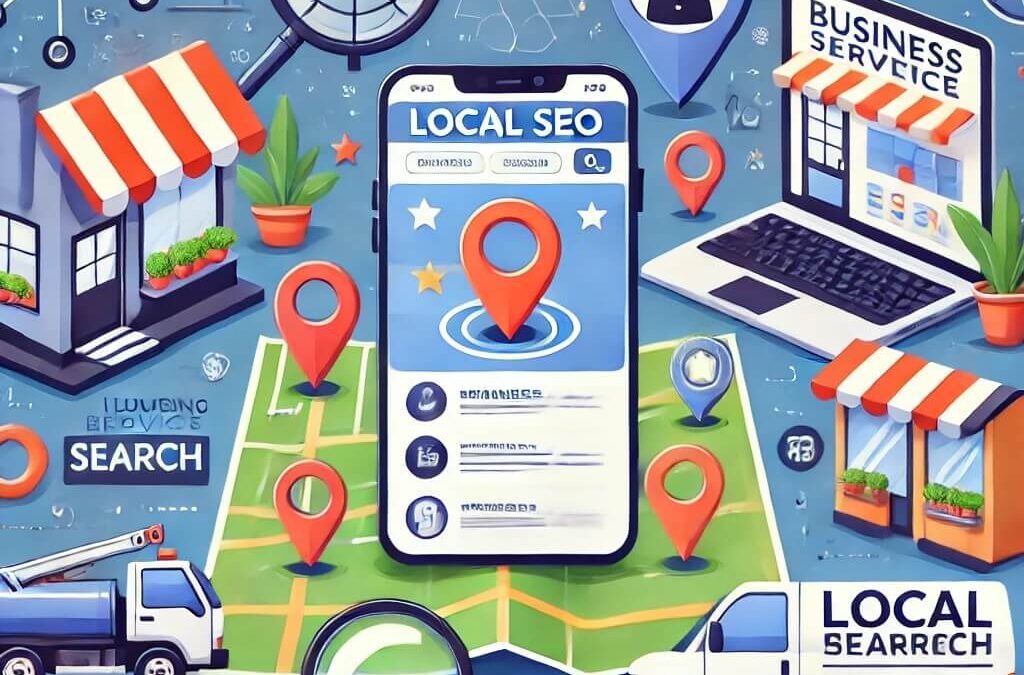
by Research Team | Oct 15, 2024 | Digital Marketing, SEO
In the digital age, local SEO has become a crucial strategy for businesses looking to connect with customers in their immediate vicinity. Whether you’re running a restaurant, retail store, or professional service, optimizing your online presence for local searches ensures you attract nearby customers actively seeking your products or services.
This guide will explore the fundamentals of local SEO, its benefits, and actionable strategies to help your business thrive in your community.
What is Local SEO?
Local SEO (Search Engine Optimization) focuses on optimizing your online presence to attract more business from relevant local searches. These searches often include location-specific keywords, such as “coffee shop near me” or “best plumber in [city name].”
Search engines like Google use location data to provide users with the most relevant results, making local SEO essential for businesses with a physical location or those serving a specific geographic area.
Why Local SEO Matters
Local SEO is not just about being visible online—it’s about being visible to the right audience at the right time. Here’s why it’s vital for your business:
- Increased Visibility
Local SEO ensures your business appears in search results when potential customers are looking for services in your area. This is especially crucial for mobile users who often make immediate decisions based on search results.
- Better Engagement
Local SEO drives high-intent traffic. Customers searching for local businesses are often ready to make a purchase or book a service.
- Competitive Edge
By optimizing for local searches, you can outperform competitors who haven’t prioritized their local SEO strategy.
- Boosts Foot Traffic
Appearing in local search results increases the likelihood of customers visiting your physical location.
Key Components of Local SEO
Google Business Profile (GBP)
A fully optimized Google Business Profile is the foundation of local SEO. It allows your business to appear in Google’s Local Pack and Maps, which are prominent features in local search results.Tips to Optimize GBP:
- Include accurate business information (name, address, phone number).
- Use relevant categories to describe your business.
- Upload high-quality images of your business and products.
- Encourage customer reviews and respond promptly to them.
- Local Keywords
Incorporating location-specific keywords into your website content is vital. For instance, instead of “best Italian restaurant,” use “best Italian restaurant in Chicago.”
- Online Reviews
Positive reviews not only enhance your reputation but also improve your visibility in local search rankings. Encourage satisfied customers to leave reviews on Google, Yelp, and other review platforms.
- NAP Consistency
Ensure your business name, address, and phone number (NAP) are consistent across all online listings. Inconsistencies can confuse search engines and hurt your rankings.
- Localized Content
Create blog posts, landing pages, or guides that address local topics or events. This signals to search engines that your business is actively engaged in the community.
Strategies to Improve Local SEO
- Optimize Your Website for Local Searches
- Include your city or neighborhood in meta titles, headings, and content.
- Add a dedicated “Contact Us” page with your business’s NAP and a Google Maps embed.
- Mobile-Friendly Website
With a significant portion of local searches happening on mobile devices, having a mobile-friendly website is essential. Ensure your site is responsive and loads quickly.
- Build Local Backlinks
Partner with local organizations, blogs, or directories to earn high-quality backlinks. For instance, sponsoring a community event or collaborating with a local influencer can generate links that improve your rankings.
- Utilize Social Media
Engage with your community on social media platforms. Post about local events, partnerships, and updates to strengthen your local presence.
- Leverage Voice Search Optimization
Many local searches are conducted via voice assistants like Siri or Alexa. Focus on conversational keywords and questions that mimic how people speak.
Tracking Local SEO Performance
Measuring the success of your local SEO efforts is essential for refining your strategy. Use these metrics to evaluate performance:
- Google Business Profile Insights
Monitor metrics such as search views, website clicks, and direction requests from your GBP dashboard.
- Website Analytics
Use tools like Google Analytics to track traffic from local searches, user behavior, and conversion rates.
- Keyword Rankings
Track how your business ranks for local keywords over time using SEO tools like SEMrush or Ahrefs.
- Review Metrics
Keep an eye on the number and quality of reviews, as well as your overall star rating.
Examples of Successful Local SEO
- A Local Coffee Shop
By optimizing its GBP with updated hours, engaging photos, and customer reviews, the shop appeared in the Local Pack for “coffee shop near me,” driving foot traffic and increasing sales.
- A Plumbing Service
With targeted local keywords and a blog featuring seasonal plumbing tips for the area, the business improved its website traffic and secured a steady stream of leads.
- A Boutique Retail Store
Leveraging partnerships with local influencers and participating in community events helped the store gain backlinks and enhanced its reputation within the community.
Bottom Line
Local SEO is a powerful tool for businesses seeking to connect with customers in their area. By focusing on optimizing your online presence for local searches, you can increase visibility, engage your audience, and drive meaningful growth.
Whether you’re just starting or refining your strategy, investing in local SEO ensures your business remains competitive in the digital marketplace. Start by optimizing your Google Business Profile, incorporating local keywords, and engaging with your community online and offline. Over time, your efforts will translate into higher search rankings, more foot traffic, and greater customer loyalty.

by Research Team | Oct 9, 2024 | Content Marketing, Digital Marketing, SEO, Social Media
Content marketing has become a vital strategy for businesses aiming to establish authority, drive organic traffic, and build meaningful connections with their audience. By delivering high-quality, relevant content, brands can position themselves as trusted leaders in their industry while supporting their overall digital marketing goals. This blog will outline the importance of content marketing, actionable tips to optimize your strategy, and ways to measure its effectiveness.
What Is Content Marketing?
Content marketing is a long-term strategy focused on creating and sharing valuable, relevant, and consistent content to attract and retain a clearly defined audience. Unlike traditional advertising, which emphasizes direct promotion, content marketing centers on providing educational and entertaining material that solves problems and meets user needs.
Whether through blog posts, videos, or social media, the ultimate goal is to nurture trust, establish authority, and convert leads into loyal customers.
Key Benefits of Content Marketing:
- Drives organic traffic to your website.
- Builds credibility and positions your brand as a thought leader.
- Enhances engagement and strengthens customer relationships.
- Supports search engine optimization (SEO) efforts by incorporating keywords and backlinks.
Why Content Marketing Matters for SEO
SEO and content marketing go hand-in-hand, with content playing a critical role in improving your website’s visibility. Here’s how:
- Targeted Keywords
Strategically integrating keywords into your content ensures your website appears in search results for queries relevant to your audience. For example, terms like “content strategy,” “SEO optimization,” and “digital marketing trends” can help attract organic traffic.
- Quality Content and Search Rankings
Google prioritizes websites that offer high-quality, user-focused content. By creating blog posts, videos, and infographics that provide real value, your site is more likely to rank higher in search results.
- Improved Engagement Metrics
Engaging content encourages visitors to stay longer on your website, reducing bounce rates and signaling to search engines that your site is valuable.
- Backlink Opportunities
Valuable content is more likely to be shared or referenced by other websites, increasing your site’s authority through backlinks.
Types of Content That Drive Results
- Blog Posts
Blogs are one of the most effective tools for targeting specific keywords. They help address common questions, share insights, and showcase expertise in your industry.
- Videos
Video content is a powerful medium for storytelling, product demonstrations, and tutorials. Platforms like YouTube can amplify your reach while contributing to SEO with properly optimized descriptions and tags.
- Infographics
Visual content like infographics is highly shareable and simplifies complex information. Including relevant keywords in the accompanying text ensures SEO optimization.
- Case Studies
Sharing real-life success stories builds credibility and can target long-tail keywords like “successful content marketing strategies” or “how to increase engagement through blogs.”
- E-Books and Whitepapers
These long-form resources provide in-depth information on topics relevant to your audience. They are excellent for generating leads and establishing authority.
How to Optimize Your Content Marketing Strategy for SEO
- Conduct Keyword Research
Use tools like Google Keyword Planner or Ahrefs to identify high-volume, low-competition keywords. Target both primary and secondary keywords to ensure your content aligns with user search intent.
- Craft Catchy Headlines
Headlines are the first thing users see. Make them engaging while including primary keywords. For example: “Top Content Marketing Strategies for 2024” or “How Content Marketing Boosts SEO Performance.”
- Create High-Quality Content
Focus on providing value. Avoid keyword stuffing, and ensure your content is well-researched, accurate, and engaging.
- Optimize for On-Page SEO
- Include keywords in titles, meta descriptions, headers, and image alt text.
- Use internal links to connect related content on your site.
- Ensure your website is mobile-friendly and fast-loading.
- Incorporate Visual Elements
Videos, infographics, and images enhance the user experience. Properly optimized visuals with descriptive file names and alt tags can further boost SEO.
- Update and Repurpose Content
Refresh older blog posts with updated information, keywords, and visuals to maintain their relevance. Repurpose content into different formats, such as turning a blog post into a video or infographic.
Measuring the Success of Your Content Marketing
To ensure your content marketing efforts are effective, track key performance indicators (KPIs). These include:
- Traffic and Rankings
Use tools like Google Analytics to monitor the number of visitors and track how your content ranks for target keywords.
- Engagement Metrics
Measure time spent on the page, bounce rates, and social shares to gauge audience interest and interaction.
- Lead Generation
Track the number of leads generated through content forms, gated content, or calls-to-action.
- Backlinks and Domain Authority
Analyze the quality and quantity of backlinks earned through your content. Tools like Moz or SEMrush can help monitor domain authority.
- Conversion Rates
Evaluate how many visitors take the desired action, such as signing up for a newsletter, downloading a resource, or making a purchase.
Final Thoughts
Content marketing is an essential part of any successful digital marketing strategy, offering a long-term solution for driving traffic, building authority, and improving SEO. By focusing on creating valuable, user-centric content and optimizing it for search engines, you can build lasting relationships with your audience and achieve sustainable growth.
Start by defining your target audience, selecting the right content types, and integrating SEO best practices. Over time, your efforts will position your brand as an authority in your industry, paving the way for increased visibility, engagement, and conversions.