
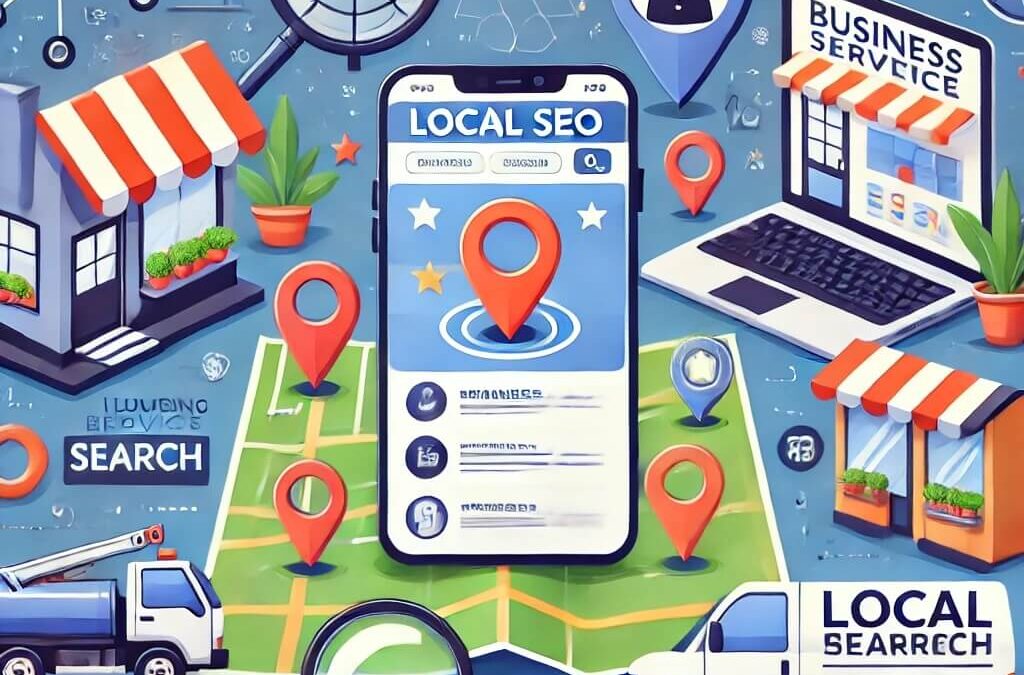
In the digital age, local SEO has become a crucial strategy for businesses looking to connect with customers in their immediate vicinity. Whether you’re running a restaurant, retail store, or professional service, optimizing your online presence for local searches ensures you attract nearby customers actively seeking your products or services.
This guide will explore the fundamentals of local SEO, its benefits, and actionable strategies to help your business thrive in your community.
What is Local SEO?
Local SEO (Search Engine Optimization) focuses on optimizing your online presence to attract more business from relevant local searches. These searches often include location-specific keywords, such as “coffee shop near me” or “best plumber in [city name].”
Search engines like Google use location data to provide users with the most relevant results, making local SEO essential for businesses with a physical location or those serving a specific geographic area.
Why Local SEO Matters
Local SEO is not just about being visible online—it’s about being visible to the right audience at the right time. Here’s why it’s vital for your business:
- Increased Visibility
Local SEO ensures your business appears in search results when potential customers are looking for services in your area. This is especially crucial for mobile users who often make immediate decisions based on search results. - Better Engagement
Local SEO drives high-intent traffic. Customers searching for local businesses are often ready to make a purchase or book a service. - Competitive Edge
By optimizing for local searches, you can outperform competitors who haven’t prioritized their local SEO strategy. - Boosts Foot Traffic
Appearing in local search results increases the likelihood of customers visiting your physical location.
Key Components of Local SEO
Google Business Profile (GBP)
A fully optimized Google Business Profile is the foundation of local SEO. It allows your business to appear in Google’s Local Pack and Maps, which are prominent features in local search results.Tips to Optimize GBP:
- Include accurate business information (name, address, phone number).
- Use relevant categories to describe your business.
- Upload high-quality images of your business and products.
- Encourage customer reviews and respond promptly to them.
- Local Keywords
Incorporating location-specific keywords into your website content is vital. For instance, instead of “best Italian restaurant,” use “best Italian restaurant in Chicago.” - Online Reviews
Positive reviews not only enhance your reputation but also improve your visibility in local search rankings. Encourage satisfied customers to leave reviews on Google, Yelp, and other review platforms. - NAP Consistency
Ensure your business name, address, and phone number (NAP) are consistent across all online listings. Inconsistencies can confuse search engines and hurt your rankings. - Localized Content
Create blog posts, landing pages, or guides that address local topics or events. This signals to search engines that your business is actively engaged in the community.
Strategies to Improve Local SEO
- Optimize Your Website for Local Searches
- Include your city or neighborhood in meta titles, headings, and content.
- Add a dedicated “Contact Us” page with your business’s NAP and a Google Maps embed.
- Mobile-Friendly Website
With a significant portion of local searches happening on mobile devices, having a mobile-friendly website is essential. Ensure your site is responsive and loads quickly. - Build Local Backlinks
Partner with local organizations, blogs, or directories to earn high-quality backlinks. For instance, sponsoring a community event or collaborating with a local influencer can generate links that improve your rankings. - Utilize Social Media
Engage with your community on social media platforms. Post about local events, partnerships, and updates to strengthen your local presence. - Leverage Voice Search Optimization
Many local searches are conducted via voice assistants like Siri or Alexa. Focus on conversational keywords and questions that mimic how people speak.
Tracking Local SEO Performance
Measuring the success of your local SEO efforts is essential for refining your strategy. Use these metrics to evaluate performance:
- Google Business Profile Insights
Monitor metrics such as search views, website clicks, and direction requests from your GBP dashboard. - Website Analytics
Use tools like Google Analytics to track traffic from local searches, user behavior, and conversion rates. - Keyword Rankings
Track how your business ranks for local keywords over time using SEO tools like SEMrush or Ahrefs. - Review Metrics
Keep an eye on the number and quality of reviews, as well as your overall star rating.
Examples of Successful Local SEO
- A Local Coffee Shop
By optimizing its GBP with updated hours, engaging photos, and customer reviews, the shop appeared in the Local Pack for “coffee shop near me,” driving foot traffic and increasing sales. - A Plumbing Service
With targeted local keywords and a blog featuring seasonal plumbing tips for the area, the business improved its website traffic and secured a steady stream of leads. - A Boutique Retail Store
Leveraging partnerships with local influencers and participating in community events helped the store gain backlinks and enhanced its reputation within the community.
Bottom Line
Local SEO is a powerful tool for businesses seeking to connect with customers in their area. By focusing on optimizing your online presence for local searches, you can increase visibility, engage your audience, and drive meaningful growth.
Whether you’re just starting or refining your strategy, investing in local SEO ensures your business remains competitive in the digital marketplace. Start by optimizing your Google Business Profile, incorporating local keywords, and engaging with your community online and offline. Over time, your efforts will translate into higher search rankings, more foot traffic, and greater customer loyalty.
