
by Research Team | Nov 25, 2025 | Compliance, Content Marketing, Gamification Marketing
Industrial companies face challenges that many other sectors never experience. Workers operate in high risk environments. Safety procedures must be followed without exception. Training is ongoing and essential. Compliance requirements are strict and constantly evolving. In these conditions, keeping employees engaged can be difficult. Traditional training methods often struggle to hold attention, especially when workers are busy, tired, or managing physically demanding tasks. This is where gamification becomes a valuable strategy for industrial marketers and training teams.
Gamification uses game inspired elements to make learning, training, and engagement more enjoyable and interactive. When applied correctly, it helps companies strengthen safety cultures, improve knowledge retention, and encourage long term compliance. For organizations that want to modernize their approach, gamification offers a practical path that aligns with real world needs.
Why Gamification Matters in Industrial Environments
At first glance, gamification may seem like a strategy more suited to consumer apps or education platforms. In reality, it fits naturally into industrial settings because workers benefit from training that is clear, hands on, and rewarding. High risk industries depend on skilled workers who understand and follow procedures accurately. Making training more engaging helps companies reinforce these skills.
Several factors make gamification especially effective for industrial teams.
Workers respond well to interactive learning
Many industrial roles rely on practical, hands on tasks. Workers often prefer learning by doing rather than reading long manuals. Gamified learning uses quizzes, challenges, and interactive modules that match this preference.
Training must be updated frequently
Safety protocols and compliance standards change. Gamified platforms make it easier to deliver ongoing updates without overwhelming workers. New modules can be added in short, digestible formats.
Companies need to track retention and performance
Gamified systems generate data that reveals how well workers understand the material. This information helps training teams identify gaps before they become safety risks.
Motivation improves when progress is measurable
Recognition tools such as badges, points, and achievement levels give workers a sense of accomplishment. This motivates them to complete training with attention and effort.
How Gamification Supports Compliance and Safety
Compliance requires more than telling workers what to do. It requires consistent behavior and understanding. Gamification supports this in several ways.
It makes complex information easier to understand
Safety training often includes technical language, regulations, and detailed procedures. Gamified modules simplify the material by breaking it into smaller steps and using interactive visuals or scenario based choices.
It reinforces repetition without fatigue
Repetition strengthens memory. However, traditional repetition can feel boring. Gamified repetition keeps workers engaged by rewarding accuracy and improvement.
It encourages safe habits through simulated practice
Simulated challenges allow workers to make decisions in a controlled environment. These simulations help them understand potential hazards and the correct responses without facing real world danger.
It supports training in short sessions
Industrial shifts can be long and demanding. Gamified training can be completed in short intervals without losing progress. This flexibility benefits both workers and supervisors.
Ways Industrial Marketers Can Use Gamification
While gamification is commonly associated with internal training, it also plays an important role in marketing. Industrial buyers want to see the value of products clearly. Gamified content can help companies explain complex features, highlight safety benefits, and support decision making.
Here are several effective applications.
Interactive product demonstrations
Gamified demos allow buyers to click through features, explore product scenarios, and understand how equipment performs under specific conditions. This builds clarity and confidence.
Digital safety assessments
Industrial marketers can offer free assessments that score users on their safety practices. At the end, the assessment recommends products that solve the user’s challenges. This is both helpful and educational.
Compliance readiness quizzes
Short, gamified quizzes help companies identify whether their teams are ready to meet new regulations. These assessments position the brand as a knowledgeable partner and generate qualified leads.
Educational campaigns with rewards
Marketers can create campaigns that reward buyers for learning about new products or technologies. This may include completing modules, downloading guides, or participating in training challenges.
Building a Successful Gamification Strategy
Gamification only works when it is planned carefully. Industrial companies must consider the needs of workers, the structure of their training programs, and the goals of their marketing strategies.
The following steps will help guide an effective approach.
Start with clear objectives
Decide whether the goal is to improve safety training, increase compliance, explain product features, or generate new leads. The objective shapes every part of the gamification plan.
Keep the experience simple and focused
Gamification should make learning easier, not more complicated. Avoid unnecessary steps and ensure the design is intuitive for users at every skill level.
Use realistic scenarios
Industrial workers relate more to real world situations than abstract concepts. Authentic scenarios improve decision making and retention.
Provide immediate feedback
Gamified systems work best when users receive feedback as soon as they complete a challenge or answer a question. This helps reinforce correct behavior.
Reward progress and improvement
Badges, certificates, or performance levels give workers a sense of accomplishment. The goal is not to compete but to recognize growth.
Review performance data regularly
The data generated through gamified training can reveal common mistakes or areas where workers need additional support. This information strengthens future training programs.
The Future of Gamification in Industrial Sectors
As digital tools become more accessible, industrial companies are beginning to adopt new training and marketing methods. Gamification will continue to grow because it aligns with the needs of modern workforces. It creates an environment where learning feels practical, engaging, and relevant. It reduces the frustration associated with long training sessions and improves the accuracy of safety practices.
Gamification is more than a trend. It is a strategic approach that helps industrial companies support their workers, improve compliance, and communicate value more effectively.

by Research Team | Jan 20, 2025 | Digital Marketing, Gamification Marketing
In an era where attention spans are shorter than ever, brands are constantly searching for ways to captivate and retain their audiences. Interactive content marketing has emerged as a game-changer, offering a dynamic way to engage users, foster deeper connections, and boost brand loyalty, showcasing the benefits of interactive content marketing. By incorporating elements like quizzes, polls, augmented reality (AR), and other interactive tools, businesses can transform passive audiences into active participants. In this blog post, we’ll delve into the benefits of interactive content marketing and how to effectively implement it into your strategy.
What is Interactive Content Marketing?
Interactive content marketing involves creating content that requires active user participation. Unlike static content such as blog posts or videos, interactive content invites users to engage directly with the material, leading to more meaningful interactions.
Examples of interactive content include various types of interactive marketing content, such as:
- Quizzes: Fun, shareable quizzes that provide personalized results.
- Polls and Surveys: Tools to gather opinions and preferences.
- Interactive Videos: Videos with clickable elements or branching storylines.
- AR Experiences: Virtual try-ons, product visualizations, or immersive storytelling.
- Calculators: Tools to estimate costs, savings, or personalized recommendations.
Benefits of Interactive Content Marketing
1. Enhanced Engagement
Interactive content naturally captures attention. Users are more likely to spend time engaging with quizzes, polls, or AR features than passively scrolling past static content. This increased engagement leads to better brand recall and stronger connections.
2. Personalized User Experience
Quizzes, calculators, and other tools can be tailored to deliver personalized interactive content, providing results or recommendations based on user input. This customization enhances the user experience and fosters trust in the brand.
3. Increased Social Sharing
Interactive content, particularly quizzes and polls, is highly shareable. When users enjoy the experience or find the results intriguing, they are more likely to share it on social media, expanding the brand’s reach.
4. Valuable Data Collection
Data collection through interactive content provides a goldmine of insights. Polls and surveys can reveal customer preferences, while quizzes and calculators can help segment audiences based on their responses. This data can be used to refine marketing strategies and create more targeted campaigns.
5. Higher Conversion Rates
Interactive content often drives users further down the marketing funnel, making it a valuable tool for lead generation. For example:
- A quiz about skin types might recommend specific products.
- A cost calculator could lead directly to a purchase or consultation booking.
How to Incorporate Interactive Content into Your Marketing Strategy
1. Align Content with Goals
Define the objectives of your interactive content. Are you aiming to increase brand awareness, gather leads, or boost sales? Choose content formats that align with these goals.
2. Know Your Audience
Understanding your audience’s preferences and behaviors is key to creating content that resonates. Use data from customer surveys, social media, and analytics tools to identify topics and formats that will engage them.
3. Leverage Technology
Invest in tools and platforms that simplify the creation of interactive content. Popular solutions include:
- Typeform: For creating interactive surveys and quizzes.
- Snapchat AR Studio: For designing augmented reality filters.
- Shoppable Videos Platforms: To integrate clickable elements in videos.
4. Make It Shareable
Ensure your content is easy to share on social media. Add social sharing buttons and encourage users to post their results or opinions.
5. Measure Performance
Track metrics like engagement rates, time spent on content, and conversion rates to evaluate the success of your interactive content. Use this data to optimize future campaigns.
Real-World Examples of Interactive Content Marketing
1. BuzzFeed Quizzes
BuzzFeed’s personality quizzes are a prime example of how engaging interactive content can be. These quizzes often go viral, generating millions of views and shares while driving traffic to the website.
2. IKEA Place App
IKEA’s AR app allows users to visualize furniture in their own spaces. This interactive tool helps customers make informed purchasing decisions and enhances their shopping experience.
3. Coca-Cola’s Polar Bear AR Campaign
Coca-Cola’s augmented reality campaign featured interactive polar bear animations that users could engage with through their smartphones, creating a memorable brand experience.
Challenges of Interactive Content Marketing
While interactive content offers numerous benefits, it also comes with challenges:
- Cost and Resource Intensive: Creating high-quality interactive content requires investment in technology and expertise.
- Technical Issues: Poorly executed content can lead to glitches, frustrating users.
- Content Saturation: Standing out in a sea of interactive content requires creativity and innovation.
Future Trends in Interactive Content Marketing
- AI-Driven Personalization: Advanced AI tools will enable hyper-personalized interactive experiences tailored to individual users.
- Immersive AR and VR: As AR and VR technology becomes more accessible, expect to see more brands incorporating these elements into their marketing strategies.
- Gamification: Adding game-like elements to marketing campaigns will continue to grow, enhancing engagement and loyalty.
- Interactive Live Streaming: Real-time polls, Q&A sessions, and clickable elements in live streams will become more prevalent.
Closing Thoughts
Interactive content marketing is transforming how brands engage with their audiences. By creating immersive, personalized, and shareable experiences, businesses can build stronger connections and drive meaningful results. As technology continues to evolve, integrating interactive elements into your strategy will be essential for staying ahead in the competitive digital landscape. Start experimenting today to captivate your audience like never before.
by Research Team | Oct 29, 2024 | Customer Experience, Digital Marketing, Gamification Marketing
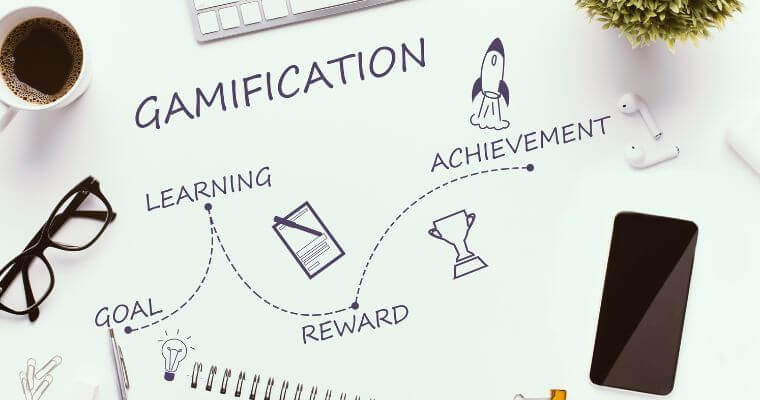
In today’s competitive digital landscape, keeping audiences engaged has become a significant challenge for businesses. Gamification—a marketing strategy that incorporates game elements into non-gaming environments—has emerged as a creative and effective solution. By adding elements like rewards, challenges, and leaderboards, businesses can transform customer interactions into enjoyable experiences, driving engagement, loyalty, and conversions.
This article explores the concept of gamification in marketing, its benefits, and actionable strategies to incorporate it into your campaigns.
What is Gamification in Marketing?
Gamification refers to the application of game-design elements and principles in non-gaming contexts, such as marketing campaigns. It taps into people’s natural desire for competition, achievement, and rewards, making the customer journey more interactive and engaging.
For example, loyalty programs that allow customers to earn points for purchases and unlock rewards are a classic form of gamification. Other examples include quizzes, interactive polls, and sweepstakes that motivate customers to take specific actions.
Why Gamification Matters
- Increases Engagement
Gamification transforms passive audience interactions into active participation, keeping users engaged with your brand longer.
- Improves Customer Retention
Reward systems and progress tracking encourage repeat interactions, fostering loyalty over time.
- Drives Conversions
By offering incentives like discounts or exclusive offers, gamification encourages users to complete desired actions, such as making a purchase or signing up for a service.
- Enhances Brand Perception
Fun and interactive experiences make your brand more memorable, leaving a positive impression on your audience.
- Encourages Social Sharing
Gamified campaigns often encourage users to share their achievements or participate in challenges with friends, increasing brand visibility.
Key Elements of Gamification in Marketing
- Points and Rewards
Offer points for actions like purchases, referrals, or social shares. These points can be redeemed for discounts, free products, or exclusive content.
- Progress Bars and Levels
Show users their progress toward completing a goal, such as unlocking a reward or reaching the next level of a loyalty program.
- Challenges and Quizzes
Create interactive tasks that users can complete for rewards. For example, quizzes that test knowledge or preferences can provide personalized recommendations.
- Leaderboards
Introduce friendly competition by ranking participants based on their performance, encouraging them to stay engaged and improve.
- Badges and Achievements
Award digital badges for completing specific actions, such as signing up for a newsletter or referring a friend, to motivate continued participation.
Strategies for Implementing Gamification in Marketing
- Create Interactive Loyalty Programs
- Design a loyalty program where customers earn points for every purchase or interaction.
- Offer exclusive rewards, such as VIP access, discounts, or free products, to incentivize continued engagement.
- Develop Gamified Content
- Integrate quizzes, polls, or trivia into your website or social media platforms.
- Use interactive content to educate users about your products while keeping them entertained.
- Run Contests and Giveaways
- Encourage participation by offering enticing prizes for challenges or contests.
- Use social media to promote the event and collect user-generated content.
- Incorporate AR/VR Experiences
- Leverage augmented reality (AR) or virtual reality (VR) to create immersive gamified experiences. For instance, a virtual treasure hunt could lead users to discover products or discounts.
- Use Spin-to-Win Campaigns
- Add a spin-the-wheel feature to your website, allowing users to win discounts, free shipping, or other perks in exchange for actions like signing up for a newsletter.
- Personalize Rewards
- Tailor incentives to individual preferences based on user behavior or demographics.
- Personalized experiences create a deeper connection with your audience.
Potential Scenarios for Gamified Marketing
- Seasonal Campaigns
Design a holiday-themed interactive game, such as a virtual advent calendar, where users can uncover daily offers or surprises.
- Product Launches
Create a gamified challenge where customers unlock clues or rewards as they learn about a new product, building anticipation and excitement.
- Educational Initiatives
Develop interactive modules or quizzes that educate users about your products or services while rewarding participation with discounts or exclusive content.
These scenarios not only keep audiences engaged but also align with broader marketing goals like boosting sales, raising awareness, or enhancing brand loyalty.
Tips for Successful Gamification
- Keep it Simple
Overcomplicating your gamified campaign can deter users. Focus on clear goals and straightforward mechanics.
- Align with Brand Goals
Ensure your gamification strategy complements your overall marketing objectives, such as increasing sign-ups, boosting sales, or building awareness.
- Incentivize Meaningful Actions
Reward behaviors that align with your goals, such as purchases, referrals, or social media engagement.
- Track and Optimize Performance
Use analytics tools to monitor participation rates, conversion rates, and user feedback. Refine your approach based on insights.
- Ensure Accessibility
Design campaigns that are easy to participate in across various devices and platforms, ensuring inclusivity for all users.
Challenges of Gamification
- Sustaining Interest
Users may lose interest if rewards are repetitive or the campaign lacks novelty. Regular updates and new challenges can help maintain engagement.
- Overuse of Incentives
Offering excessive rewards can diminish their perceived value and harm profitability. Strive for balance.
- Technical Complexity
Implementing gamified features, especially AR/VR elements or app-based campaigns, can require significant investment and technical expertise.
Final Takeaways
Gamification in marketing is a powerful tool to engage audiences, drive conversions, and build brand loyalty. By incorporating game elements like points, challenges, and rewards, businesses can create memorable experiences that keep customers coming back.
While implementing gamification requires creativity and careful planning, the rewards are well worth the effort. Whether through interactive content, loyalty programs, or immersive AR experiences, gamification offers endless possibilities for transforming marketing campaigns into engaging and rewarding adventures.