
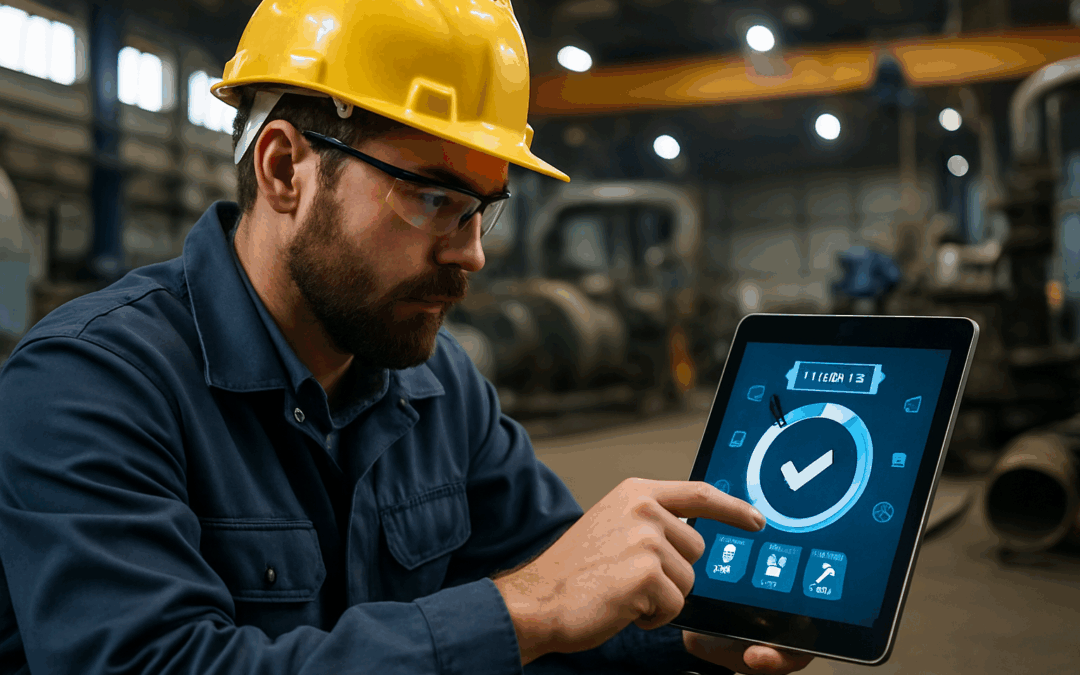
Industrial companies face challenges that many other sectors never experience. Workers operate in high risk environments. Safety procedures must be followed without exception. Training is ongoing and essential. Compliance requirements are strict and constantly evolving. In these conditions, keeping employees engaged can be difficult. Traditional training methods often struggle to hold attention, especially when workers are busy, tired, or managing physically demanding tasks. This is where gamification becomes a valuable strategy for industrial marketers and training teams.
Gamification uses game inspired elements to make learning, training, and engagement more enjoyable and interactive. When applied correctly, it helps companies strengthen safety cultures, improve knowledge retention, and encourage long term compliance. For organizations that want to modernize their approach, gamification offers a practical path that aligns with real world needs.
Why Gamification Matters in Industrial Environments
At first glance, gamification may seem like a strategy more suited to consumer apps or education platforms. In reality, it fits naturally into industrial settings because workers benefit from training that is clear, hands on, and rewarding. High risk industries depend on skilled workers who understand and follow procedures accurately. Making training more engaging helps companies reinforce these skills.
Several factors make gamification especially effective for industrial teams.
Workers respond well to interactive learning
Many industrial roles rely on practical, hands on tasks. Workers often prefer learning by doing rather than reading long manuals. Gamified learning uses quizzes, challenges, and interactive modules that match this preference.
Training must be updated frequently
Safety protocols and compliance standards change. Gamified platforms make it easier to deliver ongoing updates without overwhelming workers. New modules can be added in short, digestible formats.
Companies need to track retention and performance
Gamified systems generate data that reveals how well workers understand the material. This information helps training teams identify gaps before they become safety risks.
Motivation improves when progress is measurable
Recognition tools such as badges, points, and achievement levels give workers a sense of accomplishment. This motivates them to complete training with attention and effort.
How Gamification Supports Compliance and Safety
Compliance requires more than telling workers what to do. It requires consistent behavior and understanding. Gamification supports this in several ways.
It makes complex information easier to understand
Safety training often includes technical language, regulations, and detailed procedures. Gamified modules simplify the material by breaking it into smaller steps and using interactive visuals or scenario based choices.
It reinforces repetition without fatigue
Repetition strengthens memory. However, traditional repetition can feel boring. Gamified repetition keeps workers engaged by rewarding accuracy and improvement.
It encourages safe habits through simulated practice
Simulated challenges allow workers to make decisions in a controlled environment. These simulations help them understand potential hazards and the correct responses without facing real world danger.
It supports training in short sessions
Industrial shifts can be long and demanding. Gamified training can be completed in short intervals without losing progress. This flexibility benefits both workers and supervisors.
Ways Industrial Marketers Can Use Gamification
While gamification is commonly associated with internal training, it also plays an important role in marketing. Industrial buyers want to see the value of products clearly. Gamified content can help companies explain complex features, highlight safety benefits, and support decision making.
Here are several effective applications.
Interactive product demonstrations
Gamified demos allow buyers to click through features, explore product scenarios, and understand how equipment performs under specific conditions. This builds clarity and confidence.
Digital safety assessments
Industrial marketers can offer free assessments that score users on their safety practices. At the end, the assessment recommends products that solve the user’s challenges. This is both helpful and educational.
Compliance readiness quizzes
Short, gamified quizzes help companies identify whether their teams are ready to meet new regulations. These assessments position the brand as a knowledgeable partner and generate qualified leads.
Educational campaigns with rewards
Marketers can create campaigns that reward buyers for learning about new products or technologies. This may include completing modules, downloading guides, or participating in training challenges.
Building a Successful Gamification Strategy
Gamification only works when it is planned carefully. Industrial companies must consider the needs of workers, the structure of their training programs, and the goals of their marketing strategies.
The following steps will help guide an effective approach.
Start with clear objectives
Decide whether the goal is to improve safety training, increase compliance, explain product features, or generate new leads. The objective shapes every part of the gamification plan.
Keep the experience simple and focused
Gamification should make learning easier, not more complicated. Avoid unnecessary steps and ensure the design is intuitive for users at every skill level.
Use realistic scenarios
Industrial workers relate more to real world situations than abstract concepts. Authentic scenarios improve decision making and retention.
Provide immediate feedback
Gamified systems work best when users receive feedback as soon as they complete a challenge or answer a question. This helps reinforce correct behavior.
Reward progress and improvement
Badges, certificates, or performance levels give workers a sense of accomplishment. The goal is not to compete but to recognize growth.
Review performance data regularly
The data generated through gamified training can reveal common mistakes or areas where workers need additional support. This information strengthens future training programs.
The Future of Gamification in Industrial Sectors
As digital tools become more accessible, industrial companies are beginning to adopt new training and marketing methods. Gamification will continue to grow because it aligns with the needs of modern workforces. It creates an environment where learning feels practical, engaging, and relevant. It reduces the frustration associated with long training sessions and improves the accuracy of safety practices.
Gamification is more than a trend. It is a strategic approach that helps industrial companies support their workers, improve compliance, and communicate value more effectively.
