
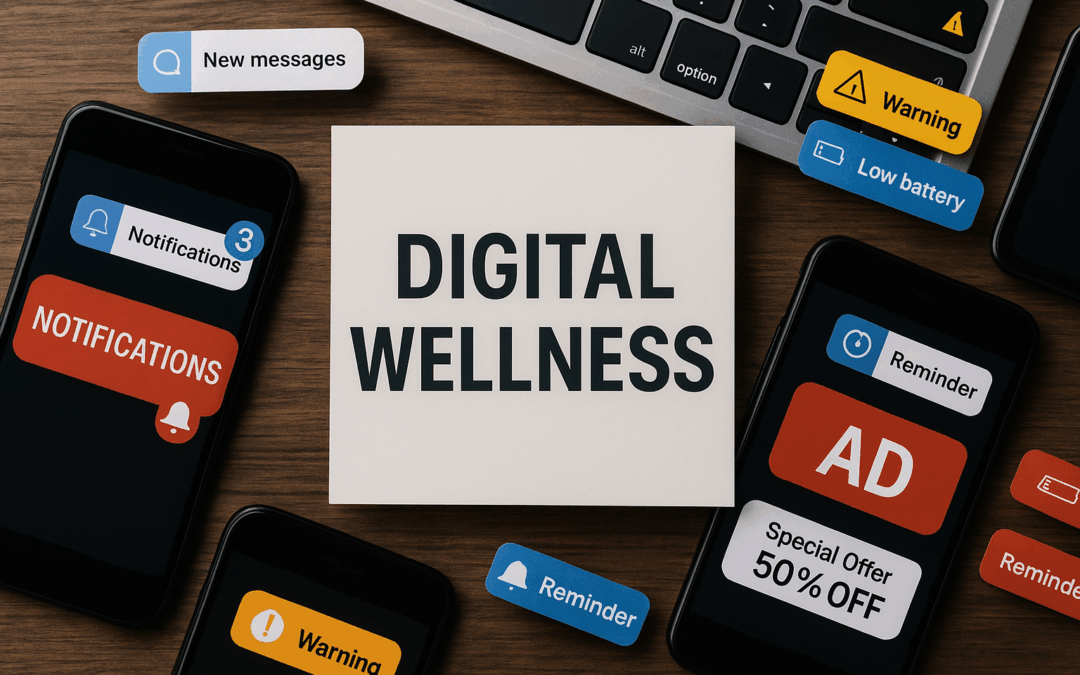
The digital world has become an always-on environment, filled with constant notifications, emails, and advertisements competing for attention. While technology enables brands to reach audiences with remarkable precision, it has also created a new challenge—attention fatigue.
Consumers are overwhelmed. Their screens are cluttered, their inboxes full, and their patience for intrusive or repetitive ads is shrinking. In this environment, brands that respect user attention will win trust and long-term loyalty.
Digital wellness marketing is about creating meaningful, mindful interactions with audiences—prioritizing quality, empathy, and timing over sheer volume.
What Is Digital Wellness Marketing
Digital wellness marketing focuses on aligning marketing strategies with users’ mental and emotional well-being. It emphasizes responsible engagement—respecting how, when, and how often consumers are reached.
Instead of overwhelming users with content, this approach seeks to deliver relevant, timely, and positive experiences that enhance, rather than interrupt, digital life.
It’s a mindset shift from “how many impressions can we get?” to “how can we make our impressions count?”
Why Respecting User Attention Matters
The average person is exposed to thousands of marketing messages every day. Pop-ups, push notifications, retargeting ads, and social feeds all compete for their attention. This constant bombardment leads to ad fatigue—where users start to ignore, skip, or block ads altogether.
When attention becomes scarce, authenticity and respect become the most valuable marketing currencies.
Here’s why attention-friendly marketing matters:
- User trust depends on experience. Overexposure and aggressive targeting can make customers feel exploited rather than valued.
- Engagement declines under overload. Even the best creative loses impact when audiences are burned out by excessive repetition.
- Regulations and privacy norms are evolving. Laws like GDPR and evolving ad restrictions reinforce the need for more ethical, user-centered engagement.
Digital wellness marketing isn’t just good ethics—it’s good business.
Understanding Ad Fatigue and Attention Decline
Ad fatigue occurs when audiences become desensitized to repetitive or irrelevant content. They stop noticing ads, skip videos, or even develop negative feelings toward a brand.
Signs of ad fatigue include:
- Decreasing click-through rates and engagement
- Rising cost per conversion
- Higher unsubscribe or opt-out rates
- Lower brand recall despite frequent exposure
Attention decline is the broader behavioral impact—users tuning out because digital content feels like noise. In such an environment, marketers must adapt to respect human limits and design strategies that balance visibility with empathy.
Principles of Digital Wellness Marketing
To practice digital wellness marketing effectively, brands should embrace a few key principles that place audience experience at the center.
Quality Over Quantity
Instead of saturating every platform, focus on crafting high-quality, relevant messages that resonate with specific segments. Fewer, better interactions often yield greater impact than constant exposure.
Context and Timing
Understanding when and where your audience is most receptive is crucial. Delivering the right message at the right moment increases relevance and reduces frustration.
For example, a travel brand promoting vacations might perform better during lunch hours or weekends than during the early morning work rush.
Respect for Boundaries
Avoid intrusive ad placements or frequency overload. Users should have control over how often they hear from you—through opt-ins, preferences, or quiet-period settings.
Transparency and Choice
Be clear about how and why you collect user data. Offering transparency and easy opt-out options builds credibility and strengthens brand trust.
Positive Impact
Digital wellness means aligning marketing with positive outcomes. Content that inspires, educates, or empowers users contributes to well-being rather than fatigue.
Strategies to Prevent Ad Exhaustion
Implementing digital wellness in marketing requires practical adjustments across channels and campaigns.
Limit Frequency and Optimize Delivery
Use frequency caps to prevent overexposure. If users see the same ad too often, they mentally tune out. Analytics tools can help you track engagement drop-offs and adjust delivery patterns.
Personalize Responsibly
Personalization should enhance relevance, not feel invasive. Focus on providing value—recommendations, reminders, or helpful insights—based on user behavior, not surveillance.
Responsible personalization strengthens relationships without crossing boundaries.
Refresh Creative Regularly
Rotating visuals, headlines, and formats keeps content fresh and prevents fatigue. Small changes can renew interest without increasing frequency.
Invest in Content That Adds Value
Educational or story-driven content tends to perform better in a wellness-focused strategy. Blogs, how-to videos, or social series that entertain or inform are more likely to engage users long-term.
Leverage User Control Tools
Encourage your audience to set preferences for communication channels and timing. Empowering users with choice enhances satisfaction and builds mutual respect.
Prioritize Ad Placement Quality
Choose placements that complement user experience—native ads, sponsored content, or contextual advertising—rather than interruptive pop-ups or auto-play videos.
Monitor Emotional Tone
AI and sentiment analysis tools can help assess how audiences respond to messaging. Campaigns that evoke positive emotion tend to create stronger engagement and lower fatigue levels.
Examples of Wellness-Focused Marketing
Many brands are already embracing digital wellness principles to strengthen their connection with audiences.
- Spotify limits push notifications and curates personalized “listening breaks” to encourage mindful media consumption.
- Apple’s Screen Time feature has inspired marketing campaigns focused on balance and intentional device use.
- Calm and Headspace build their marketing around the idea of mental clarity, using soft visuals and reassuring tones instead of aggressive selling.
These examples show that respecting attention can be just as powerful as capturing it.
Measuring Success in Attention-Friendly Marketing
Success in digital wellness marketing goes beyond clicks and conversions. The metrics that matter most focus on engagement quality and brand sentiment.
Key indicators include:
- Engagement rate per impression (not just total impressions)
- Dwell time or content interaction depth
- Customer satisfaction and net promoter score (NPS)
- Reduction in unsubscribe or ad-block rates
- Sentiment analysis of audience feedback
When audiences engage willingly and feel positive about your brand presence, you know your strategy is working.
The Future of Ethical Attention
As digital ecosystems become even more crowded, respecting attention will define the next phase of marketing excellence.
AI and automation will continue to help optimize timing and relevance—but human empathy will remain irreplaceable. Successful marketers will blend technology with emotional intelligence, ensuring that every message adds value rather than noise.
Digital wellness marketing isn’t about doing less—it’s about doing better. Brands that honor users’ time and mental space will stand out not through volume, but through meaning.
