
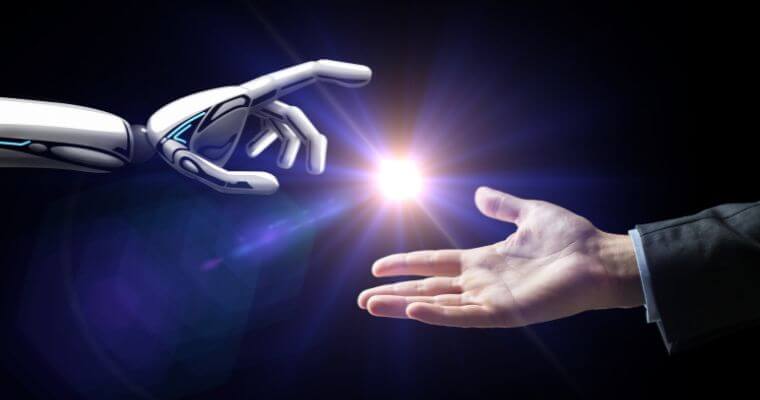
Marketing automation is not new, but the integration of artificial intelligence has fundamentally changed how automation works. What was once a rules-based system designed to save time has evolved into a dynamic, data-driven engine that optimizes campaigns in real time.
AI-powered marketing automation is reshaping how businesses plan, execute, and measure digital campaigns. By combining automation with machine learning and predictive insights, marketers can deliver more relevant experiences while improving efficiency and performance.
What AI-Powered Marketing Automation Really Is
Traditional marketing automation relies on predefined rules. Actions are triggered based on set conditions such as form submissions, email opens, or time delays.
AI-powered marketing automation goes further by learning from data patterns and adapting over time. Instead of relying solely on static workflows, AI analyzes behavior, predicts outcomes, and adjusts messaging, timing, and channel selection dynamically.
This shift allows automation to move from execution support to strategic optimization.
Why AI Is Transforming Automation Now
Several factors are accelerating the adoption of AI-driven automation.
Data volumes have increased significantly across digital channels. Customers expect personalized, timely communication. Competition has intensified, making efficiency and relevance more important than ever.
AI enables marketers to process complex datasets quickly and make decisions at a scale that manual workflows cannot match.
Key Benefits of AI-Powered Marketing Automation
AI-driven automation delivers value across multiple dimensions of campaign performance.
Smarter Personalization at Scale
AI enables personalization based on real-time behavior rather than static segments. Messaging can adapt based on browsing patterns, engagement history, and predicted intent.
This results in experiences that feel more relevant and less generic, even at scale.
Improved Timing and Channel Selection
AI analyzes when users are most likely to engage and which channels they prefer. Emails, ads, notifications, and content recommendations can be delivered at optimal moments.
Better timing improves open rates, click-through rates, and overall engagement.
Continuous Campaign Optimization
Instead of waiting for post-campaign analysis, AI-powered systems optimize campaigns while they are running. Creative variations, audience targeting, and budget allocation can be adjusted in near real time.
This reduces wasted spend and improves return on investment.
More Accurate Lead Scoring
AI-enhanced lead scoring evaluates behavioral signals more effectively than traditional scoring models. This helps marketing and sales teams prioritize prospects based on conversion likelihood rather than basic demographics.
More accurate scoring leads to higher-quality conversations and better alignment between teams.
Common Use Cases for AI-Powered Automation
AI-driven automation is being applied across the digital marketing ecosystem.
In email marketing, AI personalizes subject lines, content blocks, and send times. In paid media, it optimizes bids and audience targeting. In content marketing, it recommends topics and formats based on predicted performance.
AI is also being used to better understand customer emotion and intent, an application explored in the Online Marketing Goddess article AI-Powered Sentiment Analysis: Using Emotional Insights to Shape Marketing Campaigns. These emotional signals can inform automation logic and improve message relevance.
Customer journey orchestration is another key area. AI helps coordinate messaging across channels to create cohesive experiences rather than disconnected touchpoints.
How AI Improves Customer Journeys
Customer journeys are rarely linear. AI-powered automation adapts to this reality by responding to individual behavior rather than forcing users through rigid funnels.
When a customer skips steps, revisits content, or disengages temporarily, AI can adjust the journey accordingly. This flexibility improves user experience and reduces friction.
Over time, AI learns which journeys lead to the best outcomes and prioritizes those paths.
Data Requirements for Effective AI Automation
AI is only as effective as the data that powers it. High-quality, well-structured data is essential.
Key data sources include website behavior, CRM data, email engagement, transaction history, and customer support interactions. Integrating these sources creates a more complete view of the customer.
Data governance and accuracy are critical. Inconsistent or incomplete data reduces the reliability of AI-driven decisions.
Challenges and Considerations
Despite its benefits, AI-powered marketing automation presents challenges.
One challenge is transparency. Marketers must understand how decisions are made to maintain control and trust. Another is overreliance. AI should augment human strategy, not replace it entirely.
There are also ethical considerations. Responsible data use, privacy compliance, and clear consent practices must guide automation efforts.
Integrating AI Automation Into Existing Workflows
Successful adoption requires more than technology. Teams need clear goals, training, and alignment.
Start by identifying areas where automation can deliver the greatest impact. Pilot programs allow teams to test AI capabilities without overhauling entire systems.
Collaboration between marketing, data, and IT teams ensures AI tools integrate smoothly with existing platforms.
Measuring the Impact of AI-Powered Automation
Performance should be measured using both efficiency and outcome-based metrics.
Key indicators include conversion rates, engagement quality, cost efficiency, pipeline contribution, and customer lifetime value. Over time, AI-driven automation should reduce manual effort while improving consistency and results.
Continuous evaluation helps refine models and improve performance.
The Future of AI in Marketing Automation
AI-powered automation will continue to evolve. Advances in natural language processing, predictive modeling, and real-time decisioning will further enhance personalization and orchestration.
As AI becomes more embedded in marketing platforms, the distinction between strategy and execution will blur. Marketers will spend less time managing workflows and more time guiding strategic direction.
Balancing Automation With Human Insight
While AI offers powerful capabilities, human judgment remains essential. Creativity, empathy, and strategic thinking cannot be automated.
The most effective marketing teams use AI as a partner rather than a replacement. Automation handles complexity and scale, while humans provide context, vision, and ethical oversight.
Redefining Campaign Performance With AI
AI-powered marketing automation is redefining what effective campaigns look like. Success is no longer measured solely by speed or volume, but by relevance, adaptability, and sustained impact.
By embracing AI-driven automation thoughtfully, businesses can improve campaign performance, deepen customer relationships, and stay competitive in an increasingly complex digital landscape.
