
by Research Team | Jan 14, 2025 | Artificial Intelligence, Customer Experience, Digital Marketing
n today’s competitive digital landscape, businesses must go beyond traditional personalization strategies to stand out. Enter hyper-personalization—a cutting-edge approach that uses advanced technologies like artificial intelligence (AI) and machine learning to deliver highly customized experiences. By leveraging AI, businesses can analyze vast amounts of customer data in real-time to create marketing campaigns that resonate on an individual level. This blog post explores how hyper-personalization works, its benefits, and practical ways to implement it effectively.
What is Hyper-Personalization?
Hyper-personalization is the process of using AI and real-time data to tailor marketing messages, product recommendations, and customer interactions to individual preferences and behaviors. Unlike traditional personalization, which often relies on broad demographic or segment data, hyper-personalization delves deeper into:
- Behavioral Data: Understanding how customers interact with a brand’s website, app, or social media channels.
- Transactional Data: Analyzing past purchases, browsing history, and cart activity.
- Contextual Data: Factoring in time of day, location, and device usage.
By combining these data points, businesses can deliver highly relevant and timely experiences.
The Role of AI in Hyper-Personalization
AI is the driving force behind hyper-personalization. Incorporating AI in hyper-personalization empowers businesses to process data more effectively and deliver impactful strategies. Here’s how it powers this approach:
- Data Collection and Analysis AI tools can process vast amounts of structured and unstructured data from multiple sources, including CRM systems, social media, and web analytics. These insights help marketers understand individual customer journeys.
- Predictive Analytics Machine learning algorithms predict customer preferences and behaviors, enabling proactive recommendations. For example, an AI-powered system might suggest products based on browsing history or send reminders for abandoned carts.
- Dynamic Content Delivery AI enables real-time customization of website content, emails, and advertisements. For instance, a website homepage can dynamically change to display products most relevant to a returning visitor.
Benefits of Hyper-Personalization
1. Enhanced Customer Experience
Customers today expect brands to understand their needs and preferences. Hyper-personalization meets these expectations by delivering:
- Relevant product recommendations.
- Tailored email campaigns.
- Seamless omnichannel experiences.
2. Increased Engagement and Conversion Rates
By presenting customers with content that aligns with their interests, hyper-personalization drives higher engagement. This often translates to improved click-through rates, longer site visits, and higher conversion rates.
3. Stronger Customer Loyalty
Personalized experiences foster trust and loyalty. When customers feel valued, they’re more likely to return and recommend the brand to others.
4. Optimized Marketing ROI
Hyper-personalization ensures marketing efforts are targeted and efficient, reducing wasteful ad spending and maximizing returns.
How to Implement Hyper-Personalization in Digital Marketing
1. Invest in AI and Machine Learning Tools
To harness the power of hyper-personalization, businesses need advanced AI tools capable of analyzing customer data and delivering actionable insights. Popular solutions include:
- Salesforce Einstein: Offers AI-powered recommendations for email, web, and mobile.
- Adobe Sensei: Enables personalized experiences across digital touchpoints.
- Dynamic Yield: Specializes in real-time personalization.
2. Leverage Real-Time Data
Real-time data is essential for hyper-personalization. Leverage real-time data for marketing personalization with tools that can:
- Track user behavior in real-time.
- Update customer profiles dynamically.
- Deliver personalized content instantly.
3. Create Dynamic Email Campaigns
Emails are a powerful tool for hyper-personalization. Strategies include:
- Dynamic subject lines tailored to recipient preferences.
- Personalized product recommendations based on past purchases.
- Location-specific offers and updates.
4. Use Predictive Analytics for Targeting
Predictive analytics enables businesses to anticipate customer needs. For example:
- An e-commerce store can recommend seasonal items before peak demand.
- A streaming service can suggest content based on viewing habits.
5. Test and Optimize
Regularly test and refine your hyper-personalization strategies to ensure they remain effective. A/B testing, customer feedback, and performance metrics can help identify areas for improvement.
Expanding the Role of Hyper-Personalization
Hyper-personalization extends beyond traditional marketing channels and now integrates into broader customer relationship strategies. By tailoring experiences across multiple touchpoints—such as in-app notifications, loyalty programs, and customer support interactions—businesses can create cohesive and meaningful connections with their audiences. For example, integrating hyper-personalization into loyalty programs allows companies to reward customers with offers or experiences uniquely suited to their preferences, fostering deeper engagement and long-term loyalty.
Challenges of Hyper-Personalization
While hyper-personalization offers significant benefits, it also comes with challenges:
- Data Privacy Concerns: Collecting and analyzing customer data must comply with privacy regulations like GDPR and CCPA.
- Resource Intensive: Implementing hyper-personalization requires significant investment in technology and expertise.
- Over-Personalization: Excessive personalization can feel intrusive, leading to customer discomfort.
Future Trends in Hyper-Personalization
- AI-Driven Chatbots: Chatbots will become more intelligent, offering personalized recommendations and support in real-time.
- Voice Commerce: As voice search grows, businesses will need to tailor their hyper-personalization strategies for voice-enabled interactions.
- Personalized Video Content: AI will enable the creation of dynamic video ads tailored to individual viewers.
Final Insights
Hyper-personalization is revolutionizing digital marketing by enabling brands to connect with customers on a deeper, more meaningful level, highlighting the benefits of hyper-personalization in marketing. By leveraging AI-powered personalization strategies and real-time data, businesses can deliver experiences that not only meet but exceed customer expectations. As technology continues to advance, adopting hyper-personalization will be essential for staying competitive in the ever-evolving digital marketplace.

by Research Team | Dec 17, 2024 | Advertising, Customer Experience, Digital Marketing
In an age of global connectivity, hyperlocal marketing has emerged as a powerful strategy to connect with audiences on a more personal and immediate level. By targeting specific geographic areas, hyperlocal marketing helps businesses engage customers in their vicinity, driving foot traffic, boosting local sales, and building community loyalty.
This article explores what hyperlocal marketing entails, its benefits, and effective strategies to implement it for your business.
What is Hyperlocal Marketing?
Hyperlocal marketing focuses on targeting customers within a highly specific geographic area, often in real-time. It aims to attract nearby customers by using location-based advertising, personalized messaging, and local events.
Common examples include:
- Promoting offers to people near your store through mobile notifications.
- Advertising on local social media pages.
- Optimizing your Google My Business (GMB) listing for better visibility in local searches.
Why Hyperlocal Marketing Matters
- Captures Immediate Attention
Hyperlocal marketing targets customers who are nearby and more likely to act quickly, such as visiting a store or attending an event.
- Improves Personalization
By tailoring content and offers to local preferences, businesses can create a more personalized experience for their audience.
- Boosts Local SEO
Optimizing for local searches increases your business’s visibility on platforms like Google Maps and search engines.
- Increases Foot Traffic
Targeting customers in close proximity encourages them to visit your physical location, boosting in-store sales.
- Strengthens Community Connections
Engaging with local communities fosters loyalty and trust, helping businesses build long-term relationships with customers.
Key Hyperlocal Marketing Strategies
- Optimize Your Google My Business Profile
- Keep your GMB listing updated with accurate business hours, contact information, and photos.
- Encourage customers to leave reviews, as they improve visibility and credibility.
- Use GMB posts to highlight promotions, events, or updates.
- Use Geotargeted Ads
- Run location-based ads on platforms like Google Ads, Facebook, and Instagram to reach users within a specific radius.
- Example: A coffee shop promoting morning deals to people within a one-mile radius during peak commute hours.
- Leverage Social Media
- Engage with local hashtags and groups on platforms like Instagram and Facebook to connect with nearby audiences.
- Collaborate with local influencers who have a strong community presence.
- Create Localized Content
- Write blog posts, guides, or videos tailored to your area, such as “The Best Coffee Spots in [City Name].”
- Highlight your involvement in local events or partnerships with community organizations.
- Offer Location-Based Promotions
- Use mobile push notifications or SMS to alert customers of special deals when they are near your store.
- Example: A boutique sending a 20% discount code to users within a specific neighborhood.
- Partner with Local Businesses
- Collaborate with complementary businesses to cross-promote products or services.
- Example: A gym teaming up with a nearby smoothie shop for joint discounts.
- Host Local Events
- Organize or sponsor events that bring the community together, such as pop-up markets, workshops, or charity drives.
- Use these events to showcase your products and connect with attendees.
- Implement Geofencing Technology
- Use geofencing to create virtual boundaries around specific locations and deliver targeted ads or notifications when customers enter the area.
- Example: A restaurant sending lunch specials to people near an office district.
Measuring Hyperlocal Marketing Success
- Local Website Traffic
Monitor how many users from your targeted area visit your website or interact with your content.
- In-Store Visits
Track foot traffic to your physical location using tools like Google Analytics or in-store data collection systems.
- Conversion Rates
Measure the effectiveness of hyperlocal campaigns by tracking sales or sign-ups generated within the targeted area.
- Engagement Metrics
Analyze likes, comments, shares, and clicks on geotargeted ads or localized social media posts.
- Customer Reviews and Feedback
Positive reviews and testimonials can indicate how well your hyperlocal efforts resonate with your audience.
Challenges of Hyperlocal Marketing
- Limited Reach
Focusing on a narrow geographic area may restrict the overall audience size.
- Solution: Combine hyperlocal strategies with broader campaigns for a balanced approach.
- Competition for Local Attention
Many businesses target the same geographic areas, increasing competition.
- Solution: Differentiate your campaigns by offering unique value or experiences.
- Tracking Effectiveness
Measuring the direct impact of hyperlocal marketing can be challenging.
- Solution: Use analytics tools and trackable links to monitor performance.
Key Takeaways
Hyperlocal marketing is an effective way to engage customers in your immediate vicinity, drive foot traffic, and build strong community connections. By leveraging tools like Google My Business, geotargeted ads, and local partnerships, businesses can create personalized experiences that resonate with nearby audiences.
When executed thoughtfully, hyperlocal marketing not only boosts sales but also strengthens customer loyalty and brand presence within the community. Embracing this strategy ensures that your business remains visible and relevant in a highly competitive local market.

by Research Team | Dec 8, 2024 | Customer Experience, Digital Marketing
In today’s competitive digital landscape, understanding your customers’ journey is essential for delivering a seamless and personalized experience. Customer journey mapping provides a visual representation of the steps customers take to interact with your brand, from awareness to purchase and beyond. By mapping this journey, businesses can identify pain points, optimize touchpoints, and refine their digital strategies for greater efficiency and impact.
This article explores the importance of customer journey mapping, the steps to create one, and how it can be used to enhance your digital marketing efforts.
What is a Customer Journey Map?
A customer journey map is a diagram or visual representation of the steps a customer takes when engaging with your brand. It outlines key stages, such as:
- Awareness: When the customer becomes aware of your brand or product.
- Consideration: When they research and evaluate your offerings.
- Decision: When they make a purchase or conversion.
- Retention: When they engage with your brand post-purchase, such as through loyalty programs or support.
- Advocacy: When they recommend your brand to others.
Journey maps provide insights into customer behaviors, emotions, and motivations, enabling businesses to tailor their strategies accordingly.
Why is Customer Journey Mapping Important?
- Improves Customer Experience
By understanding the customer’s perspective, businesses can identify and address pain points, creating a smoother and more enjoyable experience.
- Enhances Personalization
Journey mapping allows brands to deliver the right message at the right time, based on the customer’s stage in their journey.
- Aligns Teams Around Customer Needs
A unified journey map ensures that marketing, sales, and support teams work together to meet customer expectations.
- Identifies Gaps in the Funnel
Mapping highlights areas where customers drop off, helping businesses refine their strategies to reduce churn.
- Boosts ROI
A well-optimized customer journey leads to higher engagement, better conversions, and increased loyalty, maximizing the return on marketing investments.
Steps to Create a Customer Journey Map
- Define Your Objectives
- Determine the purpose of the journey map. Are you looking to improve onboarding, reduce cart abandonment, or increase loyalty?
- Align the map’s focus with your business goals.
- Identify Customer Personas
- Develop detailed profiles of your target audience, including demographics, behaviors, and pain points.
- Use surveys, interviews, and analytics to gather data about your customers.
- Map Out Touchpoints
- List all the ways customers interact with your brand, such as websites, social media, email, or in-store visits.
- Identify the most critical touchpoints for each stage of the journey.
- Understand Customer Goals and Emotions
- Determine what customers aim to achieve at each stage and how they feel about their interactions.
- Identify potential barriers or frustrations they might encounter.
- Visualize the Journey
- Use tools like flowcharts, diagrams, or specialized software to create a clear and engaging map.
- Ensure the map highlights the stages, touchpoints, and customer emotions.
- Analyze and Optimize
- Identify areas where improvements are needed, such as reducing friction in the buying process or enhancing post-purchase support.
- Implement changes and monitor their impact.
Using Customer Journey Maps to Refine Your Digital Strategy
- Optimize Content at Every Stage
- Tailor your content strategy to address customer needs at each stage of the journey.
- Example: Use educational blog posts for the awareness stage and detailed product demos for the consideration stage.
- Improve Website UX
- Simplify navigation, speed up loading times, and create intuitive layouts to enhance the user experience.
- Ensure mobile-friendliness, as a significant portion of users access websites on mobile devices.
- Leverage Data for Personalization
- Use insights from journey maps to deliver personalized emails, recommendations, or ads that resonate with individual customers.
- Example: Send reminders for abandoned carts or suggest complementary products post-purchase.
- Integrate Omnichannel Strategies
- Ensure consistency across all channels, whether customers interact with your brand online, through social media, or in-store.
- Use tools like CRM systems to centralize customer data for a cohesive experience.
- Strengthen Customer Retention
- Use journey maps to develop loyalty programs, improve customer support, and create re-engagement campaigns.
- Example: Offer discounts or exclusive content to returning customers.
Challenges in Customer Journey Mapping
- Complexity of Customer Behavior
- Customers often take nonlinear paths, making it difficult to map every possible scenario.
- Solution: Focus on the most common and critical journeys.
- Data Silos
- Inconsistent or incomplete data across departments can hinder the accuracy of journey maps.
- Solution: Invest in integrated tools and foster cross-team collaboration.
- Time-Intensive Process
- Creating a detailed journey map requires significant time and effort.
- Solution: Start with a simple map and refine it over time as you gather more data.
Tools for Customer Journey Mapping
- Canva or Lucidchart: For creating visually appealing journey maps.
- Google Analytics: For tracking user behavior and identifying key touchpoints.
- HubSpot or Salesforce: For integrating customer data across teams and platforms.
- Hotjar or Crazy Egg: For understanding user interactions through heatmaps and session recordings.
Key Insights
Customer journey mapping is a powerful tool for refining your digital strategy and creating a seamless experience that resonates with your audience. By understanding customer behaviors, motivations, and pain points, businesses can optimize every touchpoint and improve overall satisfaction.
With the right tools, data, and a customer-first mindset, journey mapping can unlock new opportunities for growth, helping your brand stand out in today’s competitive landscape. Whether you’re addressing gaps in the funnel, personalizing interactions, or enhancing retention, a well-crafted customer journey map is the key to success.
by Research Team | Oct 29, 2024 | Customer Experience, Digital Marketing, Gamification Marketing
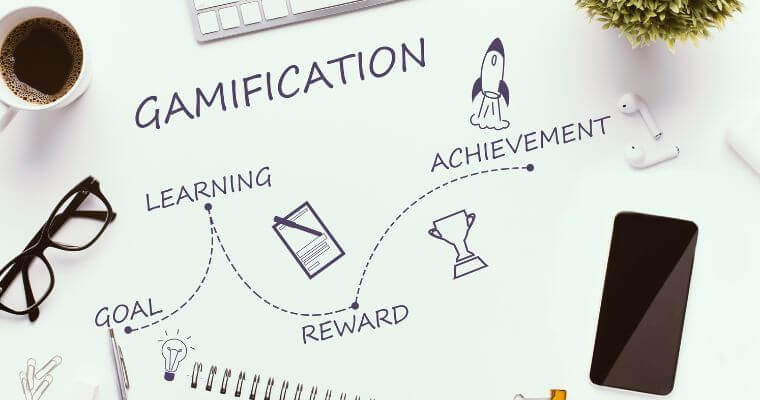
In today’s competitive digital landscape, keeping audiences engaged has become a significant challenge for businesses. Gamification—a marketing strategy that incorporates game elements into non-gaming environments—has emerged as a creative and effective solution. By adding elements like rewards, challenges, and leaderboards, businesses can transform customer interactions into enjoyable experiences, driving engagement, loyalty, and conversions.
This article explores the concept of gamification in marketing, its benefits, and actionable strategies to incorporate it into your campaigns.
What is Gamification in Marketing?
Gamification refers to the application of game-design elements and principles in non-gaming contexts, such as marketing campaigns. It taps into people’s natural desire for competition, achievement, and rewards, making the customer journey more interactive and engaging.
For example, loyalty programs that allow customers to earn points for purchases and unlock rewards are a classic form of gamification. Other examples include quizzes, interactive polls, and sweepstakes that motivate customers to take specific actions.
Why Gamification Matters
- Increases Engagement
Gamification transforms passive audience interactions into active participation, keeping users engaged with your brand longer.
- Improves Customer Retention
Reward systems and progress tracking encourage repeat interactions, fostering loyalty over time.
- Drives Conversions
By offering incentives like discounts or exclusive offers, gamification encourages users to complete desired actions, such as making a purchase or signing up for a service.
- Enhances Brand Perception
Fun and interactive experiences make your brand more memorable, leaving a positive impression on your audience.
- Encourages Social Sharing
Gamified campaigns often encourage users to share their achievements or participate in challenges with friends, increasing brand visibility.
Key Elements of Gamification in Marketing
- Points and Rewards
Offer points for actions like purchases, referrals, or social shares. These points can be redeemed for discounts, free products, or exclusive content.
- Progress Bars and Levels
Show users their progress toward completing a goal, such as unlocking a reward or reaching the next level of a loyalty program.
- Challenges and Quizzes
Create interactive tasks that users can complete for rewards. For example, quizzes that test knowledge or preferences can provide personalized recommendations.
- Leaderboards
Introduce friendly competition by ranking participants based on their performance, encouraging them to stay engaged and improve.
- Badges and Achievements
Award digital badges for completing specific actions, such as signing up for a newsletter or referring a friend, to motivate continued participation.
Strategies for Implementing Gamification in Marketing
- Create Interactive Loyalty Programs
- Design a loyalty program where customers earn points for every purchase or interaction.
- Offer exclusive rewards, such as VIP access, discounts, or free products, to incentivize continued engagement.
- Develop Gamified Content
- Integrate quizzes, polls, or trivia into your website or social media platforms.
- Use interactive content to educate users about your products while keeping them entertained.
- Run Contests and Giveaways
- Encourage participation by offering enticing prizes for challenges or contests.
- Use social media to promote the event and collect user-generated content.
- Incorporate AR/VR Experiences
- Leverage augmented reality (AR) or virtual reality (VR) to create immersive gamified experiences. For instance, a virtual treasure hunt could lead users to discover products or discounts.
- Use Spin-to-Win Campaigns
- Add a spin-the-wheel feature to your website, allowing users to win discounts, free shipping, or other perks in exchange for actions like signing up for a newsletter.
- Personalize Rewards
- Tailor incentives to individual preferences based on user behavior or demographics.
- Personalized experiences create a deeper connection with your audience.
Potential Scenarios for Gamified Marketing
- Seasonal Campaigns
Design a holiday-themed interactive game, such as a virtual advent calendar, where users can uncover daily offers or surprises.
- Product Launches
Create a gamified challenge where customers unlock clues or rewards as they learn about a new product, building anticipation and excitement.
- Educational Initiatives
Develop interactive modules or quizzes that educate users about your products or services while rewarding participation with discounts or exclusive content.
These scenarios not only keep audiences engaged but also align with broader marketing goals like boosting sales, raising awareness, or enhancing brand loyalty.
Tips for Successful Gamification
- Keep it Simple
Overcomplicating your gamified campaign can deter users. Focus on clear goals and straightforward mechanics.
- Align with Brand Goals
Ensure your gamification strategy complements your overall marketing objectives, such as increasing sign-ups, boosting sales, or building awareness.
- Incentivize Meaningful Actions
Reward behaviors that align with your goals, such as purchases, referrals, or social media engagement.
- Track and Optimize Performance
Use analytics tools to monitor participation rates, conversion rates, and user feedback. Refine your approach based on insights.
- Ensure Accessibility
Design campaigns that are easy to participate in across various devices and platforms, ensuring inclusivity for all users.
Challenges of Gamification
- Sustaining Interest
Users may lose interest if rewards are repetitive or the campaign lacks novelty. Regular updates and new challenges can help maintain engagement.
- Overuse of Incentives
Offering excessive rewards can diminish their perceived value and harm profitability. Strive for balance.
- Technical Complexity
Implementing gamified features, especially AR/VR elements or app-based campaigns, can require significant investment and technical expertise.
Final Takeaways
Gamification in marketing is a powerful tool to engage audiences, drive conversions, and build brand loyalty. By incorporating game elements like points, challenges, and rewards, businesses can create memorable experiences that keep customers coming back.
While implementing gamification requires creativity and careful planning, the rewards are well worth the effort. Whether through interactive content, loyalty programs, or immersive AR experiences, gamification offers endless possibilities for transforming marketing campaigns into engaging and rewarding adventures.

by Research Team | Aug 11, 2024 | Customer Experience, Email Marketing
Email marketing remains one of the most reliable and cost-effective ways to engage customers and drive conversions. With a carefully crafted email marketing strategy, businesses can nurture relationships, increase brand loyalty, and generate sales. In this guide, we’ll explore the essentials of building a successful email marketing strategy that promotes consistent engagement with your audience.
Why Email Marketing is Still Relevant
In a world dominated by social media and new digital channels, email marketing continues to prove its effectiveness. According to research, email marketing can yield an impressive return on investment (ROI), often generating $42 for every dollar spent. Email also provides a direct, personal line to your customers, allowing for tailored messaging and ongoing engagement.
With the right approach, email marketing enables you to:
- Build relationships with both new and existing customers
- Increase brand awareness and keep customers informed
- Drive traffic to your website or online store
- Boost sales through promotions, discounts, and product recommendations
Step 1: Define Your Goals and Audience
Like any marketing strategy, email marketing requires clear goals. Common objectives for email marketing include:
- Building brand awareness: Introduce new customers to your brand and products.
- Engaging and nurturing leads: Guide potential customers through the sales funnel.
- Promoting sales and special offers: Boost revenue with timely discounts and promotions.
- Enhancing customer retention: Strengthen loyalty with ongoing communication.
Once you’ve identified your goals, define your target audience. Consider segmenting your audience based on demographics, purchasing behavior, or engagement levels. This segmentation allows you to create personalized content that resonates with each group, improving engagement rates.
Step 2: Build a High-Quality Email List
Your email marketing strategy begins with a quality email list. Rather than buying an email list, which can lead to low engagement and even spam complaints, focus on organic list-building methods:
- Create a sign-up form on your website: Place it prominently on your homepage, blog, and contact page.
- Offer lead magnets: Entice potential subscribers with valuable content such as eBooks, guides, or exclusive discounts.
- Leverage social media: Encourage followers to subscribe for access to exclusive content or promotions.
The goal is to build a list of engaged subscribers who are genuinely interested in your brand, which will lead to better open and click-through rates.
Step 3: Choose the Right Email Marketing Platform
An effective email marketing platform is essential for managing your campaigns and tracking performance. Popular options like Mailchimp, Constant Contact, and HubSpot offer tools for:
- Automation: Schedule and send targeted emails based on user behavior or specific triggers.
- Segmentation: Divide your audience into different groups based on demographics, behavior, or interests.
- Analytics: Track metrics such as open rates, click-through rates, and conversions to evaluate the success of each campaign.
These platforms also offer customizable templates, making it easy to create visually appealing emails that align with your brand.
Step 4: Create Valuable, Engaging Content
Content is the heart of your email marketing strategy. For consistent engagement, your emails should be relevant, valuable, and well-crafted. Consider the following tips:
- Personalize whenever possible: Use the subscriber’s name and tailor content to their preferences. Personalized subject lines and content have been shown to increase open rates and engagement.
- Use clear and compelling subject lines: Your subject line is the first thing subscribers see, so it should be attention-grabbing and concise. Avoid clickbait and focus on delivering genuine value.
- Include a strong call-to-action (CTA): Make it clear what you want the reader to do next—whether it’s visiting your website, downloading a guide, or making a purchase.
- Add visuals and formatting: Images, buttons, and short paragraphs make your email visually appealing and easy to read.
Types of emails to consider include:
- Newsletters: Share company news, blog posts, or industry insights on a regular basis.
- Promotional emails: Highlight sales, discounts, or new products.
- Welcome emails: Introduce new subscribers to your brand and encourage engagement.
- Re-engagement emails: Reach out to inactive subscribers with special offers or incentives to re-engage.
Step 5: Use Automation to Improve Efficiency
Email automation allows you to send timely, personalized messages without constant manual effort. By setting up automated workflows, you can ensure that subscribers receive relevant content based on their behavior and preferences. Examples of automated email sequences include:
- Welcome series: A sequence of emails that introduces new subscribers to your brand and encourages engagement.
- Abandoned cart reminders: Encourage customers to complete their purchase if they leave items in their cart.
- Post-purchase follow-ups: Thank customers for their purchase and provide additional product recommendations or usage tips.
Automation not only saves time but also improves engagement by delivering content that aligns with each customer’s journey.
Step 6: Test and Optimize Your Emails
To ensure your emails are performing optimally, regular testing and optimization are essential. A/B testing (also known as split testing) is a valuable method for identifying what resonates with your audience. Test different aspects of your emails, such as:
- Subject lines: Experiment with different wording, length, and styles.
- CTA buttons: Try varying the text, color, and placement of your calls to action.
- Email layout and visuals: Test different designs, image placements, and formatting.
By analyzing the results of these tests, you can make informed adjustments to improve your email marketing performance.
Step 7: Measure Success with Key Metrics
Tracking key metrics is essential to understand how well your email campaigns are performing. Important metrics to monitor include:
- Open rate: The percentage of recipients who opened your email. A low open rate could indicate that your subject line needs improvement.
- Click-through rate (CTR): The percentage of recipients who clicked on a link in your email. This metric shows how effective your content and CTAs are.
- Conversion rate: The percentage of recipients who completed the desired action, such as making a purchase or signing up for an event.
- Unsubscribe rate: The percentage of recipients who opted out of your emails. A high unsubscribe rate may indicate that your content isn’t resonating with your audience.
Regularly reviewing these metrics allows you to identify areas for improvement and fine-tune your strategy for better results.
Step 8: Keep Your Email List Clean and Engaged
Maintaining a clean email list is vital for effective email marketing. Regularly removing inactive subscribers can help improve your open rates and reduce the likelihood of your emails being marked as spam. Some tips for keeping your list healthy include:
- Sending re-engagement campaigns: Reach out to inactive subscribers with special offers or personalized content to win them back.
- Allowing easy opt-outs: Make it easy for subscribers to unsubscribe if they’re no longer interested, which helps keep your list engaged.
- Monitoring engagement levels: Regularly assess your list for inactive subscribers and remove or re-engage them as needed.
A clean, engaged list leads to better deliverability rates, higher engagement, and improved campaign performance.
Wrapping Up
Email marketing continues to be a vital channel for building lasting relationships, boosting sales, and keeping your audience engaged. By setting clear objectives, crafting valuable content, and leveraging automation, you can establish a results-driven email marketing strategy that nurtures customer connections. Don’t forget to measure your outcomes and make data-informed adjustments to ensure continuous improvement. With the right strategy in place, email marketing can serve as a key driver for your business’s growth and customer loyalty.

by Research Team | Jul 25, 2024 | Customer Experience, Digital Marketing
In an era of personalized marketing, understanding customer behavior is more critical than ever. Behavioral targeting allows businesses to deliver more relevant, personalized ads based on how customers interact with websites, apps, and other digital platforms. By utilizing behavioral data, brands can create tailored ad experiences that speak directly to the user’s interests and needs, driving higher engagement and conversions.
In this post, we’ll explore how to use behavioral targeting to personalize your digital ads, the benefits of this strategy, and best practices to implement it effectively.
What is Behavioral Targeting?
Behavioral targeting is a marketing technique that uses data on users’ online activities to display more relevant advertisements. This data can include the pages they visit, the searches they conduct, the products they view, and the content they engage with. Rather than showing generic ads to a broad audience, behavioral targeting allows advertisers to deliver ads tailored to the specific actions, preferences, and interests of individual users.
By collecting this behavioral data through cookies, tracking pixels, or other forms of online tracking, businesses can build user profiles and segment audiences more effectively. This helps create highly personalized ad experiences that resonate with users at different stages of their buyer journey.
Why Behavioral Targeting Matters in Digital Advertising
Increased Relevance and Engagement
Consumers are bombarded with ads across digital platforms, making it essential for brands to cut through the noise. Behavioral targeting ensures that the ads users see are aligned with their recent behaviors and interests, making them more relevant. When users see ads that speak to their specific needs or browsing patterns, they are more likely to engage, click, and ultimately convert.
For example, if a user has been browsing vacation packages, an ad offering discounted flights to their desired destination would be far more engaging than a generic travel ad. Behavioral targeting provides this level of personalization, driving better ad performance.
Improved Conversion Rates
Personalized ads have a higher chance of converting prospects into customers. By using behavioral data, businesses can identify users who have shown interest in specific products or services and retarget them with ads that address their preferences. This precision targeting reduces wasted ad spend and increases the likelihood of conversion.
For instance, a user who abandoned their shopping cart on an e-commerce website can be retargeted with an ad showcasing the exact products they left behind, along with an incentive like free shipping or a discount. These personalized ads can serve as a reminder and nudge users to complete their purchase.
Enhanced User Experience
Personalization in advertising doesn’t just benefit businesses—it improves the user experience as well. Users prefer to see ads that are relevant to their interests and needs rather than generic messages that don’t resonate. Behavioral targeting helps ensure that ads are useful and timely, providing value to users while encouraging them to take action.
This approach also reduces the likelihood of ad fatigue, where users become frustrated by irrelevant ads and start ignoring or blocking them. With behavioral targeting, users are more likely to welcome ads that are aligned with their online activity.
How to Implement Behavioral Targeting for Personalized Digital Ads
Collect and Analyze Behavioral Data
The first step in utilizing behavioral targeting is to collect and analyze user behavior data. This data can come from a variety of sources, such as:
- Website interactions: Pages visited, time spent on site, and products viewed.
- Search history: Keywords entered into search engines or internal site search bars.
- Purchasing behavior: Items added to cart, purchases made, and products left in the cart.
- Engagement with content: Articles read, videos watched, or social media interactions.
This data can be collected through cookies, tracking pixels, or analytics tools. Tools like Google Analytics, Facebook Pixel, and customer data platforms (CDPs) can help track and compile behavioral data from different channels.
Once you’ve gathered this data, analyze it to identify patterns in user behavior. Segment your audience based on their actions and preferences to create more targeted ads. For example, you can group users who frequently visit your product pages but haven’t made a purchase, and retarget them with personalized ads.
Segment Your Audience Based on Behavior
Audience segmentation is critical for creating personalized ads. By dividing your audience into specific segments based on their online behavior, you can tailor ads to meet their unique needs. Some common behavioral segments include:
- New visitors: Users who have just landed on your website for the first time. They may need introductory ads or content.
- Returning visitors: Users who have previously visited but haven’t converted. Personalized ads can entice them to return.
- Cart abandoners: Users who have added items to their cart but didn’t complete the purchase. A well-placed ad can offer a discount or reminder to bring them back.
- Frequent purchasers: Loyal customers who regularly buy from your site. Ads can be tailored to cross-sell or upsell complementary products.
By segmenting your audience, you can create ad experiences that are far more relevant, increasing the likelihood of conversions.
Create Tailored Ad Content
Once you’ve segmented your audience, it’s time to create personalized ad content for each segment. Your ad creative and copy should align with the user’s behavior and interests. Here are some tips for crafting tailored ads:
- Use dynamic content: Dynamic ads automatically change based on user behavior. For example, if a user viewed a specific product, a dynamic ad can show them that same product with a “Buy Now” button.
- Personalized messaging: Use the language that resonates with the user’s actions. For instance, “Still interested in [product]? Get 10% off now!” is more engaging than a generic sales pitch.
- Incorporate incentives: Offer discounts, free shipping, or limited-time promotions to encourage conversions, especially for users who abandoned their carts.
Tailored content ensures that users see ads that are relevant to their stage in the buyer’s journey, driving higher engagement and conversions.
Leverage Retargeting Campaigns
Retargeting is a powerful form of behavioral targeting that allows businesses to re-engage users who have already interacted with their brand. By using retargeting ads, you can remind users of the products they’ve viewed or the actions they’ve taken on your site.
For example, if a user visits a product page but doesn’t make a purchase, you can retarget them with an ad that showcases that product and offers an incentive to complete the purchase. Retargeting campaigns are highly effective because they focus on users who have already shown interest in your products or services.
Platforms like Google Ads and Facebook Ads offer robust retargeting options that allow you to reach users across different websites and social media platforms.
Measure and Optimize Your Campaigns
Behavioral targeting is not a set-it-and-forget-it strategy. To get the most out of your personalized digital ads, you need to continuously monitor their performance and make adjustments as needed. Key performance indicators (KPIs) to track include:
- Click-through rates (CTR): How many users click on your ads.
- Conversion rates: The percentage of users who take the desired action, such as making a purchase.
- Return on ad spend (ROAS): The revenue generated for every dollar spent on advertising.
Use this data to optimize your campaigns. For example, if you notice that a particular segment is not responding to your ads, you may need to adjust the messaging or incentives to improve engagement. Regular testing and optimization ensure that your campaigns remain effective.
Behavioral targeting is a powerful tool for personalizing digital ads and driving higher engagement and conversions. By understanding how users interact with your website and tailoring your ads to their behaviors, you can deliver more relevant and compelling ad experiences. This not only improves ad performance but also enhances the overall user experience, leading to greater customer satisfaction and loyalty.
By collecting behavioral data, segmenting your audience, and crafting personalized ads, you can unlock the full potential of your digital advertising strategy. As technology and consumer behavior continue to evolve, behavioral targeting will remain a key component of successful digital marketing.

