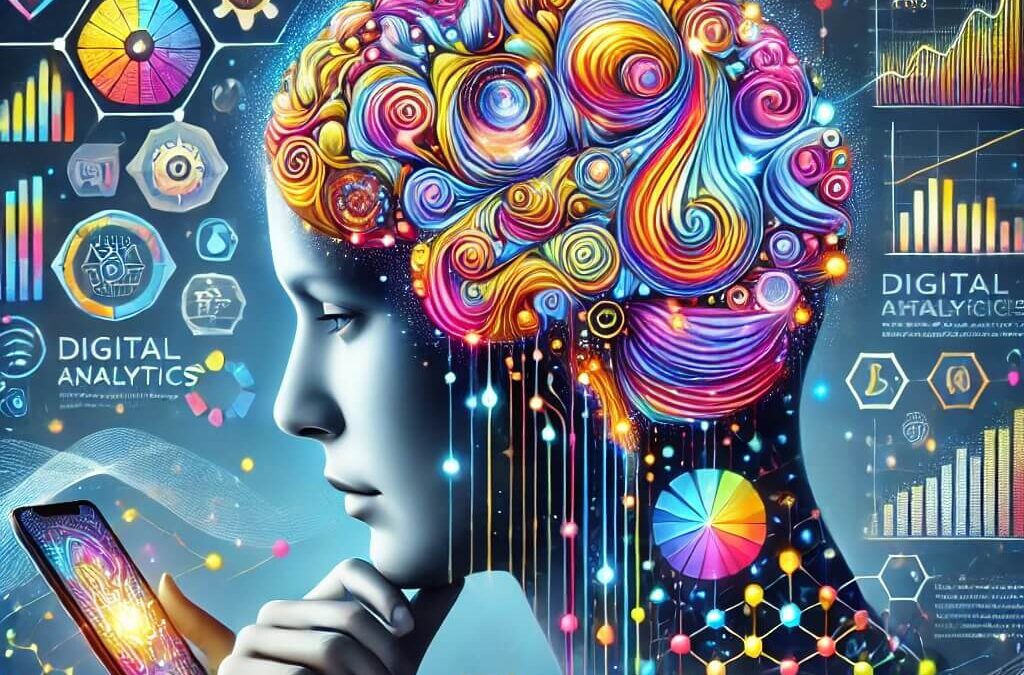
by Research Team | Feb 6, 2025 | Artificial Intelligence, Digital Marketing, Neuromarketing
Understanding consumer behavior has always been at the heart of effective marketing. In the digital age, neuromarketing—the application of neuroscience to marketing—offers deeper insights into what drives consumer decisions. By analyzing brain activity, emotions, and cognitive responses, marketers can craft campaigns that resonate on a psychological level, resulting in stronger connections and higher conversion rates. This blog post explores the principles of neuromarketing, its applications, and how businesses can leverage it to succeed in today’s digital landscape.
What is Neuromarketing?
Neuromarketing combines neuroscience, psychology, and marketing to understand how consumers react to various stimuli, such as advertisements, branding, and product design, utilizing neuromarketing strategies for consumer behavior. Through advanced technologies like functional MRI (fMRI), electroencephalography (EEG), and eye-tracking, marketers can assess how people’s brains respond to marketing content.
Key Elements of Neuromarketing:
- Emotional Engagement: Measuring emotional responses to content to determine what resonates most with consumers.
- Attention Metrics: Identifying which aspects of a campaign capture and hold consumer attention.
- Memory Retention: Understanding how well a brand or message sticks in a consumer’s memory.
Benefits of Neuromarketing in the Digital Age
1. Enhanced Ad Effectiveness
Neuromarketing helps identify which ad elements trigger positive emotional responses, enabling brands to refine their messaging and visuals for maximum impact.
2. Improved User Experience (UX)
By analyzing how users interact with digital interfaces, neuromarketing can inform the design of websites, apps, and e-commerce platforms to create seamless and intuitive experiences.
3. Personalized Campaigns
Understanding consumer preferences on a psychological level allows brands to deliver highly targeted and personalized content, boosting engagement and conversions.
4. Reduced Marketing Waste
With insights into what works and what doesn’t, businesses can allocate their budgets more efficiently, focusing on strategies that deliver measurable results.
Applications of Neuromarketing in Digital Marketing
1. Website and App Design
Neuromarketing techniques like eye-tracking in neuromarketing can reveal which elements of a website or app draw the most attention. This data helps optimize layouts, colors, and calls-to-action for better user engagement.
2. Content Creation
By analyzing emotional triggers, marketers can craft compelling blog posts, videos, and social media content that elicits the desired response from their audience, leveraging neuromarketing for emotional engagement.
3. Advertising Optimization
Brands can use neuromarketing insights to test ad campaigns before launch, ensuring they evoke the intended emotions and drive action.
4. Pricing Strategies
Understanding how consumers perceive value allows businesses to design pricing models that feel fair and appealing, encouraging purchases.
5. Branding and Packaging
Neuromarketing helps refine branding elements—from logos to packaging designs—to ensure they resonate with target audiences and leave a lasting impression.
How to Implement Neuromarketing Strategies
1. Conduct Consumer Research
Use tools like EEG, fMRI, or biometric sensors to gather insights into consumer responses to your marketing efforts. Collaborate with neuroscience experts to ensure accurate interpretation of data.
2. Leverage Behavioral Data
Combine neuromarketing insights with behavioral analytics to gain a comprehensive understanding of consumer preferences and actions.
3. Test and Optimize
Conduct A/B testing on ads, website layouts, and content to see which versions perform best. Use neuromarketing metrics to refine and improve your campaigns.
4. Focus on Emotional Resonance
Prioritize storytelling and visuals that evoke strong emotional responses. Stories that connect with consumers on a personal level are more likely to drive loyalty and action.
5. Adopt Ethical Practices
Ensure transparency and consent when collecting neuromarketing data. Ethical practices build trust and protect consumer privacy.
Overcoming Obstacles in Neuromarketing
While neuromarketing offers immense potential, it also comes with challenges:
- High Costs: Advanced technologies like fMRI and EEG can be expensive, making neuromarketing less accessible for small businesses.
- Complex Data Interpretation: Analyzing neurological data requires specialized expertise to avoid misinterpretation.
- Ethical Concerns: Collecting and using data on brain activity raises privacy issues that must be addressed responsibly.
- Scalability Issues: Applying neuromarketing insights across diverse campaigns and audiences can be difficult.
Future Trends in Neuromarketing
- AI-Driven Neuromarketing: Artificial intelligence will enhance data analysis, making neuromarketing insights more accurate and actionable.
- Wearable Tech Integration: Devices like smartwatches and VR headsets will provide real-time neuromarketing insights, enabling on-the-spot optimizations.
- Emotion AI: Advanced AI systems will detect and respond to consumer emotions in real time, personalizing experiences on the fly.
- Mainstream Accessibility: As costs decrease and technology advances, neuromarketing will become more accessible to businesses of all sizes.
Final Insights
Neuromarketing offers a unique opportunity to understand and connect with consumers on a deeper level, showcasing the benefits of neuromarketing for digital marketing. By tapping into psychological drivers and leveraging advanced technologies, brands can craft campaigns that are not only memorable but also highly effective. While challenges remain, the potential for neuromarketing to transform digital marketing strategies is undeniable. Businesses that embrace this approach today will be well-positioned to lead in the competitive landscape of tomorrow.

by Research Team | Feb 3, 2025 | Artificial Intelligence, Content Marketing, Digital Marketing
The fusion of artificial intelligence (AI) and creativity is transforming the way marketers approach content creation. No longer confined to manual brainstorming and repetitive processes, AI-powered tools now enable brands to craft data-driven campaigns that are not only highly engaging but also deeply personalized. In this blog post, we’ll explore how AI is reshaping creative marketing, the benefits it brings, and strategies for leveraging its potential to deliver outstanding results.
The Role of AI in Content Creation
Artificial intelligence has moved beyond theoretical applications and is now an integral part of content marketing. Its ability to analyze vast amounts of data, predict trends, and automate tasks has made it a game-changer in the creative process.
Key Applications of AI in Content Creation:
- Content Ideation: AI tools like ChatGPT and Jasper generate ideas based on industry trends and audience preferences, offering marketers a springboard for creativity.
- Personalized Recommendations: AI analyzes user behavior to craft personalized messages, product suggestions, and targeted advertisements.
- Automated Copywriting: Tools such as Writesonic and Copy.ai streamline the creation of blog posts, social media captions, and ad copy.
- Visual Content Creation: AI-powered platforms like Canva’s Magic Design and DALL-E generate stunning visuals and graphics tailored to brand needs.
- SEO Optimization: AI tools optimize content for search engines, ensuring that headlines, keywords, and metadata align with audience search behavior.
Benefits of AI-Driven Content Creation
1. Enhanced Efficiency
AI automates labor-intensive tasks, freeing up creative teams to focus on high-level strategy and innovation. This not only speeds up content production but also reduces costs.
2. Data-Backed Insights
AI provides actionable insights by analyzing data from various sources, such as social media, website analytics, and customer feedback, delivering AI-powered audience insights that drive more effective marketing strategies. These insights empower marketers to create content that resonates with their target audience.
3. Hyper-Personalization
With AI, brands can deliver personalized content at scale. From tailored email campaigns to customized website experiences, AI ensures that every touchpoint aligns with individual preferences.
4. Improved Creativity
By handling repetitive tasks, AI gives marketers more time to focus on brainstorming and storytelling. It also acts as a creative collaborator, suggesting ideas and concepts that might not have been considered otherwise.
5. Optimized Performance
AI-driven analytics allow marketers to track content performance in real time, enabling adjustments and improvements to maximize ROI.
How to Leverage AI in Your Creative Strategy
1. Integrate AI Tools into Your Workflow
Start by identifying areas where AI can enhance efficiency and creativity. For instance:
- Use content generation tools like ChatGPT for blog drafts.
- Leverage platforms like Grammarly to polish written content.
- Incorporate visual design tools like Adobe’s Sensei for graphics and videos.
2. Focus on Personalization
Utilize AI-powered platforms to deliver personalized content experiences. For example:
- Segment your audience based on data insights.
- Craft personalized email campaigns using tools like Mailchimp’s AI recommendations.
- Create dynamic website content that adapts to user behavior.
3. Optimize Content for SEO
AI tools like SEMrush and Clearscope ensure your content aligns with SEO best practices, showcasing the versatility of AI for SEO optimization. From keyword analysis to topic suggestions, these platforms help improve search rankings.
4. Experiment with AI-Generated Visuals
Explore AI tools like DALL-E and Canva’s Magic Design to create unique visuals that align with your brand identity, showcasing the versatility of AI tools for visual content creation. Use these for social media, ads, and other marketing materials.
5. Monitor and Adjust
Continuously track the performance of AI-generated content. Use analytics tools to measure engagement, conversions, and other key metrics, and refine your strategy based on the results.
Expanding AI’s Role in Creative Marketing
AI in marketing is not just about individual tools or campaigns; it’s about reshaping how brands connect with their audiences on a fundamental level. Here are some broader insights:
- Creating Dynamic Campaigns: AI enables brands to adapt content in real-time based on audience interactions. For instance, marketers can craft dynamic email campaigns that adjust visuals and messaging according to user preferences.
- Cross-Channel Integration: By leveraging AI, brands can ensure seamless content delivery across multiple channels, such as social media, websites, and email marketing, creating a unified customer experience and highlighting the potential of AI in cross-channel marketing.
- Proactive Audience Engagement: AI-driven sentiment analysis helps marketers identify and respond to audience needs proactively, enhancing engagement and building trust.
- Automating Content Localization: For global brands, AI can streamline content localization, ensuring that messaging aligns with regional languages, cultures, and preferences.
These insights demonstrate how AI is not just a tool but a strategic enabler for creative marketing success.
Challenges of Using AI in Content Creation
1. Loss of Human Touch
While AI excels at automation and efficiency, it can sometimes lack the emotional depth and nuance that human creativity brings.
2. High Initial Costs
Implementing AI tools often requires a significant upfront investment, making it challenging for smaller businesses.
3. Data Privacy Concerns
Using AI involves collecting and analyzing user data, which can raise privacy issues if not managed responsibly.
4. Overreliance on Technology
Relying too heavily on AI may stifle human creativity and lead to overly standardized content.
Future Trends in AI-Driven Marketing Creativity
- AI-Enhanced Storytelling: AI will assist marketers in crafting compelling narratives by analyzing audience sentiment and preferences.
- Voice and Visual Search Optimization: AI will drive the creation of content optimized for emerging search technologies.
- Generative Design: AI tools will enable brands to experiment with design variations in real time.
- Ethical AI Marketing: As concerns around AI ethics grow, brands will focus on transparent and responsible AI use.
Closing Insights
AI is revolutionizing the creative landscape in marketing by merging data-driven insights with innovative strategies to create content that resonates deeply with audiences. By leveraging AI tools strategically, marketers can craft campaigns that are highly personalized, engaging, and impactful. As technology evolves, AI continues to open doors to fresh storytelling techniques and stronger customer connections. This is the perfect time for brands to position AI as a key collaborator in their creative journeys.

by Research Team | Jan 14, 2025 | Artificial Intelligence, Customer Experience, Digital Marketing
n today’s competitive digital landscape, businesses must go beyond traditional personalization strategies to stand out. Enter hyper-personalization—a cutting-edge approach that uses advanced technologies like artificial intelligence (AI) and machine learning to deliver highly customized experiences. By leveraging AI, businesses can analyze vast amounts of customer data in real-time to create marketing campaigns that resonate on an individual level. This blog post explores how hyper-personalization works, its benefits, and practical ways to implement it effectively.
What is Hyper-Personalization?
Hyper-personalization is the process of using AI and real-time data to tailor marketing messages, product recommendations, and customer interactions to individual preferences and behaviors. Unlike traditional personalization, which often relies on broad demographic or segment data, hyper-personalization delves deeper into:
- Behavioral Data: Understanding how customers interact with a brand’s website, app, or social media channels.
- Transactional Data: Analyzing past purchases, browsing history, and cart activity.
- Contextual Data: Factoring in time of day, location, and device usage.
By combining these data points, businesses can deliver highly relevant and timely experiences.
The Role of AI in Hyper-Personalization
AI is the driving force behind hyper-personalization. Incorporating AI in hyper-personalization empowers businesses to process data more effectively and deliver impactful strategies. Here’s how it powers this approach:
- Data Collection and Analysis AI tools can process vast amounts of structured and unstructured data from multiple sources, including CRM systems, social media, and web analytics. These insights help marketers understand individual customer journeys.
- Predictive Analytics Machine learning algorithms predict customer preferences and behaviors, enabling proactive recommendations. For example, an AI-powered system might suggest products based on browsing history or send reminders for abandoned carts.
- Dynamic Content Delivery AI enables real-time customization of website content, emails, and advertisements. For instance, a website homepage can dynamically change to display products most relevant to a returning visitor.
Benefits of Hyper-Personalization
1. Enhanced Customer Experience
Customers today expect brands to understand their needs and preferences. Hyper-personalization meets these expectations by delivering:
- Relevant product recommendations.
- Tailored email campaigns.
- Seamless omnichannel experiences.
2. Increased Engagement and Conversion Rates
By presenting customers with content that aligns with their interests, hyper-personalization drives higher engagement. This often translates to improved click-through rates, longer site visits, and higher conversion rates.
3. Stronger Customer Loyalty
Personalized experiences foster trust and loyalty. When customers feel valued, they’re more likely to return and recommend the brand to others.
4. Optimized Marketing ROI
Hyper-personalization ensures marketing efforts are targeted and efficient, reducing wasteful ad spending and maximizing returns.
How to Implement Hyper-Personalization in Digital Marketing
1. Invest in AI and Machine Learning Tools
To harness the power of hyper-personalization, businesses need advanced AI tools capable of analyzing customer data and delivering actionable insights. Popular solutions include:
- Salesforce Einstein: Offers AI-powered recommendations for email, web, and mobile.
- Adobe Sensei: Enables personalized experiences across digital touchpoints.
- Dynamic Yield: Specializes in real-time personalization.
2. Leverage Real-Time Data
Real-time data is essential for hyper-personalization. Leverage real-time data for marketing personalization with tools that can:
- Track user behavior in real-time.
- Update customer profiles dynamically.
- Deliver personalized content instantly.
3. Create Dynamic Email Campaigns
Emails are a powerful tool for hyper-personalization. Strategies include:
- Dynamic subject lines tailored to recipient preferences.
- Personalized product recommendations based on past purchases.
- Location-specific offers and updates.
4. Use Predictive Analytics for Targeting
Predictive analytics enables businesses to anticipate customer needs. For example:
- An e-commerce store can recommend seasonal items before peak demand.
- A streaming service can suggest content based on viewing habits.
5. Test and Optimize
Regularly test and refine your hyper-personalization strategies to ensure they remain effective. A/B testing, customer feedback, and performance metrics can help identify areas for improvement.
Expanding the Role of Hyper-Personalization
Hyper-personalization extends beyond traditional marketing channels and now integrates into broader customer relationship strategies. By tailoring experiences across multiple touchpoints—such as in-app notifications, loyalty programs, and customer support interactions—businesses can create cohesive and meaningful connections with their audiences. For example, integrating hyper-personalization into loyalty programs allows companies to reward customers with offers or experiences uniquely suited to their preferences, fostering deeper engagement and long-term loyalty.
Challenges of Hyper-Personalization
While hyper-personalization offers significant benefits, it also comes with challenges:
- Data Privacy Concerns: Collecting and analyzing customer data must comply with privacy regulations like GDPR and CCPA.
- Resource Intensive: Implementing hyper-personalization requires significant investment in technology and expertise.
- Over-Personalization: Excessive personalization can feel intrusive, leading to customer discomfort.
Future Trends in Hyper-Personalization
- AI-Driven Chatbots: Chatbots will become more intelligent, offering personalized recommendations and support in real-time.
- Voice Commerce: As voice search grows, businesses will need to tailor their hyper-personalization strategies for voice-enabled interactions.
- Personalized Video Content: AI will enable the creation of dynamic video ads tailored to individual viewers.
Final Insights
Hyper-personalization is revolutionizing digital marketing by enabling brands to connect with customers on a deeper, more meaningful level, highlighting the benefits of hyper-personalization in marketing. By leveraging AI-powered personalization strategies and real-time data, businesses can deliver experiences that not only meet but exceed customer expectations. As technology continues to advance, adopting hyper-personalization will be essential for staying competitive in the ever-evolving digital marketplace.

by Research Team | Jan 11, 2025 | Artificial Intelligence, Digital Marketing, Voice Search
As technology evolves, voice search is rapidly becoming a primary method for consumers to find information, shop, and interact with businesses. With devices like Amazon Alexa, Google Assistant, and Apple’s Siri gaining popularity, businesses must adapt to this voice-first landscape. Voice search optimization is no longer a luxury but a necessity for brands looking to stay ahead of the curve, emphasizing the importance of voice search optimization for modern businesses. This blog post explores how businesses can prepare for the voice-first era and leverage voice search to improve visibility and customer engagement.
The Rise of Voice Search
Voice search has grown significantly in recent years, driven by advancements in natural language processing (NLP), the growth of voice technology, and the increasing ubiquity of voice-enabled devices. Consider these statistics:
- By 2025, it is estimated that 75% of U.S. households will own a smart speaker.
- 55% of teenagers and 41% of adults use voice search daily.
- Over 50% of all online searches are now voice-based.
This shift underscores the need for businesses to optimize their digital presence for voice queries.
How Voice Search Differs from Text Search
Understanding the nuances of voice search is key to optimizing for it. Here’s how it differs from traditional text search:
- Conversational Tone: Voice queries tend to be longer and more conversational. For example, instead of typing “pizza delivery,” a user might ask, “Where can I find pizza delivery near me?”
- Question-Based Queries: Many voice searches are phrased as questions (“What’s the best Italian restaurant nearby?”).
- Local Intent: A significant portion of voice searches focuses on local results (“Find a coffee shop near me”).
- Featured Snippets: Voice assistants often read aloud featured snippets from search engine results, making snippet optimization crucial.
Strategies for Voice Search Optimization
1. Focus on Conversational Keywords
Identify and incorporate long-tail, conversational keywords into your content. Tools like Google’s Keyword Planner and Answer the Public can help you uncover common phrases and questions that your audience is asking.
2. Optimize for Local Search
Voice search heavily prioritizes local results. To capture local traffic:
- Claim and optimize your Google My Business (GMB) profile.
- Ensure your business’s name, address, and phone number (NAP) are consistent across all online platforms.
- Use location-specific keywords in your website content.
3. Create FAQ Pages
FAQ pages are ideal for addressing question-based voice searches. Use a conversational tone and address common queries about your products, services, or industry.
4. Enhance Site Speed and Mobile Friendliness
Voice search users often expect quick, actionable answers. Ensure your website is fast-loading and mobile-friendly by:
- Minimizing large images and unnecessary scripts.
- Using responsive design.
- Implementing AMP (Accelerated Mobile Pages).
5. Leverage Structured Data Markup
Structured data (Schema markup) helps search engines understand your content better. Use markup to highlight important information like business hours, location, and product details, increasing the chances of appearing in voice search results.
6. Target Featured Snippets
Featured snippets are a primary source of information for voice search responses. To optimize for featured snippets in voice search:
- Answer questions directly and concisely.
- Use bullet points or numbered lists for clarity.
- Provide detailed, relevant content that addresses user queries.
7. Optimize for Natural Language
Create content that mirrors how people speak. Avoid overly technical jargon and focus on readability.
The Role of AI in Voice Search Optimization
Artificial intelligence plays a significant role in voice search. Search engines like Google use AI algorithms to understand user intent and deliver relevant results. Businesses can harness AI tools to:
- Analyze customer behavior and preferences.
- Identify trending voice search queries.
- Automate the creation of voice-friendly content.
Measuring the Impact of Voice Search Optimization
To evaluate the success of your voice search optimization efforts, track key metrics such as:
- Voice Search Traffic: Monitor how much of your website traffic comes from voice search queries.
- Local Search Rankings: Track your rankings in local search results.
- Engagement Metrics: Measure bounce rates, session durations, and conversion rates from voice search users.
Future Trends in Voice Search
The voice-first era is constantly evolving, with emerging trends in voice search and the future of voice search optimization shaping how businesses interact with customers. Here are some trends to watch:
- Voice Commerce: Shopping through voice commands is on the rise. Ensure your e-commerce platform supports voice transactions.
- Multilingual Voice Search: As voice assistants become more global, optimizing for multiple languages will be crucial.
- Voice-Enabled IoT Devices: Beyond smart speakers, devices like smart TVs and appliances will contribute to the growth of voice search.
- Personalized Search Experiences: AI advancements will enable even more personalized voice search results based on individual preferences.
Closing Remarks
Voice search is reshaping the digital landscape, offering businesses a unique opportunity to connect with customers in a conversational and intuitive way, highlighting the benefits of voice search for businesses. By adapting to the nuances of voice queries and prioritizing user-friendly content, brands can stay competitive in this growing space. Embrace voice search optimization today to position your business for success in the voice-first era.

by Research Team | Jan 6, 2025 | Artificial Intelligence, Digital Marketing
In the age of data-driven marketing, understanding customer sentiment has become essential for brands aiming to connect authentically with their audience. AI-powered sentiment analysis—the process of using artificial intelligence to detect emotions and opinions in the text—offers marketers a powerful tool to shape their campaigns with precision. By leveraging emotional insights, businesses can create targeted, empathetic, and effective marketing strategies that resonate deeply with their audience.
What is Sentiment Analysis?
Sentiment analysis, often referred to as opinion mining, involves analyzing text data to identify and categorize sentiments expressed as positive, negative, or neutral. Using advanced sentiment analysis tools, businesses can leverage AI in marketing to gain actionable insights and refine their strategies. With AI, this process extends beyond mere word recognition to include context, tone, and nuance—a capability that enables a deeper understanding of customer emotions.
AI-driven sentiment analysis tools work by processing natural language (NLP) to extract meaning from reviews, social media posts, emails, surveys, and other text-based customer interactions. These insights empower brands to:
- Gauge customer satisfaction in real-time.
- Identify trends and patterns in customer feedback.
- Respond proactively to potential issues.
- Craft personalized marketing messages.
Applications of Sentiment Analysis in Marketing
1. Refining Customer Segmentation
Traditionally, segmentation relies on demographics, purchase history, or behavioral data. By integrating sentiment analysis, marketers can add an emotional layer to their segmentation. For example, customers expressing frustration in reviews might be grouped into a “needs resolution” segment, prompting tailored offers or support. Conversely, satisfied customers can be targeted with loyalty programs or upsell opportunities.
2. Enhancing Social Media Strategies
Social media is a goldmine for unfiltered customer opinions. By using social media sentiment analysis tools and social listening strategies, sentiment analysis can help brands:
- Monitor brand reputation by tracking the sentiment around mentions.
- Identify viral trends and capitalize on the positive buzz.
- Address negative feedback promptly to mitigate potential PR crises.
For instance, if a brand’s new product launch receives mixed reviews, AI can categorize feedback into themes, enabling the marketing team to address concerns and amplify praises.
3. Personalizing Customer Experiences
Personalization is no longer a luxury—it’s an expectation. Sentiment analysis allows marketers to tailor experiences by understanding customers’ emotional states. For example:
- Positive sentiment can trigger celebratory offers or messages.
- Neutral sentiment might call for educational content to build interest.
- Negative sentiment could prompt an apology and a discount to regain trust.
4. Optimizing Content Marketing
AI tools can analyze the sentiment behind content engagement metrics, such as comments, shares, and likes. This insight helps marketers:
- Identify which topics resonate most with their audience.
- Adjust the tone of their content to align with audience preferences.
- Predict content performance based on historical sentiment trends.
5. Improving Customer Service
Sentiment analysis doesn’t just serve marketing—it enhances customer service too. AI can triage incoming messages based on sentiment, ensuring urgent issues receive priority attention. Additionally, tracking sentiment over time can help brands evaluate the effectiveness of their customer service initiatives.
Tools and Technologies for Sentiment Analysis
Several AI-powered tools make sentiment analysis accessible for businesses of all sizes. Often regarded as the best sentiment analysis software, these tools are invaluable AI tools for marketers seeking actionable insights. Here are some popular options:
- Google Cloud Natural Language API: Offers sentiment analysis capabilities alongside other text processing tools.
- IBM Watson Natural Language Understanding: A robust sentiment, emotion, and keyword analysis tool.
- MonkeyLearn: User-friendly software ideal for beginners.
- HubSpot: Integrates sentiment analysis into its customer relationship management (CRM) platform for holistic insights.
These tools often come with dashboards, real-time analytics, and integration capabilities, making it easier for marketers to derive actionable insights.
Best Practices for Leveraging Sentiment Analysis
1. Focus on Context
Sentiment analysis is only as effective as its ability to understand context. A phrase like “This product is sick!” could signify enthusiasm or dissatisfaction depending on the audience. Combining sentiment analysis with human oversight ensures accuracy.
2. Analyze Multiple Channels
Customer sentiment varies across platforms. Social media conversations might differ from customer service emails or online reviews. A multi-channel approach provides a comprehensive view of customer emotions.
3. Integrate Sentiment Data with Existing Metrics
Sentiment analysis should complement, not replace, traditional marketing KPIs. Combining emotional insights with metrics like conversion rates, click-through rates, and lifetime value offers a holistic understanding of campaign performance.
4. Act on Insights
Insights are only valuable when acted upon. Whether it’s tweaking a marketing message, improving a product feature, or addressing negative feedback, sentiment analysis should lead to tangible changes.
Real-World Examples of Sentiment Analysis in Action
- Coca-Cola: Used sentiment analysis during its “Share a Coke” campaign to monitor customer reactions on social media and adjust its strategy to amplify positive sentiment.
- Netflix: Analyzes customer reviews and social media posts to refine its content recommendations and marketing campaigns.
- Delta Airlines: Employs sentiment analysis to prioritize customer complaints and provide faster resolutions, enhancing overall satisfaction.
Addressing Potential Pitfalls of Sentiment Analysis
While sentiment analysis provides valuable insights, it is crucial to be aware of its limitations and mitigate potential pitfalls:
- Ambiguity in Language: Words and phrases often carry different meanings depending on context, making pairing AI analysis with human oversight essential.
- Cultural Nuances: Sentiments can vary across cultures and regions, necessitating localized calibration of AI tools.
- Data Bias: AI systems rely on training data, and biased datasets can skew results. Regular audits and diverse datasets are critical to ensuring fairness.
- Overemphasis on Automation: While AI enhances efficiency, balancing automated insights with human judgment ensures campaigns remain empathetic and effective.
Conclusion
AI-powered sentiment analysis is revolutionizing how marketers understand and connect with their audience. By tapping into emotional insights, brands can create campaigns that are not only data-driven but also deeply empathetic. As tools and technologies continue to evolve, sentiment analysis will undoubtedly play an even more integral role in shaping the future of marketing. By staying attuned to customer emotions, businesses can foster stronger relationships, improve brand loyalty, and achieve sustainable success.

by Research Team | Nov 10, 2024 | Artificial Intelligence, Digital Marketing, E-Commerce
As technology evolves, the way consumers search for products is changing. Visual search, an innovative tool that allows users to search the web using images instead of text, is gaining traction in e-commerce. Platforms like Pinterest, Google Lens, and even retail giants like Amazon have embraced this technology, transforming how customers discover and shop for products online.
This blog explores the concept of visual search, its benefits for e-commerce, and actionable strategies to integrate it into your digital marketing strategy.
What is Visual Search?
Visual search enables users to upload or capture an image to find products or similar content online. Unlike traditional text-based search, visual search leverages artificial intelligence (AI) to analyze the image and deliver relevant results. For instance, a user might upload a photo of a pair of shoes they like, and the visual search tool will return similar products available for purchase.
Platforms like Google Lens and Pinterest Visual Search are pioneers in this space, offering tools that make it easier for users to find what they’re looking for—often with greater precision than traditional keyword searches.
Why Visual Search is Transforming E-Commerce
- Enhanced User Experience
Visual search simplifies the shopping journey, eliminating the need to describe products in words. This creates a seamless and intuitive experience for users.
- Improved Product Discovery
Customers can discover new products they might not have found through traditional search methods. Visual search opens up opportunities for brands to showcase their inventory in unique ways.
- Increased Conversion Rates
By delivering highly relevant results, visual search reduces friction in the buying process, encouraging quicker purchase decisions.
- Appeals to Mobile-First Shoppers
Visual search is particularly useful for mobile users, who often rely on their phone cameras to capture and search for images.
- Aligns with Modern Consumer Behavior
Today’s consumers are visually driven, with platforms like Instagram and TikTok influencing shopping habits. Visual search integrates seamlessly into this visual-first landscape.
How Visual Search Works
Visual search tools rely on advanced technologies such as:
- Artificial Intelligence (AI): AI analyzes the image to identify key elements, such as shapes, colors, and textures.
- Machine Learning: The tool improves over time by learning from user interactions and feedback.
- Computer Vision: This allows the system to recognize and categorize objects within images.
These technologies work together to provide accurate and relevant results, making visual search an essential tool for e-commerce platforms.
Benefits of Visual Search for E-Commerce Brands
- Expands Reach
Visual search helps brands reach audiences who may not know the exact name of a product but can recognize it visually. This is especially beneficial for fashion, home décor, and beauty industries.
- Boosts Engagement
Interactive and intuitive, visual search keeps users engaged longer, improving the chances of conversion.
- Optimizes Product Recommendations
By understanding customer preferences through visual inputs, brands can offer personalized recommendations, enhancing the shopping experience.
- Increases Competitive Edge
Adopting visual search early positions your brand as innovative and customer-centric, giving you an edge over competitors who rely solely on traditional search.
How to Optimize Your E-Commerce Business for Visual Search
- High-Quality Images
- Use clear, high-resolution images for your product listings.
- Include multiple angles and close-ups to provide detailed visuals for search algorithms to analyze.
- Add Detailed Alt Text
- Optimize your product images with descriptive alt text, including relevant keywords. This helps both traditional SEO and visual search tools.
- Implement Structured Data
- Use schema markup to help search engines understand your product images and improve their discoverability.
- Leverage Social Media Platforms
- Platforms like Pinterest and Instagram allow users to discover products visually. Ensure your brand’s presence on these platforms is optimized with eye-catching, shareable content.
- Enable Visual Search on Your Website
- Integrate visual search capabilities directly into your e-commerce platform. Many tools and plugins are available to make this transition seamless.
- Test and Analyze Performance
- Continuously monitor how your products perform in visual search results. Use insights to refine your strategy and improve visibility.
Examples of Visual Search in Action
- Fashion Retailers
A customer might upload a photo of a dress they saw in a magazine, and the visual search tool could suggest similar options available on your website.
- Home Décor
A user could take a picture of a lamp they admire in a friend’s house, then find similar designs in your online store.
- Beauty Products
Visual search can help users identify makeup or skincare products by uploading images of looks they want to recreate.
Challenges of Visual Search and How to Overcome Them
- Technology Costs
Developing and integrating visual search technology can be expensive. Partnering with third-party providers can reduce initial costs.
- Accuracy Issues
Early-stage visual search tools may deliver inaccurate results. Investing in AI and regularly updating your image database can improve accuracy.
- Data Privacy Concerns
Users might hesitate to upload personal images due to privacy concerns. Clear communication about data protection policies can build trust.
Final Thoughts
Visual search is no longer a futuristic concept—it’s a present-day reality shaping the future of e-commerce. By simplifying the shopping journey, improving product discovery, and appealing to visually driven consumers, visual search offers unparalleled opportunities for brands to connect with their audiences.
As technology continues to evolve, adopting visual search early will position your e-commerce business as innovative and customer-focused. By optimizing images, leveraging social platforms, and integrating visual search tools, you can unlock new levels of engagement and drive growth in the competitive world of online retail.