
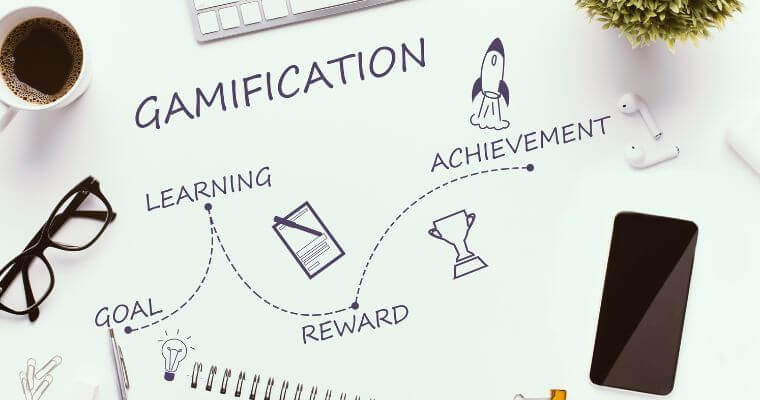
In today’s competitive digital landscape, keeping audiences engaged has become a significant challenge for businesses. Gamification—a marketing strategy that incorporates game elements into non-gaming environments—has emerged as a creative and effective solution. By adding elements like rewards, challenges, and leaderboards, businesses can transform customer interactions into enjoyable experiences, driving engagement, loyalty, and conversions.
This article explores the concept of gamification in marketing, its benefits, and actionable strategies to incorporate it into your campaigns.
What is Gamification in Marketing?
Gamification refers to the application of game-design elements and principles in non-gaming contexts, such as marketing campaigns. It taps into people’s natural desire for competition, achievement, and rewards, making the customer journey more interactive and engaging.
For example, loyalty programs that allow customers to earn points for purchases and unlock rewards are a classic form of gamification. Other examples include quizzes, interactive polls, and sweepstakes that motivate customers to take specific actions.
Why Gamification Matters
- Increases Engagement
Gamification transforms passive audience interactions into active participation, keeping users engaged with your brand longer. - Improves Customer Retention
Reward systems and progress tracking encourage repeat interactions, fostering loyalty over time. - Drives Conversions
By offering incentives like discounts or exclusive offers, gamification encourages users to complete desired actions, such as making a purchase or signing up for a service. - Enhances Brand Perception
Fun and interactive experiences make your brand more memorable, leaving a positive impression on your audience. - Encourages Social Sharing
Gamified campaigns often encourage users to share their achievements or participate in challenges with friends, increasing brand visibility.
Key Elements of Gamification in Marketing
- Points and Rewards
Offer points for actions like purchases, referrals, or social shares. These points can be redeemed for discounts, free products, or exclusive content. - Progress Bars and Levels
Show users their progress toward completing a goal, such as unlocking a reward or reaching the next level of a loyalty program. - Challenges and Quizzes
Create interactive tasks that users can complete for rewards. For example, quizzes that test knowledge or preferences can provide personalized recommendations. - Leaderboards
Introduce friendly competition by ranking participants based on their performance, encouraging them to stay engaged and improve. - Badges and Achievements
Award digital badges for completing specific actions, such as signing up for a newsletter or referring a friend, to motivate continued participation.
Strategies for Implementing Gamification in Marketing
- Create Interactive Loyalty Programs
- Design a loyalty program where customers earn points for every purchase or interaction.
- Offer exclusive rewards, such as VIP access, discounts, or free products, to incentivize continued engagement.
- Develop Gamified Content
- Integrate quizzes, polls, or trivia into your website or social media platforms.
- Use interactive content to educate users about your products while keeping them entertained.
- Run Contests and Giveaways
- Encourage participation by offering enticing prizes for challenges or contests.
- Use social media to promote the event and collect user-generated content.
- Incorporate AR/VR Experiences
- Leverage augmented reality (AR) or virtual reality (VR) to create immersive gamified experiences. For instance, a virtual treasure hunt could lead users to discover products or discounts.
- Use Spin-to-Win Campaigns
- Add a spin-the-wheel feature to your website, allowing users to win discounts, free shipping, or other perks in exchange for actions like signing up for a newsletter.
- Personalize Rewards
- Tailor incentives to individual preferences based on user behavior or demographics.
- Personalized experiences create a deeper connection with your audience.
Potential Scenarios for Gamified Marketing
- Seasonal Campaigns
Design a holiday-themed interactive game, such as a virtual advent calendar, where users can uncover daily offers or surprises. - Product Launches
Create a gamified challenge where customers unlock clues or rewards as they learn about a new product, building anticipation and excitement. - Educational Initiatives
Develop interactive modules or quizzes that educate users about your products or services while rewarding participation with discounts or exclusive content.
These scenarios not only keep audiences engaged but also align with broader marketing goals like boosting sales, raising awareness, or enhancing brand loyalty.
Tips for Successful Gamification
- Keep it Simple
Overcomplicating your gamified campaign can deter users. Focus on clear goals and straightforward mechanics. - Align with Brand Goals
Ensure your gamification strategy complements your overall marketing objectives, such as increasing sign-ups, boosting sales, or building awareness. - Incentivize Meaningful Actions
Reward behaviors that align with your goals, such as purchases, referrals, or social media engagement. - Track and Optimize Performance
Use analytics tools to monitor participation rates, conversion rates, and user feedback. Refine your approach based on insights. - Ensure Accessibility
Design campaigns that are easy to participate in across various devices and platforms, ensuring inclusivity for all users.
Challenges of Gamification
- Sustaining Interest
Users may lose interest if rewards are repetitive or the campaign lacks novelty. Regular updates and new challenges can help maintain engagement. - Overuse of Incentives
Offering excessive rewards can diminish their perceived value and harm profitability. Strive for balance. - Technical Complexity
Implementing gamified features, especially AR/VR elements or app-based campaigns, can require significant investment and technical expertise.
Final Takeaways
Gamification in marketing is a powerful tool to engage audiences, drive conversions, and build brand loyalty. By incorporating game elements like points, challenges, and rewards, businesses can create memorable experiences that keep customers coming back.
While implementing gamification requires creativity and careful planning, the rewards are well worth the effort. Whether through interactive content, loyalty programs, or immersive AR experiences, gamification offers endless possibilities for transforming marketing campaigns into engaging and rewarding adventures.
