
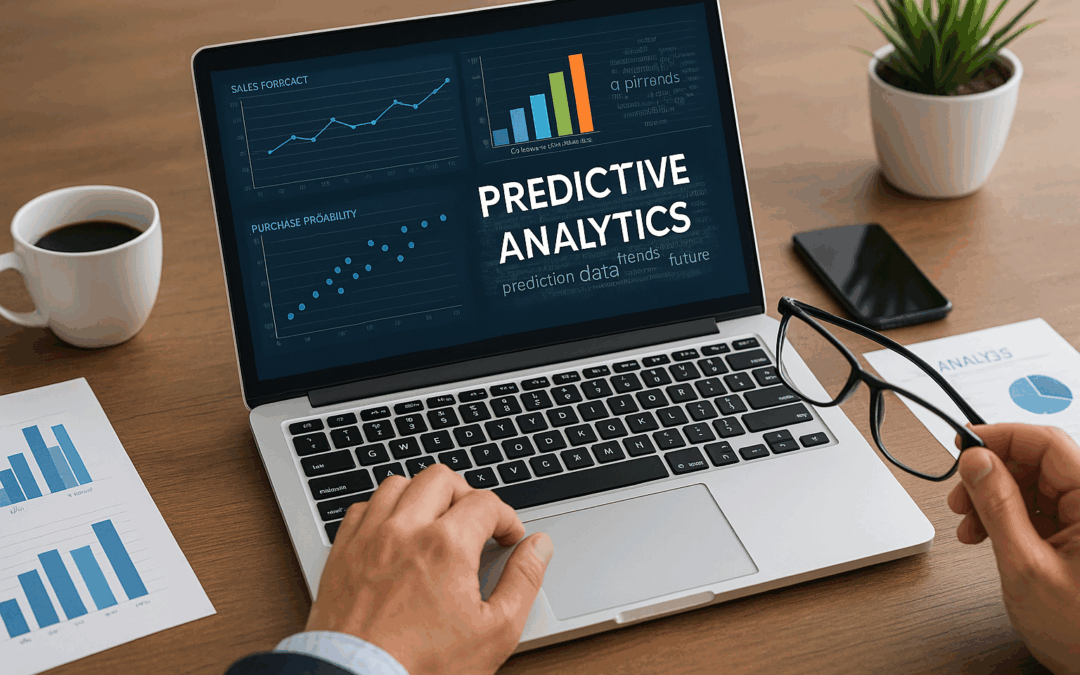
Modern marketing thrives on information—but not just the kind that explains what has happened. The real advantage comes from understanding what’s about to happen. Predictive analytics gives marketers that power.
By analyzing patterns in customer behavior, purchase history, and engagement data, predictive analytics transforms raw information into actionable foresight. It helps brands anticipate trends, personalize outreach, and make smarter decisions that drive long-term success.
In a world where competition is fierce and attention spans are short, predictive analytics turns data into a roadmap for better strategy and stronger relationships.
What Is Predictive Analytics in Marketing
Predictive analytics uses statistical modeling, machine learning, and historical data to forecast future outcomes. Rather than reacting to metrics after the fact, marketers use predictive models to identify patterns and predict what customers are likely to do next.
For example:
- Which leads are most likely to convert
- Which customers are at risk of churning
- Which products are likely to trend next quarter
- Which campaign messages will resonate best
Predictive analytics bridges the gap between data collection and decision-making—helping marketers move from hindsight to foresight.
Why Predictive Analytics Matters Now
The modern customer journey generates immense amounts of data across websites, apps, social platforms, and email. Traditional analytics can describe what happened, but it can’t always explain why—or what’s coming next.
Predictive analytics changes that by identifying patterns hidden within the noise. It allows marketers to:
- Anticipate customer needs before they’re expressed
- Allocate resources more efficiently by focusing on high-value prospects
- Enhance personalization with data-backed precision
- Reduce churn through early warning indicators
- Improve ROI by optimizing campaign timing and content
In short, predictive analytics makes marketing proactive instead of reactive.
The Core Components of Predictive Marketing
Implementing predictive analytics effectively requires a mix of technology, data strategy, and interpretation. Here are the key components that make it work.
1. Data Collection
Predictive models rely on clean, comprehensive data. This includes behavioral metrics (website visits, click patterns), transactional data (purchase history), demographic data, and even external variables like seasonality or market trends.
The broader and more accurate your data sources, the more reliable your predictions become.
2. Data Analysis and Modeling
Once data is collected, statistical models and machine learning algorithms analyze patterns to identify likely outcomes. For instance, regression models might predict sales based on past trends, while classification models identify customers likely to buy a specific product.
3. Scoring and Segmentation
Predictive scoring ranks leads or customers based on their likelihood to perform a specific action—such as purchasing or unsubscribing. These scores help marketers segment audiences more effectively and personalize messaging.
4. Automation and Integration
When integrated into marketing automation platforms or CRMs, predictive insights can trigger real-time actions—like sending targeted offers or alerting teams about at-risk customers.
This automation makes predictive analytics both scalable and actionable.
Common Applications of Predictive Analytics in Marketing
Predictive analytics enhances nearly every aspect of marketing strategy—from acquisition to retention.
Lead Scoring and Qualification
By analyzing past interactions, predictive models determine which leads are most likely to convert. This allows sales teams to prioritize high-potential prospects and reduce time spent on unqualified leads.
Customer Retention and Churn Prediction
Predictive analytics identifies early signs of disengagement—such as reduced activity or declining purchase frequency—so marketers can intervene with personalized offers or re-engagement campaigns.
Product Recommendations
E-commerce brands use predictive algorithms to suggest products based on browsing history, purchase behavior, and customer similarity. These recommendations increase order value and enhance satisfaction.
Campaign Optimization
Predictive analytics helps identify which channels, messages, and times yield the best performance. This ensures each campaign is data-driven and optimized for efficiency.
Demand Forecasting
By analyzing seasonal patterns and market data, predictive tools forecast product demand—helping brands plan inventory, budgets, and promotions strategically.
Pricing Strategy
Predictive models can simulate how price changes might affect demand, allowing marketers to find the balance between profitability and competitiveness.
Benefits of Predictive Analytics in Marketing
Adopting predictive analytics transforms how marketing teams plan and perform. The key benefits include:
Enhanced Decision-Making
Predictive insights provide marketers with data-backed clarity. Instead of guessing, decisions are guided by patterns and probabilities.
Better Personalization
Customers expect relevance. Predictive analytics tailors content, timing, and offers based on individual behavior—leading to higher engagement and conversion.
Increased Efficiency
By focusing resources on the most promising opportunities, teams can reduce waste and improve return on investment across channels.
Improved Customer Experience
Predictive analytics anticipates needs before customers articulate them, allowing brands to deliver timely, relevant solutions that feel intuitive and human.
Long-Term Growth
Over time, predictive insights compound value. They help brands stay agile, anticipate shifts, and adapt before competitors do.
Challenges and Ethical Considerations
While predictive analytics is powerful, it’s not without challenges.
Data Quality
Poor data leads to poor predictions. Incomplete, inconsistent, or biased data can distort results. Maintaining clean and representative datasets is crucial.
Over-Reliance on Automation
Automation should support, not replace, human judgment. Marketers must interpret data within context to ensure decisions align with brand values.
Privacy and Ethics
Collecting and analyzing personal data raises privacy concerns. Ethical marketers ensure transparency, consent, and compliance with data protection laws like GDPR and CCPA.
Interpretation and Context
Predictions are probabilities, not certainties. Misinterpreting data can lead to misguided actions or missed opportunities.
Predictive marketing must combine the precision of technology with the empathy of human insight.
Getting Started with Predictive Analytics
For brands new to predictive analytics, the journey begins with structure and clarity.
Step 1: Define Objectives
Identify specific goals—such as increasing conversions, reducing churn, or improving customer segmentation. Clear objectives shape the right predictive models.
Step 2: Consolidate Your Data
Integrate all customer data sources into a unified system. A centralized view ensures consistency and accuracy.
Step 3: Choose the Right Tools
Platforms like HubSpot, Salesforce Einstein, or Google Cloud AI offer built-in predictive features that integrate with existing marketing workflows.
Step 4: Test, Learn, and Refine
Start small. Run predictive models on limited datasets, evaluate accuracy, and refine as needed. Over time, predictive insights become more precise and impactful.
Step 5: Maintain Ethical Standards
Be transparent about how data is used, and respect user consent. Predictive analytics should enhance experience, not exploit it.
The Future of Predictive Marketing
As artificial intelligence and machine learning evolve, predictive analytics will become even more precise and accessible. Real-time prediction models will allow brands to anticipate customer actions as they happen, while AI-driven personalization will make every interaction more meaningful.
But the future isn’t just about data—it’s about direction. Predictive analytics doesn’t replace creativity or strategy; it amplifies them. It turns information into insight, and insight into foresight.
The brands that thrive tomorrow will be those that use data not only to understand the past—but to design the future.
