
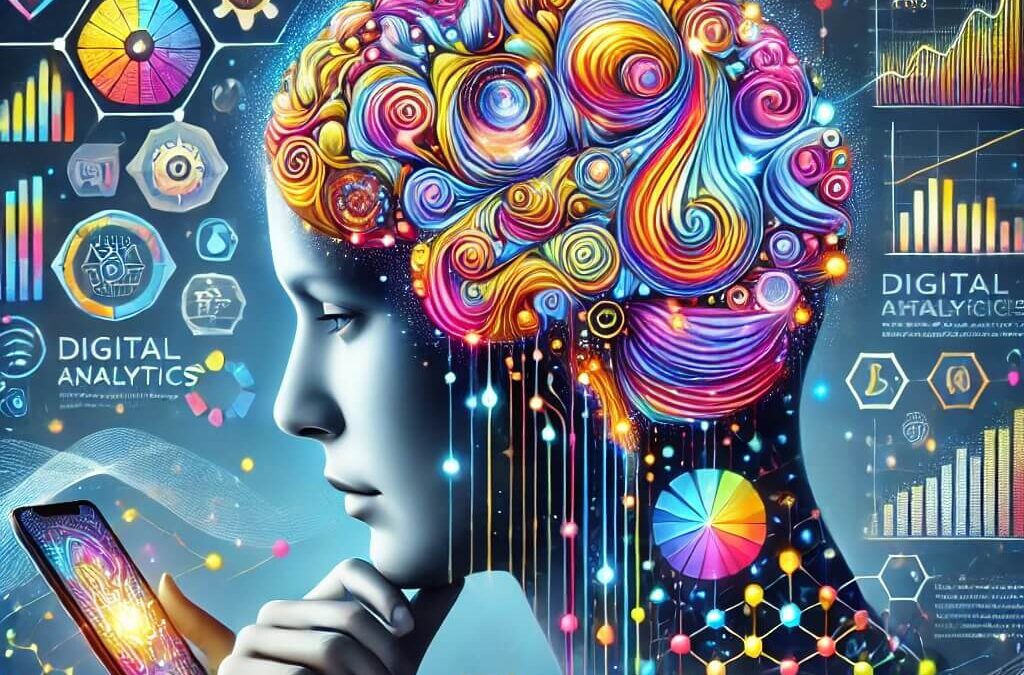
Behind every click, purchase, or subscription is a decision influenced by psychology. Marketers who understand how the brain processes information, emotions, and choices gain a competitive edge. Neuro-marketing, a field that combines neuroscience and marketing, helps uncover these insights to design campaigns that resonate more deeply with audiences.
By tapping into psychology, businesses can go beyond surface-level engagement and create digital experiences that truly connect with human behavior.
What is Neuro-Marketing?
Neuro-marketing applies neuroscience principles to understand consumer decision-making. Instead of relying solely on surveys or assumptions, it uses psychological insights, behavioral patterns, and sometimes biometric data (such as eye tracking or brain scans in advanced studies) to reveal why people choose one brand over another.
While advanced techniques may require specialized tools, marketers can apply core neuro-marketing principles without expensive equipment. At its heart, neuro-marketing is about understanding how emotions, memory, and cognitive biases shape decisions.
Key Psychological Principles That Drive Marketing Success
Emotional Triggers
Emotions often outweigh logic in purchasing decisions. Campaigns that tap into joy, trust, or even urgency tend to perform better. For example, uplifting imagery or storytelling that sparks happiness can significantly boost engagement.
Scarcity and Urgency
The human brain reacts strongly to limited-time offers or products in short supply. Countdown timers, low stock indicators, and exclusive offers activate a fear of missing out (FOMO), prompting faster action.
Social Proof
People tend to follow the actions of others, especially when uncertain. Customer reviews, testimonials, and user-generated content provide validation and reduce hesitation.
Cognitive Ease
The brain favors simplicity. Clean web design, concise messaging, and intuitive navigation reduce mental effort, making it more likely for customers to convert.
Color Psychology
Colors evoke specific emotions and associations. Blue often conveys trust, red creates urgency, and green symbolizes growth or health. Using colors strategically enhances brand identity and call-to-action effectiveness.
Practical Applications in Digital Marketing
- Website Design
Incorporate visual hierarchy, easy navigation, and consistent color schemes to reduce decision fatigue. Ensure that key actions, like “Buy Now” or “Subscribe,” are clear and accessible. - Content Creation
Storytelling activates memory and emotion. Content that tells relatable stories or frames solutions to personal challenges is more memorable than product specs alone. - Advertising Campaigns
Leverage psychological triggers in ad copy—urgency, exclusivity, and emotional appeal. Paired with strong visuals, these ads create lasting impressions. - Email Marketing
Personalized subject lines, scarcity-driven promotions, and emotionally engaging content increase open and click-through rates. - E-commerce Experience
Highlight social proof, offer limited-time discounts, and ensure checkout processes are fast and seamless to reduce friction.
Benefits of Applying Neuro-Marketing
- Improved engagement: Campaigns resonate emotionally and cognitively.
- Higher conversion rates: Reduced friction and stronger triggers lead to more action.
- Stronger brand recall: Emotional storytelling and visuals anchor your brand in memory.
- Deeper customer trust: Social proof and consistency reinforce credibility.
Challenges and Ethical Considerations
While neuro-marketing offers powerful tools, it must be approached responsibly. Overuse of scarcity tactics can backfire if customers feel manipulated. Similarly, exploiting emotions inauthentically risks damaging brand trust.
Ethical neuro-marketing focuses on enhancing customer experiences, not manipulating them. Transparency, respect for privacy, and delivering genuine value ensure long-term success.
How to Get Started
- Audit your current marketing through a psychological lens—are emotional triggers, simplicity, and social proof present?
- Test variations of design, copy, and calls-to-action to see which resonate most.
- Collect feedback to understand customer motivations and refine strategies.
- Stay balanced—focus on creating value, not just leveraging tactics for quick wins.
Moving Forward
Neuro-marketing reminds us that successful strategies aren’t just about algorithms and analytics; they’re about people. Understanding the psychology behind decisions allows businesses to create experiences that feel natural, engaging, and memorable.
As digital landscapes evolve, those who integrate psychology into their marketing will not only capture attention but also build lasting connections that go beyond transactions.
