
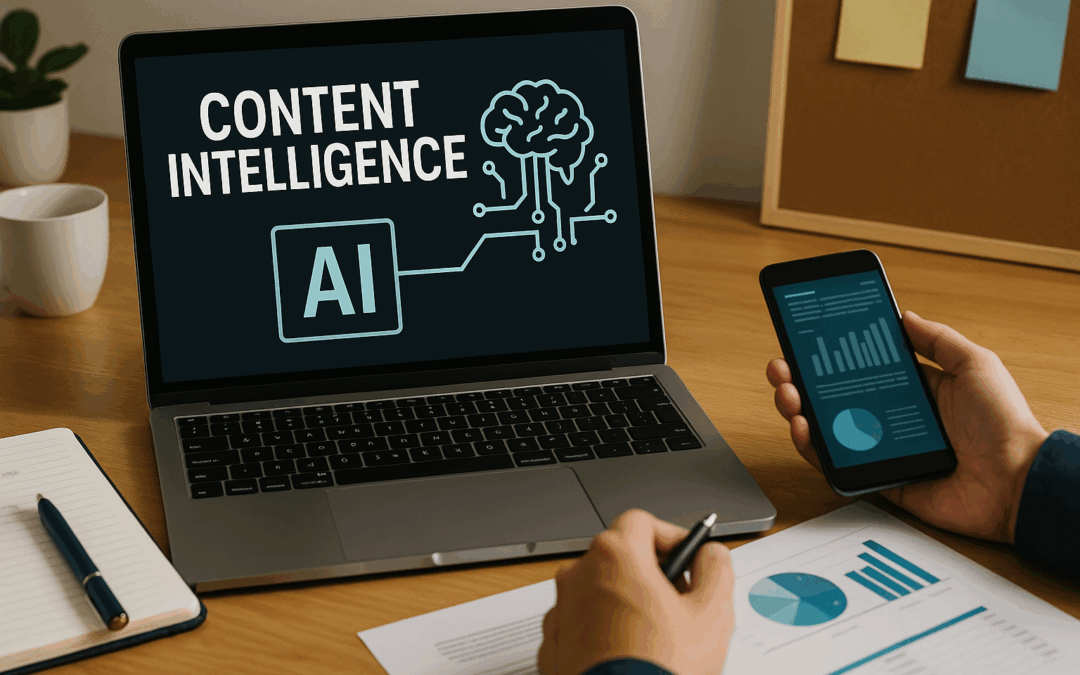
Artificial intelligence is transforming how brands create, distribute, and measure content. From SEO optimization to audience insights, AI-powered tools are helping marketers work smarter and faster. Yet as automation takes center stage, one question remains—how can brands harness AI’s analytical power without losing the human creativity that gives content its soul?
Content intelligence offers the answer. It’s the fusion of data-driven precision and creative intuition, empowering marketers to make informed decisions while maintaining authenticity and originality. When used correctly, content intelligence doesn’t replace creativity—it enhances it.
What Is Content Intelligence
Content intelligence refers to the use of AI and data analytics to understand, plan, and optimize content performance. It turns raw data into insights—showing what topics resonate, which formats perform best, and how audiences engage across platforms.
At its core, content intelligence allows marketers to answer key questions such as:
- What kind of content drives the most engagement?
- When and where should content be published?
- How can messaging align with audience intent?
By combining machine learning, natural language processing (NLP), and predictive analytics, content intelligence helps marketers make smarter, faster, and more confident content decisions.
The Role of AI in Content Intelligence
AI transforms content marketing from guesswork to strategy. It doesn’t just analyze data—it interprets meaning, detects sentiment, and predicts behavior.
Here’s how AI contributes to content intelligence:
1. Audience Analysis
AI tools can identify audience segments based on demographics, preferences, and online behavior. By analyzing millions of data points, marketers can tailor content to meet specific audience needs.
2. Topic Discovery
AI scans search trends, social conversations, and competitor activity to uncover high-potential topics. This helps brands stay relevant while identifying content gaps in their niche.
3. Performance Prediction
Machine learning models predict how well a piece of content might perform before it’s even published, helping teams allocate resources efficiently.
4. Content Optimization
AI suggests headline variations, keyword placements, and tone adjustments to enhance visibility and engagement—all without compromising brand voice.
5. Sentiment and Emotion Analysis
Natural language processing allows AI to gauge how audiences feel about specific messages or campaigns, offering insight into emotional resonance and brand perception.
Why Human Creativity Still Matters
While AI can process vast amounts of information, it lacks the imagination, empathy, and emotional nuance that define great storytelling. Creativity gives content its voice—its ability to inspire, move, and connect.
Data tells you what works, but creativity determines why it matters. The most effective marketing strategies rely on both—AI for insight, and human intuition for storytelling.
Marketers who embrace this balance create content that’s not only optimized for algorithms but also meaningful to people. AI handles scale; humans handle soul.
The Benefits of Content Intelligence
Content intelligence doesn’t just make marketing more efficient—it makes it smarter and more personal.
Data-Driven Strategy
By turning analytics into insights, marketers can plan content calendars and campaigns based on evidence, not assumptions.
Improved ROI
Understanding what works saves time and money. AI identifies high-performing content patterns, allowing teams to focus on formats and channels that deliver measurable results.
Real-Time Adaptability
AI-powered tools detect performance shifts as they happen, enabling teams to adjust strategies instantly instead of waiting for post-campaign reports.
Enhanced Personalization
Content intelligence ensures that every article, video, or post speaks directly to audience intent. This increases engagement, loyalty, and conversion rates.
Better Collaboration
By automating analysis, AI frees teams to focus on creativity, strategy, and storytelling. It bridges the gap between technical data and creative execution.
How to Implement Content Intelligence Effectively
1. Define Clear Goals
Before integrating AI tools, identify what you want to achieve—whether it’s improving engagement, increasing leads, or optimizing SEO performance. Clear goals ensure focused use of technology.
2. Choose the Right Tools
Select platforms that align with your needs. Some tools specialize in keyword intelligence and SEO (like Clearscope or MarketMuse), while others focus on audience insights or sentiment analysis. The key is integration—tools should enhance workflow, not complicate it.
3. Combine Quantitative and Qualitative Insights
Numbers reveal trends, but human analysis provides context. Use AI to surface data and human judgment to interpret its meaning.
4. Maintain a Consistent Brand Voice
AI-generated recommendations should always align with brand personality and tone. Avoid over-automation that strips content of authenticity.
5. Train Teams in AI Literacy
Equip your content creators and strategists with basic understanding of AI processes. Familiarity builds confidence and prevents misuse.
Avoiding Common Pitfalls
While content intelligence is powerful, it’s not without risks. Overreliance on automation can lead to generic, formulaic content.
Common pitfalls include:
- Data bias: AI reflects the data it’s trained on; poor data leads to skewed insights.
- Loss of originality: Too much automation can produce repetitive or uninspired output.
- Ethical concerns: Using AI to mimic human voices or fabricate content can undermine credibility.
To avoid these issues, marketers should view AI as a collaborator, not a substitute. Technology enhances efficiency, but creativity must always guide the narrative.
The Future of Content Intelligence
As AI continues to evolve, content intelligence will move beyond optimization to orchestration—automatically managing not just what content is created, but when, how, and to whom it’s delivered.
Future tools will predict audience needs before they’re expressed, delivering hyper-personalized experiences in real time. Yet even in that future, one truth will remain: audiences crave authenticity.
The brands that stand out will be those that use AI not to imitate creativity, but to empower it. Technology will provide clarity; humans will provide meaning.
The Balance Between Insight and Imagination
Content intelligence marks a turning point in digital marketing. It allows teams to create smarter, more relevant, and more impactful campaigns without losing what makes them unique.
The balance between insight and imagination is where real innovation happens. Data might guide the journey, but creativity drives the destination.
In the end, the future of content isn’t human or artificial—it’s human with artificial. The harmony between both will define the next great era of storytelling.
