
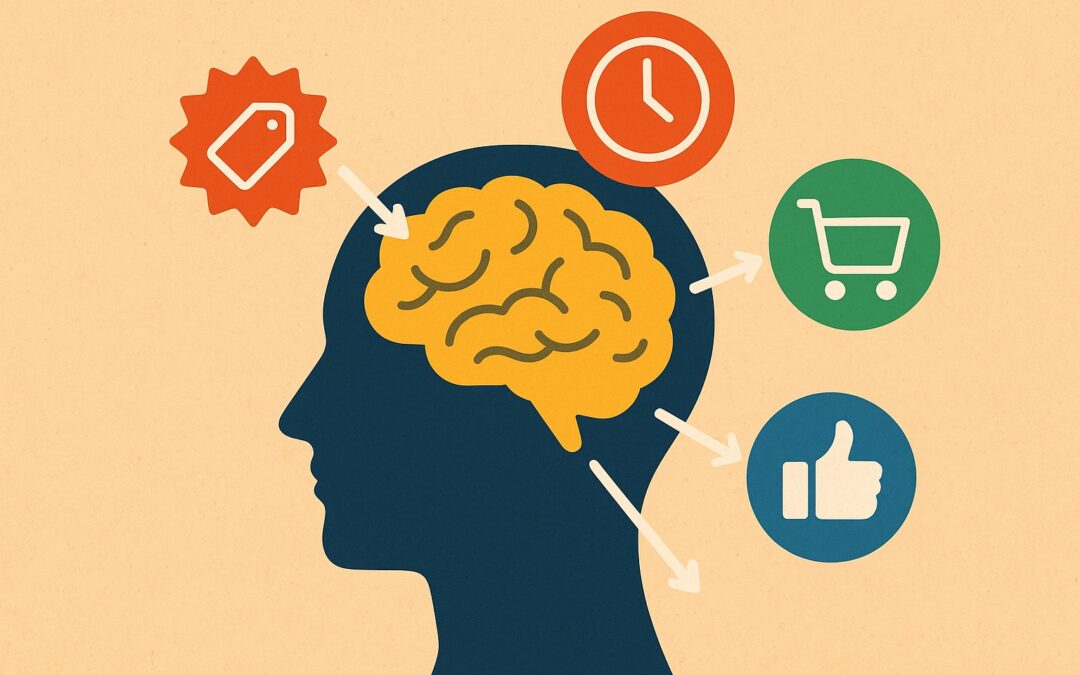
Digital marketing isn’t just about technology, data, or creative visuals—it’s deeply rooted in human behavior. Understanding why people click, buy, or bounce is just as important as knowing how to run ads or build funnels.
By tapping into the psychological triggers that influence decision-making, marketers can create messages and experiences that resonate with audiences on a subconscious level. Concepts like scarcity, social proof, and cognitive ease aren’t new, but applying them thoughtfully to digital strategy can dramatically improve engagement and conversion rates.
What Are Behavioral Triggers in Marketing?
Behavioral triggers are subtle psychological cues that influence how people act—especially when making purchasing decisions. These triggers work beneath the surface of conscious thought, guiding users to take action based on instinct, emotion, and social dynamics.
When woven into digital touchpoints like websites, emails, and ads, these principles help brands build trust, drive urgency, and increase sales without sounding pushy.
Five Proven Psychological Triggers That Boost Conversions
1. Scarcity: The Power of Limited Availability
Scarcity creates value by signaling that something won’t be around forever. When users see limited stock or exclusive access, they tend to act faster, driven by the fear of missing out (FOMO).
Examples to try:
- “Only 2 spots left in the course”
- “Early bird pricing ends tonight”
- “Limited-time bundle offer”
Why it works: People naturally assign more value to things that are harder to get. Scarcity taps into loss aversion, a powerful motivator.
2. Urgency: Prompting Quick Decisions
Urgency adds time pressure, prompting users to make faster decisions. When the clock is ticking, hesitation turns into action.
Ways to build urgency:
- Countdown timers on landing pages
- Flash sale announcements via email or SMS
- Time-sensitive bonuses (e.g., “Sign up today and get a free guide”)
Use it ethically: Avoid artificial urgency. Repeat countdowns or false deadlines can break trust. Be honest—and make the offer worth it.
3. Social Proof: Reassurance in Numbers
When people see others engaging with a product or service, they feel more confident in making the same choice. That’s the essence of social proof.
Effective formats include:
- Star ratings and user reviews
- Testimonials with photos or job titles
- “Trusted by 5,000+ professionals” statements
Placement matters: Showcase social proof on product pages, checkouts, or email opt-in forms to reduce doubt and build credibility.
4. Reciprocity: Give to Get
Reciprocity works because people feel a natural obligation to return a favor. Offering something valuable up front—like a free trial or premium resource—can lead to stronger engagement and future conversions.
Ideas for value-first offers:
- Downloadable templates or toolkits
- Free consultations or mini-courses
- Personalized assessments or audits
Bonus tip: Make the gift truly useful. Generic freebies feel like bait. High-quality, relevant content builds trust and positions your brand as generous and helpful.
5. Cognitive Ease: Remove Friction
When content is easy to understand and interact with, users are more likely to convert. Cognitive ease refers to how smoothly people can process information, which directly affects how much they trust it.
Simplify the journey by:
- Using clean, uncluttered page layouts
- Writing in plain, clear language
- Designing intuitive navigation and CTAs
Real-world impact: A complicated checkout or wordy landing page increases bounce rates. Make every step feel natural and effortless.
Strategic Application Across the Funnel
Each psychological trigger plays a different role depending on where the user is in the buying journey:
| Trigger | Best Used At | Sample Use Case |
|---|---|---|
| Scarcity | Product and service pages | Display limited stock count |
| Urgency | Email, landing pages | Flash sale announcements |
| Social Proof | Homepage, testimonials | Highlight top reviews |
| Reciprocity | Lead magnets, pop-ups | Offer free ebook for sign-up |
| Cognitive Ease | Entire site experience | Clear, fast-loading pages |
Stacking these triggers—without overwhelming the audience—can lead to compounding results. For example, a landing page offering a free template (reciprocity) with testimonials (social proof) and a limited-time bonus (urgency) covers three bases without feeling forced.
Staying Ethical in Psychological Marketing
Using behavioral triggers isn’t about manipulation—it’s about alignment. The goal is to match your message with how users naturally think and behave.
Avoid these pitfalls:
- Faking urgency or limited availability
- Using deceptive social proof or fake reviews
- Overcomplicating user journeys to create confusion
Transparency, value, and consistency are your best long-term assets. Aim to guide, not pressure. Audiences can sense the difference.
Final Thoughts
Digital marketing powered by psychology gives brands an edge, not because it tricks people, but because it speaks their language. When campaigns mirror how people already make decisions, you’re not pushing them—you’re helping them say yes.
Behavioral triggers like scarcity, urgency, social proof, reciprocity, and cognitive ease are proven tools to increase engagement and conversions. Test them thoughtfully, measure results, and always prioritize user trust.
Ready to elevate your digital strategy with psychology-backed techniques?
Explore more insights on our blog for practical tips and real-world examples of marketing that speak to the mind—and convert from the heart.
