
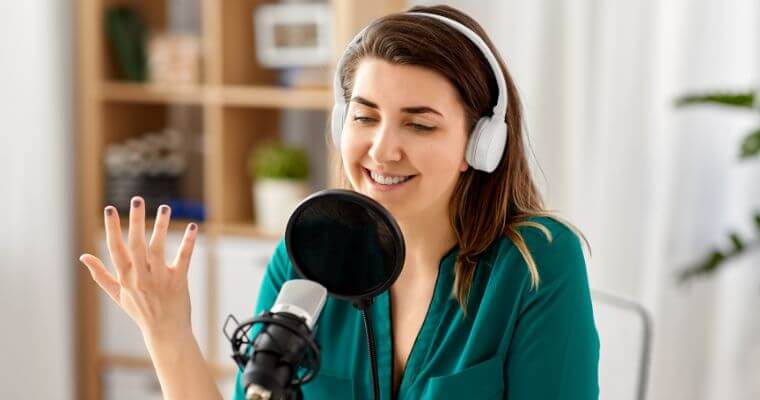
Over the past few years, social audio platforms like Clubhouse, Twitter Spaces, and Spotify Live have taken the digital world by storm. These platforms offer real-time, voice-based conversations that provide a unique and engaging way for brands to connect with audiences. As consumers increasingly prioritize authentic interactions, social audio presents a golden opportunity for marketers to build trust, foster community, and amplify their messages.
What Is Social Audio?
Social audio refers to platforms that facilitate live, voice-based discussions, often in virtual “rooms” or “spaces” where users can participate as speakers or listeners. Unlike traditional social media, which relies heavily on text and visuals, social audio focuses on real-time, unscripted conversations that create an intimate and personal experience.
Popular social audio platforms include:
- Clubhouse: A pioneer in the space, offering themed rooms and scheduled events for diverse topics.
- Twitter Spaces: Integrated into Twitter, allowing users to host and join live audio conversations.
- Spotify Live: A platform for live discussions around music, podcasts, and culture.
Why Social Audio Matters for Marketers
Social audio offers distinct advantages that make it a powerful tool for marketers:
- Authenticity: Voice-based interactions feel more genuine and personal than text or video content.
- Engagement: Real-time conversations encourage active participation and deeper audience connections.
- Community Building: Platforms like Clubhouse foster niche communities where brands can directly engage with their target audiences.
- Thought Leadership: Hosting discussions or panels positions brands as experts in their field.
Marketing Strategies for Social Audio
To succeed in the social audio space, brands need to adopt thoughtful strategies that prioritize value and engagement. Here are some key approaches:
- Host Branded Rooms or Events • Organize live discussions on topics relevant to your audience and industry. • Invite industry experts or influencers to join as guest speakers. • Use the opportunity to highlight your brand’s expertise or products subtly.
- Collaborate with Influencers • Partner with influencers who resonate with your target audience to co-host events or moderate discussions. • Leverage their credibility to expand your reach and attract more participants.
- Engage in Q&A Sessions • Host open forums where listeners can ask questions about your products, services, or industry insights. • This interactive format builds trust and positions your brand as approachable and customer-focused.
- Repurpose Content • Record live audio sessions and repurpose them as podcasts, blog posts, or social media snippets. • Extend the lifecycle of your content and reach audiences who couldn’t attend live.
- Promote Upcoming Events • Use your existing social media channels to advertise upcoming social audio events. • Create visually appealing promotional graphics and concise descriptions to drive attendance.
Best Practices for Social Audio Marketing
To maximize your impact on social audio platforms, consider the following best practices:
- Prioritize Value Over Promotion • Focus on providing valuable insights, entertainment, or education rather than overtly promoting your brand. • Ensure discussions are engaging and relevant to your audience.
- Be Consistent • Establish a regular schedule for hosting rooms or events to build a loyal following. • Consistency reinforces your brand’s presence on the platform.
- Encourage Participation • Foster an inclusive environment where listeners feel comfortable sharing their thoughts or asking questions. • Use polls or audience feedback tools to increase engagement.
- Monitor and Adapt • Track metrics such as attendance, engagement levels, and listener feedback to evaluate the success of your efforts. • Adjust your strategy based on audience preferences and behaviors.
- Stay Authentic • Avoid overly scripted conversations. Authenticity is key to connecting with audiences in social audio spaces.
Use Cases for Social Audio in Marketing
- Product Launches
• Use social audio platforms to announce new products or services in an interactive way.
• Host live demonstrations or Q&A sessions to address audience questions. - Industry Panels
• Bring together thought leaders for discussions on trending topics within your industry.
• Showcase your brand’s expertise while providing valuable insights. - Customer Stories
• Invite loyal customers to share their experiences with your brand during live sessions.
• This adds authenticity and builds trust with prospective customers. - Community Engagement
• Create rooms dedicated to topics your audience cares about to foster deeper connections.
• Encourage community members to participate as speakers and share their perspectives.
Overcoming Challenges in Social Audio Marketing
While social audio offers immense potential, it’s not without challenges:
- Time-Intensive: Regularly hosting live events requires significant planning and resources.
- Unpredictable Interactions: Live conversations can be unpredictable, requiring skilled moderation.
- Limited Discoverability: Unlike traditional social media posts, live audio events may not reach a wide audience unless heavily promoted.
- Retention: Keeping listeners engaged throughout a session can be difficult without compelling content.
The Future of Social Audio
As social audio continues to evolve, new opportunities will emerge for marketers to leverage this medium. Trends to watch include:
- Monetization Opportunities: Platforms may introduce tools for ticketed events or paid subscriptions, offering new revenue streams for brands.
- Integration with Other Media: Expect to see more seamless integration between social audio and other formats like video or text.
- AI-Driven Personalization: AI tools could enhance social audio by suggesting rooms based on user preferences or enabling more interactive experiences.
Key Takeaways
Social audio is redefining how brands interact with audiences, offering a platform for authentic, real-time conversations. By hosting engaging events, collaborating with influencers, and repurposing content, marketers can unlock the full potential of platforms like Clubhouse and Twitter Spaces. While challenges exist, the benefits of building trust and community far outweigh the hurdles.
Ready to amplify your brand’s voice? Start exploring social audio platforms today and connect with your audience on a deeper level.
