
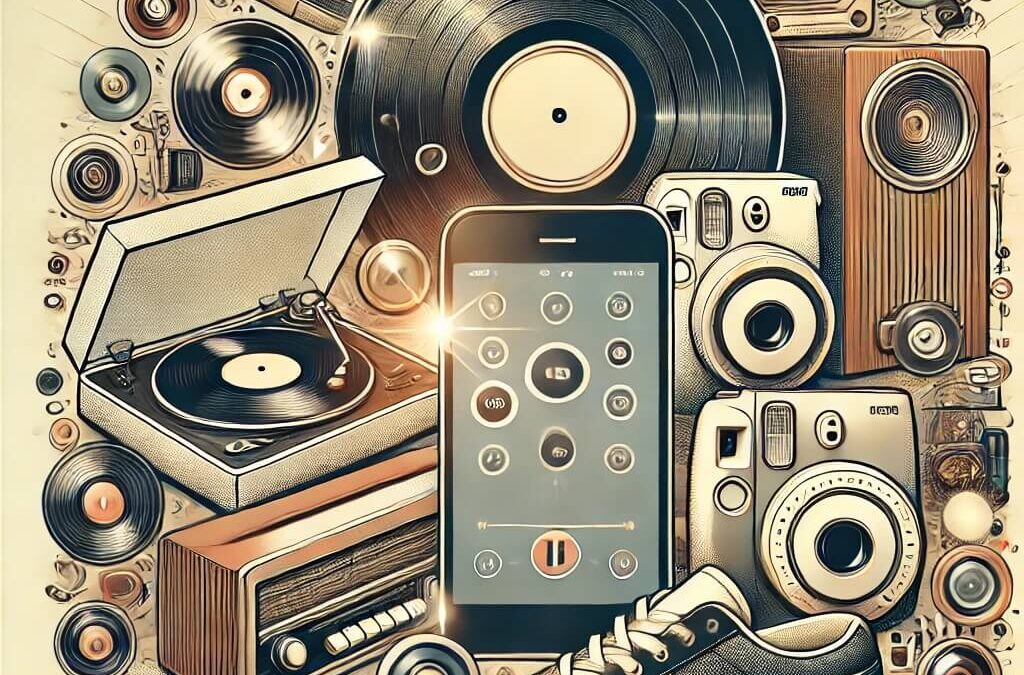
In a fast-paced, ever-changing digital world, nostalgia has become a powerful tool for marketers. By evoking memories of the past, brands can create emotional connections that resonate deeply with their audiences. Nostalgia marketing taps into the universal longing for simpler times, creating a sense of comfort and familiarity that drives engagement and fosters loyalty.
This article explores the concept of nostalgia marketing, why it works, and how to effectively integrate it into your digital marketing strategy.
What is Nostalgia Marketing?
Nostalgia marketing involves leveraging themes, imagery, and references from the past to evoke positive emotions and memories. Whether it’s a product relaunch, a retro-style ad campaign, or a nod to cultural icons of bygone eras, this strategy helps brands connect with consumers on an emotional level.
Why Nostalgia Marketing Works
- Triggers Emotional Responses
- Nostalgia activates feelings of happiness, warmth, and security, fostering a strong emotional bond with the brand.
- Builds Trust and Familiarity
- Revisiting the past creates a sense of reliability and comfort, making consumers more likely to trust the brand.
- Appeals to Multigenerational Audiences
- Nostalgic campaigns can resonate across generations, appealing to older audiences who lived through the era and younger ones drawn to its aesthetic.
- Cuts Through Modern Noise
- In a crowded digital space, nostalgic elements stand out by offering a unique and relatable touchpoint.
- Encourages Sharing and Virality
- Nostalgic content often sparks conversations and sharing on social media, extending the campaign’s reach organically.
Examples of Nostalgia Marketing in Action
- Retro Product Relaunches
- Brands like Coca-Cola and McDonald’s often bring back discontinued products or packaging styles to celebrate anniversaries or special events.
- Throwback-Themed Ads
- Nike’s campaigns often feature iconic athletes and moments from the past, blending nostalgia with modern messaging.
- Pop Culture Collaborations
- Partnerships with beloved franchises or themes, such as LEGO’s collaboration with classic TV shows, create instant appeal.
- Social Media Trends
- Hashtags like #ThrowbackThursday or #90sKids enable brands to participate in nostalgic conversations on platforms like Instagram and Twitter.
Strategies for Using Nostalgia Marketing
- Understand Your Audience’s Nostalgia Triggers
- Research your target audience’s demographics to identify the cultural moments, products, or trends they feel nostalgic about.
- Example: Millennials often connect with the 1990s and early 2000s, while Gen Z may already feel nostalgic for the 2010s.
- Blend Nostalgia with Modern Relevance
- Pair retro themes with contemporary elements to appeal to both past and present sensibilities.
- Example: A modern brand incorporating pixelated 8-bit graphics in a campaign referencing vintage video games.
- Leverage Nostalgic Storytelling
- Use stories that evoke memories of family traditions, childhood adventures, or significant cultural events.
- Example: A campaign centered around holiday traditions can create an emotional resonance.
- Incorporate Visual and Auditory Cues
- Use retro design elements, iconic fonts, or period-specific music to transport your audience back in time.
- Example: A video ad featuring cassette tapes, Polaroid cameras, and 80s synth music.
- Engage Through Social Media
- Create interactive posts that encourage users to share their nostalgic memories.
- Example: A brand asking followers to post photos of their favorite childhood toys using a specific hashtag.
- Celebrate Milestones
- Use anniversaries or significant milestones as an opportunity to look back and reflect on your brand’s history.
- Example: A brand sharing highlights from its journey since its founding.
- Use Limited-Time Promotions
- Offer retro products or experiences for a limited period to drive urgency and exclusivity.
- Example: A fast-food chain reintroducing a popular menu item from the 90s.
Best Practices for Nostalgia Marketing
- Be Authentic
- Ensure that your nostalgic references align with your brand’s identity and values.
- Avoid using trends or themes that feel forced or irrelevant.
- Respect Diversity
- Nostalgia varies across cultures and age groups, so ensure your campaign is inclusive and considerate of different experiences.
- Balance Emotion and Utility
- While nostalgia sparks emotional connections, ensure your campaign also delivers value, whether through storytelling, offers, or education.
- Monitor Feedback
- Keep an eye on audience reactions to gauge the effectiveness of your campaign and refine your approach if needed.
Measuring the Success of Nostalgia Marketing
To evaluate the impact of your nostalgia marketing efforts, track the following metrics:
- Engagement Rates
- Monitor likes, comments, shares, and saves on nostalgic content.
- Website Traffic
- Analyze the increase in site visits driven by nostalgic campaigns.
- Sales Performance
- Measure conversions or purchases of nostalgic products or services.
- Brand Sentiment
- Analyze social media mentions and sentiment to assess how your campaign is being perceived.
- User-Generated Content
- Track the volume and quality of audience contributions to your campaign, such as posts using your hashtag.
- Track the volume and quality of audience contributions to your campaign, such as posts using your hashtag.
Final Thoughts
Nostalgia marketing offers a powerful way to engage audiences by tapping into their emotions and memories. When done thoughtfully, it can create lasting connections, enhance brand loyalty, and drive meaningful engagement. By blending past inspirations with modern relevance, your brand can harness the enduring appeal of nostalgia to stand out in a competitive digital landscape.
As you craft your next campaign, consider the memories and emotions you want to evoke—and how they align with your audience’s journey and aspirations. With creativity and authenticity, nostalgia marketing can be a transformative tool in your digital strategy.
