
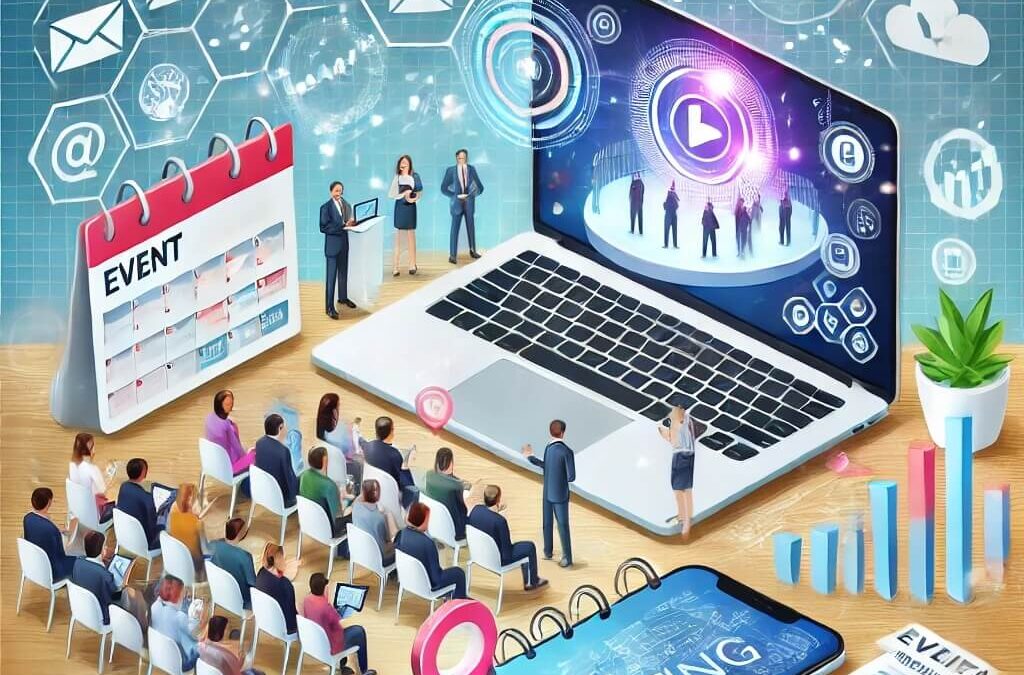
Event-based marketing has emerged as a powerful strategy for businesses to engage with their audience, build brand awareness, and create memorable experiences. Whether it’s a product launch, a webinar, or a community event, leveraging digital campaigns can significantly amplify the reach and impact of your events.
This article explores the fundamentals of event-based marketing, its benefits, and actionable strategies to maximize your event’s success through digital channels.
What is Event-Based Marketing?
Event-based marketing is the practice of planning and executing promotional campaigns centered around specific events. These events can range from large-scale conferences and trade shows to intimate gatherings or virtual webinars. The goal is to drive engagement, generate leads, and establish deeper connections with your audience.
By integrating digital marketing techniques, businesses can extend the reach of their events and create excitement before, during, and after the occasion.
Why Event-Based Marketing Matters
- Increases Brand Visibility
Events provide a platform for showcasing your products or services to a targeted audience, creating opportunities for brand exposure. - Enhances Customer Engagement
Events offer interactive experiences that help foster stronger connections between your brand and your audience. - Generates High-Quality Leads
Attendees of your events are likely to have a genuine interest in your industry, making them ideal leads for future marketing efforts. - Builds Community and Loyalty
Hosting events, whether online or offline, helps you connect with your audience on a personal level, strengthening loyalty and trust.
Digital Campaign Strategies to Amplify Your Events
- Create a Dedicated Landing Page
- Design a visually appealing landing page that provides essential event details, such as the agenda, speakers, location, and registration options.
- Include compelling calls-to-action (CTAs) to encourage sign-ups.
- Leverage Social Media
- Use platforms like Facebook, Instagram, LinkedIn, and Twitter to promote your event.
- Create a unique event hashtag to encourage user-generated content and discussions.
- Share teaser content, such as speaker announcements, behind-the-scenes clips, or countdowns.
- Email Marketing Campaigns
- Segment your email list to send personalized invitations to different audience groups.
- Use a series of emails to build anticipation, provide updates, and send reminders as the event date approaches.
- Influencer and Partner Collaborations
- Partner with influencers or industry leaders to promote your event to their followers.
- Collaborate with other businesses or organizations for cross-promotion.
- Utilize Paid Advertising
- Run targeted ads on platforms like Google, Facebook, and Instagram to reach a wider audience.
- Use retargeting ads to re-engage users who visited your landing page but didn’t register.
- Host Pre-Event Contests or Giveaways
- Create excitement by offering free tickets, exclusive merchandise, or discounts for participants.
- Promote the contest through social media and email campaigns.
- Engage During the Event with Live Updates
- Share live updates, photos, or videos on social media platforms.
- Use live-streaming features on Facebook, Instagram, or YouTube to reach audiences unable to attend in person.
- Post-Event Follow-Up
- Send thank-you emails to attendees with highlights, photos, or recordings from the event.
- Share post-event content on your blog or social media to maintain engagement.
Tips for Maximizing ROI from Event-Based Marketing
Set Clear Objectives
Define specific goals, such as lead generation, brand awareness, or product sales, to measure the success of your event campaigns.
Use Analytics to Track Performance
Monitor metrics like registration numbers, website traffic, social media engagement, and attendee feedback to evaluate your campaign’s effectiveness.
Repurpose Event Content
Turn event highlights, recordings, or presentations into evergreen content for your blog, social media, or email newsletters.
Solicit Feedback
Use surveys or polls to gather feedback from attendees, helping you refine future events and campaigns.
Challenges in Event-Based Marketing
- Time-Intensive Planning
Creating and executing event campaigns requires careful planning and coordination, which can be resource-intensive. - Budget Constraints
Balancing event costs with promotional expenses can be challenging, especially for smaller businesses. - Measuring Impact
Accurately attributing ROI to specific event marketing efforts can be complex without the right tools.
How to Overcome These Challenges
- Use Event Management Tools
Platforms like Eventbrite, Cvent, or HubSpot simplify registration, promotion, and analytics for event campaigns. - Start Small
Focus on hosting smaller events or webinars to test your strategies before scaling up to larger campaigns. - Leverage Partnerships
Collaborate with other businesses or sponsors to share costs and expand your audience reach.
Wrapping Up
Event-based marketing is a powerful way to create meaningful connections with your audience, build brand awareness, and achieve tangible business goals. By integrating digital strategies, such as social media promotion, email campaigns, and paid advertising, you can amplify the reach and impact of your events.
Success in event-based marketing requires careful planning, creativity, and a commitment to delivering value to your audience. Whether you’re hosting a live product launch, a virtual webinar, or a community event, aligning your marketing efforts with your audience’s needs will ensure your campaigns stand out and deliver lasting results.
