
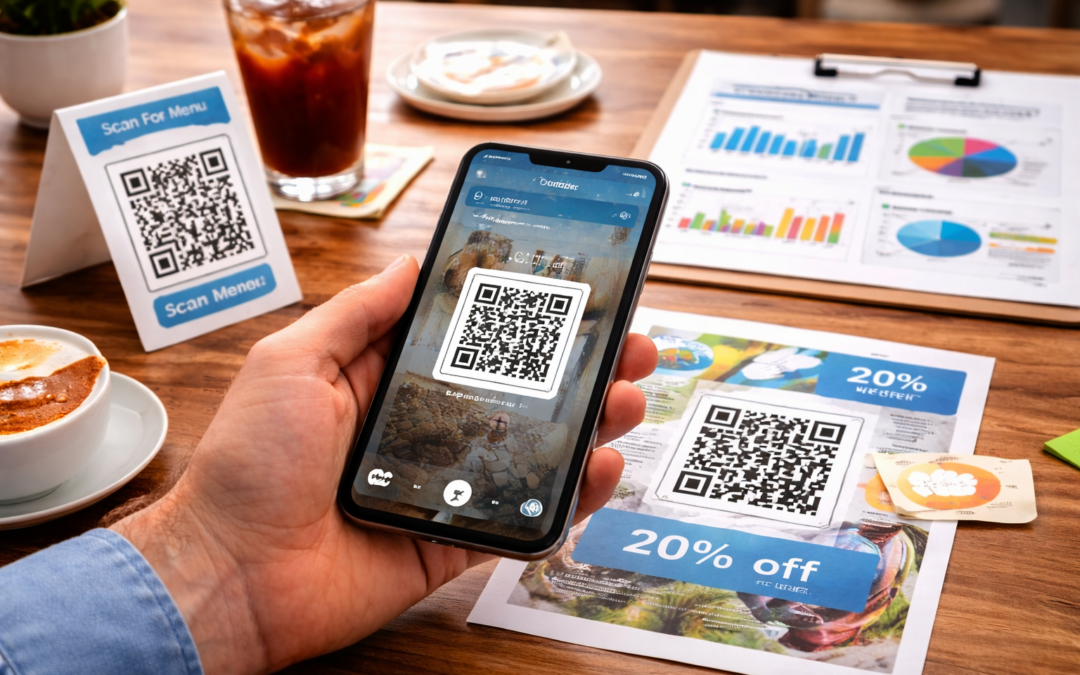
QR codes experienced a dramatic resurgence during the pandemic, driven by the need for contactless interactions. While many initially viewed them as a temporary solution, QR codes have proven to be far more than a short-term convenience.
In today’s digital landscape, QR codes function as powerful connectors between physical and digital experiences. When used strategically, they streamline user journeys, improve engagement, and support measurable marketing outcomes.
The discussion below examines the evolving role of QR codes and how brands can integrate them into a modern, post-pandemic digital strategy.
Why QR Codes Still Matter Today
QR codes remove friction. With a simple scan, users can access content, complete actions, or move seamlessly between environments without typing URLs or searching manually.
Their continued relevance is supported by:
- Widespread smartphone adoption
- Built-in camera scanning capabilities
- Improved user familiarity and comfort
- Demand for fast, low-effort interactions
QR codes succeed because they respect user time and attention.
QR Codes as a Bridge Between Offline and Online Marketing
One of the strongest use cases for QR codes is their ability to connect offline touchpoints to digital experiences.
Common applications include:
- Print ads leading to landing pages
- Product packaging linking to tutorials or reviews
- Event signage directing users to schedules or forms
- In-store displays connecting to promotions or inventory
- Direct mail driving traffic to personalized offers
QR codes turn static materials into interactive entry points within the marketing funnel.
Supporting the Customer Journey With QR Codes
QR codes can be mapped intentionally across the customer journey.
At the awareness stage, they introduce brands through lightweight engagement such as videos, social profiles, or storytelling content.
During consideration, QR codes provide deeper information, comparisons, testimonials, or demonstrations that support evaluation.
At the decision stage, they enable quick actions such as booking appointments, claiming offers, or completing purchases.
Post-conversion, QR codes support onboarding, education, feedback collection, and loyalty programs.
When aligned with intent, QR codes enhance rather than interrupt the journey.
Designing Effective QR Code Experiences
The success of a QR code depends less on the code itself and more on the experience it delivers.
Best practices include:
- Clear context for why users should scan
- Mobile-optimized landing pages
- Fast load times and simple navigation
- Consistent branding and messaging
- A single, focused action per scan
Avoid directing users to generic homepages or cluttered content. Relevance drives engagement.
QR Codes in Omnichannel Campaigns
QR codes work best when integrated into broader campaigns rather than used in isolation.
Examples include:
- Print ads reinforced by digital retargeting
- Event QR codes paired with email follow-ups
- Packaging scans connected to loyalty programs
- Out-of-home placements tied to social campaigns
This integration ensures QR codes contribute to cohesive storytelling and measurable outcomes.
Tracking and Measuring QR Code Performance
Modern QR code platforms support robust tracking and analytics.
Key metrics include:
- Scan volume and frequency
- Location and time-based trends
- Conversion rates after scanning
- Drop-off points within the experience
Pair QR tracking with analytics tools to understand how offline interactions influence digital performance.
Avoiding Common QR Code Mistakes
Despite their simplicity, QR codes are often misused.
Common mistakes include:
- Placing codes where scanning is inconvenient
- Failing to explain the value of scanning
- Linking to non-mobile-friendly pages
- Reusing the same code for multiple purposes
- Ignoring performance data
QR codes should simplify experiences, not create confusion.
Accessibility and Trust Considerations
Trust plays a role in scan behavior.
Ensure:
- QR codes direct to secure, recognizable domains
- Users understand what will happen after scanning
- Privacy and data collection are transparent
- Experiences are accessible to all users
Clear communication builds confidence and increases participation.
When QR Codes Make Strategic Sense
QR codes are most effective when:
- Users are already physically engaged
- Speed and convenience matter
- Context supports immediate action
- Offline touchpoints are part of the journey
They are not a replacement for digital channels, but a powerful complement.
Practical Perspective
QR codes have evolved from novelty tools into practical connectors within modern digital strategy. By bridging physical and digital experiences, they reduce friction and support faster, more intentional engagement.
Brands that treat QR codes as strategic entry points rather than afterthoughts unlock greater value from both offline and online efforts. In a post-pandemic environment defined by convenience and clarity, QR codes remain a relevant and effective marketing tool.
